



Maximizing Fleet Utilization Increases Productivity & Revenue
How to Evaluate the Return on Investment (ROI) for New Fleet Management Solutions
Evaluating the ROI of new fleet management solutions is a critical process that involves careful planning, data analysis, and ongoing assessment. Are you prepared?
June 12, 2024
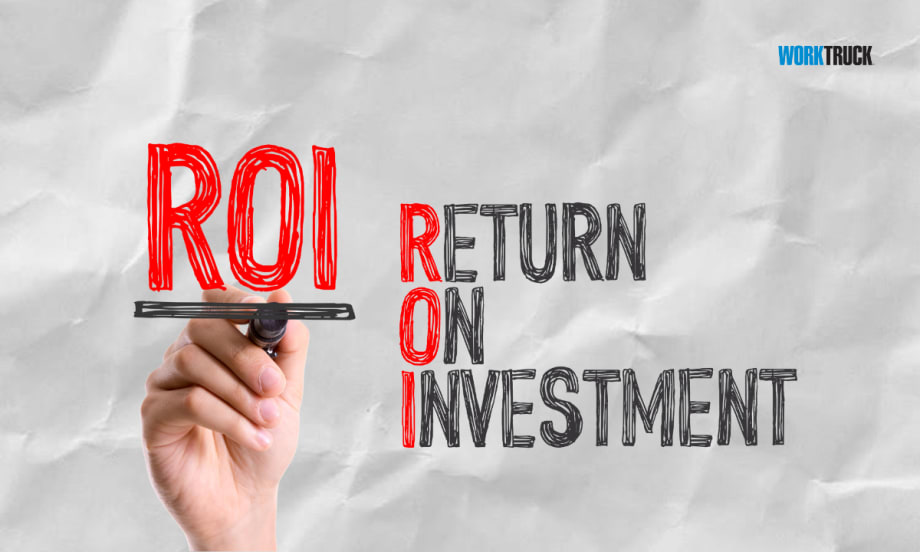
The ROI formula is:
ROI = Net income / Cost of Investment x 100%
Photo: Work Truck
6 min to read
With the rapid advancement of technology, fleet managers are often presented with opportunities to enhance their operations through new tools and systems. However, understanding their Return on Investment (ROI) is critical to making these investments worthwhile.
Check out the following practical tips and advice for evaluating fleet solutions and determining their ROI, ensuring you can make decisions that significantly benefit your fleet operations in the long run.
Understanding the Significance of ROI in Fleet Management
ROI is a performance measure used to evaluate the efficiency or profitability of an investment. In fleet management, ROI can be calculated by comparing the benefits of a new solution against its costs. The ROI formula is:
ROI = Net income / Cost of Investment x 100%
Here are the steps to evaluate ROI for new fleet management solutions:
1. Identify the Problem and Set Objectives
Before evaluating any solution, it's essential to identify the specific problem it aims to address. Whether it's reducing fuel costs, improving route efficiency, or enhancing driver safety, understanding the core issue will help set clear objectives.
Define what success looks like and establish measurable goals, such as a 10% reduction in fuel consumption or a 20% decrease in vehicle downtime.
2. Analyze Current Operations
Conduct a thorough analysis of your current fleet operations. Gather data on key performance indicators (KPIs) such as fuel usage, maintenance costs, vehicle utilization, and driver productivity. This baseline data will serve as a point of comparison to measure the impact of the new solution.
3. Evaluate the Costs
Consider both the direct and indirect costs associated with the new solution. Direct costs include the purchase price, installation fees, and any required staff training. Indirect costs involve downtime during implementation, potential disruptions to operations, and ongoing maintenance or subscription fees.
It's crucial to capture all costs to ensure the investment is accurate.
4. Estimate the Benefits
Quantifying the benefits of a new solution can be challenging but is essential for calculating ROI. Benefits such as cost savings from reduced fuel consumption or lower maintenance expenses can be tangible and intangible, like improved driver satisfaction or enhanced customer service. Use the baseline data from your current operations to estimate these benefits accurately.
5. Conduct a Pilot Test
Before fully implementing a new solution, consider running a pilot test. This lets you observe the solution's impact on a smaller scale and gather real-world data. A pilot test helps validate the estimated benefits and provides insights into unforeseen challenges.
6. Calculate the ROI
Calculate the ROI using the earlier formula and the data from your pilot test. Compare the net benefits to the total costs to determine the ROI percentage. A positive ROI indicates that the benefits outweigh the costs, while a negative ROI suggests the investment may not be worthwhile.
7. Consider the Long-Term Impact
While immediate ROI is important, consider the new solution's long-term impact. Evaluate how it will affect your operations over the next few years. Will it remain relevant as your fleet grows? Does it offer scalability and flexibility? Long-term benefits can significantly enhance the overall ROI.
8. Factor in Intangible Benefits
Not all benefits can be easily quantified. Intangible benefits, such as improved safety, enhanced reputation, and better compliance with regulations, can also contribute to the overall value of the investment. While these may not be directly reflected in the ROI calculation, they are important considerations for a comprehensive evaluation.
9. Seek Feedback from Stakeholders
Engaging with stakeholders, including drivers, maintenance staff, and customers, is crucial in gathering feedback on the new solution. Their insights play a significant role in evaluating the solution's effectiveness and identifying areas for improvement. Positive feedback can reinforce the decision to invest, while negative feedback can highlight potential issues that need addressing.
10. Continuously Monitor and Adjust
ROI evaluation is not a one-time process. It's a continuous journey that involves monitoring the solution's performance and comparing it against the set objectives. This ongoing assessment and adjustment process ensures that the solution consistently delivers value over time, providing a sense of security and stability.
Measuring Intangible Benefits
Quantifying intangible benefits like improved safety and enhanced reputation in ROI calculations requires a multifaceted approach.
Assess the direct costs associated with accidents, including vehicle repairs and medical expenses, for safety improvements. Implementing safety measures, such as driver training programs and advanced safety technology, can reduce accident frequency and severity, thus lowering costs and increasing productivity due to reduced downtime.
Enhanced reputation can also contribute to ROI through customer retention and acquisition. A positive reputation for safety and reliability can attract and retain customers, leading to increased revenue.
A strong reputation can also enhance brand value, increasing market share and pricing power. While assigning a precise monetary value to brand reputation is complex, qualitative analysis of metrics like market share and customer satisfaction can provide valuable insights.
Surveys and benchmarking are essential for gathering data on perceptions of safety and reputation.
Conducting employee and customer surveys and comparing performance against industry standards and competitors can help identify areas for improvement and track progress over time. While it may be challenging to quantify intangible benefits precisely, qualitative analysis of factors like employee morale and community goodwill can provide a more comprehensive understanding of their impact.
Staying Relevant and Scalable
Ensuring a new fleet management solution remains relevant and scalable as the fleet grows over time requires proactive planning, ongoing evaluation, and strategic decision-making.
Here are some key strategies for fleet managers to consider:
Scalability Assessment: Before implementing a fleet management solution, assess its scalability to accommodate future growth. Evaluate whether the solution can seamlessly scale to support an expanding fleet size, additional vehicles, and evolving business needs without significant disruptions or performance issues.
Flexible Architecture: Choose a fleet management solution with a flexible architecture that can adapt to changing requirements and integrate with other systems and technologies. Look for solutions offering open APIs (Application Programming Interfaces) and modular components, allowing for easy customization and expansion.
Regular Reviews and Updates: Conduct regular reviews of the fleet management solution to assess its performance, functionality, and alignment with business objectives. Stay informed about new features, updates, and industry trends to ensure the solution remains up-to-date and capable of meeting evolving needs.
Scalable Pricing Models: Opt for scalable pricing models that align with the fleet's size and growth trajectory. Avoid long-term contracts with fixed costs that may become burdensome as the fleet expands. Instead, look for subscription-based or pay-per-use models that offer flexibility and scalability.
Training and Support: Invest in ongoing training and support for fleet managers and users to maximize the effectiveness of the fleet management solution. Ensure that employees are proficient in using the solution's features and capabilities to optimize fleet operations and performance.
Data Management and Analysis: Implement robust data management and analytics processes to derive actionable insights from fleet data. Leverage advanced analytics tools and techniques to identify trends, patterns, and opportunities for optimization. Use data-driven insights to make informed decisions about fleet expansion, resource allocation, and operational efficiency.
Vendor Collaboration: Maintain open communication and collaboration with the fleet management solution vendor to address evolving needs and challenges. Provide feedback on system performance, usability, and feature requests to drive continuous improvement and innovation.
Future-Proofing Strategies: Anticipate future trends and developments in the fleet management industry, such as advancements in telematics, automation, and electrification. Develop strategic roadmaps and contingency plans to adapt to emerging technologies and regulatory changes while ensuring the long-term viability of the fleet management solution.
Driving Thoughts
Evaluating the ROI of new fleet management solutions is a critical process that involves careful planning, data analysis, and ongoing assessment. By following these steps, fleet managers can make informed decisions that enhance operations, reduce costs, and improve efficiency.
Remember, a well-evaluated investment not only provides financial benefits but also contributes to the long-term success of your fleet management strategy. Have anything to add? Leave a comment below!
Originally posted on Work Truck Online
More Telematics & Tech

Samsara Driver Perks Gives Small Fleets a Ready Made Driver Benefit
Small fleets can offer drivers discounts from more than 50 brands without building or managing their own employee rewards program.
Read More →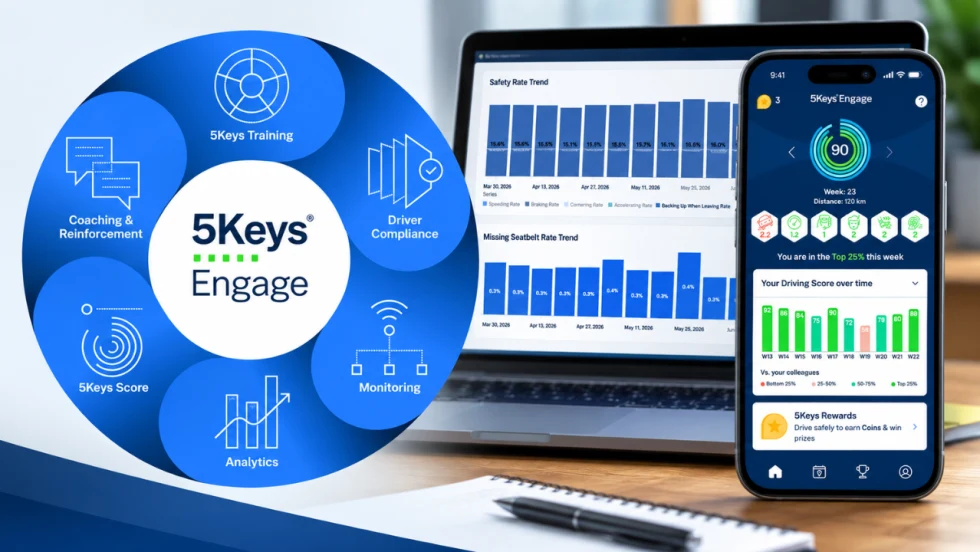
Smith System Says Small Fleets Need a Safety Cadence Not More Data
Smith System’s new Driver Risk Management program aims to help smaller fleets turn telematics and camera data into a repeatable coaching process without building a dedicated safety department.
Read More →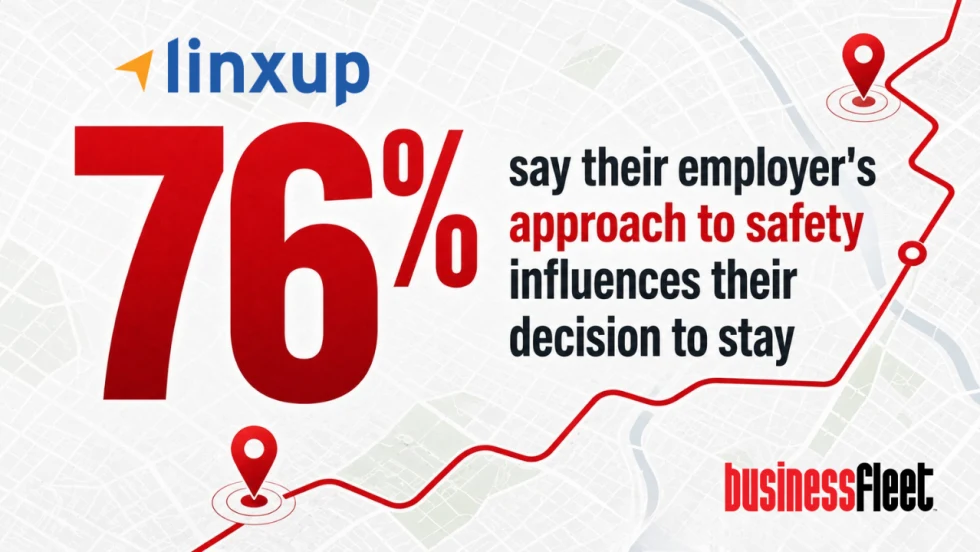
Dash Cams May Be Doing More Than Protecting Your Fleet Vehicles
Dash cams and GPS tracking may do more than improve safety. New survey findings link fleet technology to driver protection, employee retention, and customer confidence.
Read More →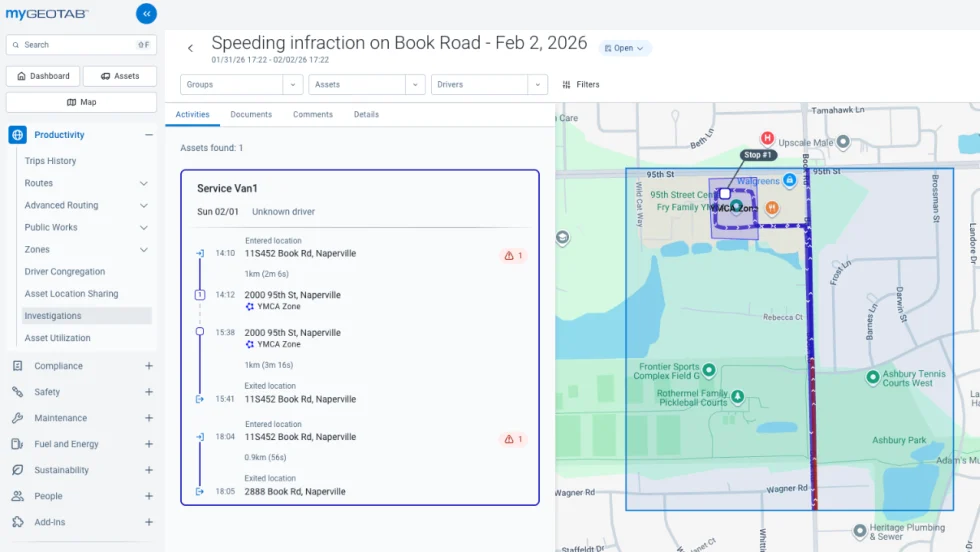
Geotab Adds Investigation Tools to Cut the Post-Incident Paper Chase
When a company vehicle is involved in a crash or complaint, Geotab Investigations brings telematics data, photos, reports, and other records into one case workflow.
Read More →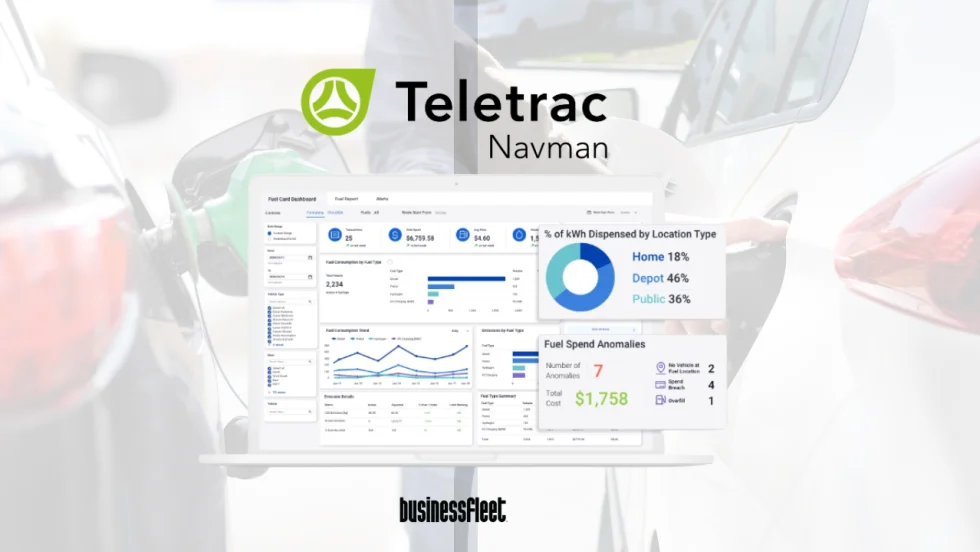
Teletrac Navman Adds Mixed-Energy Tracking to TN360
Energy Hub combines fuel card data, EV charging activity, reimbursements, and vehicle energy use in one dashboard for fleets operating gasoline, hybrid, and electric vehicles.
Read More →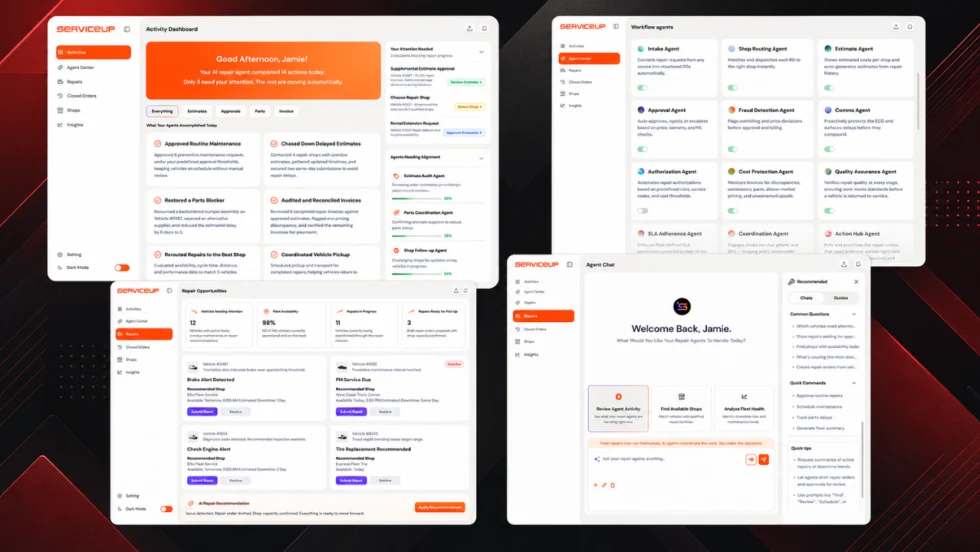
ServiceUp Brings Automated Repair Coordination to Small Fleet Operators
New AI repair agents handle shop calls, estimate reviews, status checks, and invoice validation so business owners can spend less time coordinating vehicle repairs.
Read More →
Pro-Vision Expands AI Fleet Safety Beyond the Cab
Pro-Vision's new AI camera and processing module extend real-time exterior hazard detection while integrating with leading fleet telematics platforms.
Read More →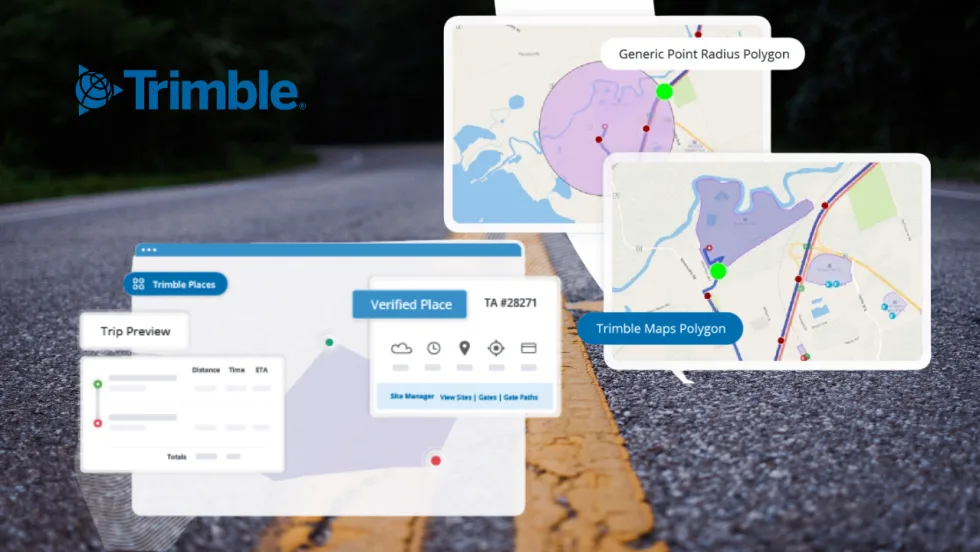
Trimble to Add Hotel Booking Capabilities to Fleet Products Through Engine Partnership
Trimble is adding hotel-booking capabilities to its fleet tools, helping drivers and small fleets find lodging faster during trips and breakdowns.
Read More →
TruckDocsAI Launches AI-Powered Compliance Platform for Owner-Operators and Small Fleets
Can AI simplify DOT compliance? TruckDocsAI launches a new platform for owner-operators and small fleets facing audit pressures.
Read More →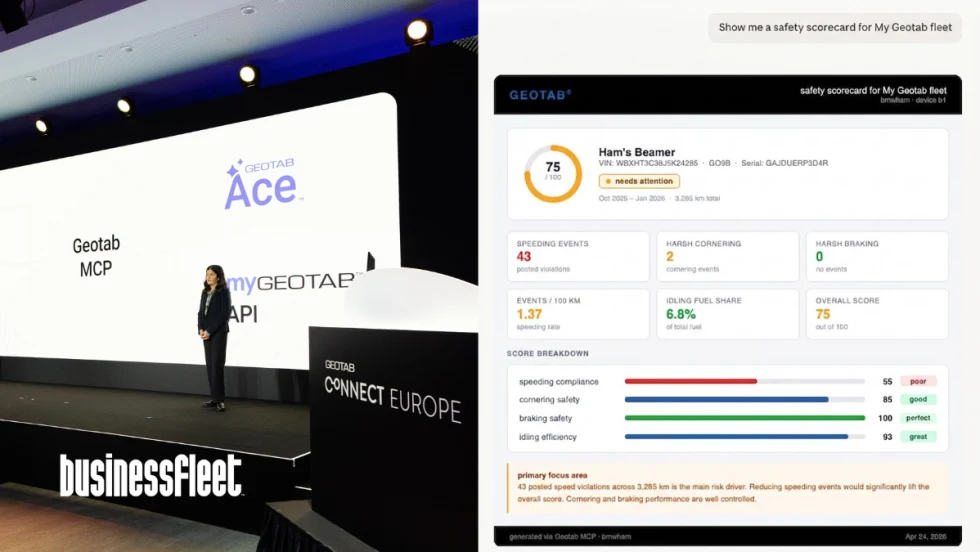
Geotab Says Fleet AI Success Depends More on Data Than the AI Model Itself
Geotab's new AI connector links fleet data with ChatGPT and other platforms, helping organizations turn AI investments into business results.
Read More →Subscribe to Our Newsletter