


Keep Learning: Wearing Every Hat: What it Really Means to Manage a Small Fleet
From Watchdog to Wingman: How Small Fleets Can Use Predictive Telematics to Retain Drivers
Predictive telematics can help small fleets improve driver satisfaction, reduce turnover, and build a stronger safety culture through smarter coaching.
by Candice Morley, Mike Albert Fleet Solutions
May 26, 2026
Modern telematics is helping fleets move beyond driver monitoring and toward a more supportive, driver-first approach focused on safety, coaching, retention, and operational performance.
Credit:
Business Fleet | Edited with OpenAI, please refer to our terms of use.
5 min to read
- Telematics technology, traditionally viewed as a surveillance tool, is being redefined to help retain skilled and safety-conscious drivers by shifting its focus from monitoring to support.
- Employee happiness is crucial for fleet companies, as driver satisfaction directly impacts retention rates and reduces costly recruitment efforts and turnover expenses.
- High voluntary turnover costs U.S. businesses significantly, emphasizing the economic importance of driver satisfaction and the role of predictive telematics in improving retention.
*Summarized by AI
Telematics technology has historically been viewed through the lens of surveillance, often associated with identifying driver errors. As a result, some drivers approached the technology with understandable hesitation.
That perception is evolving because fleets are realizing that, when framed appropriately, telematics can help retain skilled, safety-conscious drivers. Let’s look at this shift and what it can mean for improving your driver satisfaction and retention.
Happy Drivers Matter (A Lot)
Employee happiness is critical for two reasons. The first is economic: When you add up recruitment efforts, advertising, background checks, onboarding expenses, and more, new hires are pricey. According to the Society of Human Resource Management’s 2025 Benchmarking Report, the average cost to fill a non-executive role has climbed to $5,475. Gallup estimates that U.S. businesses lose roughly $1 trillion per year to voluntary turnover.
Of course, it’s not just a matter of dollars, which leads to the second reason employee satisfaction is critical: Drivers are not only a fleet’s most important operational resource, they’re also not interchangeable. Drivers carry institutional knowledge, maintain customer relationships, and operate with efficiencies that take time to build. When they leave, they take plenty with them, while often leaving behind a hit to employee morale.
It’s All in the Framing
Yes, predictive analytics can meaningfully impact driver engagement. Still, to fully leverage its benefits, organizations need to shift their perspective on the technology by connecting it back to the common challenges fleets and their drivers face. In other words, it’s important to reframe predictive telematics as a professional resource.
While not many drivers are interested in an on-board watchdog, most all welcome technology that gives them control over their own performance and well-being. After all, today's telematics platforms do more than record, of course. They analyze behavior in real time, flag risks, and support quick, targeted coaching. Drivers are increasingly recognizing these platforms as professional tools that provide them with objective data to validate their performance and safety records.
This kind of data-driven feedback builds a supportive, not punitive, culture that enhances overall satisfaction. This is supported by the National Association of Fleet Administrators (NAFA), which encourages organizations to lean into safety technology and a coaching culture to improve retention outcomes.
With this context in mind, let’s look at what’s working across a range of fleets nationwide and demonstrate how predictive telematics supports operational outcomes.
Data-Driven Coaching: Fair, Timely, and Effective
One of the most meaningful things predictive telematics does for drivers is to remove subjectivity from performance conversations. When every driver is measured against consistent metrics (such as speed, braking, and seatbelt use) the feedback is based on facts rather than anecdotes or selective memory.
Scorecards become transparent and consistent. When improvement happens, it shows up in the data, and that visibility creates a natural opening for recognition. On the other hand, when tough discussions are needed, there’s data to back them up.
In practice, when drivers understand the performance metrics and have visibility into their own results, they view the technology as a collaborative, supportive resource rather than an intrusive oversight mechanism.
Another appreciated value is that drivers consistently cite exoneration as a key benefit of modern telematics. A March 2026 Geotab analysis showed that initially reluctant drivers became advocates after their employers used video and telematics data to clear them in not-at-fault incidents.
Reliable Equipment Sends a Positive Message
While most driver retention efforts focus on compensation and scheduling, equipment reliability is an often-overlooked lever. Fleets leveraging technology for safer, less stressful driving become employers of choice, with reliable equipment at the center of that experience.
Predictive telematics tackles this directly. By monitoring engine health, brake wear, tire pressure, battery condition, and fault codes in real time, a good platform flags likely failures before roadside emergencies and their related hassles occur. Fewer unplanned breakdowns also mean fewer disrupted schedules and roadside emergencies that quietly erode driver confidence over time.
Research from the National Center for Manufacturing Sciences found that 95% of transportation-sector respondents said predictive maintenance improved at least one key operational value, including vehicle uptime and safety risk reduction.
Proactive, telematics-led maintenance sends a clear message: we care about your vehicle becausewe care about you. That signal matters more than most retention programs acknowledge.
Recognition: The Ultimate Retention Opportunity
One often-overlooked benefit of telematics-enabled fleet management is its ability to facilitate clear, structured driver recognition. According to the O.C. Tanner 2026 State of Employee Recognition Report, feedback incorporated into daily work and reinforced by leaders and peers leads to measurably better business outcomes, including retention.
Unfortunately, many fleet safety programs emphasize exception management (i.e., alerts and corrections) while overlooking the recognition of top-performing drivers. In a competitive market, this oversight can harm retention.
Driver safety scorecards, used well, flip that dynamic. They surface top performers regularly and give fleet managers a structured reason to recognize excellence, not just address problems. We have seen with our clients how safety metrics can fuel a robust yet friendly competition among a fleet’s drivers to achieve the highest scores. When safety initiatives lead to bragging rights, this often signals you're strengthening your safety culture and reaping the benefits that come with it.
Fleet managers who are deliberate about sharing positive performance data build something that no sign-on bonus can replicate: a workplace culture where professional drivers feel genuinely valued. That is the retention foundation worth investing in.
Predictive Telematics & Drivers Who Stay
Retention starts long before drivers consider leaving. It's built daily through the signals a fleet sends: that safety matters, performance is recognized, vehicles are reliable, and data works for both drivers and the organization.
Predictive telematics, when implemented thoughtfully, is one of the most reliable tools fleet managers have for sending all those signals at once. It functions simultaneously as a development platform, an early-warning system for maintenance, a fairness mechanism, and a recognition engine, all running quietly in the background while your drivers focus on the road.
Fleets that excel at retention will be those that transition their approach, viewing technology not as a means of monitoring but as a supportive foundation for their most valuable asset: their people.

Credit:
Business Fleet | Mike Albert Fleet Solutions
About the Author: Candice Morley is the Director of Client Products at Mike Albert Fleet Solutions, a leading fleet management company serving businesses across the United States. She focuses on delivering technology-driven solutions that support fleet efficiency, driver safety, and client success.
Topics:Telematics & Tech
More Telematics & Tech

Samsara Driver Perks Gives Small Fleets a Ready Made Driver Benefit
Small fleets can offer drivers discounts from more than 50 brands without building or managing their own employee rewards program.
Read More →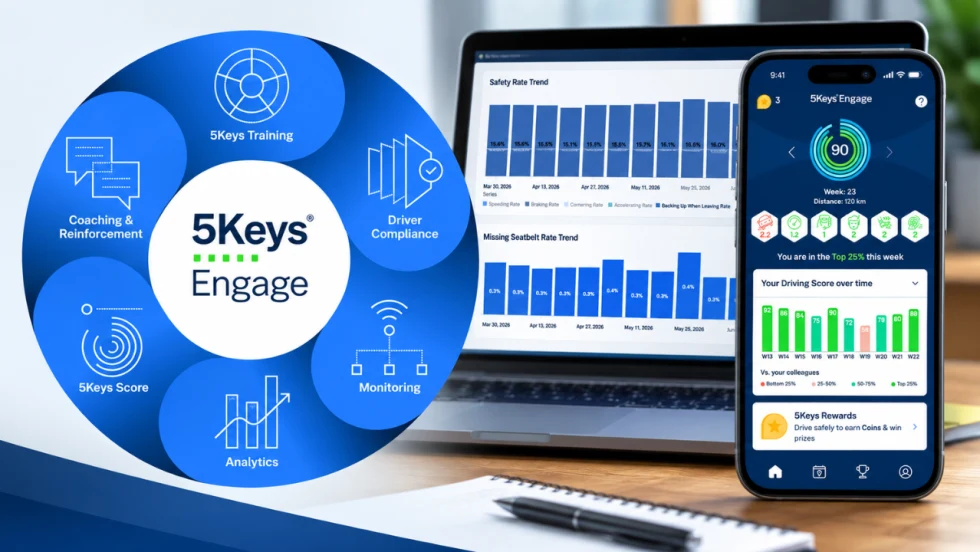
Smith System Says Small Fleets Need a Safety Cadence Not More Data
Smith System’s new Driver Risk Management program aims to help smaller fleets turn telematics and camera data into a repeatable coaching process without building a dedicated safety department.
Read More →
Dash Cams May Be Doing More Than Protecting Your Fleet Vehicles
Dash cams and GPS tracking may do more than improve safety. New survey findings link fleet technology to driver protection, employee retention, and customer confidence.
Read More →
Geotab Adds Investigation Tools to Cut the Post-Incident Paper Chase
When a company vehicle is involved in a crash or complaint, Geotab Investigations brings telematics data, photos, reports, and other records into one case workflow.
Read More →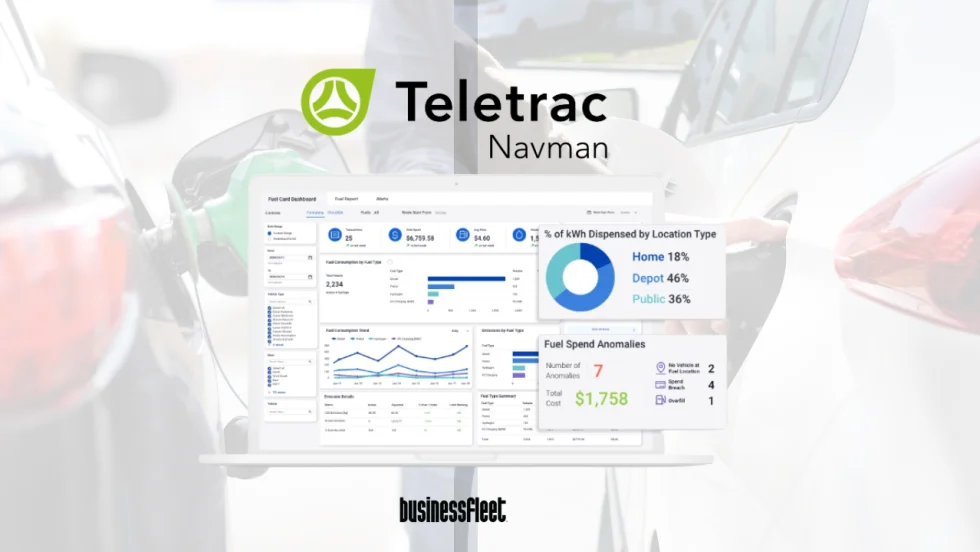
Teletrac Navman Adds Mixed-Energy Tracking to TN360
Energy Hub combines fuel card data, EV charging activity, reimbursements, and vehicle energy use in one dashboard for fleets operating gasoline, hybrid, and electric vehicles.
Read More →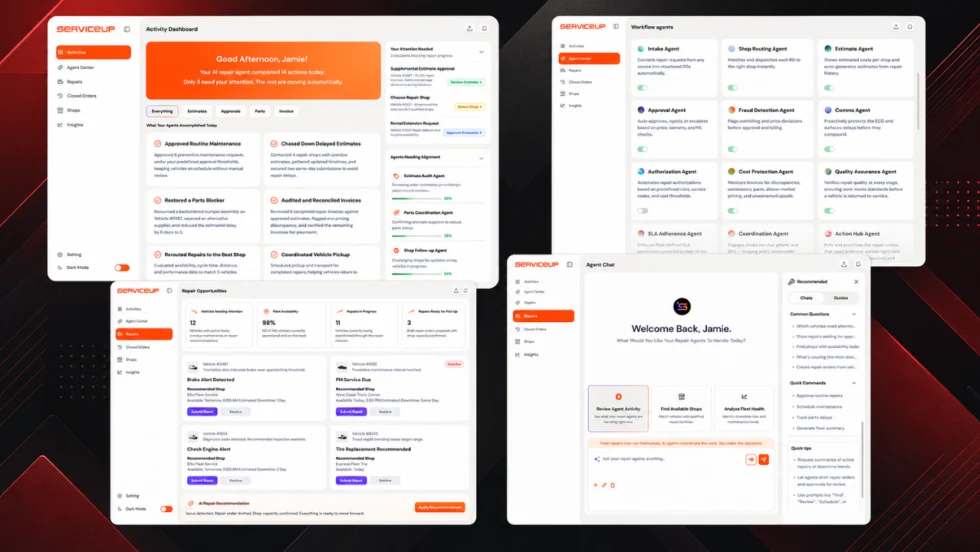
ServiceUp Brings Automated Repair Coordination to Small Fleet Operators
New AI repair agents handle shop calls, estimate reviews, status checks, and invoice validation so business owners can spend less time coordinating vehicle repairs.
Read More →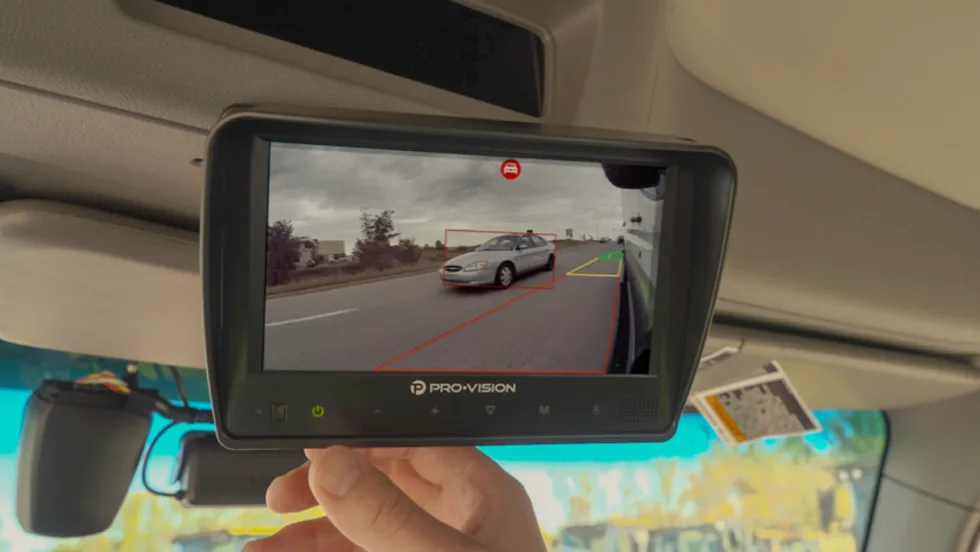
Pro-Vision Expands AI Fleet Safety Beyond the Cab
Pro-Vision's new AI camera and processing module extend real-time exterior hazard detection while integrating with leading fleet telematics platforms.
Read More →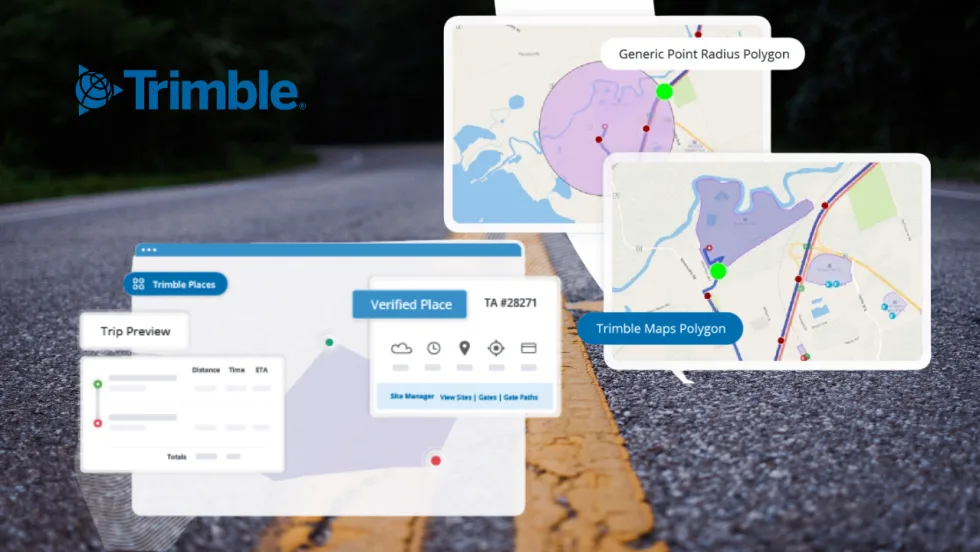
Trimble to Add Hotel Booking Capabilities to Fleet Products Through Engine Partnership
Trimble is adding hotel-booking capabilities to its fleet tools, helping drivers and small fleets find lodging faster during trips and breakdowns.
Read More →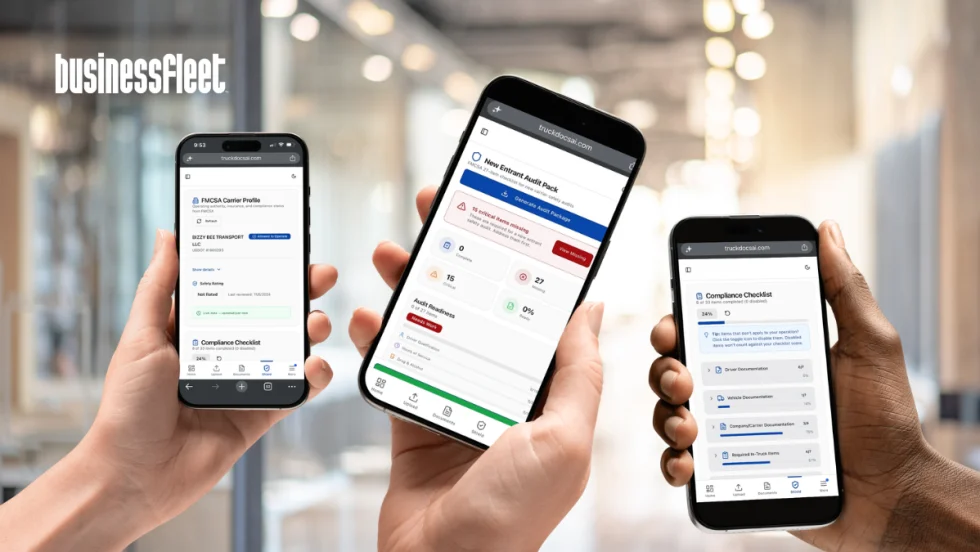
TruckDocsAI Launches AI-Powered Compliance Platform for Owner-Operators and Small Fleets
Can AI simplify DOT compliance? TruckDocsAI launches a new platform for owner-operators and small fleets facing audit pressures.
Read More →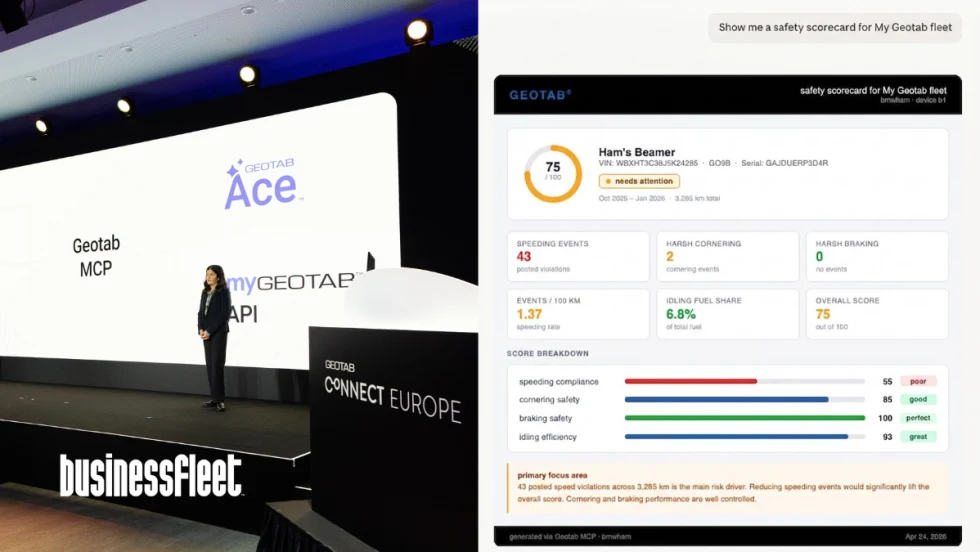
Geotab Says Fleet AI Success Depends More on Data Than the AI Model Itself
Geotab's new AI connector links fleet data with ChatGPT and other platforms, helping organizations turn AI investments into business results.
Read More →Subscribe to Our Newsletter