



For Your Consideration: Is Video Telematics for You?
How GM's Ultra Cruise Sees the World
GM’s hands-free system uses a blend of cameras, radars, LiDAR, a new computing system, and a driver head-monitoring system to give a 360-degree 3-D representation of the vehicle’s surroundings.
April 17, 2023
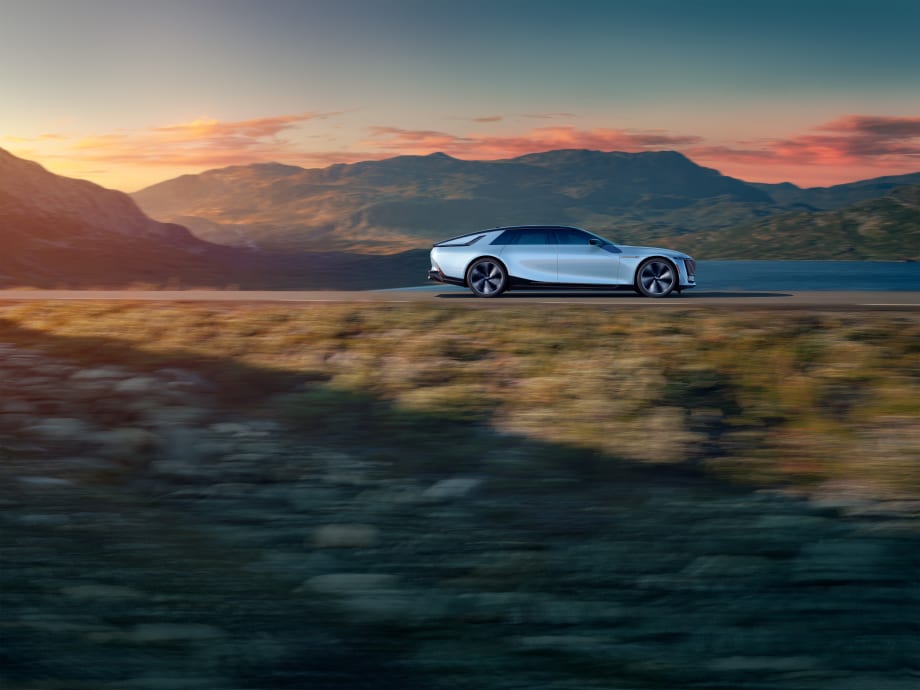
Ultra Cruise-equipped vehicles will have more than 20 sensors.
Photo: General Motors
3 min to read
General Motors announced that Ultra Cruise, the company’s next-generation advanced driver assistance system designed to enable hands-free driving in 95% of all driving scenarios, will have a 360-degree view of the vehicle through a sensor suite when it launches on the Cadillac CELESTIQ.
The destination-to-destination hands-free system will use more than just cameras to “see” the world, according to GM's news release. Ultra Cruise uses cameras, short- and long-range radars, LiDAR behind the windshield, an all-new computing system, and a driver attention system to monitor the driver’s head position and/or eyes in relation to the road to help ensure driver attention. These systems work together through “sensor fusion” to provide Ultra Cruise with a 360-degree, three-dimensional representation of the vehicle’s surroundings.
“GM’s fundamental strategy for all ADAS features, including Ultra Cruise, is safely deploying these technologies,” said Jason Ditman, GM chief engineer, Ultra Cruise. “A deep knowledge of what Ultra Cruise is capable of, along with the detailed picture provided by its sensors, will help us understand when Ultra Cruise can be engaged and when to hand control back to the driver. We believe consistent, clear operation can help build drivers’ confidence in Ultra Cruise.”
GM said it expects that customers will be able to travel hands-free with Ultra Cruise across nearly every paved public road in the U.S. and Canada, including city streets, subdivision streets, and rural roads, in addition to highways.
Vehicles equipped with Ultra Cruise hardware will experience incremental enhancements through over-the-air software updates.
GM added that it is focused on expanding ADAS accessibility with the combination of currently available Super Cruise driver assistance technology and soon, Ultra Cruise, bringing these technologies to more customers on more vehicles, in more regions at more price points.
How Ultra Cruise’s Sensor Suite Works
GM is developing Ultra Cruise software in-house with a team of software engineers from around the world. The company also works with suppliers who are experts in their relative spaces and integrates their sensing technologies with its software.
Driver attention system: This small camera, located on the top of the steering column, uses infrared light to help monitor the driver’s head position and/or eyes in relation to the road to help ensure driver attention.
Compute platform: This is the physical hardware that enables Ultra Cruise. The system will be powered by a scalable compute architecture featuring system-on-chips (SoCs) developed by American semiconductor company Qualcomm Technologies.
Long-range cameras: These seven, eight-megapixel cameras are located on the front, corners, back, and sides of the vehicle, providing expanded fields of view for Ultra Cruise. They help enable the system to detect objects such as traffic signs, traffic lights, other vehicles, and pedestrians.
Short-range radars: Placed on the four corners of the vehicle, these radars are used to help sense a radius of up to 90 meters, like pedestrians crossing the street or vehicles in surrounding lanes.
Long-range radars: The three 4D long-range radars on the front and back of the vehicle allow for Adaptive Cruise Control speeds as well as lane change maneuvers at highway speeds by helping to detect an object’s location, direction and elevation relative to the speed of the vehicle. They also help the system determine safe stopping distances.
LiDAR: The LiDAR, located behind the windshield, helps produce an accurate three-dimensional view of the scene, enabling more precise detection of objects and road features such as vehicles and lane markings, even in inclement weather conditions. Combined with other sensors, it can help create a perception of the environment around the vehicle for Ultra Cruise, increasing the system’s functional domain and performance.
Originally posted on Automotive Fleet
More Telematics & Tech

Samsara Driver Perks Gives Small Fleets a Ready Made Driver Benefit
Small fleets can offer drivers discounts from more than 50 brands without building or managing their own employee rewards program.
Read More →
Smith System Says Small Fleets Need a Safety Cadence Not More Data
Smith System’s new Driver Risk Management program aims to help smaller fleets turn telematics and camera data into a repeatable coaching process without building a dedicated safety department.
Read More →
Dash Cams May Be Doing More Than Protecting Your Fleet Vehicles
Dash cams and GPS tracking may do more than improve safety. New survey findings link fleet technology to driver protection, employee retention, and customer confidence.
Read More →
Geotab Adds Investigation Tools to Cut the Post-Incident Paper Chase
When a company vehicle is involved in a crash or complaint, Geotab Investigations brings telematics data, photos, reports, and other records into one case workflow.
Read More →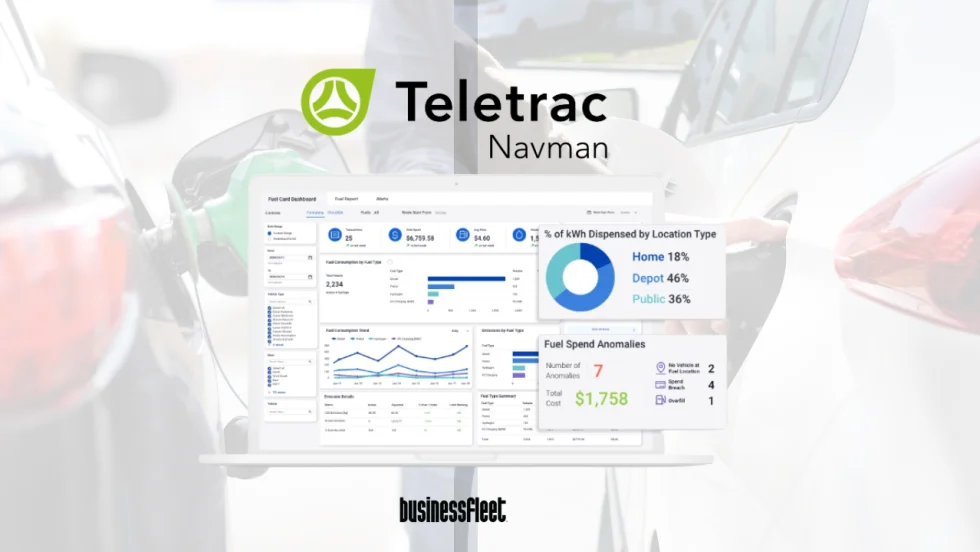
Teletrac Navman Adds Mixed-Energy Tracking to TN360
Energy Hub combines fuel card data, EV charging activity, reimbursements, and vehicle energy use in one dashboard for fleets operating gasoline, hybrid, and electric vehicles.
Read More →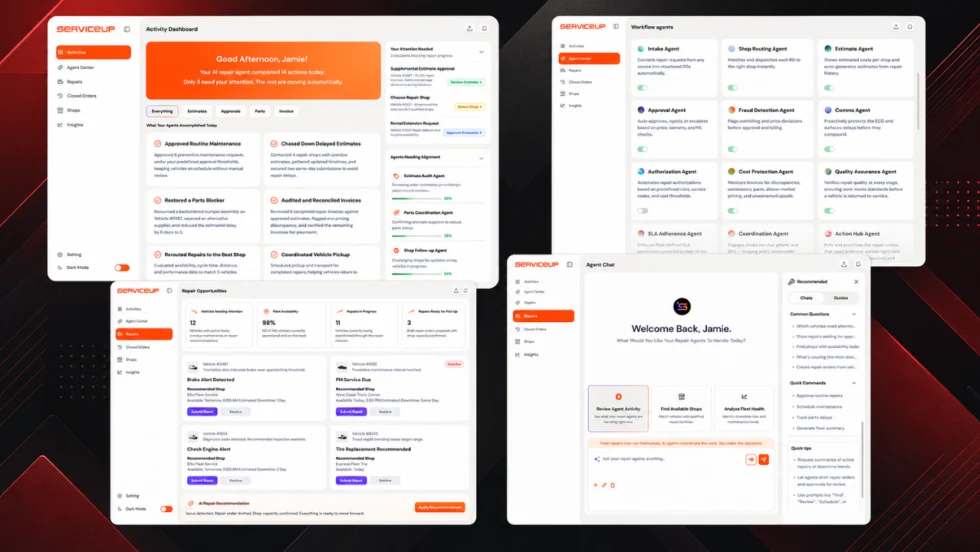
ServiceUp Brings Automated Repair Coordination to Small Fleet Operators
New AI repair agents handle shop calls, estimate reviews, status checks, and invoice validation so business owners can spend less time coordinating vehicle repairs.
Read More →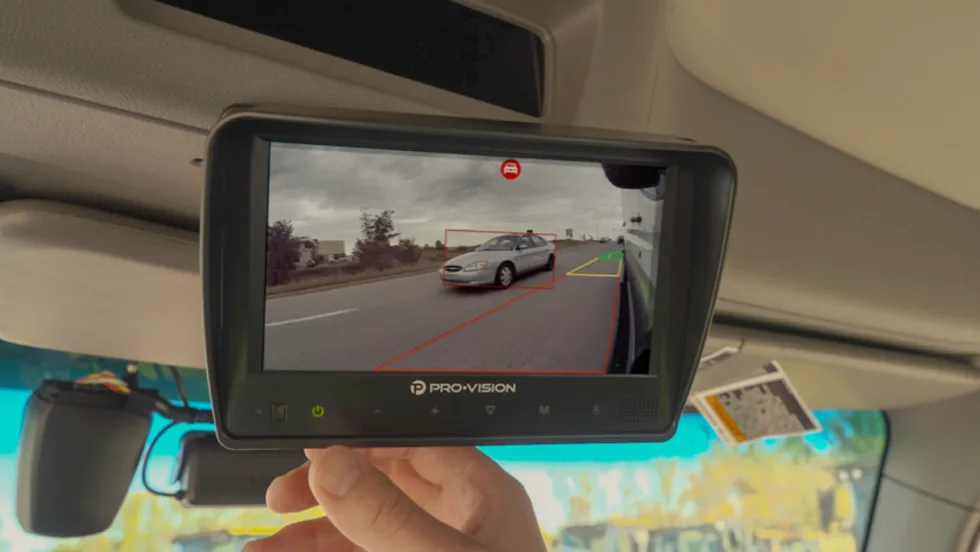
Pro-Vision Expands AI Fleet Safety Beyond the Cab
Pro-Vision's new AI camera and processing module extend real-time exterior hazard detection while integrating with leading fleet telematics platforms.
Read More →
Trimble to Add Hotel Booking Capabilities to Fleet Products Through Engine Partnership
Trimble is adding hotel-booking capabilities to its fleet tools, helping drivers and small fleets find lodging faster during trips and breakdowns.
Read More →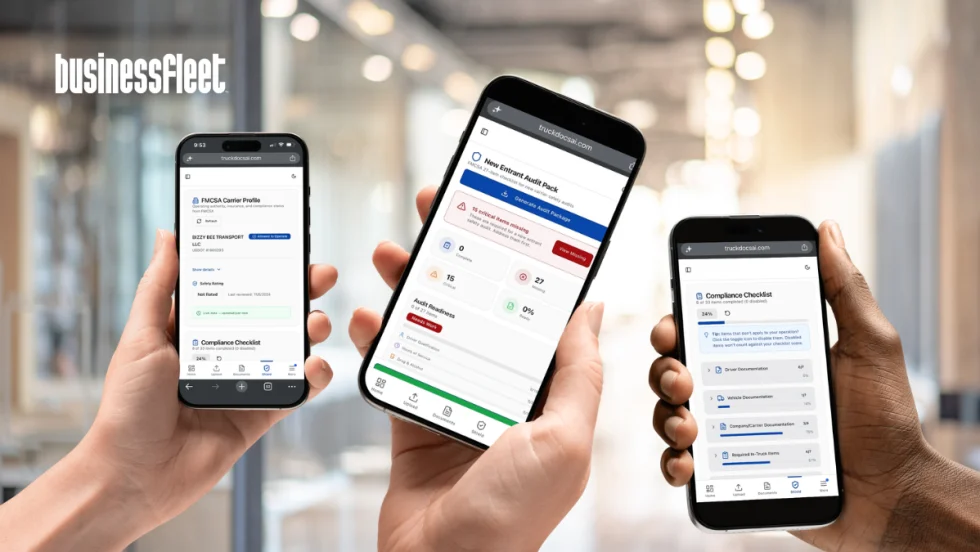
TruckDocsAI Launches AI-Powered Compliance Platform for Owner-Operators and Small Fleets
Can AI simplify DOT compliance? TruckDocsAI launches a new platform for owner-operators and small fleets facing audit pressures.
Read More →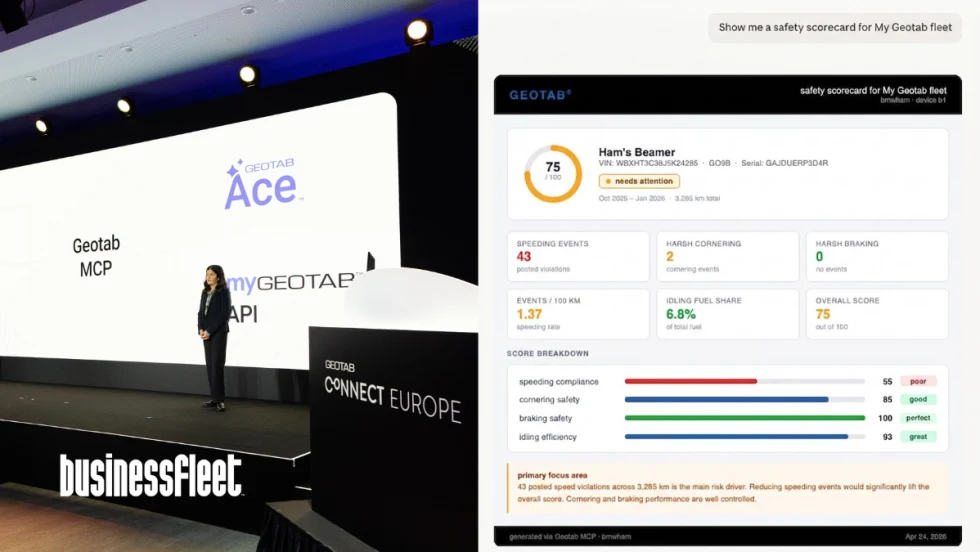
Geotab Says Fleet AI Success Depends More on Data Than the AI Model Itself
Geotab's new AI connector links fleet data with ChatGPT and other platforms, helping organizations turn AI investments into business results.
Read More →