



Related: Fleet Tech in 2026 Will Stop Being a Stack and Start Being a System
Northland Survey Finds Fleets Struggle to Turn Telematics Data Into Safety Action
A new Northland survey found many trucking fleets struggle to turn telematics data into actionable safety improvements, despite widespread adoption of fleet technology tools.
May 14, 2026
Northland Insurance survey data found many trucking fleets are struggling to turn telematics data into effective driver coaching and measurable safety improvements.
Credit:
Business Fleet
2 min to read
- A Northland survey reveals that many trucking fleets face challenges in translating telematics data into meaningful safety actions.
- The survey highlights a struggle to convert collected fleet technology data into safety improvements.
- Despite broad adoption of telematics tools, fleets find it difficult to utilize the data effectively for safety.
*Summarized by AI
As telematics adoption becomes standard across trucking fleets, operators have access to more safety data than ever. However, new survey data from Northland, a division of Travelers specializing in commercial trucking insurance, suggests many fleets are struggling to turn that data into meaningful safety improvements.
The survey of 300 risk managers at small- and mid-sized fleets found that while most respondents feel confident using telematics data to improve safety, many still face challenges translating insights into actionable coaching and operational changes.
Nearly half of mid-sized fleets (49%) and 43% of small fleets said they have difficulty converting telematics insights into effective coaching or measurable safety improvements.
Data Overload and Driver Trust Remain Challenges
According to the survey, data overload is one of the largest barriers to effective safety management. Forty-five percent of small fleets and 42% of mid-sized fleets said they have too much data without enough clarity on how to use it effectively.
The findings also highlighted ongoing concerns around driver trust and buy-in. While more than 95% of respondents said drivers are generally open to safety initiatives, nearly half of fleet managers reported hesitation among drivers to trust telematics data.
Northland’s guide emphasized that driver engagement is critical to successful safety programs and noted that in-person training remains one of the most effective tools for improving safety culture. Forty-three percent of respondents identified in-person training as highly effective.
Incentives Viewed as More Effective Than Penalties
The survey found that recognition and incentive programs are viewed as more effective than disciplinary measures for improving driver behavior.
Sixty-one percent of small fleets said recognition programs are among the most effective ways to build a stronger safety culture, while only 38% said penalties or disciplinary action effectively motivate safer driving behavior.
Additional findings from the guide showed:
- 51% of respondents said speeding has the biggest impact on safety outcomes.
- 44% said they struggle with having too much telematics data and not enough clarity.
- 46% reported difficulty turning safety data into actionable coaching.
- 53% said financial incentives are effective for motivating safe driving behaviors.
Technology Alone Is Not Enough
Northland’s guide stressed that telematics and advanced driver assistance technologies should support — not replace — driver coaching and accountability. The report recommends fleets focus on a smaller number of meaningful behaviors, including speeding, hard braking, and following distance, rather than trying to monitor every available metric.
The guide also encourages fleets to shift from reactive reporting to proactive coaching by using telematics data to reinforce positive habits and improve communication between managers and drivers.
“Data alone doesn’t improve safety,” the guide states. “Acting on what the insights reveal is what drives lasting change.”
Quick Answers
Telematics data refers to information collected from fleet vehicles through GPS and onboard diagnostics, used to monitor and optimize vehicle performance, driver behavior, and safety.
*Summarized by AI
More Telematics & Tech
Can AI Agents Help Small Work Truck Fleets Do More With Less?
Motive's new AI Agents automate fleet safety, maintenance, compliance, and dispatch tasks. Here's how they work for smaller fleets, what managers control, and what early users are seeing.
Read More →
Samsara Driver Perks Gives Small Fleets a Ready Made Driver Benefit
Small fleets can offer drivers discounts from more than 50 brands without building or managing their own employee rewards program.
Read More →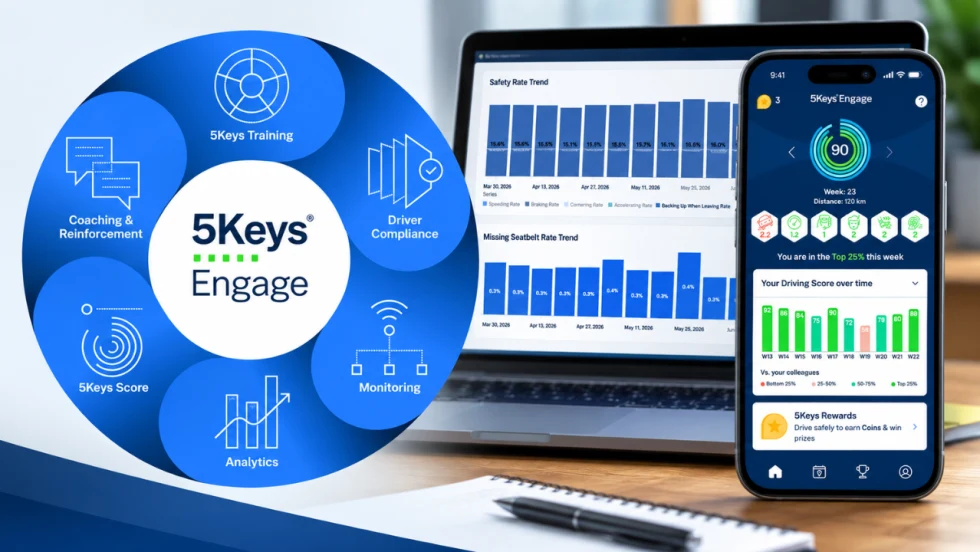
Smith System Says Small Fleets Need a Safety Cadence Not More Data
Smith System’s new Driver Risk Management program aims to help smaller fleets turn telematics and camera data into a repeatable coaching process without building a dedicated safety department.
Read More →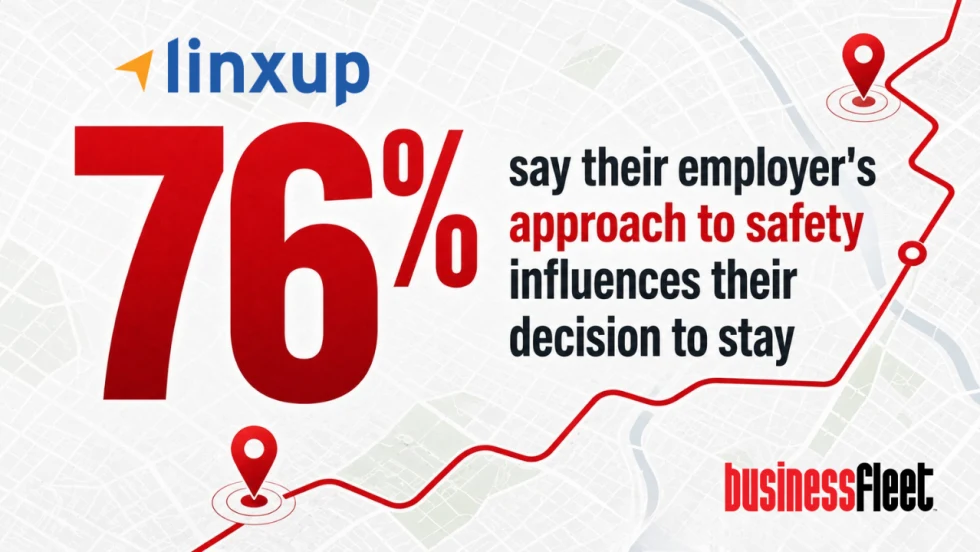
Dash Cams May Be Doing More Than Protecting Your Fleet Vehicles
Dash cams and GPS tracking may do more than improve safety. New survey findings link fleet technology to driver protection, employee retention, and customer confidence.
Read More →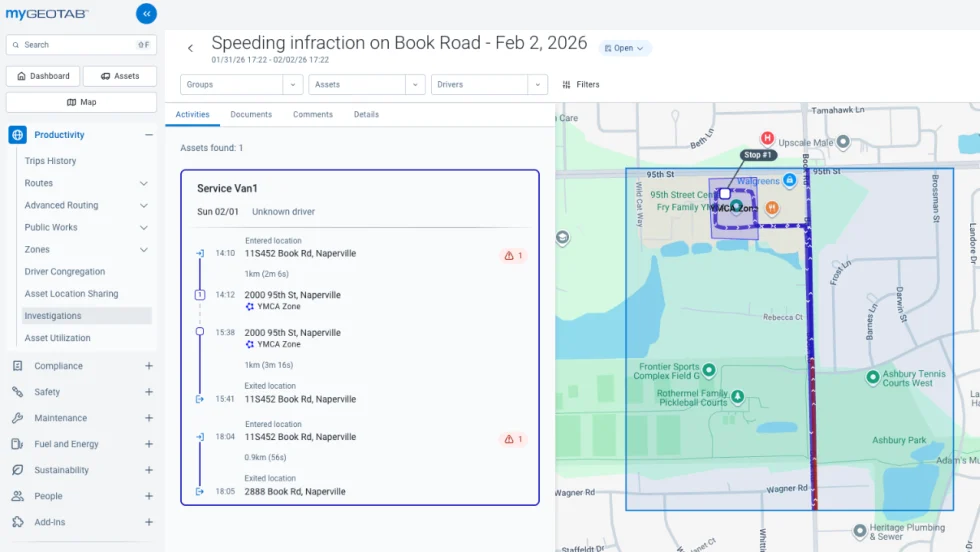
Geotab Adds Investigation Tools to Cut the Post-Incident Paper Chase
When a company vehicle is involved in a crash or complaint, Geotab Investigations brings telematics data, photos, reports, and other records into one case workflow.
Read More →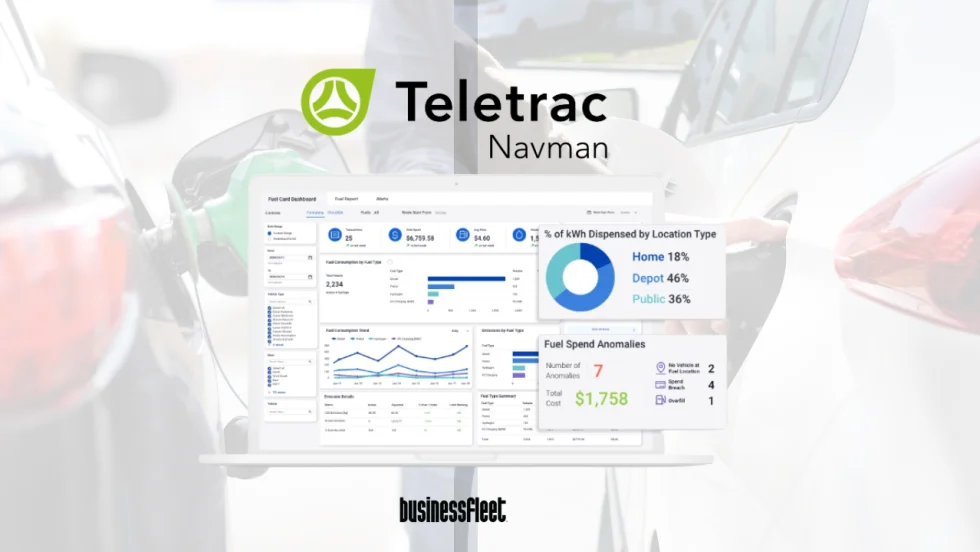
Teletrac Navman Adds Mixed-Energy Tracking to TN360
Energy Hub combines fuel card data, EV charging activity, reimbursements, and vehicle energy use in one dashboard for fleets operating gasoline, hybrid, and electric vehicles.
Read More →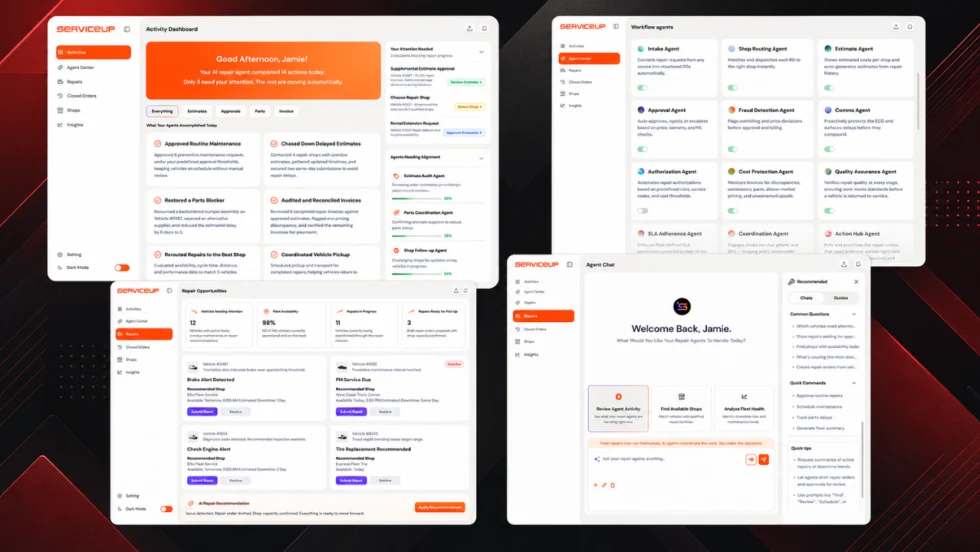
ServiceUp Brings Automated Repair Coordination to Small Fleet Operators
New AI repair agents handle shop calls, estimate reviews, status checks, and invoice validation so business owners can spend less time coordinating vehicle repairs.
Read More →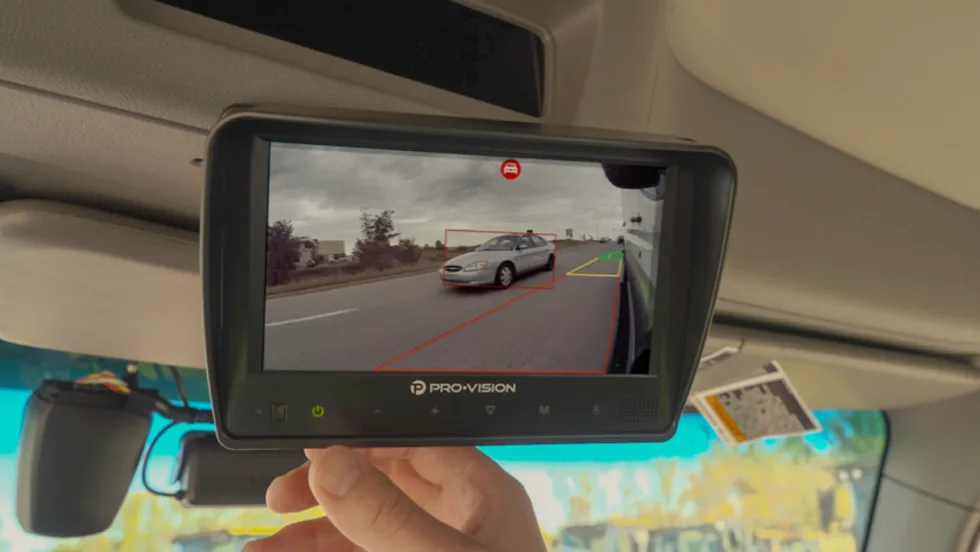
Pro-Vision Expands AI Fleet Safety Beyond the Cab
Pro-Vision's new AI camera and processing module extend real-time exterior hazard detection while integrating with leading fleet telematics platforms.
Read More →
Trimble to Add Hotel Booking Capabilities to Fleet Products Through Engine Partnership
Trimble is adding hotel-booking capabilities to its fleet tools, helping drivers and small fleets find lodging faster during trips and breakdowns.
Read More →
TruckDocsAI Launches AI-Powered Compliance Platform for Owner-Operators and Small Fleets
Can AI simplify DOT compliance? TruckDocsAI launches a new platform for owner-operators and small fleets facing audit pressures.
Read More →