


Using GPS to Measure a Quality Stop
The next step in using GPS tracking technology is to manage miles, fuel and customer activity together to achieve greater net profit per visit.
oday, measurement technologies are even more needed to plan and make strategic decisions on where and how to direct field resources, sales, technical, support and delivery–everyone you've got.
Photo: Work Truck
When you think of fuel costs, do you think of the price per gallon or do you think of the importance of each trip you make? Have you ever thought that your company appears to be keeping busy, but company growth is not reflecting the activity level?
GPS tracking technology promises to reduce the number of miles your fleet vehicles drive. But it's less about reducing miles or the most efficient trip—it's about valuing the quality of the stops you make.
Example: When Deliveries Cost More Than They Earn
A distributor plans a 64-mile route—32 miles out, 32 miles back—to make an $80 delivery with a $20 profit margin on the goods being delivered. The minimum fleet cost to deliver any product or service on a 64 mile trip is $0.50 per mile, so this trip has a net loss of at least $12.
The distributor just paid the customer $12 to deliver the product to them.
Actionable Insight: Create a Customer Priority Profile
Profile each customer into a "customer type" and assign a priority on a scale of 1 to 5. Single piece, low margin, but frequent order customers can be grouped and served at greater net profit inclusive of the physical delivery costs.
Case Study: Measuring Impact with GPS Deployment
A national field service organization has several branch offices. Each branch office has an average of 16 vehicles. The company decides to deploy a GPS system to measure activity through the day, the number of customer stops, the duration of each stop, the distance between stops, the total miles driven, the starting time in the morning and the arrival time at the end of the day.
Before deployment, each vehicle drove an average 987 miles per week and made 20 customer stops. After deployment, the vehicles average 1,060 miles per week and 25 customer stops.
As the fleet manager, you care that these vehicles are driving more than they did before GPS and are therefore costing more in fuel. But consider this—the average mileage to serve each customer dropped by about seven miles by deploying measurement-based GPS technology.
It is costing the company at least $3.50 less on average for each customer visit at $0.50 per mile. Who has their eye on the ball for the company—the person wanting to reduce overall miles or the person managing miles and customer activity together?
Key Metrics to Track: Miles Per Customer Visit
By valuing fuel and activity together, your company can best see the impact of fuel combined with mileage and customer visits.
Maximize Fleet Uptime: The Role of Engine Diagnostics
Using asset management tools with engine diagnostics capable of reading VIN, mileage, voltage, oil and active engine faults will enable you to extend the maintenance of your fleet to a cycle of health-based maintenance. By monitoring the vehicle's engine health, you can keep your fleet running at the lowest preventive maintenance costs possible.
Measurement Tools: Essential for Fleet Strategy and Cost Management
"You can't manage what you don't measure." In good economic times, measurement technologies that include GPS with engine diagnostics, driver safety and mileage recording technology are often used to improve driver safety and reduce fleet operating costs.
Today, measurement technologies are even more needed to plan and make strategic decisions on where and how to direct field resources, sales, technical, support and delivery–everyone you've got.
Actionable Goals for Fleet Optimization: A Step-by-Step Guide
Record, measure as much as you can.
Review how time is spent including commuting to work, while driving and with customers.
Set goals based not solely on daily miles driven but on reducing the average number of miles per priority customer visit and measuring fuel consumed per customer trip.
Monitor goals and communicate positive results with employees.
Repeat steps 1 to 4.
At the time of publication, Colin Sutherland was vice president, sales of Geotab Inc., a leader in developing tools using GPS, engine diagnostics, and driver safety information for companies in North America.
Originally posted on Work Truck Online
More Telematics & Tech
Can AI Agents Help Small Work Truck Fleets Do More With Less?
Motive's new AI Agents automate fleet safety, maintenance, compliance, and dispatch tasks. Here's how they work for smaller fleets, what managers control, and what early users are seeing.
Read More →
Samsara Driver Perks Gives Small Fleets a Ready Made Driver Benefit
Small fleets can offer drivers discounts from more than 50 brands without building or managing their own employee rewards program.
Read More →
Smith System Says Small Fleets Need a Safety Cadence Not More Data
Smith System’s new Driver Risk Management program aims to help smaller fleets turn telematics and camera data into a repeatable coaching process without building a dedicated safety department.
Read More →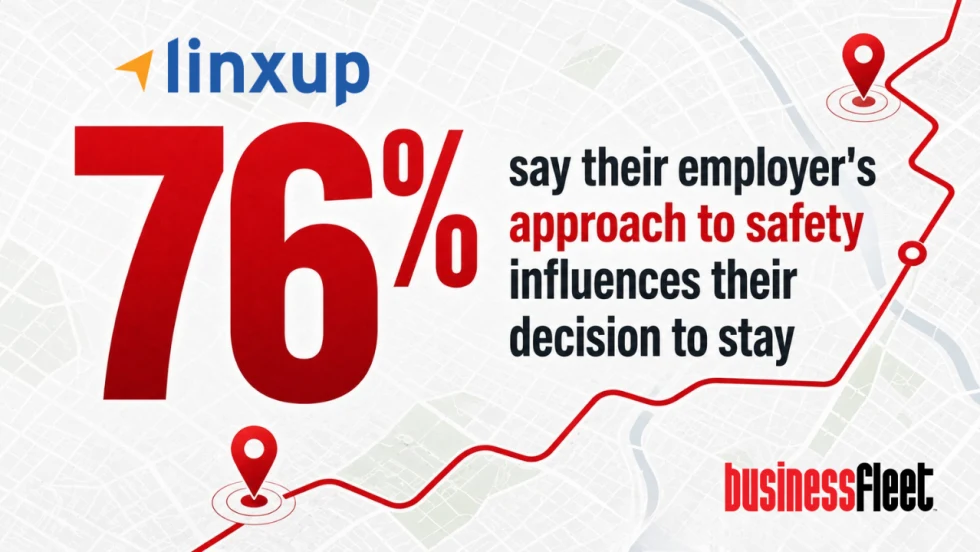
Dash Cams May Be Doing More Than Protecting Your Fleet Vehicles
Dash cams and GPS tracking may do more than improve safety. New survey findings link fleet technology to driver protection, employee retention, and customer confidence.
Read More →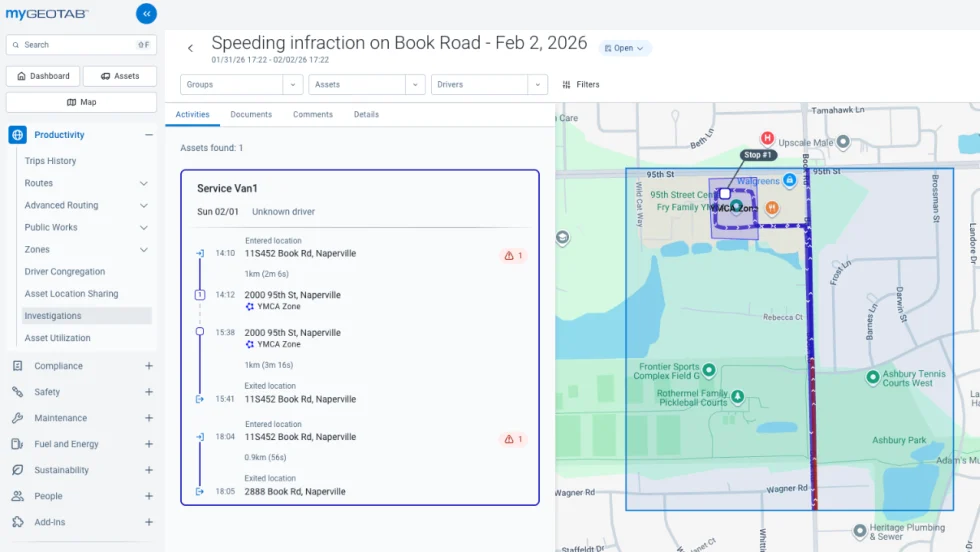
Geotab Adds Investigation Tools to Cut the Post-Incident Paper Chase
When a company vehicle is involved in a crash or complaint, Geotab Investigations brings telematics data, photos, reports, and other records into one case workflow.
Read More →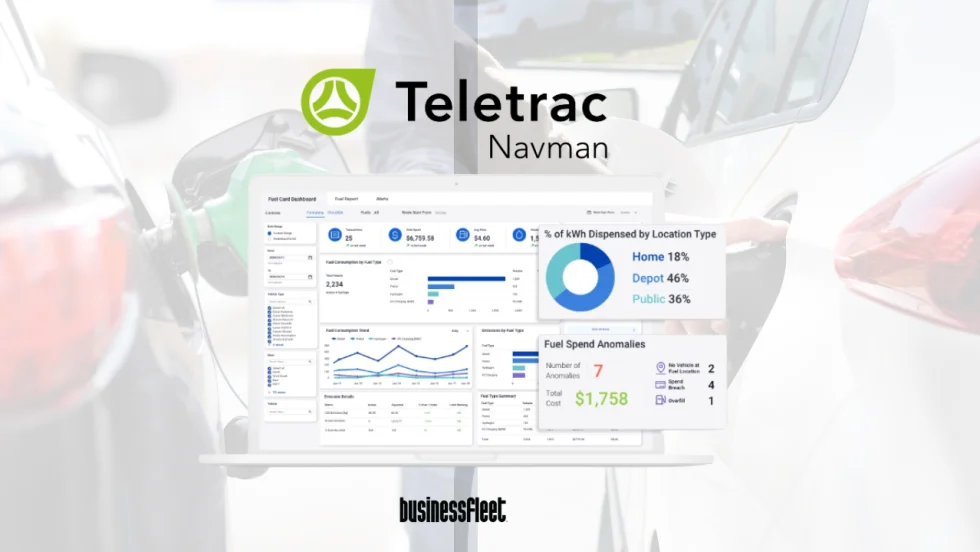
Teletrac Navman Adds Mixed-Energy Tracking to TN360
Energy Hub combines fuel card data, EV charging activity, reimbursements, and vehicle energy use in one dashboard for fleets operating gasoline, hybrid, and electric vehicles.
Read More →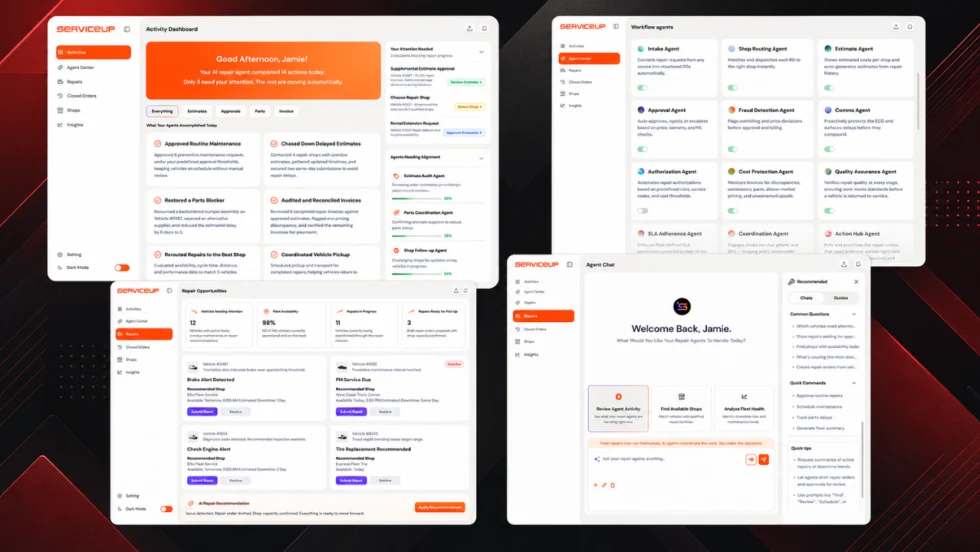
ServiceUp Brings Automated Repair Coordination to Small Fleet Operators
New AI repair agents handle shop calls, estimate reviews, status checks, and invoice validation so business owners can spend less time coordinating vehicle repairs.
Read More →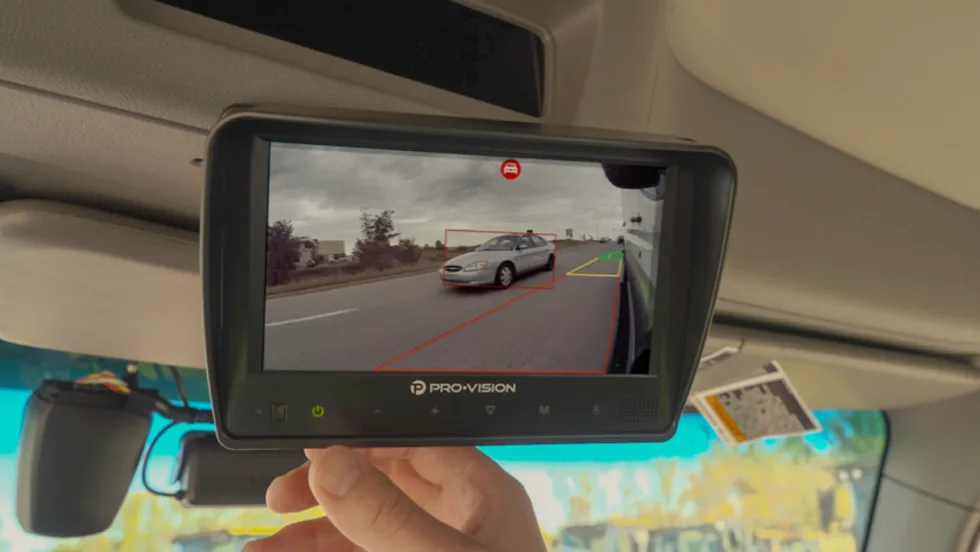
Pro-Vision Expands AI Fleet Safety Beyond the Cab
Pro-Vision's new AI camera and processing module extend real-time exterior hazard detection while integrating with leading fleet telematics platforms.
Read More →
Trimble to Add Hotel Booking Capabilities to Fleet Products Through Engine Partnership
Trimble is adding hotel-booking capabilities to its fleet tools, helping drivers and small fleets find lodging faster during trips and breakdowns.
Read More →
TruckDocsAI Launches AI-Powered Compliance Platform for Owner-Operators and Small Fleets
Can AI simplify DOT compliance? TruckDocsAI launches a new platform for owner-operators and small fleets facing audit pressures.
Read More →