


2017: Fleet Mix Will Be Paramount
Car rental companies are migrating to vehicle segments with better residual values, though not without bumps in the road.

The writing has been on the wall for some time — new vehicle sales are slowing, and to move the metal, manufacturers have been raising new car incentive levels. Combined with volume growth in the wholesale market, vehicle residual values will soften further in 2017 and depreciation will accelerate.
Both Avis Budget Group and Hertz made this point in their third quarter conference calls.
To better align fleet costs, car rental companies have been using a few tools at their disposal. First, rental companies are following the general consumer trend into growing crossover and SUVs segments with better overall residual values. Crossover and SUV sales will eclipse cars in 2016 for the first time.
Through October, car rental companies fleeted 31.7% more trucks and SUVs (including crossovers) than last year while car sales into rental fleets dropped by 12.3%. Even full-size pickups, today’s value retention heroes, have found their way onto car rental lots — not as heavy payload haulers, but as alternatives to large cars.
At Hertz, fleet mix has not been aligned to depreciation trends, as the company reported in the third quarter. Hertz said it overbought in the compact car category, a segment that, along with midsize cars, suffered higher depreciation than anticipated. As a result, Hertz reported that net depreciation per vehicle/per month increased 14% year-over-year in the quarter, which resulted in a $63 million increase in net vehicle depreciation expense year-over-year.
To rebalance its mix to a more optimal level, Hertz is getting out of those compact and midsized cars quicker, though the shorter cycle has exacerbated holding costs further.
Avis also said residual values came in lower than anticipated at the start of the year, though aggressive fleet management kept any substantial rise in per-unit feet costs at bay.
Avis drove these results in a few ways. The company said it better honed its “ability to choose the right time, mileage, place, and method” by which to dispose of its risk cars, selling 45% in the third quarter through channels other than auction. Avis expanded its direct-to-dealer network and opened its first retail sales location in Vero Beach, Fla. More are planned. The company is also bumping its risk fleet percentage from 67% this year to more than 70% in 2017.
Like Hertz, Avis sold cars earlier in certain cases, but it was done opportunistically to more tightly manage depreciation, the company said.
In general, rental companies have taken a more proactive approach to selling their vehicles into the rental market by de-fleeting the cars earlier in the calendar year to avoid lower prices in the fourth quarter, said Bob McConkey, president of McConkey Auction Group, which oversees independent auctions in Seattle, Spokane, Wash., and Kansas City.
“The rental market has been one of the brighter spots,” said McConley. “Risk cars have held up really well because the rental car companies de-fleeted the majority of their fleets early, so there isn’t a big supply of those vehicles. They're holding up better. They're not competing as hard with the new cars.”
Another silver lining is that car rental rates are good. Hertz saw a positive growth in retail pricing in the quarter. Avis achieved a per-day rate increase of 2%, driven by a 4% increase in leisure pricing in the quarter. This represents “a substantial turnaround in pricing in the Americas,” Avis said.
Both Avis and Hertz see industry fleet levels as “rational” and “reasonably tight relative to demand.” Avis said it ran fleet intentionally tight, which pushed third quarter utilization to its highest quarterly point in at least five years.
This austerity is good for the industry, especially in light of a softening outlook on travel. According to October data from TravelClick, the pace of new hotel bookings is down 2.2% compared to 2015, while group business bookings shrunk 8.5% over the same period. Meanwhile, most airlines are cutting capacity this fall, or at least slowing their capacity increases.
Like car rental, the hotel and airline industries are running tight on capacity. Hotel room rates and revenue per room are up year=over-year and still growing, and airlines have said their capacity cuts are designed to boost unit revenues as opposed to seeing a dire outlook on travel.
This was a difficult quarter for Hertz, though admittedly those issues were self-inflicted, and are within its grasp to remediate through better fleet management. The overall outlook for car rental in 2017 is positive.
More Blog Posts
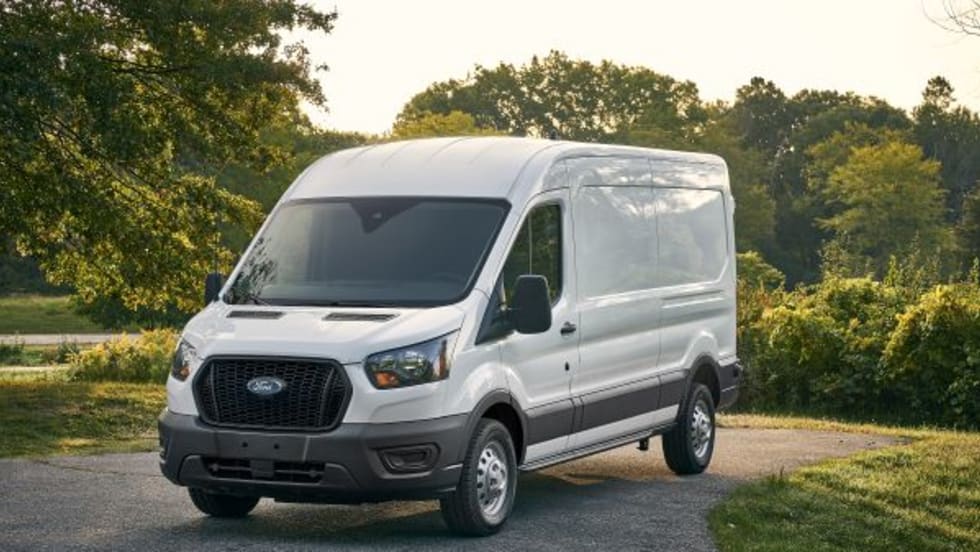
2021 Ford Transit Offers Versatility for Fleets
For the 2021-MY, Ford made ergonomic enhancements for drivers and added an available Parcel Delivery Package. This follows a major refresh in 2020, which added a Crew version, a new standard engine, standard active safety technologies, and embedded telematics to the Transit van family.
Read More →
Recognizing the Other Essential Drivers
Vocational and business fleet drivers don’t get the attention that truckers do. Yet they too are on the front lines, and their jobs often bring them into uncontrolled environments every day.
Read More →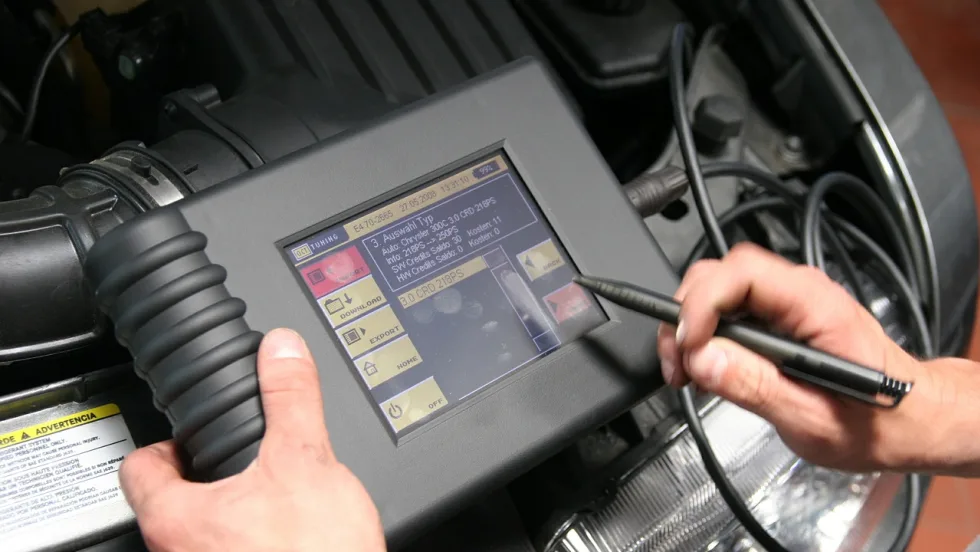
It’s Time to Formulate an ADAS Game Plan
As proliferation of Advanced Driver Assistance Systems (ADAS) increases, skilled labor, equipment, and training costs will increase as well. Fleet operators can’t mitigate these financial burdens by cutting corners on ADAS recalibration and repairs.
Read More →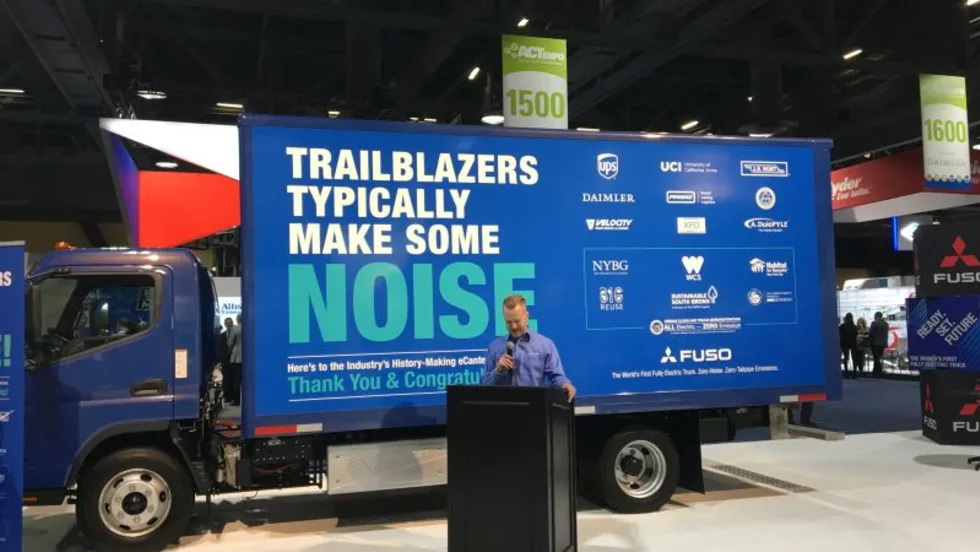
The Future is Electric, But…
With an increasing emphasis on emissions reductions mandates, will fleet operators get caught between clean technologies on their way out and an electric future that hasn’t yet arrived?
Read More →
6 Trend Lines from the 2019 Work Truck Show
From giant leaps in torque and towing to heavy duty truck personalization and chassis cab styling, these trends emerged from this year’s Work Truck Show in Indianapolis.
Read More →
They’re Coming for Your Diesel
In Southern California and other parts of the world, regulators are coalescing to ban, or severely curtail, diesel vehicles. There’s a growing disconnect with the mandates to green the environment and the availability of products and technologies to get us there.
Read More →
Hey Cannabis Companies, Welcome to Fleet
An industry is forming, and it needs help with fleet. In the meantime, the fleet industry should know that these new businesses are navigating extraordinary circumstances, which is forcing them to be better fleet operators pretty darn quick.
Read More →
Takeaways from the Fleet Forward Conference
Most attendees — from established fleets and vendors to new players that were only formed five years ago — didn’t know anyone. But that’s exactly the point.
Read More →
Is it Time to Rethink How Drivers Are Paid?
With the ELD rule affecting miles driven, and drivers’ duties increasingly including more than just driving the vehicle, what can be done to more accurately and fairly reflect a driver’s workday?
Read More →
Whatever Happened to CNG?
While the light-duty market for compressed natural gas vehicles has almost evaporated, new near zero emissions technology and drastic reductions in infrastructure costs have reinvigorated the market for medium- and heavy-duty applications — even for smaller fleets.
Read More →