


A Good Time to Buy Used?
Fleet operators are staring at a price squeeze right now that’s going to hurt. But there are ways to mitigate the pain.

New car prices could be the highest they’ve ever been. In the past two years, it wasn’t an issue because higher capitalized costs were mitigated by the best used car market ever and fleet operators were realizing unheard of gains on disposal. Alas, those days of wine and roses have ended. The used car market is softening and new car prices aren’t coming down. The squeeze is on.
Faced with rising costs, what is a rental car operator to do? Now might be a better time than ever to fleet up strategically in the used car market.
The Manheim Index stood at 121.7 at the close of September. It is expected to dip to 115 in the winter and recover to the low 120s in the spring of 2013. This forecast seems to lend credence to the adage, “Buy when it’s cold and sell when it’s warm,” especially in the next few quarters.
Supply is once again hitting the wholesale market. A new crop of off-lease vehicles, born when the manufacturers exited bankruptcies and the recession, will become used cars this winter. Second-tier car rental companies would be wise to take advantage of those off-lease vehicles and low-mileage used rental units, says Mike DeLorenzo, executive vice president of Rent-A-Wreck and Nextcar.
Greater supply should dictate decent prices on those used units, but DeLorenzo’s point is to look into the future, when those units would be sold again. They’ll return to the used car market at a good time, because by the end of 2013 and into 2014 there will be a lack of supply of 4- to 5-year-old units. (Remember the low-water mark in new light-vehicle sales of 10.3 million units in 2009?)
Those older units have become hot in the past few years because they fit the sweet spot for the “buy here, pay here” dealer. And with cars being built better than ever, the market is no longer afraid of the 100,000-mile landmark.
“There won’t be 4- and 5-year-old used cars in volumes that we’d normally expect,” says Ricky Beggs, managing editor of Black Book. Beggs cautions, however, that the market will generally have more of an ample supply. Beggs projects new light-vehicle sales to reach 16 million in 2014, which should produce 9.6 million used units as trade-ins, or 60% of new car sales. This increased volume will put pressure on used car prices in general, but the point is that you won’t get hurt when you remarket those 4- and 5-year-old units.
Of course, fleeting up in the fall and winter is tricky for rental operators because it doesn’t necessarily play into the best times for rental fleet demand. Any gains made on buying and selling will have to be measured against any hits in utilization and ultimately revenue per unit (RPU) for carrying fleet through a soft season.
DeLorenzo buys for Rent-A-Wreck’s corporate locations and for Nextcar, a rental company with 15 corporate-owned stores in Maryland and Virginia. He actually warehouses some of the cars he buys in January, February and March until demand hits up. He admits that RPU takes a dip in the winter, but even with those cars sitting, he still comes out ahead. “We set up our business plan so that if you buy when the market is low, you can sell when the market is low,” he says. “If you buy when the market is high, you can’t afford to sell when the market is low.”
In looking at particular segments, new midsize sedans are particularly hot right now, especially with the redesigns of the Honda Accord, Ford Fusion, Nissan Altima and Chevrolet Malibu hitting the market. But those new units will cost you $3,000-$4,000 more than you were paying last year.
“You’ll have to raise your daily rates to keep your margins over that new higher depreciation cost,” DeLorenzo says, though buying used midsize sedans will allow you to keep a lower depreciation and sustain a lower daily rate, and also give you some protection on resale. Beggs says that of the 24 segments tracked by Black Book, the entry midsize car segment has taken the largest depreciation hit — 9.6% — in the last three months. It would be tough to buy those high-priced new midsized sedans and have to eat it on the back end.
DeLorenzo also sees opportunity for rental operators with off-lease entry-level luxury models. Buying a 3-year-old BMW 3-Series or similar at auction for $24,000 is not too much more than the cost of buying a new midsize model. And with that BMW, “you have a nice niche rental and a nice value for the customer,” DeLorenzo says.
In short, with new car costs on the rise, buying used is a smart way to hedge against a wholesale market on its way back down to historical norms. But don’t expect prices to go too low.
“I don’t think we will ever get back down into the low prices we once considered attractive, especially in the 1-to 2-year-old market,” Delorenzo says, remembering the days you could get an off-rental Hyundai Accent for $8,000. “There isn’t any kind of used car you can buy for that today. They don’t exist.”
More Blog Posts
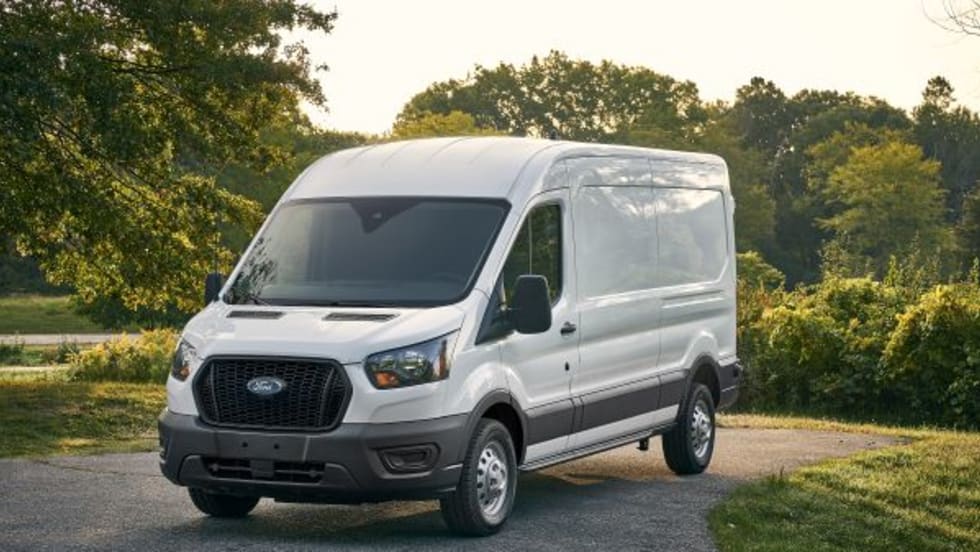
2021 Ford Transit Offers Versatility for Fleets
For the 2021-MY, Ford made ergonomic enhancements for drivers and added an available Parcel Delivery Package. This follows a major refresh in 2020, which added a Crew version, a new standard engine, standard active safety technologies, and embedded telematics to the Transit van family.
Read More →
Recognizing the Other Essential Drivers
Vocational and business fleet drivers don’t get the attention that truckers do. Yet they too are on the front lines, and their jobs often bring them into uncontrolled environments every day.
Read More →
It’s Time to Formulate an ADAS Game Plan
As proliferation of Advanced Driver Assistance Systems (ADAS) increases, skilled labor, equipment, and training costs will increase as well. Fleet operators can’t mitigate these financial burdens by cutting corners on ADAS recalibration and repairs.
Read More →
The Future is Electric, But…
With an increasing emphasis on emissions reductions mandates, will fleet operators get caught between clean technologies on their way out and an electric future that hasn’t yet arrived?
Read More →
6 Trend Lines from the 2019 Work Truck Show
From giant leaps in torque and towing to heavy duty truck personalization and chassis cab styling, these trends emerged from this year’s Work Truck Show in Indianapolis.
Read More →
They’re Coming for Your Diesel
In Southern California and other parts of the world, regulators are coalescing to ban, or severely curtail, diesel vehicles. There’s a growing disconnect with the mandates to green the environment and the availability of products and technologies to get us there.
Read More →
Hey Cannabis Companies, Welcome to Fleet
An industry is forming, and it needs help with fleet. In the meantime, the fleet industry should know that these new businesses are navigating extraordinary circumstances, which is forcing them to be better fleet operators pretty darn quick.
Read More →
Takeaways from the Fleet Forward Conference
Most attendees — from established fleets and vendors to new players that were only formed five years ago — didn’t know anyone. But that’s exactly the point.
Read More →
Is it Time to Rethink How Drivers Are Paid?
With the ELD rule affecting miles driven, and drivers’ duties increasingly including more than just driving the vehicle, what can be done to more accurately and fairly reflect a driver’s workday?
Read More →
Whatever Happened to CNG?
While the light-duty market for compressed natural gas vehicles has almost evaporated, new near zero emissions technology and drastic reductions in infrastructure costs have reinvigorated the market for medium- and heavy-duty applications — even for smaller fleets.
Read More →