


A Shared Mobility Model Takes Shape for Fleets
Technology that allows cab drivers flexible access to a shared fleet is leveling the playing field for an 89-year-old taxi company.

Sharing cars can no longer be defined simply as carsharing — the not-so-new buzz-phrase is “shared mobility” (or “shared-use mobility”), and it more broadly connotes shared transportation in many forms.
Cities see implementing shared mobility as vital to alleviating increasing congestion. For consumers, it’s part of a cultural shift away from ownership toward “user-ship” of the most appropriate transportation mode. It’s enabled by technology and the Internet of Things (IoT).
Shared mobility solutions are now being implemented in fleets of all types, from vocational and municipal fleets to college campuses and recreational vehicles in planned communities. In the case of Yellow Cab of Columbus, it’s leveling the playing field for an 89-year-old taxi company.
In August, Verizon announced a partnership with Yellow Cab of Columbus on technology called Verizon Share, which enables Yellow Cab drivers to locate, access, and pay for vehicles through an app.
Verizon Share allows Yellow Cab drivers to pay for the use of a vehicle for as little as an hour, and the system allows drivers to pick up and drop off vehicles in places other than a central depot. As a result, Yellow Cab drivers are afforded a more flexible work schedule that mirrors those of drivers for transportation network companies (TNCs) such as Uber and Lyft.
“Everyone’s schedule is different; everyone’s lives are incredibly unique,” says Morgan Kauffman, CEO of Yellow Cab of Columbus. “[This solution] allows drivers to decide how much or how little they need the vehicles and then turn them in for someone else to use.”
It’s a win for Yellow Cab, too: “Being able to offer vehicles for two to four hours during the upswings in demand can help fill the cabs with drivers for a variety of use cases, such as students with time between classes or someone who needs extra money but needs a flexible schedule,” Kauffman says. “It fills those gaps that we were not able to touch before in the market.”
In the move to shared mobility, drivers who have given up their personal vehicles will migrate to a platform that allows easy access to Yellow Cab’s owned fleet. TNC drivers, when they start giving up owning a vehicle, will inevitably follow. Indeed, a cottage industry has already sprung up of fleet providers to TNC drivers.
“We’ve learned that people don’t like to use their personal cars in a professional way,” Kauffman says. “The wear and tear on a fleet vehicle is very different than the wear and tear on a personal car.”
The fleet world has known this for decades; this realization seems to be finally dawning on the general public and the peer-to-peer marketplace. (And if you haven’t heard my new mantra, “Own the fleet, own the future,” click here.)
An owned fleet provides an extra layer of protection for consumers. Yellow Cab requires a daily vehicle inspection with an extensive checklist. Drivers must pass an extra level of training at “Taxi University,” which offers customer service skills, medical training, and safe driving courses, as well as a driver mentoring and development program.
Unlike Uber, in which rides are still highly subsidized by investment money, traditional taxi services are built on traditional models of profitability. Combined with playing-field leveling technology, all of a sudden reports of the taxi industry’s death seem greatly exaggerated.
The Verizon Share app is only one leveler in the toolkit. The next logical step would be to implement a system that would allow riders to hail and pay for cabs through an Uber-style app. “We’re connecting the final dots on that,” Kauffman says.
For Kauffman — and other fleet providers — what’s old is new again.
“In 1928, people were dependent on taxis to get around town, because people couldn’t afford to own cars,” he says. “After WWII, people wanted to own cars. We’re now going back to the model where people don’t want to own cars, but use them as they need them. It’s interesting to see how this goes full circle.”
More Blog Posts
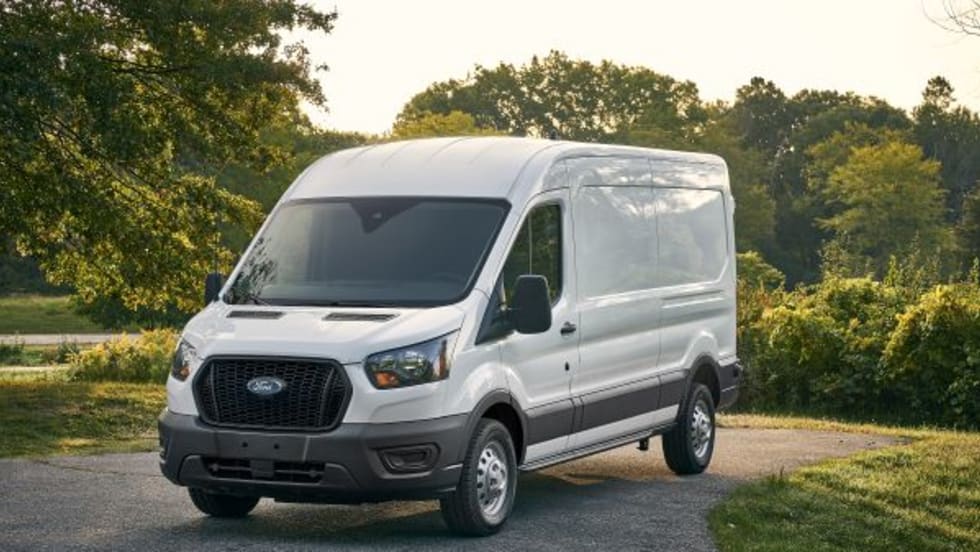
2021 Ford Transit Offers Versatility for Fleets
For the 2021-MY, Ford made ergonomic enhancements for drivers and added an available Parcel Delivery Package. This follows a major refresh in 2020, which added a Crew version, a new standard engine, standard active safety technologies, and embedded telematics to the Transit van family.
Read More →
Recognizing the Other Essential Drivers
Vocational and business fleet drivers don’t get the attention that truckers do. Yet they too are on the front lines, and their jobs often bring them into uncontrolled environments every day.
Read More →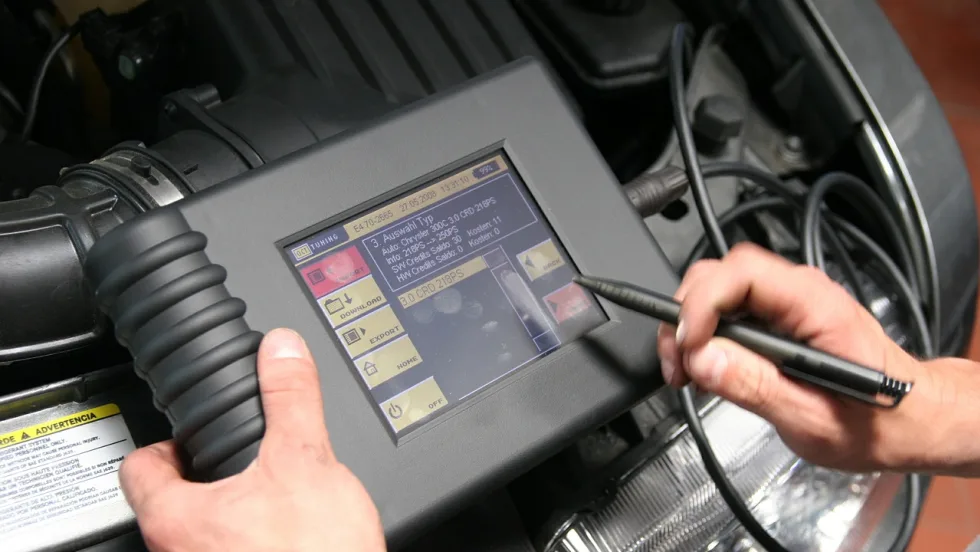
It’s Time to Formulate an ADAS Game Plan
As proliferation of Advanced Driver Assistance Systems (ADAS) increases, skilled labor, equipment, and training costs will increase as well. Fleet operators can’t mitigate these financial burdens by cutting corners on ADAS recalibration and repairs.
Read More →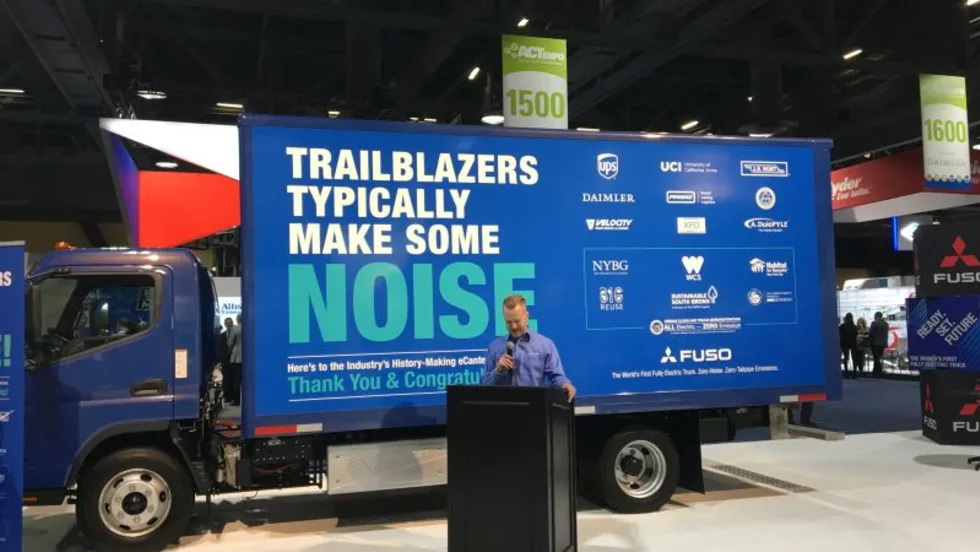
The Future is Electric, But…
With an increasing emphasis on emissions reductions mandates, will fleet operators get caught between clean technologies on their way out and an electric future that hasn’t yet arrived?
Read More →
6 Trend Lines from the 2019 Work Truck Show
From giant leaps in torque and towing to heavy duty truck personalization and chassis cab styling, these trends emerged from this year’s Work Truck Show in Indianapolis.
Read More →
They’re Coming for Your Diesel
In Southern California and other parts of the world, regulators are coalescing to ban, or severely curtail, diesel vehicles. There’s a growing disconnect with the mandates to green the environment and the availability of products and technologies to get us there.
Read More →
Hey Cannabis Companies, Welcome to Fleet
An industry is forming, and it needs help with fleet. In the meantime, the fleet industry should know that these new businesses are navigating extraordinary circumstances, which is forcing them to be better fleet operators pretty darn quick.
Read More →
Takeaways from the Fleet Forward Conference
Most attendees — from established fleets and vendors to new players that were only formed five years ago — didn’t know anyone. But that’s exactly the point.
Read More →
Is it Time to Rethink How Drivers Are Paid?
With the ELD rule affecting miles driven, and drivers’ duties increasingly including more than just driving the vehicle, what can be done to more accurately and fairly reflect a driver’s workday?
Read More →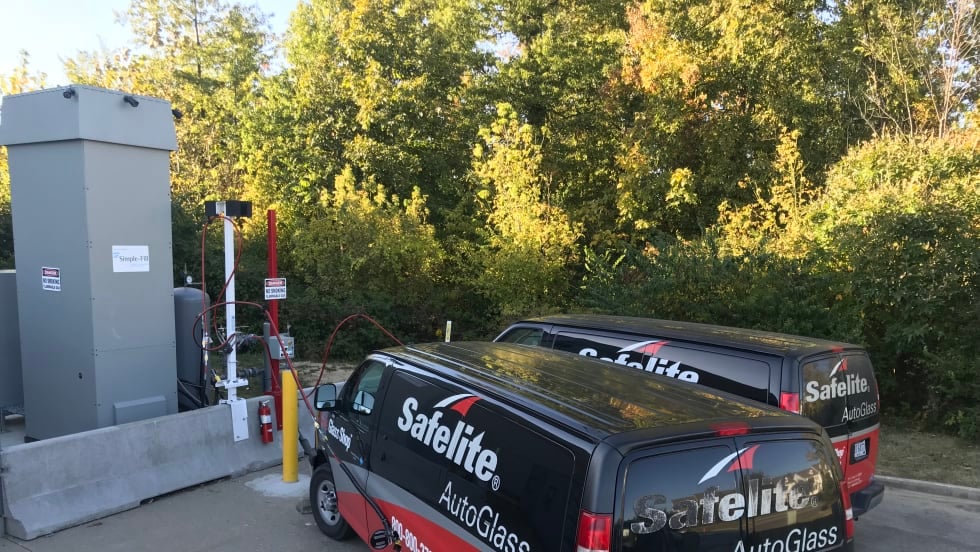
Whatever Happened to CNG?
While the light-duty market for compressed natural gas vehicles has almost evaporated, new near zero emissions technology and drastic reductions in infrastructure costs have reinvigorated the market for medium- and heavy-duty applications — even for smaller fleets.
Read More →