


Auto Manufacturers: Mobility Disruptors or Fleet Providers?
Maven’s Alex Keros shares insights into evolving smart mobility business models and new opportunities with fleet management.

We’re in a brave new world when auto manufacturers — a bedrock of American industry and employment — are viewed as disruptors. But just a few years ago, the world wasn’t as brave and autonomous vehicles were as far away as flying cars. Now drone deliveries are closer than we think, and auto manufacturers have also become mobility providers.
This issue is brought to the fore in light of the changing landscape: Urbanization, technology, and societal shifts are converging to generate a greater sense of urgency to solve transportation issues, in light of the tectonic shifts that autonomous vehicles will bring.
In any industry where the manufacturers begin to manage the use of the product as well, the established providers sit up and take notice — if the product maker now controls its use by providing a service, isn’t that “game over” for everyone else?
This was the first question I asked Alex Keros, manager of vehicle and advanced technology policy at General Motors and Maven, at the ACT Expo last month. “I think it’s too early to say exactly how all of this will play itself out,” said Keros. “My gut tells me that these things will be complementary to each other in the long run.”
That’s because, in part, today’s providers bring different strengths to smart mobility solutions.
“The ridesharing world understands how to get people seamlessly from one point to another with little friction,” Keros said. “The car rental world knows how to manage fleets better than most and understands how to respond to peak and seasonal demands. Automakers certainly understand the product, and now how to employ mobility that satisfies different groups.”
As such, a more productive way to view the changing landscape would be through collaboration, not disruption.
Think about today’s transportation buzzwords: free-floating carsharing, dynamic shuttling, shared leases, Mobility as a Service (MaaS) partnerships, peer-to-peer platforms, and shared-use ride-hailing services. These new modes require cooperation — with other transportation providers, municipalities and city planners, property managers, EV charging infrastructure, telematics providers, and gig economy drivers, to name a few. It becomes clear that in this rapidly evolving ecosystem, cooperation is an imperative.
“If you believe these streets are only yours to operate on, I think you’ll have a rude awakening from how you should be operating in the new mobility spectrum,” Keros said. “Those that come in looking for collaborative solutions — the ones that understand the various stakeholders the best — are going to be able to help push the conversation around mobility the farthest.”
To date, the activity surrounding smart mobility has centered on consumer offerings in urban environments. But the door is opening for creative solutions in commercial, corporate, and government fleet applications.
How can technology better manage pool vehicles? Can a fleet be deployed in a different application after hours? Can an EV fleet supply electricity back to the grid? Can a carsharing service scale properly to supply vehicles to private fleets?
“Maven is designed as a flexible platform to help solve these different problems,” Keros said. “We’re thinking about solution sets for different groups and integrating their needs to do what is collectively good for fleets, mobility customers, cities and communities, and ourselves.”
Electrification is a key component of the new mobility ecosystem, particularly in urban environments. The Chevrolet Bolt EV is the centerpiece of GM’s electrification efforts.
However, for commercial and car rental fleets, pure electric vehicles have posed a range and charging infrastructure challenge. Early tests in rental fleets were scuttled. For ride-hailing companies, anything that infringes on customer wait time (in this case, needing to charge) becomes a non-starter.
“There are so many moving levers,” Keros said. “When you layer in electrification, some [fleet owners] say that it’s too complicated for them right now. ‘I’ll let somebody else solve that infrastructure problem.’”
One lesson from electric vehicles 1.0 was that merely producing and selling an electric vehicle doesn’t advance their penetration. Another job for Maven, Keros said, is helping to manage the ecosystem for smarter EV deployment. “We’re actively figuring how well-positioned electric vehicles can satisfy fleet needs,” he said.
Here again, the need for cooperation comes across loud and clear. Message to fleet stakeholders: “There is a lot of opportunity to work together to figure this out,” Keros said.
More Blog Posts
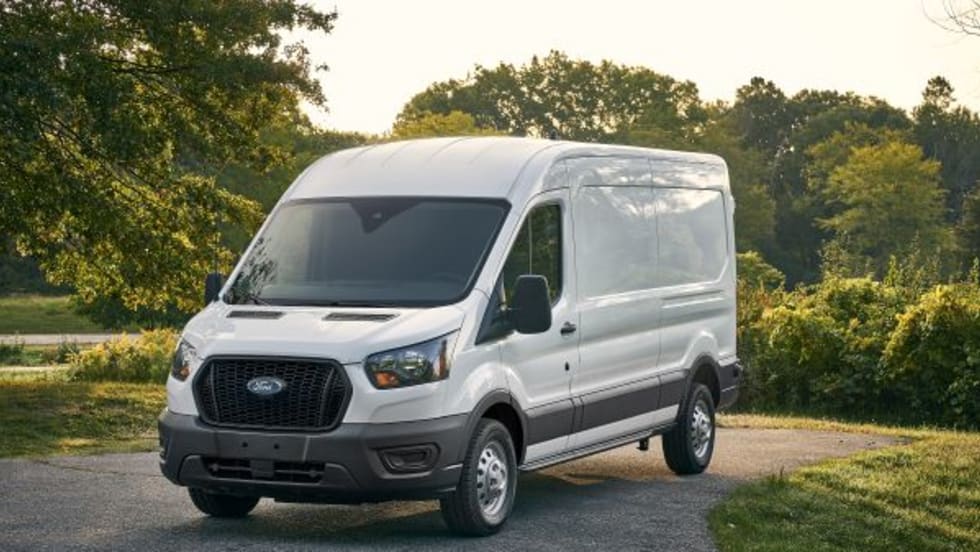
2021 Ford Transit Offers Versatility for Fleets
For the 2021-MY, Ford made ergonomic enhancements for drivers and added an available Parcel Delivery Package. This follows a major refresh in 2020, which added a Crew version, a new standard engine, standard active safety technologies, and embedded telematics to the Transit van family.
Read More →
Recognizing the Other Essential Drivers
Vocational and business fleet drivers don’t get the attention that truckers do. Yet they too are on the front lines, and their jobs often bring them into uncontrolled environments every day.
Read More →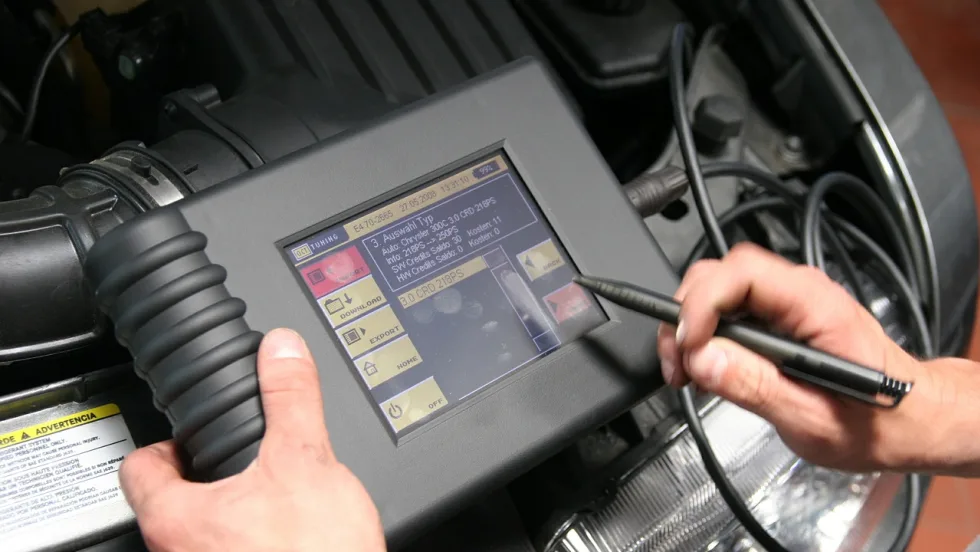
It’s Time to Formulate an ADAS Game Plan
As proliferation of Advanced Driver Assistance Systems (ADAS) increases, skilled labor, equipment, and training costs will increase as well. Fleet operators can’t mitigate these financial burdens by cutting corners on ADAS recalibration and repairs.
Read More →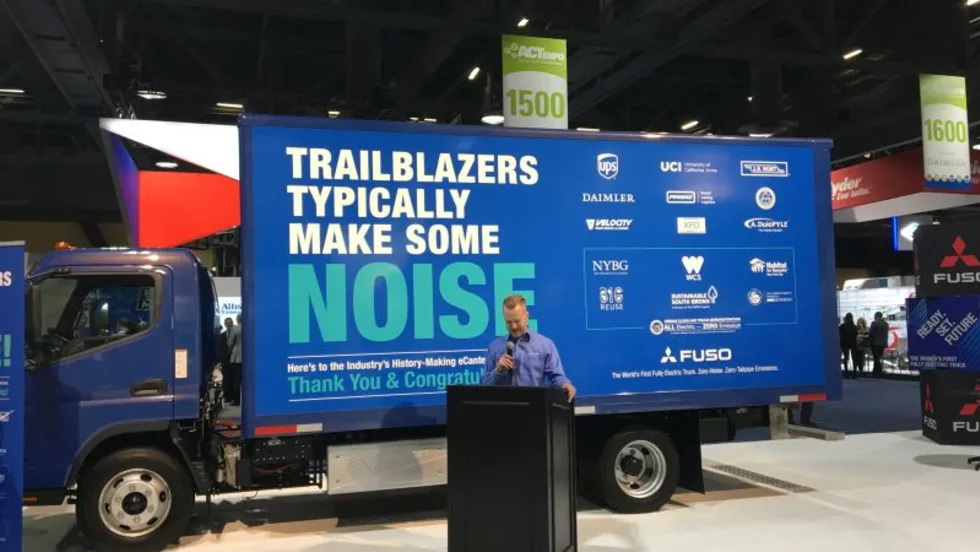
The Future is Electric, But…
With an increasing emphasis on emissions reductions mandates, will fleet operators get caught between clean technologies on their way out and an electric future that hasn’t yet arrived?
Read More →
6 Trend Lines from the 2019 Work Truck Show
From giant leaps in torque and towing to heavy duty truck personalization and chassis cab styling, these trends emerged from this year’s Work Truck Show in Indianapolis.
Read More →
They’re Coming for Your Diesel
In Southern California and other parts of the world, regulators are coalescing to ban, or severely curtail, diesel vehicles. There’s a growing disconnect with the mandates to green the environment and the availability of products and technologies to get us there.
Read More →
Hey Cannabis Companies, Welcome to Fleet
An industry is forming, and it needs help with fleet. In the meantime, the fleet industry should know that these new businesses are navigating extraordinary circumstances, which is forcing them to be better fleet operators pretty darn quick.
Read More →
Takeaways from the Fleet Forward Conference
Most attendees — from established fleets and vendors to new players that were only formed five years ago — didn’t know anyone. But that’s exactly the point.
Read More →
Is it Time to Rethink How Drivers Are Paid?
With the ELD rule affecting miles driven, and drivers’ duties increasingly including more than just driving the vehicle, what can be done to more accurately and fairly reflect a driver’s workday?
Read More →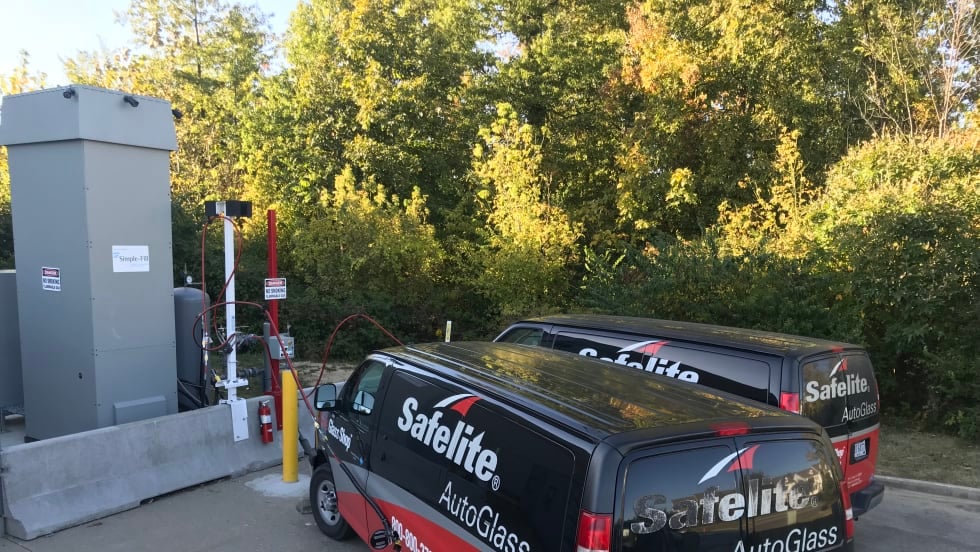
Whatever Happened to CNG?
While the light-duty market for compressed natural gas vehicles has almost evaporated, new near zero emissions technology and drastic reductions in infrastructure costs have reinvigorated the market for medium- and heavy-duty applications — even for smaller fleets.
Read More →