


Autonomous Vehicles and the Changing Role of the Fleet Manager
With fewer drivers and substantially longer fleet lifecycles, fleet managers will pivot to new job functions.

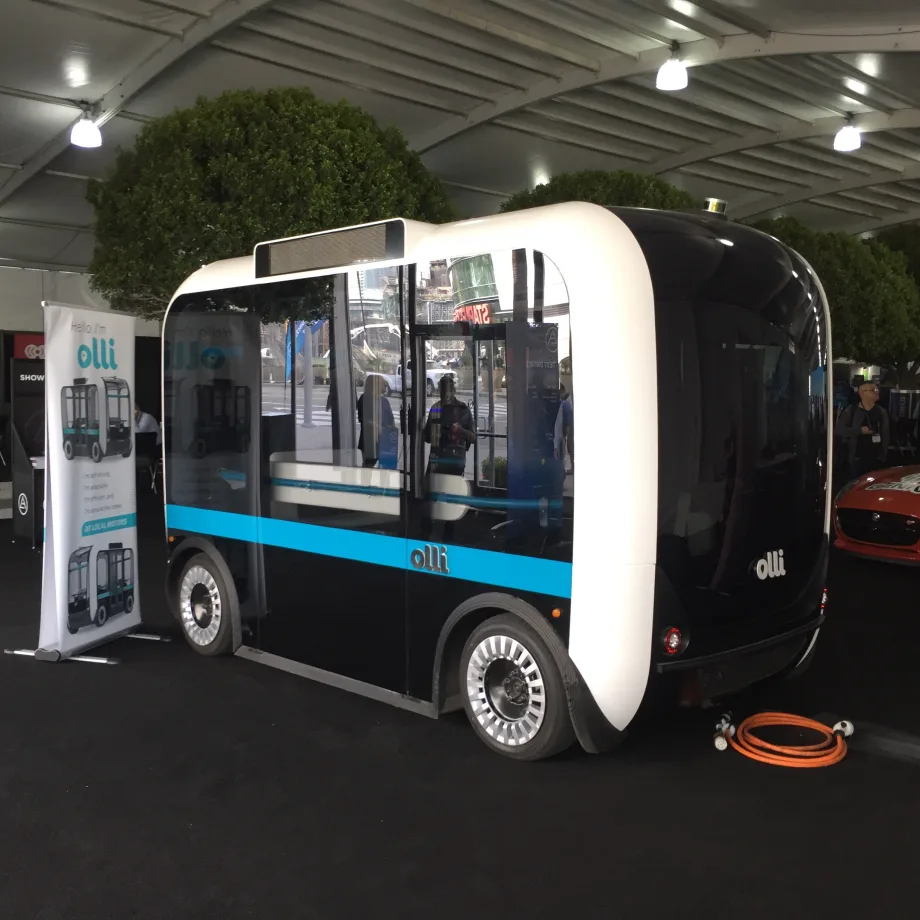
Olli is an autonomous electric shuttle created by Local Motors. By the end of the year, Olli will be in testing in four jurisdictions.
Meet Olli, an electric, autonomous minibus from the future. Olli’s creator, Chandler, Ariz.-based Local Motors, let Olli out for the Technology Pavilion at the LA Auto Show last month with a 300-foot driverless spin.
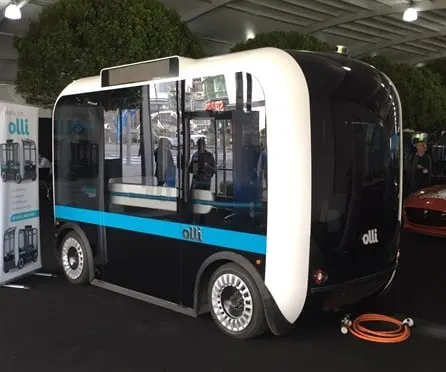
Olli is an autonomous electric shuttle created by Local Motors. By the end of the year, Olli will be in testing in four jurisdictions.
Olli embodies disruption. Olli was conceived through an open-source design platform and constructed in a “micro factory,” with many parts 3-D printed. According to Local Motors’ founder Jay Rogers, who spoke before the autonomous drive, Olli would be created on-demand and isn’t designed to be sold through the traditional dealer network. Olli would be continually recycled instead of sold or traded in.
You can quibble about when Olli and vehicles like it would see wide adoption, but as a business-to-business editor, sitting in Olli did prompt questions on how autonomous vehicles would be used in work environments, and how they would be managed. For the purposes of this exercise, let’s assume we ultimately solve all the immediate questions on the technological, infrastructure, and liability hurdles regarding autonomous vehicles.
Certainly, fleets are primed to be first adopters — Olli has already been sold for testing to various public transit systems, including Las Vegas, Miami-Dade County, and a city in Denmark.
Ultimately, autonomous vehicles will live in fleets in multiples of today’s lifecycles, and workers whose primary job function is driving will need to be redeployed. Think about how that scenario will change procurement, fleet sales, residual value forecasting, driver screening and testing, safety and accident management, subrogation, and tax, title, and licensing services. With a negligible number of accidents, imagine what happens to the insurance industry as it stands today. Did we say Olli embodies disruption?
Vehicles with vocation-specific upfits (think fire and ambulance, utility services, or contractor applications) would still be owned and managed more traditionally, as they would still have specific spec’ing and operation requirements. They may be the last bastion where one-on-one human interaction is needed.
For more commoditized applications, such as moving people or cargo, the vehicles may not even be domiciled in house, but called upon as needed. Traditional ownership and lease plans would give way to fractional use schemes. The actual “owner” would handle vehicle maintenance, while the fleet manager would be free to handle logistics and the fleet’s work-specific functions.
With much longer lifecycles, those traditional tasks would be minimized. The art and science of buying and selling would hold less importance, along with understanding Olli’s value at any given point in its useful life. So where does this leave the fleet manager of the future?
Fleet managers will be free to understand ways to better use data to improve efficiencies, decrease costs, and boost profitability. Without the need for drivers to be behind the wheel, workers are free to work. Fleet managers could be tasked with managing productivity while in transit.
Everything will be measured. How much are vehicles and workers costing per mile, compared to the revenue they generate? For consumer applications, such as car rental, how much can you charge a renter, and what services can you add on top? For shipment of goods, how much can you charge to move them? For vocational technicians, what are the costs compared to revenues at job sites? What are the costs when combined with costs to move equipment and technicians to and from that site? For fleet managers, figuring this stuff out will be where the futuristic rubber-like compound meets the road.
Then again, this is all happening today with increasing complexity through telematics and data analysis. The entities facing this disruption — fleet management and leasing companies, car rental companies, auto dealerships, auctions, and fleet managers — have access to this data, and are using it today.
Those who are able to capitalize on this data most intelligently will be best poised for the future.
More Blog Posts
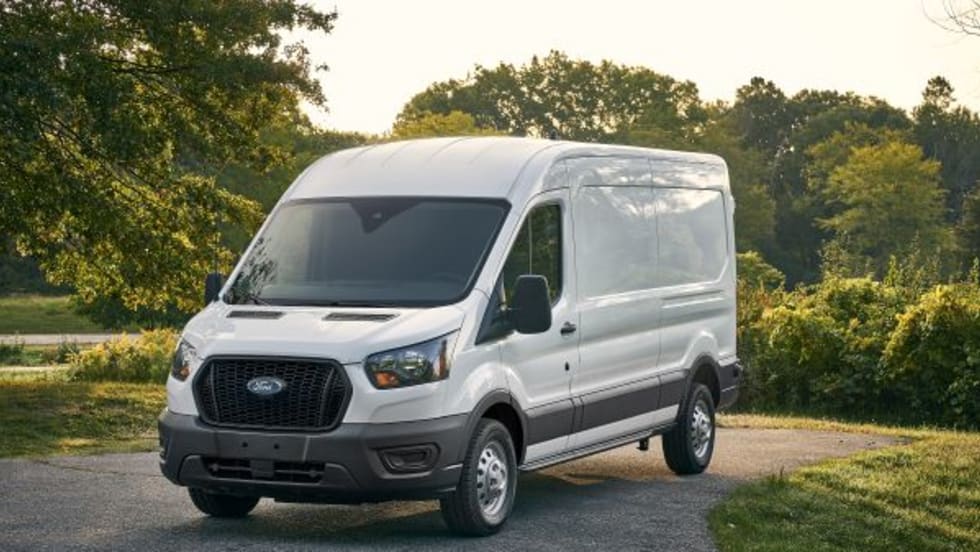
2021 Ford Transit Offers Versatility for Fleets
For the 2021-MY, Ford made ergonomic enhancements for drivers and added an available Parcel Delivery Package. This follows a major refresh in 2020, which added a Crew version, a new standard engine, standard active safety technologies, and embedded telematics to the Transit van family.
Read More →
Recognizing the Other Essential Drivers
Vocational and business fleet drivers don’t get the attention that truckers do. Yet they too are on the front lines, and their jobs often bring them into uncontrolled environments every day.
Read More →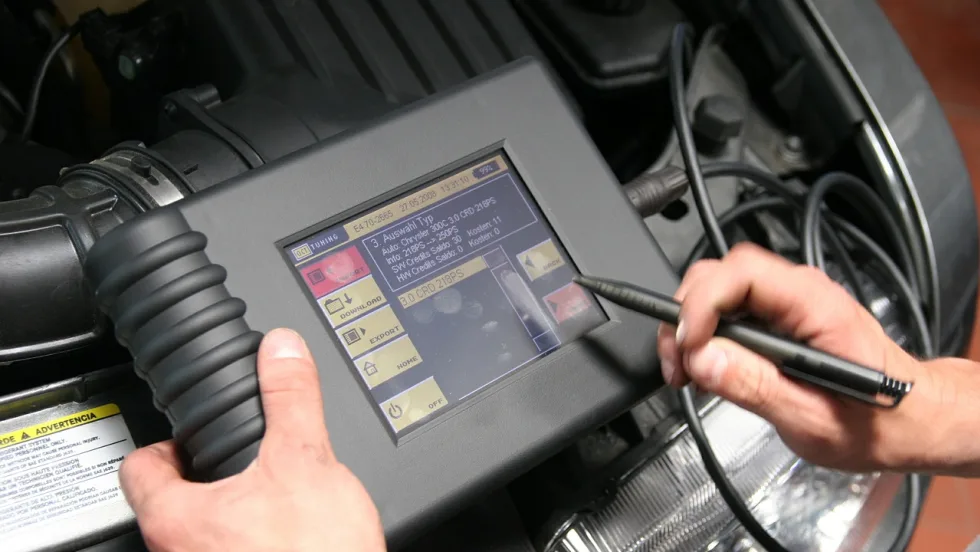
It’s Time to Formulate an ADAS Game Plan
As proliferation of Advanced Driver Assistance Systems (ADAS) increases, skilled labor, equipment, and training costs will increase as well. Fleet operators can’t mitigate these financial burdens by cutting corners on ADAS recalibration and repairs.
Read More →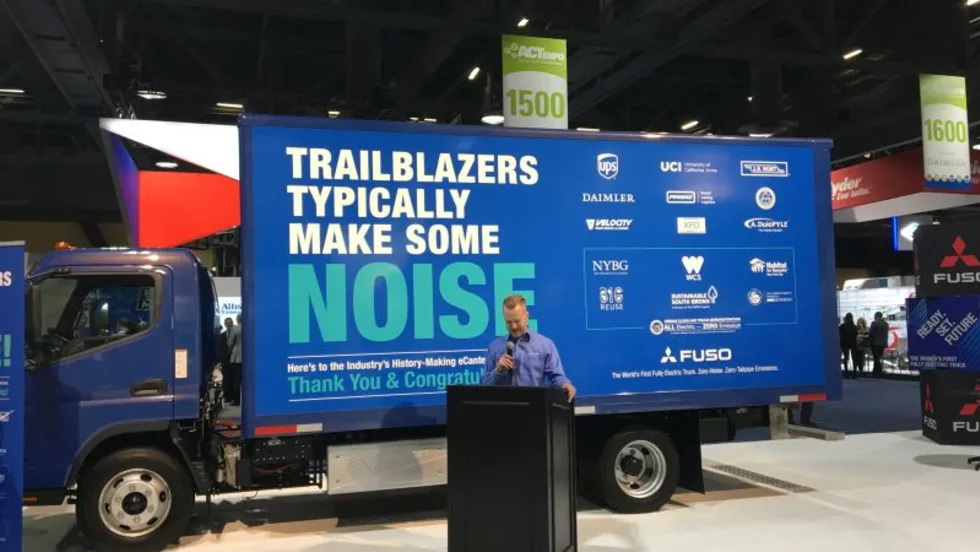
The Future is Electric, But…
With an increasing emphasis on emissions reductions mandates, will fleet operators get caught between clean technologies on their way out and an electric future that hasn’t yet arrived?
Read More →
6 Trend Lines from the 2019 Work Truck Show
From giant leaps in torque and towing to heavy duty truck personalization and chassis cab styling, these trends emerged from this year’s Work Truck Show in Indianapolis.
Read More →
They’re Coming for Your Diesel
In Southern California and other parts of the world, regulators are coalescing to ban, or severely curtail, diesel vehicles. There’s a growing disconnect with the mandates to green the environment and the availability of products and technologies to get us there.
Read More →
Hey Cannabis Companies, Welcome to Fleet
An industry is forming, and it needs help with fleet. In the meantime, the fleet industry should know that these new businesses are navigating extraordinary circumstances, which is forcing them to be better fleet operators pretty darn quick.
Read More →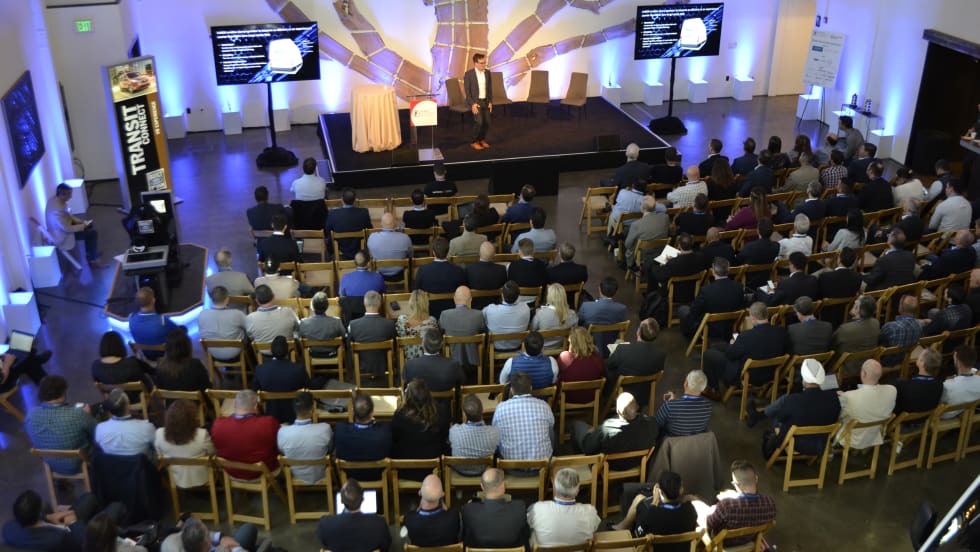
Takeaways from the Fleet Forward Conference
Most attendees — from established fleets and vendors to new players that were only formed five years ago — didn’t know anyone. But that’s exactly the point.
Read More →
Is it Time to Rethink How Drivers Are Paid?
With the ELD rule affecting miles driven, and drivers’ duties increasingly including more than just driving the vehicle, what can be done to more accurately and fairly reflect a driver’s workday?
Read More →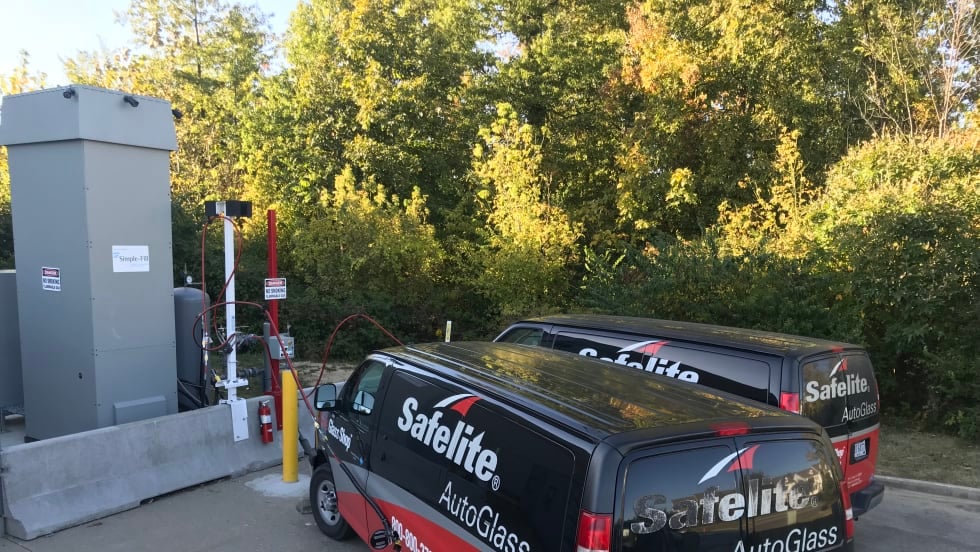
Whatever Happened to CNG?
While the light-duty market for compressed natural gas vehicles has almost evaporated, new near zero emissions technology and drastic reductions in infrastructure costs have reinvigorated the market for medium- and heavy-duty applications — even for smaller fleets.
Read More →