


Can Small Fleets Get a Reasonable ROI with CNG?
While most small fleets do not present the “perfect” case for switching to compressed natural gas, there are several tactics to make the return on investment more favorable.

If you’ve been reading this blog you’ve heard this fleet mantra before — environmental sustainability is only sustainable if you can make it work for your company’s bottom line. Yet trying to figure out the return on investment for the myriad of alt-fuel and alt-power vehicles out there will make your head spin, especially for those small fleets without a dedicated fleet manager.
A new crop of CNG-powered vehicles have elbowed their way onto the alternative fuel scene this year, and with the promise of public pump prices as low as $1.50 GGE (gas-gallon equivalent) or lower, fleets have no choice but to take notice.
The investment in CNG becomes a no-brainer with, for instance, a transportation business with vehicles that gain 100,000 miles or more (or use about 5,000 gallons of fuel) per year and are centrally fueled. With CNG conversion costs of about $10,000 per vehicle and the ability to fuel up on CNG for $2 cheaper than regular gas, this case will realize an ROI in a year or less.
However, the makeup of most small vocational and delivery fleets doesn’t quite fit this “perfect” financial model. With a smaller yearly fuel bill, how then does the ROI become more favorable?
The first order of business is to seek out available rebates and tax credits. While the federal government does not offer any form of incentive at this time, some states offer alternative fuel vehicle tax credits and some utilities offer rebates for CNG vehicle conversions and installation of fuel pumps as well as fuel rate reductions. Some 21 states have incentives, though five of those are HOV lane exemptions only. Nonetheless, for some fleets — just ask the road warriors in California — getting that carpool lane sticker is worth its weight in gold.
While purchasing a new bi-fuel CNG pickup for $10,000 to $12,000 more than a standard gas or diesel pickup is a tough nut to swallow, there are creative options. Fleets are converting existing vehicles and keeping them in service longer, aided by the fact that CNG burns cleaner and can lead to longer engine life.
Some companies will finance the conversions, with terms such as zero down and 7% interest for 48 months. This is an option to help ease the capitalized cost burden if the ROI isn’t expected until year three or four or longer. While the difference between the monthly cost of the conversion and the savings from running CNG is narrowed by the interest payment, it’s still a net gain from the starting gate.
On the horizon, look for fleets to transfer CNG conversions from vehicle to vehicle. Some conversion companies are already offering this service. Transfers are dependent on tank warranties and proper inspections and approvals, but the cost projections become extremely favorable when you only need to factor the cost of the transfer to the new vehicle.
Another maneuver is to buy used bi-fuel or dedicated CNG vehicles at auction. Before the renewed interest in CNG, many utilities and municipalities had a surplus of CNG vehicles — with abnormally low miles — and sold them through government auctions. While some fleets reported premiums of $2,000 over equivalent traditional gasoline models, some saw no premium at all.
“When we first started finding them we were getting them almost at a discount to gasoline vehicles because there weren’t places to fill up,” says Tom Renwald, owner of Summer Song, an Indiana-based neighborhood ice cream vendor.
But these hidden good deals may no longer be the case. “The word has gotten out,” on CNG, says Bob Wisz of Doreen’s Frozen Pizza in the Chicago area.
Most of the CNG vehicles found at auction are from the domestic auto manufacturers’ previous go-around at OEM-built CNG vehicles. The caveat: the equipment is last generation, which means, depending on manufacturer and conversion, inaccurate fuel gauges, performance issues, maintenance quirks and less range. But these fleets are happy with the compromise — and realizing significant savings.
Of course, the bottom line gets even better as oil prices creep ever higher.
For more of the latest Auto Focus blogs, click here.
More Blog Posts

2021 Ford Transit Offers Versatility for Fleets
For the 2021-MY, Ford made ergonomic enhancements for drivers and added an available Parcel Delivery Package. This follows a major refresh in 2020, which added a Crew version, a new standard engine, standard active safety technologies, and embedded telematics to the Transit van family.
Read More →
Recognizing the Other Essential Drivers
Vocational and business fleet drivers don’t get the attention that truckers do. Yet they too are on the front lines, and their jobs often bring them into uncontrolled environments every day.
Read More →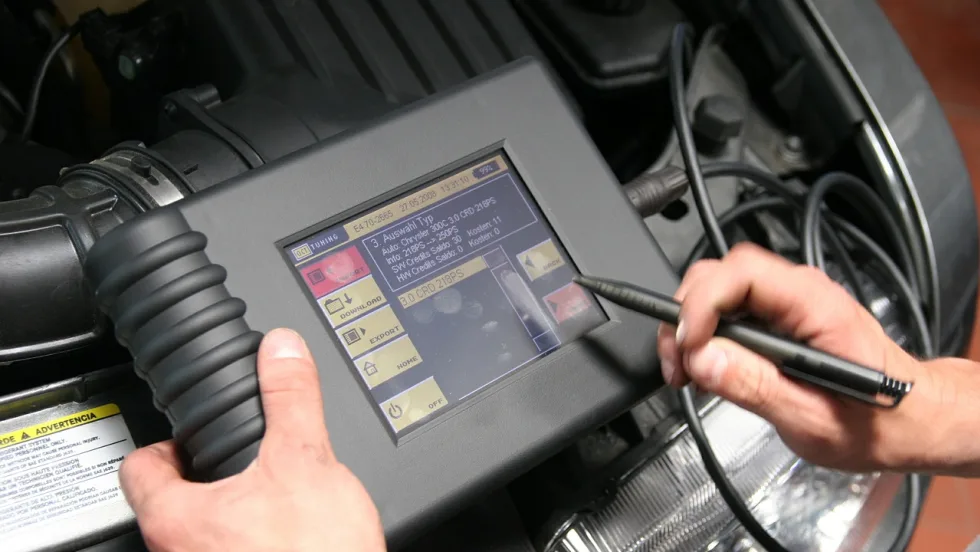
It’s Time to Formulate an ADAS Game Plan
As proliferation of Advanced Driver Assistance Systems (ADAS) increases, skilled labor, equipment, and training costs will increase as well. Fleet operators can’t mitigate these financial burdens by cutting corners on ADAS recalibration and repairs.
Read More →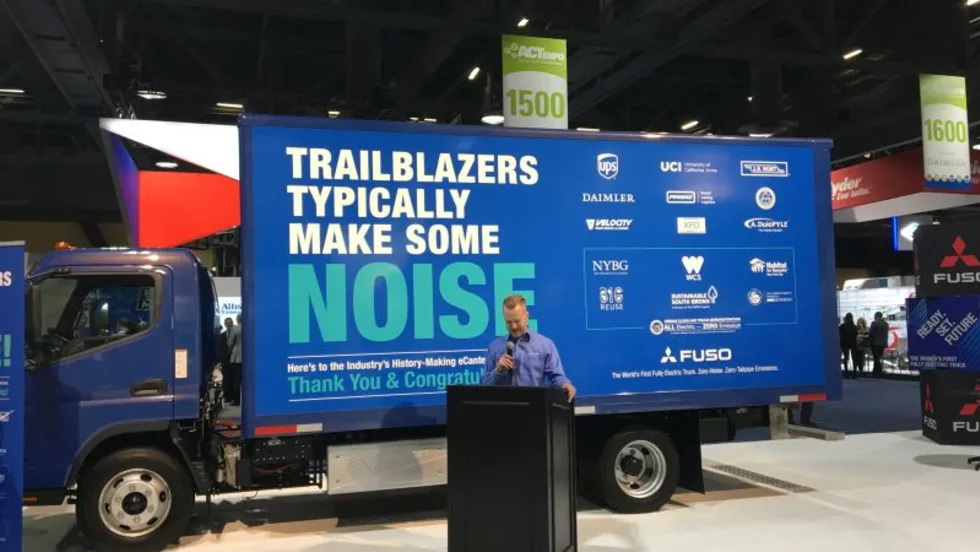
The Future is Electric, But…
With an increasing emphasis on emissions reductions mandates, will fleet operators get caught between clean technologies on their way out and an electric future that hasn’t yet arrived?
Read More →
6 Trend Lines from the 2019 Work Truck Show
From giant leaps in torque and towing to heavy duty truck personalization and chassis cab styling, these trends emerged from this year’s Work Truck Show in Indianapolis.
Read More →
They’re Coming for Your Diesel
In Southern California and other parts of the world, regulators are coalescing to ban, or severely curtail, diesel vehicles. There’s a growing disconnect with the mandates to green the environment and the availability of products and technologies to get us there.
Read More →
Hey Cannabis Companies, Welcome to Fleet
An industry is forming, and it needs help with fleet. In the meantime, the fleet industry should know that these new businesses are navigating extraordinary circumstances, which is forcing them to be better fleet operators pretty darn quick.
Read More →
Takeaways from the Fleet Forward Conference
Most attendees — from established fleets and vendors to new players that were only formed five years ago — didn’t know anyone. But that’s exactly the point.
Read More →
Is it Time to Rethink How Drivers Are Paid?
With the ELD rule affecting miles driven, and drivers’ duties increasingly including more than just driving the vehicle, what can be done to more accurately and fairly reflect a driver’s workday?
Read More →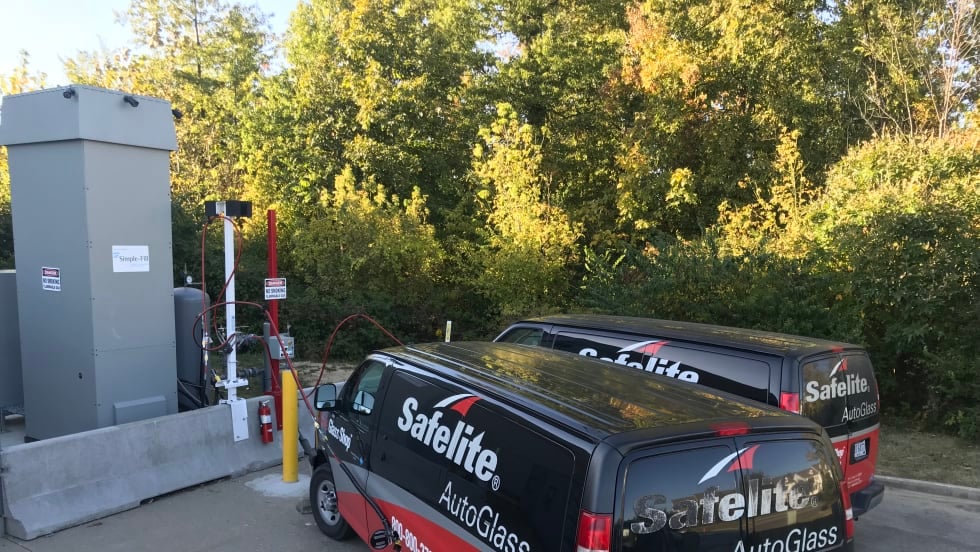
Whatever Happened to CNG?
While the light-duty market for compressed natural gas vehicles has almost evaporated, new near zero emissions technology and drastic reductions in infrastructure costs have reinvigorated the market for medium- and heavy-duty applications — even for smaller fleets.
Read More →