


Car Rental’s Call to Action on Autonomous Vehicles
The car rental industry has built-in advantages to support a world with driverless cars, but it needs to take the next step in partnering with autonomous vehicle stakeholders.

Last week, Ford introduced its plan to produce and sell a mass-market autonomous vehicle (AV) — engineered with no steering wheel, brake, or gas pedals — by 2021. That’s less than five years away, which in automotive terms is “very soon.” While other AV stakeholders seem to be further along, the Ford plan has an air of Elon Musk audaciousness. Whether you believe Ford will get there in time, this seems to pull the AV implementation timeline even closer.
And that means we sober-minded business journalists need to start paying closer attention to the ramifications in our respective markets, including car rental.
The world of driverless vehicles may look like this: AVs would be garaged opportunistically based on demand. A user would hail an AV from an app, and the vehicle would arrive to pick up the user. The user would route the vehicle based on the task and dispatch the vehicle when finished.
In this scenario, who is the service provider?
Is it the auto manufacturers? As they will produce the AVs, they could leap into the logistics of buying, selling, maintaining, and routing vehicles. However, except for pilot programs in various applications such as carsharing, manufacturers have seemed more comfortable to remain the supplier and let their technology partners manage the asset and the processes.
Will it be ride-hailing services such as Uber or Lyft, even though they don’t own any cars (at present)? Uber’s very survival depends on this pivot — CEO Travis Kalanick has said that if his company is not part of the autonomous vehicle future, it ceases to exist.
With this in mind, Uber has already assembled a team of engineers on the cutting edge of AV technology. It recently bought Otto, a driverless truck startup, and partnered with Volvo on a driverless vehicle that will begin testing in Pittsburgh this month.
Could it be car rental companies? Fleet management is little known to the general public, but it’s intrinsic to commercial, government, and car rental applications. Car rental companies buy, maintain, and sell the most vehicles in the world. They also manage the customer experience — identity verification, contracts, vehicle prep, and customer contacts — through millions of transactions.
And, as the largest stakeholders in carsharing, they now understand the logistics of connecting a dispersed fleet with users on a short-term basis and maintaining that infrastructure.
Car rental would seem well positioned to take advantage, though the AV future will see significant changes from today’s world of privately-owned, human-driven cars, which will dramatically alter the traditional car rental lifecycle.
Without drivers, most personal transportation would morph into pay-as-you-go. Without personal ownership, the used car market will change dramatically, and this would drive negotiations with auto manufacturers into new directions. The days of the six-month program car would be long gone — AVs would most likely have lives in fleet for years, at least as long as transit buses. When AVs “retire,” their parts would simply be recycled. How will auto auctions adapt?
In this utopian world, accidents are negligible, which reduces a good chunk of fleet expense — though the insurance replacement market as we know it would cease to exist.
And, even if the car rental industry morphs to meet the changing times, that doesn’t mean its fleet management advantages are protected. The industry has a leg up, to be sure. But there are teams of smart people in the automotive and tech worlds working on solutions.
High-profile partnerships in the autonomous vehicle world seem to happen daily. Earlier this year, General Motors bought self-driving tech startup Cruise for $1 billion and is testing a driverless taxi with Lyft. Google, Tesla, and Apple’s initiatives have been well publicized. Nearly every auto manufacturer has some sort of autonomous vehicle program or partnership — yet car rental is not yet part of the equation.
That doesn’t mean that the big car rental companies haven’t put brainpower into this. (In this forum, the American Car Rental Association came out with a very detailed view of the legal issues surrounding driverless cars.) It’s time to take the next step. Car rental needs to insert itself into the future of autonomous vehicles and partner with AV stakeholders.
In autonomous vehicles, the promise for car rental is clear — the end of the rental counter. The lines become erased between car rental and carsharing, and car rental companies make the final transition to mobility providers. Can the car rental industry take advantage? Let’s envision the opportunity.
More Blog Posts
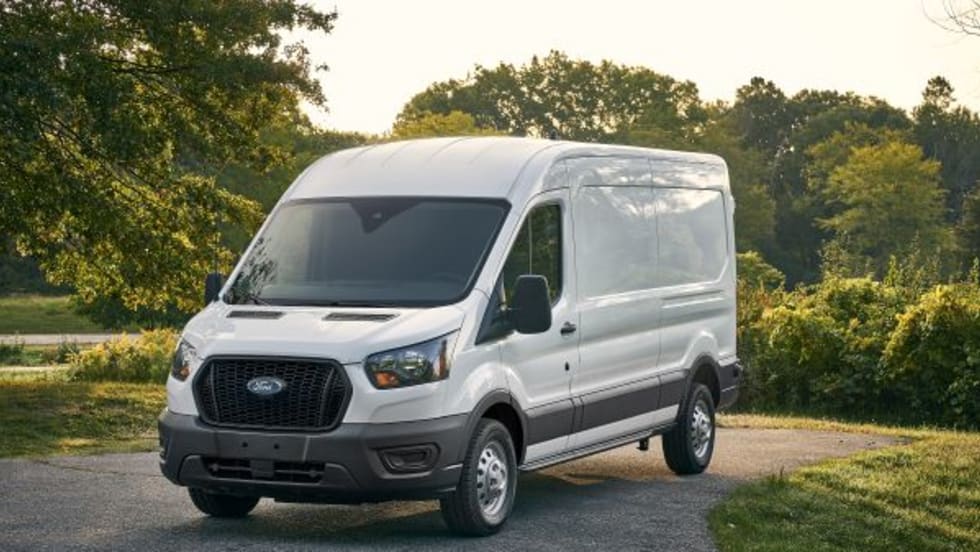
2021 Ford Transit Offers Versatility for Fleets
For the 2021-MY, Ford made ergonomic enhancements for drivers and added an available Parcel Delivery Package. This follows a major refresh in 2020, which added a Crew version, a new standard engine, standard active safety technologies, and embedded telematics to the Transit van family.
Read More →
Recognizing the Other Essential Drivers
Vocational and business fleet drivers don’t get the attention that truckers do. Yet they too are on the front lines, and their jobs often bring them into uncontrolled environments every day.
Read More →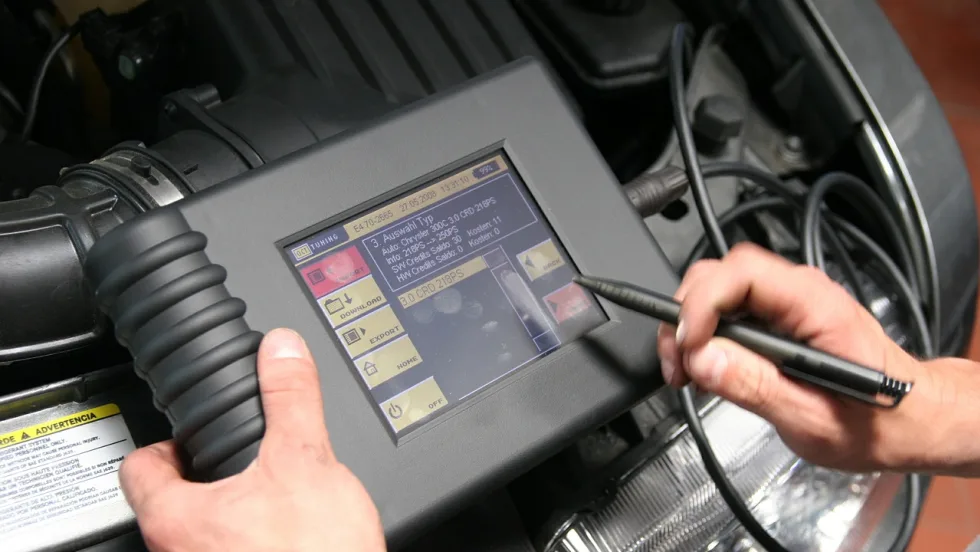
It’s Time to Formulate an ADAS Game Plan
As proliferation of Advanced Driver Assistance Systems (ADAS) increases, skilled labor, equipment, and training costs will increase as well. Fleet operators can’t mitigate these financial burdens by cutting corners on ADAS recalibration and repairs.
Read More →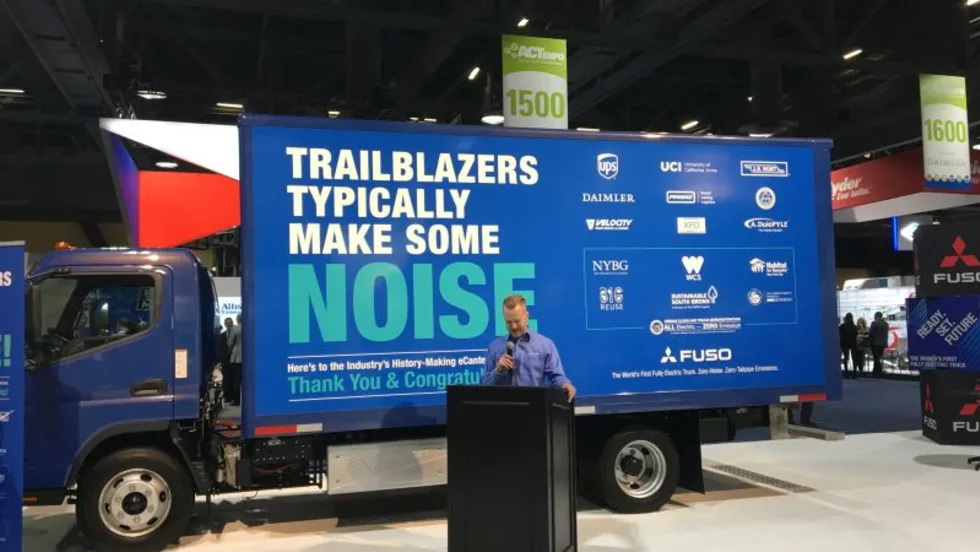
The Future is Electric, But…
With an increasing emphasis on emissions reductions mandates, will fleet operators get caught between clean technologies on their way out and an electric future that hasn’t yet arrived?
Read More →
6 Trend Lines from the 2019 Work Truck Show
From giant leaps in torque and towing to heavy duty truck personalization and chassis cab styling, these trends emerged from this year’s Work Truck Show in Indianapolis.
Read More →
They’re Coming for Your Diesel
In Southern California and other parts of the world, regulators are coalescing to ban, or severely curtail, diesel vehicles. There’s a growing disconnect with the mandates to green the environment and the availability of products and technologies to get us there.
Read More →
Hey Cannabis Companies, Welcome to Fleet
An industry is forming, and it needs help with fleet. In the meantime, the fleet industry should know that these new businesses are navigating extraordinary circumstances, which is forcing them to be better fleet operators pretty darn quick.
Read More →
Takeaways from the Fleet Forward Conference
Most attendees — from established fleets and vendors to new players that were only formed five years ago — didn’t know anyone. But that’s exactly the point.
Read More →
Is it Time to Rethink How Drivers Are Paid?
With the ELD rule affecting miles driven, and drivers’ duties increasingly including more than just driving the vehicle, what can be done to more accurately and fairly reflect a driver’s workday?
Read More →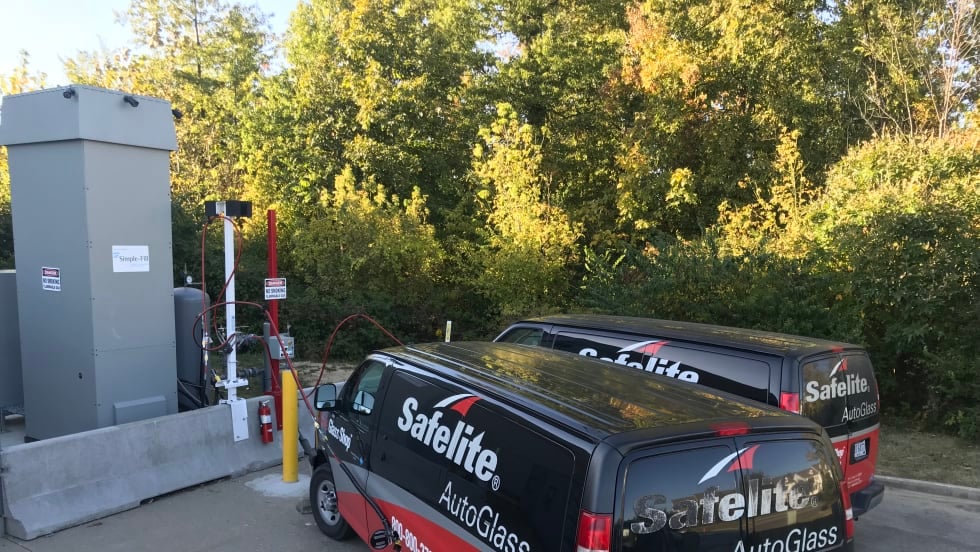
Whatever Happened to CNG?
While the light-duty market for compressed natural gas vehicles has almost evaporated, new near zero emissions technology and drastic reductions in infrastructure costs have reinvigorated the market for medium- and heavy-duty applications — even for smaller fleets.
Read More →