


Fleet Manager = Big Data Manager
Today's fleet manager is tasked with harnessing large amounts of data and turning the findings into actionable results. With so much technology driving so much information, the responsibility and burden are now greater than ever.

According to IBM, 90% of the data today has been created in the last two years alone, and that data stream will only increase as more and more devices are equipped to capture data and send it. Everything is data – from digital photos of vehicle damage and transaction records on fuel cards to social media posts mentioning your company to GPS coordinates of your drivers – and it’s all usable.
This is “Big Data,” an unavoidable business buzz phrase these days. Fleet management is riding the wave. The volume of data at a fleet manager’s fingertips today is unprecedented, as is the need to act on it with lightning speed. The ability to harness the data, make sense of it and act on it to get results is what separates the good fleet managers from the ones who will be left behind.
Fleet managers are using data from disparate sources to increase productivity, fuel efficiency and safety. And they are doing it by taking the data to the next level - integrating various data sets. Telematics systems tell you where your drivers are, but now location data is being combined with sales data to measure the value of a customer stop. Location can be used to push cheap refueling options to the driver when the fuel tank is low. Employee time card information is used to track how long it takes a service technician to tackle a certain VMRS (parts) code and also measures that technician’s peak productivity times in the week. RFID chips can not only identify the location of inventory, but also compare the movement of inventory to sales figures to measure cost effectiveness.
In the safety arena, location data is being mashed with state and county laws regarding not only speed limits but also texting and cellular use to alert drivers when they drive into a new jurisdiction. Safety management platforms are using driver data to produce “scorecards” in which drivers can benchmark their performance against their peers.
Today auto manufacturers are researching the use of real-time sensor data, from sources such as radar and on-board cameras, to help reduce driver distraction. The not-too-distant future holds the concept of the vehicle as a collection of many sensors. And when those sensors “talk” and transmit data in aggregate, they will be able to report localized temperature readings, warn of an accident ahead or even read the directional wave of an earthquake.
No doubt that this data will be pulled from vehicles to pinpoint lifecycle costs down to model year, usage patterns and region.
Managers of smaller fleets might not think that they can grab enough data to make informed decisions. This is the time to lean on your systems vendors: can they benchmark your data against other companies? How are other companies better leveraging their information using the same system? Don’t be afraid to rely on some RSPs (Really Smart People) to help you crunch the data and make sense of it.
The sheer amount of data can feel overwhelming, so it needs to be organized in a way to understand it and act on it. For the fleet manager, the answer is not more spreadsheets. Vendors are creating graphical user interfaces for their systems that allow the data to be viewed and crunched more easily. Leasing companies are rolling out systems that integrate all of the information a fleet generates – across all platforms and devices – into a single view of the entire operation in real time.
Large data sets come from systems that aren’t cheap, and the fleet manager is tasked with making sure those systems provide a return on investment. If you don’t do anything with the data, there is no business case. And it may open you to liability. If your telematics system indicates that your drivers are unsafe, you better act before the crash and subsequent lawsuit.
During a forum on technology at the recent NAFA fleet manager’s conference in Atlantic City, Abe Stephenson, fleet manager at DISH Network, gave some good guideposts when using Big Data: “Don’t let small exceptions set the rule,” he said. “Don’t just look at a single metric or data point. And don’t assume reporting can give you everything you need.”
Gut instinct is out; data and metrics are in. It’s about measuring wherever possible and how fast you can crunch the data. In fleet management today, putting this data to good use is not just a good thing to do, it’s a job requirement.
More Blog Posts
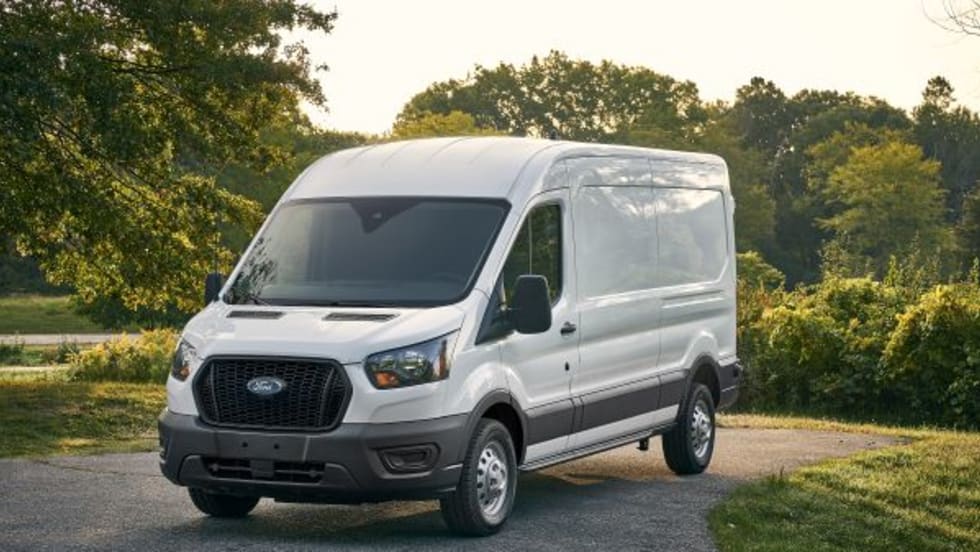
2021 Ford Transit Offers Versatility for Fleets
For the 2021-MY, Ford made ergonomic enhancements for drivers and added an available Parcel Delivery Package. This follows a major refresh in 2020, which added a Crew version, a new standard engine, standard active safety technologies, and embedded telematics to the Transit van family.
Read More →
Recognizing the Other Essential Drivers
Vocational and business fleet drivers don’t get the attention that truckers do. Yet they too are on the front lines, and their jobs often bring them into uncontrolled environments every day.
Read More →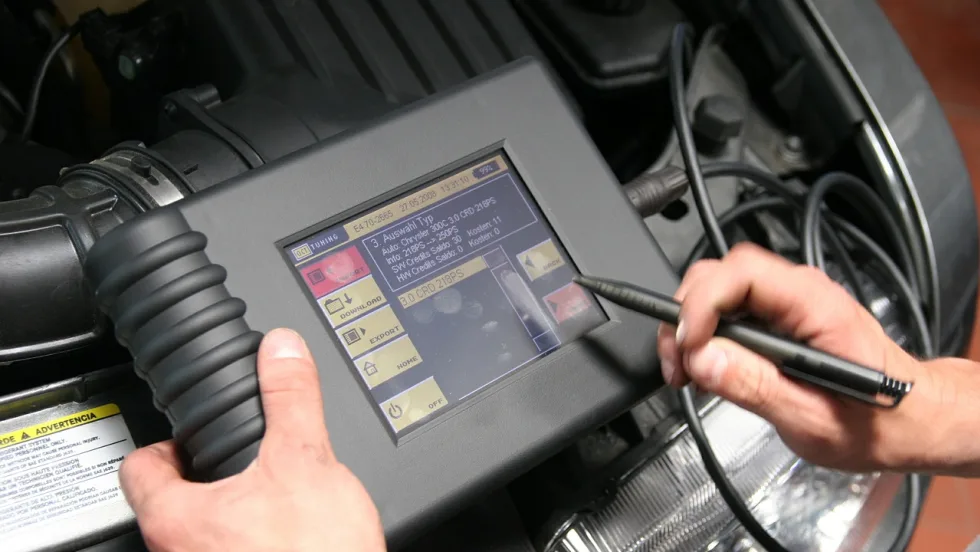
It’s Time to Formulate an ADAS Game Plan
As proliferation of Advanced Driver Assistance Systems (ADAS) increases, skilled labor, equipment, and training costs will increase as well. Fleet operators can’t mitigate these financial burdens by cutting corners on ADAS recalibration and repairs.
Read More →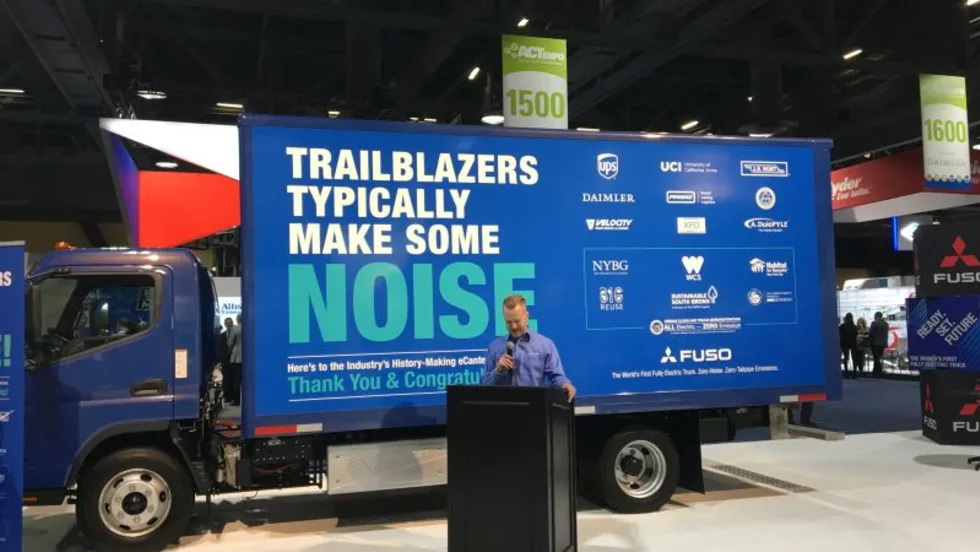
The Future is Electric, But…
With an increasing emphasis on emissions reductions mandates, will fleet operators get caught between clean technologies on their way out and an electric future that hasn’t yet arrived?
Read More →
6 Trend Lines from the 2019 Work Truck Show
From giant leaps in torque and towing to heavy duty truck personalization and chassis cab styling, these trends emerged from this year’s Work Truck Show in Indianapolis.
Read More →
They’re Coming for Your Diesel
In Southern California and other parts of the world, regulators are coalescing to ban, or severely curtail, diesel vehicles. There’s a growing disconnect with the mandates to green the environment and the availability of products and technologies to get us there.
Read More →
Hey Cannabis Companies, Welcome to Fleet
An industry is forming, and it needs help with fleet. In the meantime, the fleet industry should know that these new businesses are navigating extraordinary circumstances, which is forcing them to be better fleet operators pretty darn quick.
Read More →
Takeaways from the Fleet Forward Conference
Most attendees — from established fleets and vendors to new players that were only formed five years ago — didn’t know anyone. But that’s exactly the point.
Read More →
Is it Time to Rethink How Drivers Are Paid?
With the ELD rule affecting miles driven, and drivers’ duties increasingly including more than just driving the vehicle, what can be done to more accurately and fairly reflect a driver’s workday?
Read More →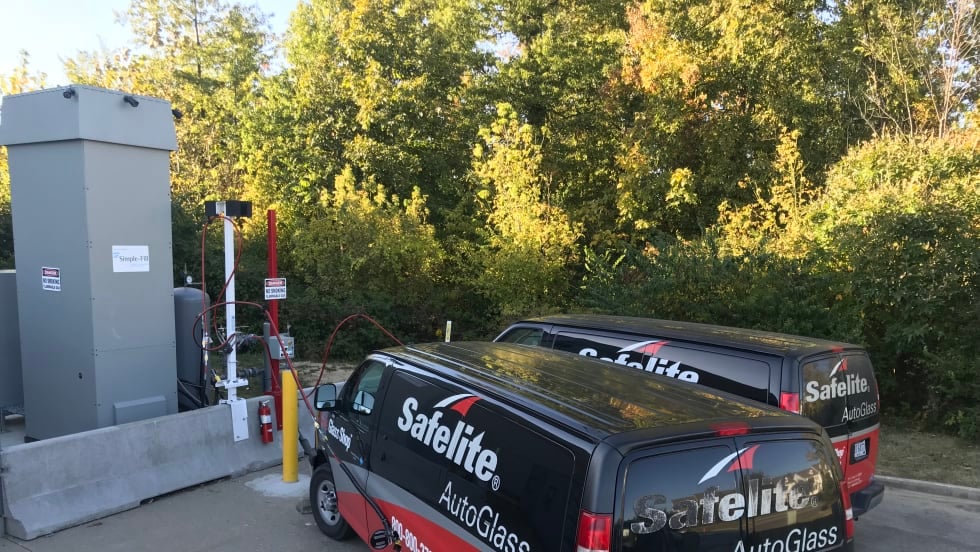
Whatever Happened to CNG?
While the light-duty market for compressed natural gas vehicles has almost evaporated, new near zero emissions technology and drastic reductions in infrastructure costs have reinvigorated the market for medium- and heavy-duty applications — even for smaller fleets.
Read More →