


Framing the H.R. 4175 Debate
National legislation is needed to eradicate discriminatory excise taxes on motor vehicle rentals.

Read these tax policy guidelines and tell me what you think:
● The revenue system should seek to ensure that users of services, regardless of residence, pay for their fair share of the costs of services.
● Governments should impose equitable and fair revenue burdens on individuals, corporations, communities, sectors, income classes and generations.
● Governments should weigh the effects of their decisions on other jurisdictions and levels of government.
● [Governments should abide by] a concern to protect the most financially vulnerable people whose ability to pay for services is very low, even for necessities. (This concern can conflict, for example, with reliance on pricing and user-fee approaches to financing.)
Do they seem reasonable? If these tenets were followed, there wouldn't be discriminatory excise taxes on auto rentals or any other industry. But we know, all too well, this is not the case.
And so we have H.R. 4175, national legislation that would prohibit discriminatory taxes on the rental of motor vehicles. (The 118 car rental excise taxes already on the books in 43 states and the District of Columbia would stand, mind you.)
Some would say national legislation to attack the problem is not the answer. Regardless of whether a tax is fair, the federal government should not have the ability to preempt states and localities to determine the appropriate taxation of businesses in their communities and states, the argument goes.
It's easy to agree with that statement, "if only." If only states and localities could be trusted to resolve these issues on their own in a fair and equitable manner. If only each of these taxes didn't pick on those with little or no recourse to defend themselves. (That not only includes out-of-state renters, but an inordinate amount of low-income and minority renters in home city markets.) If only they didn't place an unreasonable burden on an unlucky group who may never benefit from the tax they're paying.
By their very nature, these taxes are not fair-that is why national legislation is warranted and necessary.
The Constitution holds under the Commerce Clause that only the federal government has the power to regulate trade across state boundaries. Impeding interstate commerce for the benefit of one state or jurisdiction is a bad idea, and discriminatory car rental excise taxes do just that.
Congress has used its Commerce Clause authority to control or eradicate discriminatory taxes in other transportation-related industries. It started with protections afforded the railroads in the 1970s under the Railroad Revitalization Regulatory and Reform (4R) Act, and was followed by legislation to protect busing (1980) and airlines (1982). These cases have been tested all the way up to the Supreme Court. In a sense, the motor vehicle rental industry is the last component of this "planes, trains and automobiles" protection of interstate commerce.
The car rental industry has and will pay its fair share of taxes and fees, along with
Ironically, those tax guidelines above were part of a policy statement published by the National League of Cities, a group that is opposed to H.R. 4175. Some might see the blatant cynicism of a group contradicting its stated position to allow a revenue stream to continue.
But I don't see it that way. I see a group that has recognized and addressed a flaw in America's system of public finance with a set of reasoned, equitable and fair tax principles, ones that should be held up as a blueprint for all taxing jurisdictions.
Fairness may not always win, but it's a good place to start.
More Blog Posts
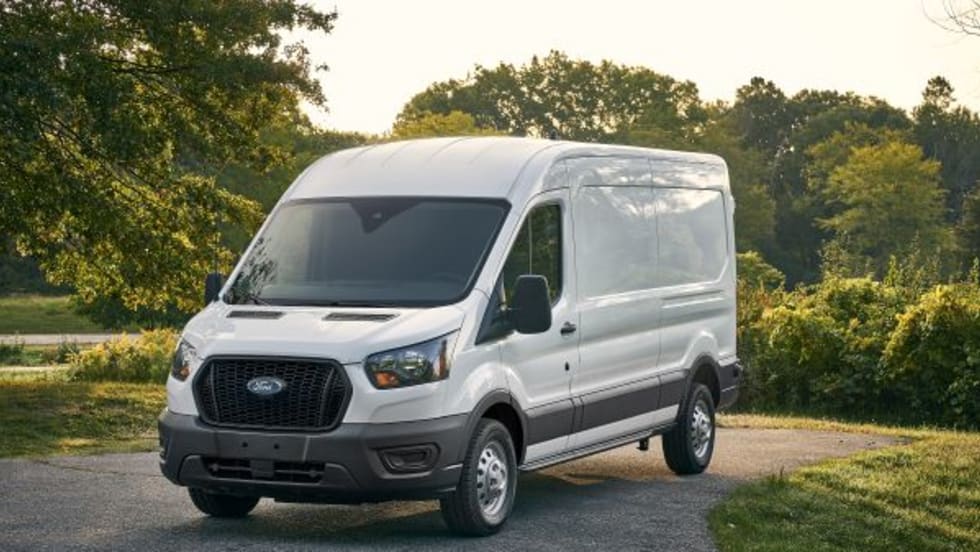
2021 Ford Transit Offers Versatility for Fleets
For the 2021-MY, Ford made ergonomic enhancements for drivers and added an available Parcel Delivery Package. This follows a major refresh in 2020, which added a Crew version, a new standard engine, standard active safety technologies, and embedded telematics to the Transit van family.
Read More →
Recognizing the Other Essential Drivers
Vocational and business fleet drivers don’t get the attention that truckers do. Yet they too are on the front lines, and their jobs often bring them into uncontrolled environments every day.
Read More →
It’s Time to Formulate an ADAS Game Plan
As proliferation of Advanced Driver Assistance Systems (ADAS) increases, skilled labor, equipment, and training costs will increase as well. Fleet operators can’t mitigate these financial burdens by cutting corners on ADAS recalibration and repairs.
Read More →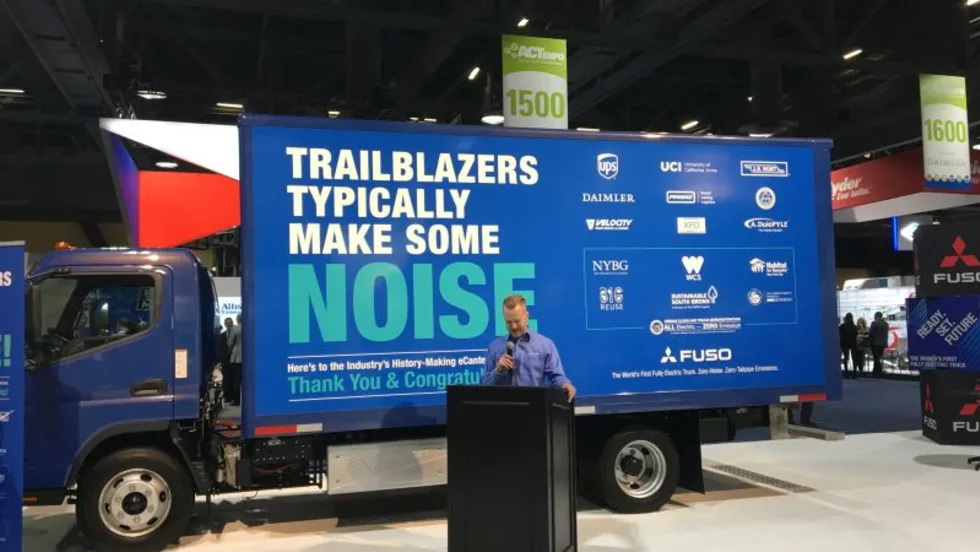
The Future is Electric, But…
With an increasing emphasis on emissions reductions mandates, will fleet operators get caught between clean technologies on their way out and an electric future that hasn’t yet arrived?
Read More →
6 Trend Lines from the 2019 Work Truck Show
From giant leaps in torque and towing to heavy duty truck personalization and chassis cab styling, these trends emerged from this year’s Work Truck Show in Indianapolis.
Read More →
They’re Coming for Your Diesel
In Southern California and other parts of the world, regulators are coalescing to ban, or severely curtail, diesel vehicles. There’s a growing disconnect with the mandates to green the environment and the availability of products and technologies to get us there.
Read More →
Hey Cannabis Companies, Welcome to Fleet
An industry is forming, and it needs help with fleet. In the meantime, the fleet industry should know that these new businesses are navigating extraordinary circumstances, which is forcing them to be better fleet operators pretty darn quick.
Read More →
Takeaways from the Fleet Forward Conference
Most attendees — from established fleets and vendors to new players that were only formed five years ago — didn’t know anyone. But that’s exactly the point.
Read More →
Is it Time to Rethink How Drivers Are Paid?
With the ELD rule affecting miles driven, and drivers’ duties increasingly including more than just driving the vehicle, what can be done to more accurately and fairly reflect a driver’s workday?
Read More →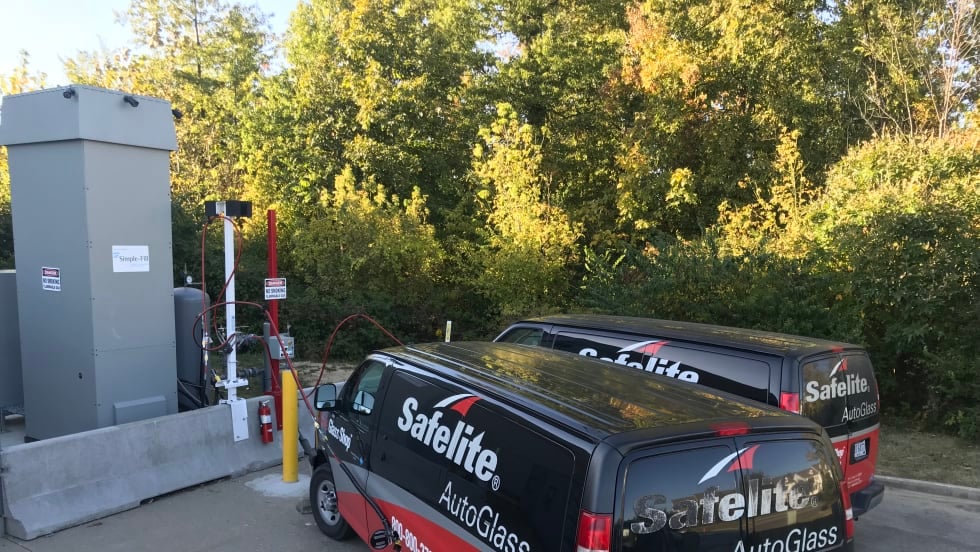
Whatever Happened to CNG?
While the light-duty market for compressed natural gas vehicles has almost evaporated, new near zero emissions technology and drastic reductions in infrastructure costs have reinvigorated the market for medium- and heavy-duty applications — even for smaller fleets.
Read More →