


Going Green in a Tough Economy
Hybrids and electric vehicles are still grabbing the most headlines. But at the NAFA Institute & Expo in Charlotte this week, the fleet industry explored more mundane ways to go green, save fuel and still keep costs in check.

The EV evolution isn't slowing down. Just about every manufacturer is on the verge of releasing one or several all-electric vehicles. Certainly, EVs are driving headlines. Weekly announcements from multi-national delivery companies about how they're incorporating two or three electric trucks into fleet are routinely picked up by the major news outlets. The press release touts the thousands of pounds of C02 reduction from the fleet's tailpipes, inevitably failing to mention it in context of the fleet's overall emissions. The big stuff is all well and good and important to drive the big picture. However, fleets are getting greener in far more mundane ways.
This week, the NAFA Fleet Management Association's Institute & Expo gathered the universe of fleet professionals to work out the industry's problems collectively. With an improving economy, green initiatives are back on the front burner--especially in light of skyrocketing fuel prices.
I like NAFA because it's an in-the-trenches show. It's about commercial and government fleet managers, manufacturers, vendors and fleet leasing executives trading information on how to get greener with initiatives that actually work within a constrained budget. To put electric vehicle implementation into perspective, in one session, a leasing company executive asked the crowd of 70 or so fleet managers who already had electric (non-hybrid) vehicles in their fleets. Only two raised their hands.
When it comes to saving fuel, reducing carbon emissions and going green, here's what people were talking about this year in Charlotte:
Incremental improvements to ICEs
Manufacturers haven't forgotten the internal combustion engine. Just when you thought six-speed transmissions were starting to take hold, look for eight- and even nine-speed transmissions in standard engines starting this year in Chrysler's Pentastar 6.
John Ruppert, Ford's fleet chief, said that start-stop technology--allowing cars to turn off while idling and seamlessly start when the gas pedal is pushed--will become ubiquitous across different manufacturers' models.
GM's start-stop E-assist will be available on the 2012 Buick LaCrosse and then on the new Chevy Malibu and Impala. Trucks will use it in PTO applications. While GM may not sell a whole lot of Chevy Volts for a while, mainstream vehicles will benefit from its electric technology.
Those looking to go subcompact should check out the Chevy Sonic. It's a huge improvement over the erstwhile Aveo. Though not a huge fleet play, auto parts stores are using them for small parts delivery. The Aveo, built overseas, had an over-to-delivery time of 16 to 18 weeks. The OTD for the Sonic, built domestically, is six to eight weeks. The new Subaru Outback gets 22/29 mpg due to a new continuously variable transmission (CVT). Pharma fleets in cold weather states are buying. On the luxury side, Mercedes will offer a four-cylinder C-250 that still gets 201 hp.
Use SmartWay Vehicles
One fleet manager from a large telecommunications company spoke out on the difficulties of implementing hybrids into fleet within his budget. Instead, he instituted a policy of only using fleet vehicles that are SmartWay certified. SmartWay is the EPA's program, instituted in 2004, that grades cars and trucks on their air pollution and greenhouse gas scores. The fleet manager noted that while hybrids and electrics top the list, there are plenty of gas-powered cars to choose from. The SmartWay list allows you to choose greener choices over those with similar functionality for your application-without a huge discrepancy in acquisition cost. Being SmartWay certified is something fleets can crow about, he said.
(Incidentally, this fleet manager instituted his own DIY start-stop initiative in his Mustang GT. For a few days he actually turned the car off at stop lights. He boosted his combined fuel economy to 28 mpg.)
Clean Diesel
Clean diesel is becoming part of the equation for fleets, as German manufacturers have increased their diesel offerings in the U.S. Diesel models appeal to a younger demographic. (A prominent clothing retailer switched its sales reps-more than 200-into a popular diesel hatchback.)
The total cost of ownership on diesels is good, and their fuel economy rivals-and in some cases beats-hybrids (noting that diesel is more expensive at the pump). While diesel passenger cars fall just shy of making the American Council for an Energy-Efficient Economy's top-10 cleanest vehicles list, they're very good at reducing CO2.
CNG and Propane Autogas
The technology is in place to take advantage of the abundance of domestic natural gas. Manufacturers are coming out with direct-from-the-factory conversions of CNG (compressed natural gas) and propane auto gas (LPG) in their vans and trucks. GM has CNG vans now, with an LPG truck coming. Chrysler will have a "major announcement soon" regarding a CNG offering-owing to Fiat's harnessing of the technology in trucks in Europe. Roush now offers its propane conversion on 11 Ford models, with five more models planned.
Honda's CNG passenger car, the Civic GX, is celebrating its 14th season the road, with 14,000 units in fleets today. The first quarter of 2011 marked its best sales yet.
On the OEM panel, the manufacturers agreed that lack of fueling infrastructure is holding back demand for CNG and propane at this point. Bifuel technology (filling up on regular unleaded or natural gas) is being developed, however, to ease fueling anxiety.
Telematics and Driver Control
The buzz on Telematics systems is snowballing. Telematics and fleet vehicle tracking fall into two buckets: route optimization and driver monitoring. Both result in reduced fuel consumption. The ROI gets better as gas prices go up.
Telematics companies also say that Big Brother issue is less of a problem these days--the new trend is providing value for drivers in the form of in-cab navigation devices and automating tasks such as timecards.
Telematics systems give you data six ways to Sunday--the challenge is to know how to read it and then implementing the right changes in your fleet.
Watch for Telematics tracking systems to be factory-installed options in about four years.
More Blog Posts
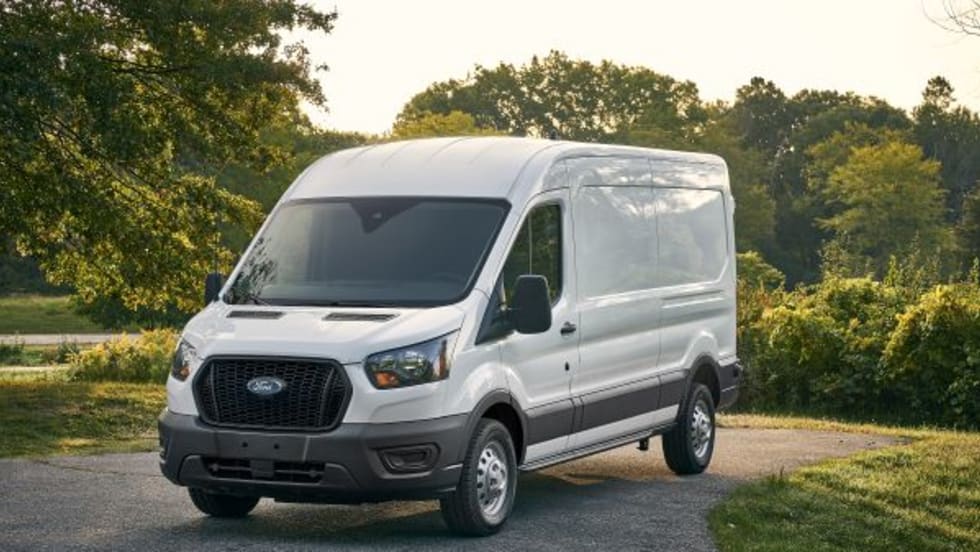
2021 Ford Transit Offers Versatility for Fleets
For the 2021-MY, Ford made ergonomic enhancements for drivers and added an available Parcel Delivery Package. This follows a major refresh in 2020, which added a Crew version, a new standard engine, standard active safety technologies, and embedded telematics to the Transit van family.
Read More →
Recognizing the Other Essential Drivers
Vocational and business fleet drivers don’t get the attention that truckers do. Yet they too are on the front lines, and their jobs often bring them into uncontrolled environments every day.
Read More →
It’s Time to Formulate an ADAS Game Plan
As proliferation of Advanced Driver Assistance Systems (ADAS) increases, skilled labor, equipment, and training costs will increase as well. Fleet operators can’t mitigate these financial burdens by cutting corners on ADAS recalibration and repairs.
Read More →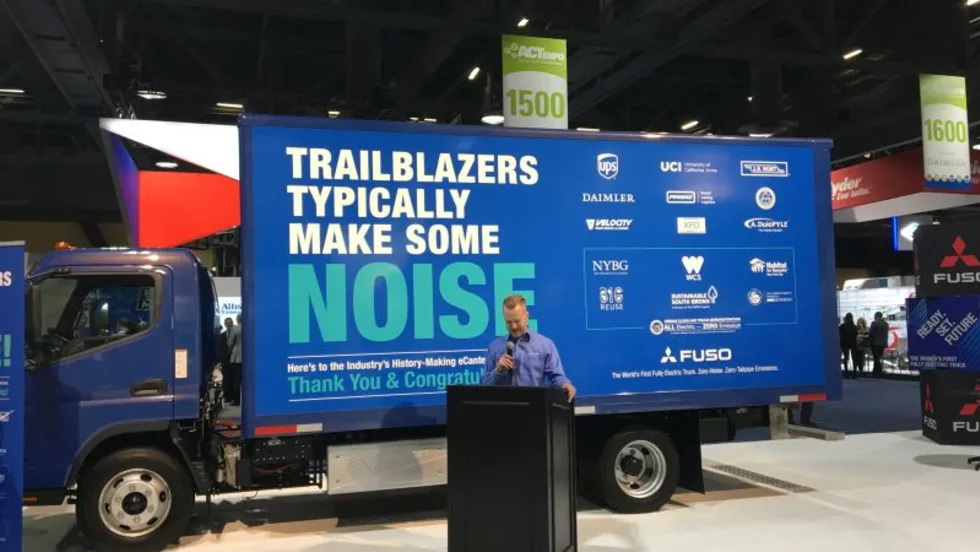
The Future is Electric, But…
With an increasing emphasis on emissions reductions mandates, will fleet operators get caught between clean technologies on their way out and an electric future that hasn’t yet arrived?
Read More →
6 Trend Lines from the 2019 Work Truck Show
From giant leaps in torque and towing to heavy duty truck personalization and chassis cab styling, these trends emerged from this year’s Work Truck Show in Indianapolis.
Read More →
They’re Coming for Your Diesel
In Southern California and other parts of the world, regulators are coalescing to ban, or severely curtail, diesel vehicles. There’s a growing disconnect with the mandates to green the environment and the availability of products and technologies to get us there.
Read More →
Hey Cannabis Companies, Welcome to Fleet
An industry is forming, and it needs help with fleet. In the meantime, the fleet industry should know that these new businesses are navigating extraordinary circumstances, which is forcing them to be better fleet operators pretty darn quick.
Read More →
Takeaways from the Fleet Forward Conference
Most attendees — from established fleets and vendors to new players that were only formed five years ago — didn’t know anyone. But that’s exactly the point.
Read More →
Is it Time to Rethink How Drivers Are Paid?
With the ELD rule affecting miles driven, and drivers’ duties increasingly including more than just driving the vehicle, what can be done to more accurately and fairly reflect a driver’s workday?
Read More →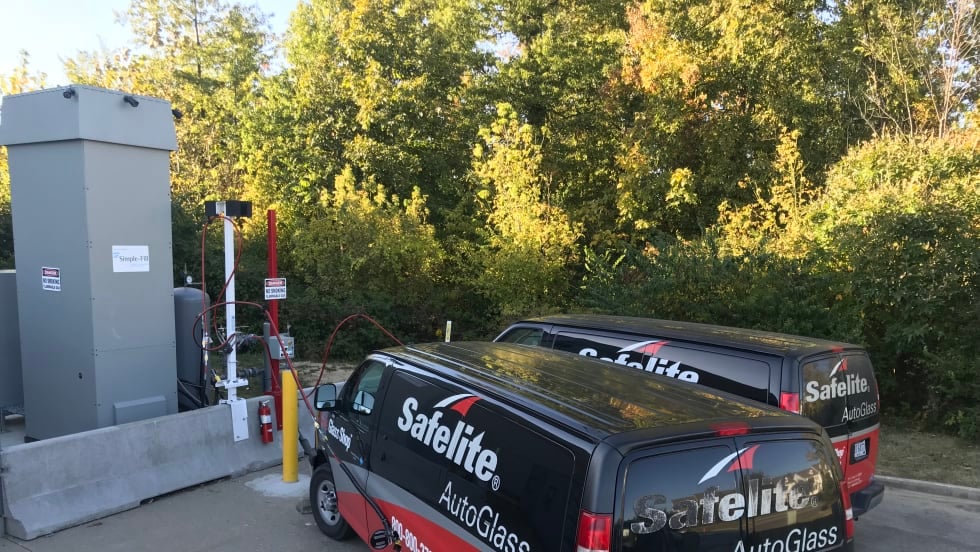
Whatever Happened to CNG?
While the light-duty market for compressed natural gas vehicles has almost evaporated, new near zero emissions technology and drastic reductions in infrastructure costs have reinvigorated the market for medium- and heavy-duty applications — even for smaller fleets.
Read More →