


Guest Editorial: They Said It Would Never Pass
Gil Cygler reflects on the long journey to amend the 1989 New York state law prohibiting car rental companies to sell damage waivers and how it illustrates the power of grass-roots organization.
Gil Cygler is president and CEO of AllCar Rent-A-Car, an independent car rental company operating in New York’s five boroughs. Cygler sits on the board of directors of the American Car Rental Association.
Twenty-four years ago, I was two years out of college and working in the car rental company that my father had started. We got word that the State of New York had passed legislation which would hamper if not devastate our growing rental car company.
The sale of loss damage waiver (LDW) and the ability to collect from a renter’s credit card was prohibited. Adding insult to injury, the new law required all car insurers in New York to include coverage for rental car physical damage on the policies written in the state, yet New York car rental companies were prohibited from collecting under such policies.
I learned of the law through the efforts of a few hard-working car rental owners who banned together and quickly formed the New York Vehicle Rental Association (NYVRA).
At the time, there was no statewide association; there was only a national association with no representation in New York and Auto Rental News had just started. New York had over 200 independent car rental companies operating in all corners of the state, which included licensees, new and used car dealers and independent operators. Fleet sizes ranged from the handful to the hundreds.
With the stroke of a pen in the hand of Gov. Mario Cuomo, the landscape was about to change.
The NYVRA founders held the first of many meetings in an Albany Hotel conference room, which was attended by more than 200 people representing a range of companies — though most of the major national chains chose not to join NYVRA. We met, commiserated and sprang into action by organizing grass-roots lobbying and information campaigns to both members of the legislature and our industry. Meetings were set up to explain the devastating impact of this legislation.
I recall meeting with dozens of elected officials who all said such a bill would never pass; they were shocked when I replied that not only had the bill passed but they had voted for it. This new law limited a car rental company’s ability to collect for vehicle damage to $100.
The next several years were difficult. Each year, NYVRA gathered in Albany with fewer people. I was now able to understand — albeit in a different way — the reunions people experience when they are joined by fewer members as the years pass. I made friends with many car rental operators as well as some elected officials with whom I remain friends to this day. The legislators were sympathetic and agreed the law needed to be repealed or changed yet nothing happened for years.
After years of lobbying and passage of a bill in the Senate and not the assembly — followed by passage in the assembly and not the Senate, followed by passage by both bodies only to be vetoed by the governor — the law finally passed on Feb. 24, 2003. It now allowed New York car rental companies to again rightfully collect for the damage done to their assets. Sadly, most of my friends in the industry had already closed their car rental stores, which have hurt both the consumer and the state.
The enactment and eventual change in the law has taught me that it’s much easier to fight a law from being passed than changing it. And it’s far easier to challenge and make an impact when you are not alone. It is too bad that New York did not have NYVRA before the law passed — the New York car rental landscape would look more diverse than it does today.
One of the leaders of our eventual successful efforts is Sharon Faulkner. She is currently executive director of the American Car Rental Association (ACRA), which I am honored to serve as one of its board members. This year, ACRA succeeded in having the updated law extended for another five years.
Unlike 1989, our industry was united in our campaign to the legislature, as ACRA is supported by all the major rental companies and many smaller ones. I have seen first hand the impact and devastation a seemingly minor bill can cause — and how easily that could have been averted if an active ACRA had existed in New York in early 1989.
I personally thank the New York Legislature and Gov. Andrew Cuomo for extending the law, which allows the sale of LDW and collection of damages. I also want to thank the members of ACRA who are united in working for the betterment of our industry.
This is just one example of the importance to belong and support ACRA so we are not again blindsided like in 1989. I just wish we all had that foresight then, so my car rental friends could have still been in business to experience the law’s final change.
More Blog Posts
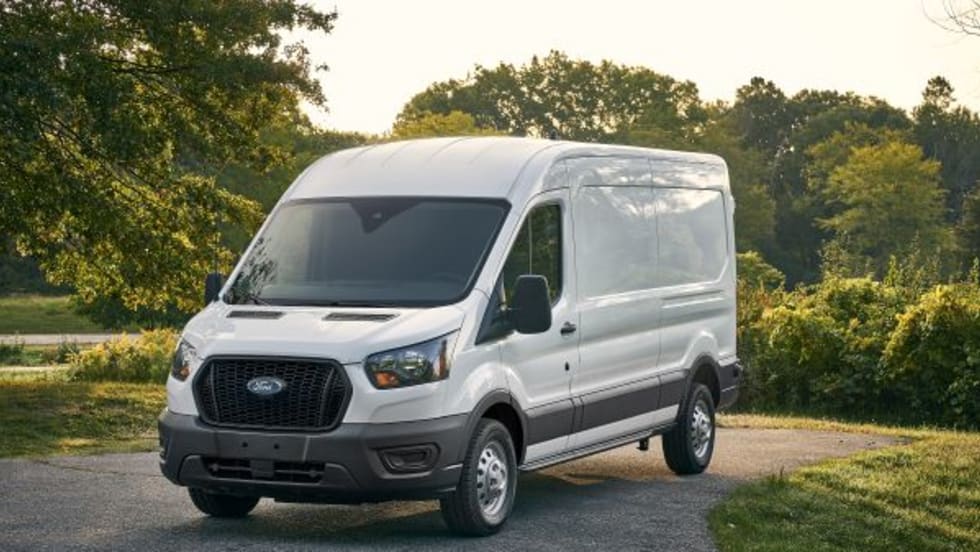
2021 Ford Transit Offers Versatility for Fleets
For the 2021-MY, Ford made ergonomic enhancements for drivers and added an available Parcel Delivery Package. This follows a major refresh in 2020, which added a Crew version, a new standard engine, standard active safety technologies, and embedded telematics to the Transit van family.
Read More →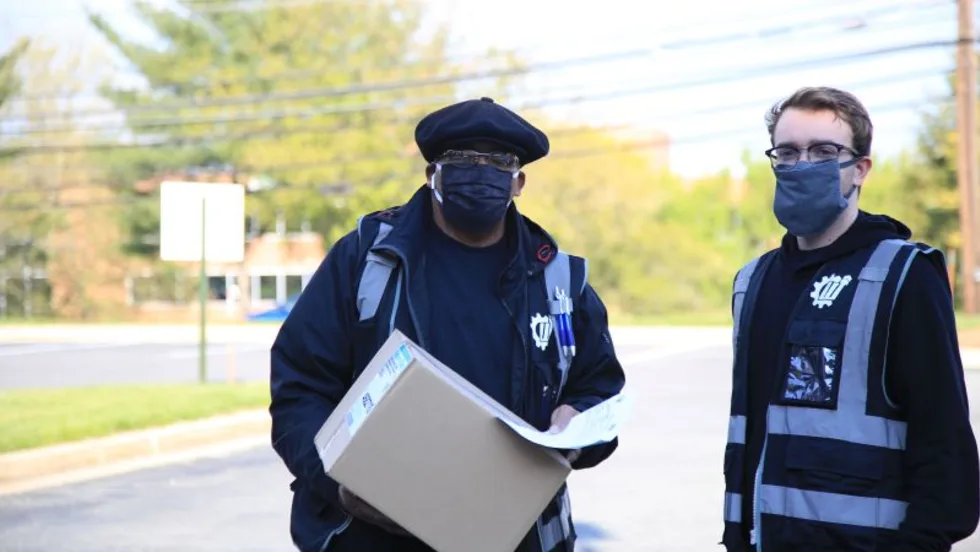
Recognizing the Other Essential Drivers
Vocational and business fleet drivers don’t get the attention that truckers do. Yet they too are on the front lines, and their jobs often bring them into uncontrolled environments every day.
Read More →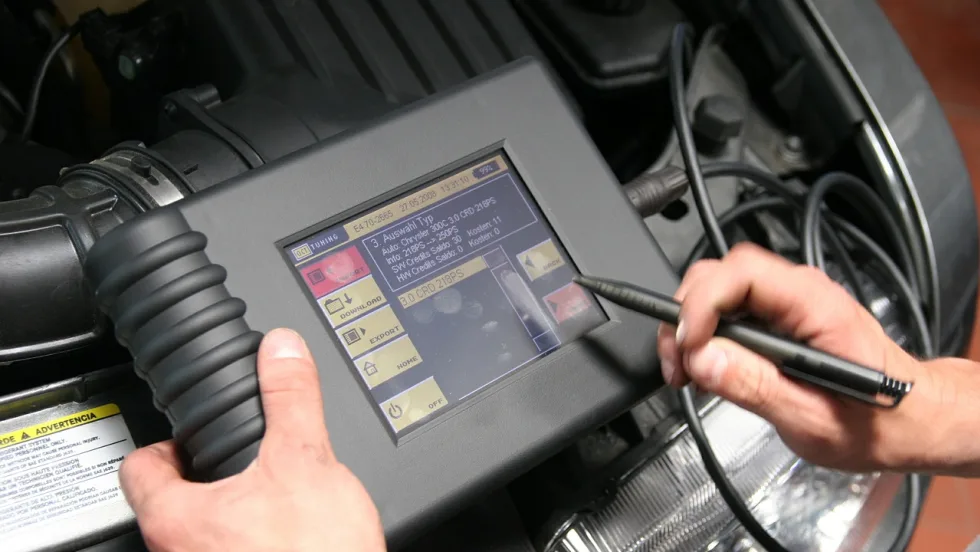
It’s Time to Formulate an ADAS Game Plan
As proliferation of Advanced Driver Assistance Systems (ADAS) increases, skilled labor, equipment, and training costs will increase as well. Fleet operators can’t mitigate these financial burdens by cutting corners on ADAS recalibration and repairs.
Read More →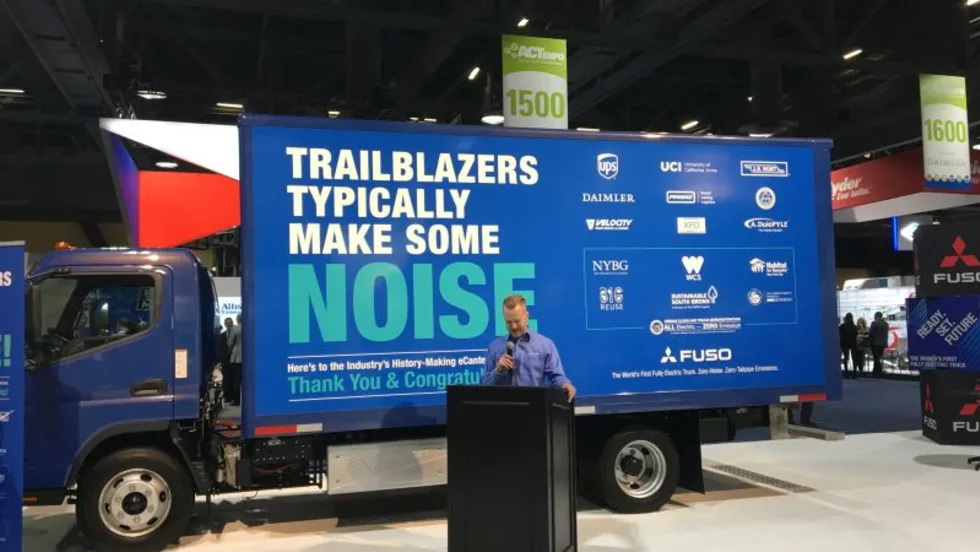
The Future is Electric, But…
With an increasing emphasis on emissions reductions mandates, will fleet operators get caught between clean technologies on their way out and an electric future that hasn’t yet arrived?
Read More →
6 Trend Lines from the 2019 Work Truck Show
From giant leaps in torque and towing to heavy duty truck personalization and chassis cab styling, these trends emerged from this year’s Work Truck Show in Indianapolis.
Read More →
They’re Coming for Your Diesel
In Southern California and other parts of the world, regulators are coalescing to ban, or severely curtail, diesel vehicles. There’s a growing disconnect with the mandates to green the environment and the availability of products and technologies to get us there.
Read More →
Hey Cannabis Companies, Welcome to Fleet
An industry is forming, and it needs help with fleet. In the meantime, the fleet industry should know that these new businesses are navigating extraordinary circumstances, which is forcing them to be better fleet operators pretty darn quick.
Read More →
Takeaways from the Fleet Forward Conference
Most attendees — from established fleets and vendors to new players that were only formed five years ago — didn’t know anyone. But that’s exactly the point.
Read More →
Is it Time to Rethink How Drivers Are Paid?
With the ELD rule affecting miles driven, and drivers’ duties increasingly including more than just driving the vehicle, what can be done to more accurately and fairly reflect a driver’s workday?
Read More →
Whatever Happened to CNG?
While the light-duty market for compressed natural gas vehicles has almost evaporated, new near zero emissions technology and drastic reductions in infrastructure costs have reinvigorated the market for medium- and heavy-duty applications — even for smaller fleets.
Read More →