


Our Hope for Advantage Rent A Car
The work for the new Advantage has just begun.

Was the auction sale of a bankrupt Advantage Rent A Car on Monday the end of a tumultuous period in the company’s history, or just another abrupt change of ownership on its timeline into car rental oblivion? At this point, we don’t know.
But during this holiday season, and on the threshold of a new year, we can at least hope for a better future for Advantage, the company founded in 1963 in San Antonio by the Walker family.
We hope that Advantage’s new owners, Catalyst Capital Group, will know what they are doing, or at least put a team in place that does.
Private equity firms often operate with hubris commensurate to the size of their portfolio. The portfolio of Advantage’s previous puppet master, Macquarie Capital, is the size of a breakaway republic. Macquarie knew nothing about car rental — a poisonous mix — yet it even went so far as to replace the management the Federal Trade Commission approved. We hope Catalyst is smarter than that. And we hope Macquarie is free of this deal.
We hope that Advantage’s new management team can meet its initial challenges.
Those challenges are many. The new team will have to move headquarters and cities while disentangling Advantage from FSNA’s operations, insurance, IT, marketing, legal and accounting support in quick order. They will have to cover immediate financial obligations regarding rents, concession fees, travel agency fees, depreciation and payroll.
We hope Advantage will have money to buy fleet – thousands of cars, very soon. Advantage is sorely under-fleeted right now. Most of the cars that Advantage does have in fleet are Hertz’s — and Hertz wants its cars back.
We hope that Catalyst is putting its money where its mouth is, where Macquarie never did. Judging from the terms of the bankruptcy sale, this appears to be the case. But understand that the initial $46 million Catalyst pledged in debt financing will mostly be used to pay creditors. Advantage will need a lot more money for fleet.
We hope Advantage can find job openings for the people in the Advantage locations that will be closed. Expect closures. Advantage grew quickly to 72 locations because Hertz had to divest some Dollar and Thrifty airport stores to satisfy the FTC’s antitrust requirements in the Dollar Thrifty deal. Advantage picked up those extra stores. In retrospect, Macquarie’s decision to replace management and try to expand at the same time was foolish.
We hope that the FTC won’t screw this up again.
Though we’ll never see any outward signs, the FTC has to be smarting that Advantage declared bankruptcy mere months after the FTC finally blessed the deal, even as there were signs Advantage wouldn’t make its lease payments to Hertz, even as Sandy Miller jumped in front of this derailing train to say, “Stop!”
After that epic fail, we hope the FTC will remain silent on this one. A smaller Advantage is not what the FTC wants, for competition’s sake. But what can it do? Regulators are not in a position to force Advantage’s new owners to keep open stores it couldn’t support in the first place. (Advantage is a leisure brand. There is not a lot of leisure business in Cleveland.)
We hope for the best for Franchise Services of North America, and that FSNA can exit this mess with the ability to support its U-Save franchisees.
Moreover, we hope FSNA stockholders aren’t getting screwed in this deal. Remember, FSNA owned Advantage through the issuance of shares to Macquarie Capital. Now that Advantage is no longer part of FSNA, what happens to the stock?
Finally, we hope Advantage will continue under stable ownership for a long time. However, understanding that the nature of private equity is to sell or exit its investments in portfolio companies for a return, you do have to wonder where Advantage will wind up next.
More Blog Posts
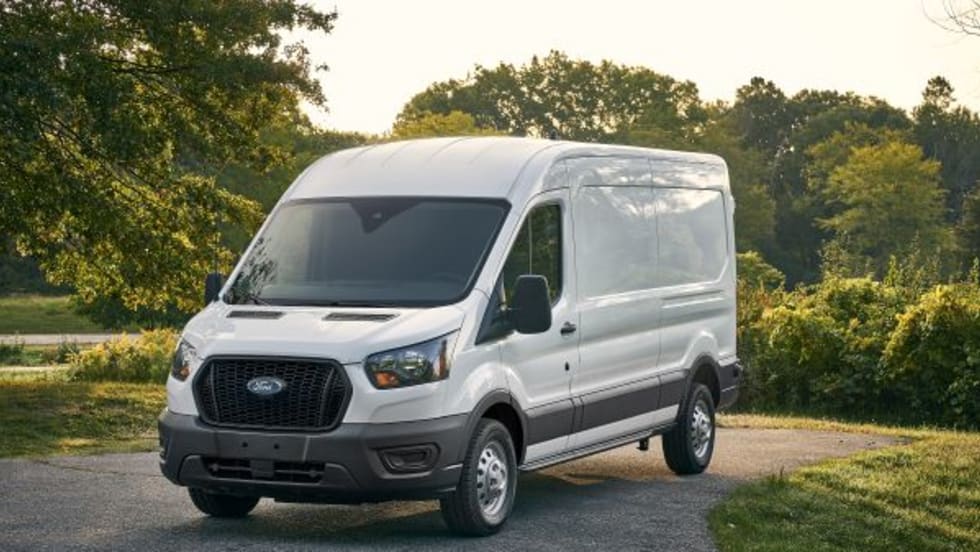
2021 Ford Transit Offers Versatility for Fleets
For the 2021-MY, Ford made ergonomic enhancements for drivers and added an available Parcel Delivery Package. This follows a major refresh in 2020, which added a Crew version, a new standard engine, standard active safety technologies, and embedded telematics to the Transit van family.
Read More →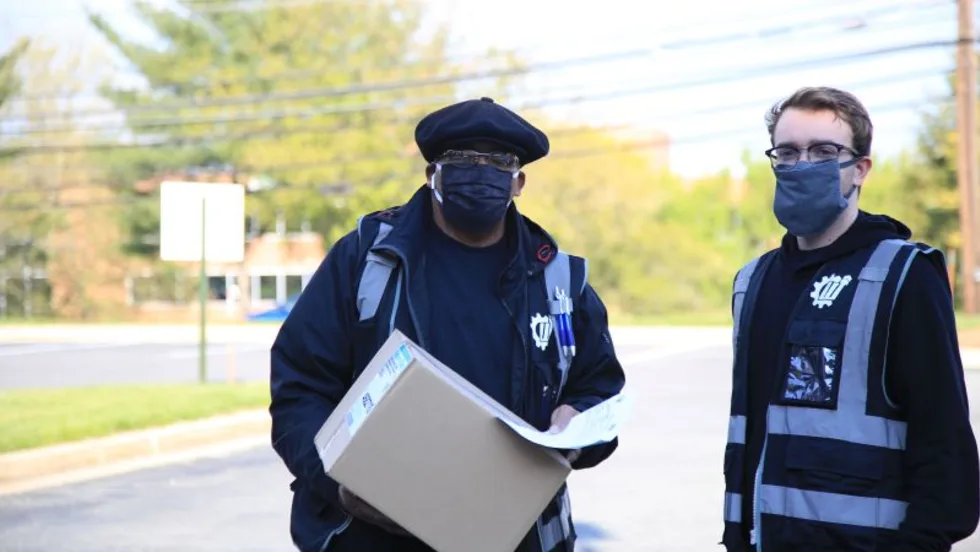
Recognizing the Other Essential Drivers
Vocational and business fleet drivers don’t get the attention that truckers do. Yet they too are on the front lines, and their jobs often bring them into uncontrolled environments every day.
Read More →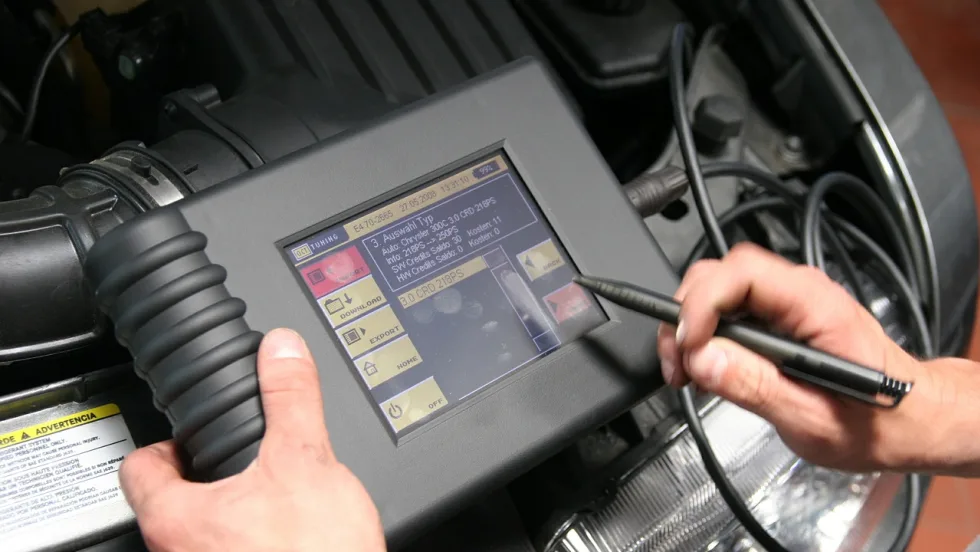
It’s Time to Formulate an ADAS Game Plan
As proliferation of Advanced Driver Assistance Systems (ADAS) increases, skilled labor, equipment, and training costs will increase as well. Fleet operators can’t mitigate these financial burdens by cutting corners on ADAS recalibration and repairs.
Read More →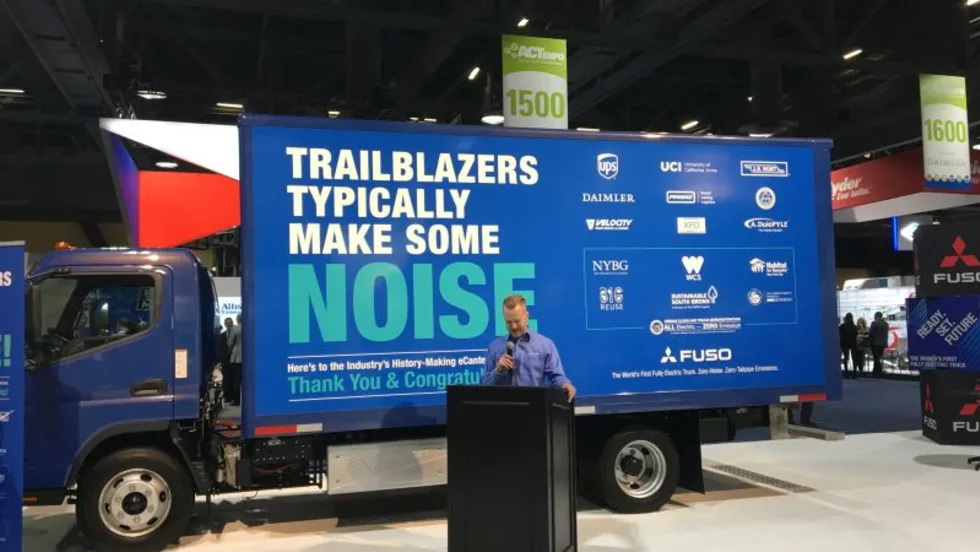
The Future is Electric, But…
With an increasing emphasis on emissions reductions mandates, will fleet operators get caught between clean technologies on their way out and an electric future that hasn’t yet arrived?
Read More →
6 Trend Lines from the 2019 Work Truck Show
From giant leaps in torque and towing to heavy duty truck personalization and chassis cab styling, these trends emerged from this year’s Work Truck Show in Indianapolis.
Read More →
They’re Coming for Your Diesel
In Southern California and other parts of the world, regulators are coalescing to ban, or severely curtail, diesel vehicles. There’s a growing disconnect with the mandates to green the environment and the availability of products and technologies to get us there.
Read More →
Hey Cannabis Companies, Welcome to Fleet
An industry is forming, and it needs help with fleet. In the meantime, the fleet industry should know that these new businesses are navigating extraordinary circumstances, which is forcing them to be better fleet operators pretty darn quick.
Read More →
Takeaways from the Fleet Forward Conference
Most attendees — from established fleets and vendors to new players that were only formed five years ago — didn’t know anyone. But that’s exactly the point.
Read More →
Is it Time to Rethink How Drivers Are Paid?
With the ELD rule affecting miles driven, and drivers’ duties increasingly including more than just driving the vehicle, what can be done to more accurately and fairly reflect a driver’s workday?
Read More →
Whatever Happened to CNG?
While the light-duty market for compressed natural gas vehicles has almost evaporated, new near zero emissions technology and drastic reductions in infrastructure costs have reinvigorated the market for medium- and heavy-duty applications — even for smaller fleets.
Read More →