


Recall Legislation: Some Thoughts from and for the 7%
It is necessary for the smaller independent car rental companies to understand the changes blowing in the wind, while letting their voice be heard.

Last week, Sens. Charles Schumer and Barbara Boxer held a news conference to announce an agreement reached with the major car rental companies (Avis Budget Group, Dollar Thrifty Automotive Group, Hertz Corp. and Enterprise Holdings, which also includes National and Alamo) and the American Car Rental Association (ACRA) to stop renting or selling vehicles subject to a manufacturer recall.
The agreement paves the way for recall legislation, entitled The Raechel and Jacqueline Houck Safe Rental Car Act, to be passed in the U.S. Senate before the end of the year. A parallel House bill is in the works.
This process appears to be finally coming to an end, and brings with it an end to the state of limbo that has beset the industry for the past two years. Legislation will ensure codification of practices and policies across the board. This will bring transparency on recalls to all rental companies and rental customers, who have signaled they are in favor of legislation. These are good things.
Nonetheless, while the majors make up 93% of the total market, the auto rental industry represents the other 7% as well. Many smaller franchise and independent operators have questions on the legislation, and offer input as well.
Those smaller operators who buy a portion of their rental fleet from the wholesale market have concerns about recall notifications failing to reach the new vehicle owners, as transfer of title can take two to six weeks for official processing — and up to four months in states with backlogs.
To this point, the legislation states that the rental company will be required to ground affected vehicles no later than 24 hours after receiving the notice. In other words, the rental company must receive a notice for the rule to take effect.
Operators have brought up logistical concerns, such as if a recall is issued without an immediate correction, or if necessary parts are unavailable. The bill as written today addresses this in part. It allows for a temporary action — if one is specified by the manufacturer — to be taken to make the vehicle safe to operate until parts are available.
The present bill also contains an exception allowing a wrecked vehicle under recall to be sold “with a junk title” for parts only.
While this is a time to raise concerns, it is also a time to strengthen best practices together.
The 7% should be aware of the majors’ recall policies, ones that are already in place. There are procedures to automatically lock out the recalled vehicle from the reservations system. If those vehicles do somehow get rented, it is a cause for termination.
The software programs used by a majority of the independents and franchisees have this functionality as well. Use it.
Operators should familiarize themselves with the National Highway Traffic Safety Administration’s recall website and use it to search any make, model and model year for existing recalls. The site also emails weekly bulletins for updates on the latest recalls.
Fleet diversification will help minimize the potential for large portions of fleet becoming affected by a single recall. Strengthening relationships with dealers will help to ensure a high level of support when getting recall work done. Most importantly, operators need to review present policies now to make sure they are in compliance with the proposed legislation.
Peter Chapman of Alaska Auto Rental raised some of those concerns and also offered those best practices. Chapman represents the true spirit of the independent in his attitude toward pending legislation and his ability to comply. “Consumer safety should be the goal of every car rental company,” he writes. “Attainment of this goal can be compatible with operating a profitable small, independent car rental company.”
The good news is that the concerns of Chapman and others are not falling on deaf ears. ACRA represents not only the 93% but also the 7%. ACRA has a voice in this legislative process, and has worked with legislators and consumer and safety groups to form the present bill.
“The fact that our industry, under the umbrella of ACRA, crafted an agreement that at least made sense and was reasonable shows what can happen when the industry works together with the government as opposed to going [about it] individually without the input of all members,” writes Frank Colonna of Triangle Rent A Car.
Through ACRA, 100% of the industry can work to enact sensible legislation to prohibit the rental or sale of a rental vehicle subject to a safety recall.
More Blog Posts
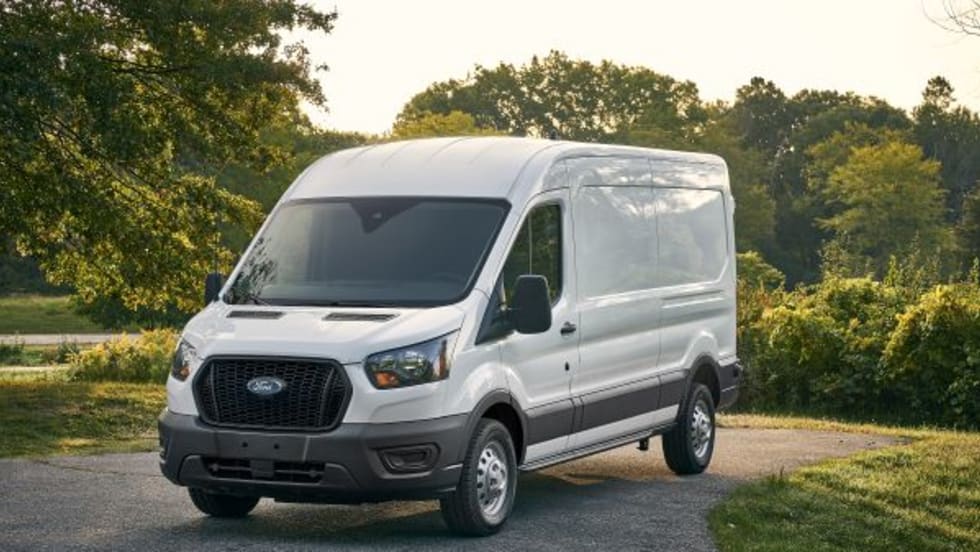
2021 Ford Transit Offers Versatility for Fleets
For the 2021-MY, Ford made ergonomic enhancements for drivers and added an available Parcel Delivery Package. This follows a major refresh in 2020, which added a Crew version, a new standard engine, standard active safety technologies, and embedded telematics to the Transit van family.
Read More →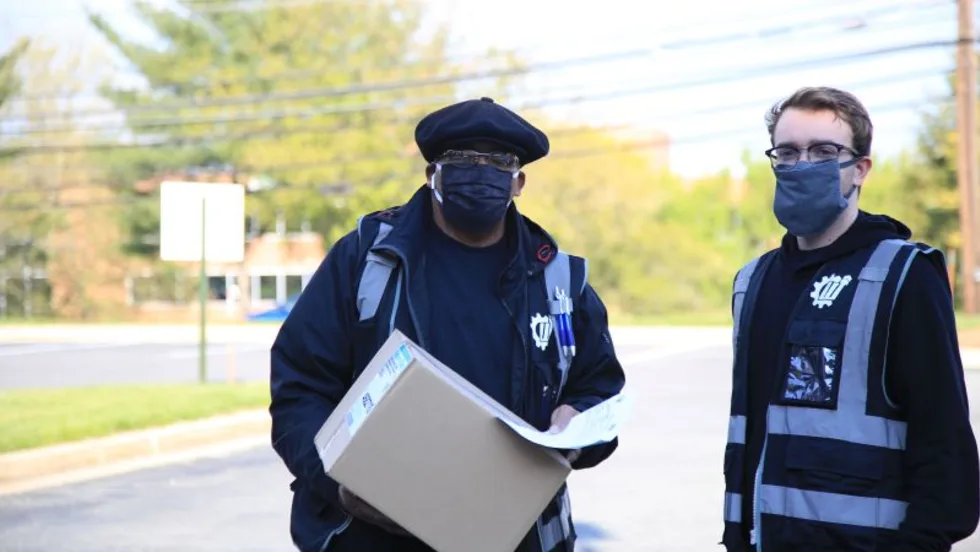
Recognizing the Other Essential Drivers
Vocational and business fleet drivers don’t get the attention that truckers do. Yet they too are on the front lines, and their jobs often bring them into uncontrolled environments every day.
Read More →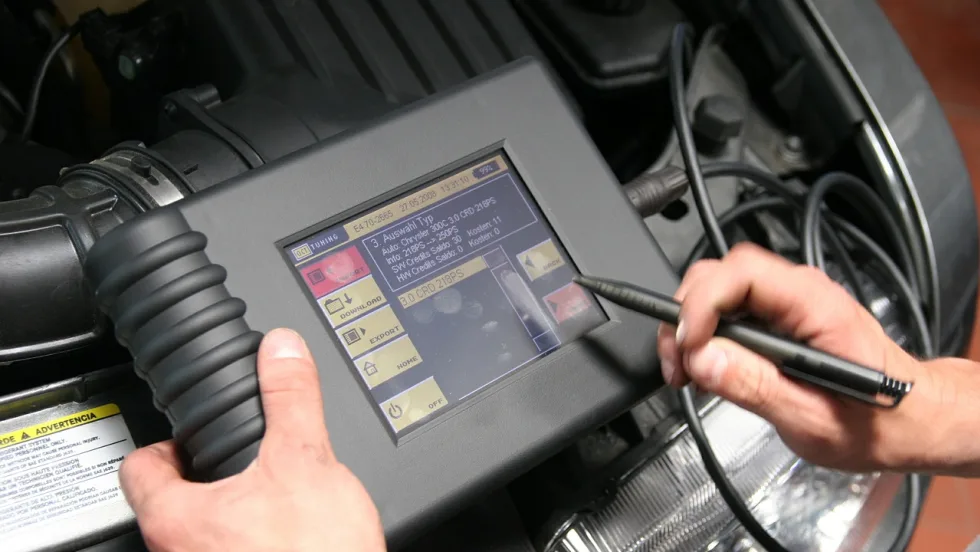
It’s Time to Formulate an ADAS Game Plan
As proliferation of Advanced Driver Assistance Systems (ADAS) increases, skilled labor, equipment, and training costs will increase as well. Fleet operators can’t mitigate these financial burdens by cutting corners on ADAS recalibration and repairs.
Read More →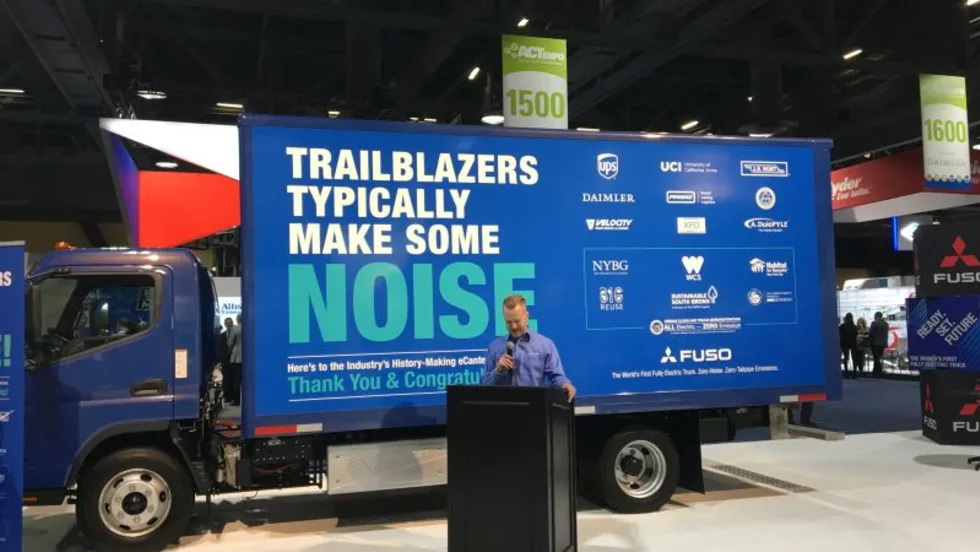
The Future is Electric, But…
With an increasing emphasis on emissions reductions mandates, will fleet operators get caught between clean technologies on their way out and an electric future that hasn’t yet arrived?
Read More →
6 Trend Lines from the 2019 Work Truck Show
From giant leaps in torque and towing to heavy duty truck personalization and chassis cab styling, these trends emerged from this year’s Work Truck Show in Indianapolis.
Read More →
They’re Coming for Your Diesel
In Southern California and other parts of the world, regulators are coalescing to ban, or severely curtail, diesel vehicles. There’s a growing disconnect with the mandates to green the environment and the availability of products and technologies to get us there.
Read More →
Hey Cannabis Companies, Welcome to Fleet
An industry is forming, and it needs help with fleet. In the meantime, the fleet industry should know that these new businesses are navigating extraordinary circumstances, which is forcing them to be better fleet operators pretty darn quick.
Read More →
Takeaways from the Fleet Forward Conference
Most attendees — from established fleets and vendors to new players that were only formed five years ago — didn’t know anyone. But that’s exactly the point.
Read More →
Is it Time to Rethink How Drivers Are Paid?
With the ELD rule affecting miles driven, and drivers’ duties increasingly including more than just driving the vehicle, what can be done to more accurately and fairly reflect a driver’s workday?
Read More →
Whatever Happened to CNG?
While the light-duty market for compressed natural gas vehicles has almost evaporated, new near zero emissions technology and drastic reductions in infrastructure costs have reinvigorated the market for medium- and heavy-duty applications — even for smaller fleets.
Read More →