


Should Car Sharing Get a Pass on Excise Taxes?
Car sharing and car rental are both part of the solution to the public’s transportation needs. The two communities are better off fighting excise taxes—as well as vicarious liability protection and recalls—together.

A New Jersey bill proposes to exempt car sharing from the state's $5 excise tax on car rentals. This raises the issue: For taxation purposes, how do you define car sharing?
Some have proposed that the rental length should be less than eight hours to qualify as a car share. Many car-sharing companies, including Zipcar, have daily rates for both weekdays and weekends, and a good percentage-in some areas more than half-of car-share customers drive more than eight hours. Should those full-day customers be taxed, as it resembles a more traditional car rental?
Some would require that a car-sharing program be member based. Perhaps then Hertz's #1 Club Gold members or National's Emerald Isle members shouldn't get taxed. And as of May 1, Connect by Hertz will no longer charge a membership fee-so what really constitutes a member? Or do you insist on a model that bypasses a brick-and-mortar rental counter? Most traditional RACs have kiosk programs and offer the ability to choose any available vehicle from assigned parking spaces.
Certainly, these excise taxes affect local citizens, because car sharing serves the local community. In traditional car rental, more than half of the industry's $20 billion in total revenues are generated from neighborhood rentals. Those rentals certainly deserve a pass too.
And what if car sharing was more aptly termed "hourly car rental" or "automated car rental?" Would legislators feel the same way about tax exemptions? (For me, the term car sharing has always been a bit of a feel-good semantic twist: are you really "sharing" a car that you pay money to use for a period of time?)
I see car sharing as part of the evolution of auto rental, an offshoot of the neighborhood car rental market that took hold in the 1980s. Back then, local communities were looking for transportation solutions that were met by smaller, conveniently located branches. Later, car sharing came along to meet the needs of specific community, urban dwellers, while automating the process.
Separating car sharing from car rental will become increasingly harder moving forward.
Car sharing is growing out of its original urban core and into university environments, corporate campuses, government fleets, suburbia and even airports-all areas in which traditional car rental is already part of the transportation lexicon.
Avis Budget Group is implementing a new program called "Virtual Car," in which small groups of cars are strategically placed around town, are controlled and accessed remotely and are tracked by GPS. While car sharing moves into new markets, traditional RACs are finding more ways to automate and streamline the car rental process.
In other areas, car sharing is already aligned with traditional car rental. Last year, a Queens, N.Y. judge ruled that Zipcar is protected under the Graves Amendment, the 2005 federal law that shields car rental agencies against liability for accidents caused by drivers of rental cars.
In Minto v. Zipcar New York, the plaintiff argued that Zipcar is not a traditional car rental company and therefore should not be afforded Graves Amendment protections. But New York Supreme Court Justice Roger N. Rosengarten found that "This bargain-use of a car in exchange for a fee-appears little different from 'traditional rental car' companies, notwithstanding Zipcar's marketing statements that contrast it with those companies."
"The court finds that Zipcar is in 'the trade or business of renting or leasing motor vehicles' as those words are traditionally and plainly understood."
It was Zipcar itself that argued for Graves Amendment protection.
And now new legislation is upon the auto rental industry that calls for the grounding of all recalled vehicles until the problem is fixed. The American Car Rental Association (ACRA) is asking for a sensible approach to legislation. Certainly ACRA welcomes the car-sharing community into this work in progress. (Imagine bringing a dispersed car sharing fleet in for servicing all at once!)
Car sharing and car rental-if we can make this distinction-already agree on the need for vicarious liability protection, a sensible approach to recalls and the eradication of politically expedient and patently unfair excise taxes. Car sharing and car rental are both part of the solution to the public's transportation needs. Both camps are better off fighting these issues together.
More Blog Posts
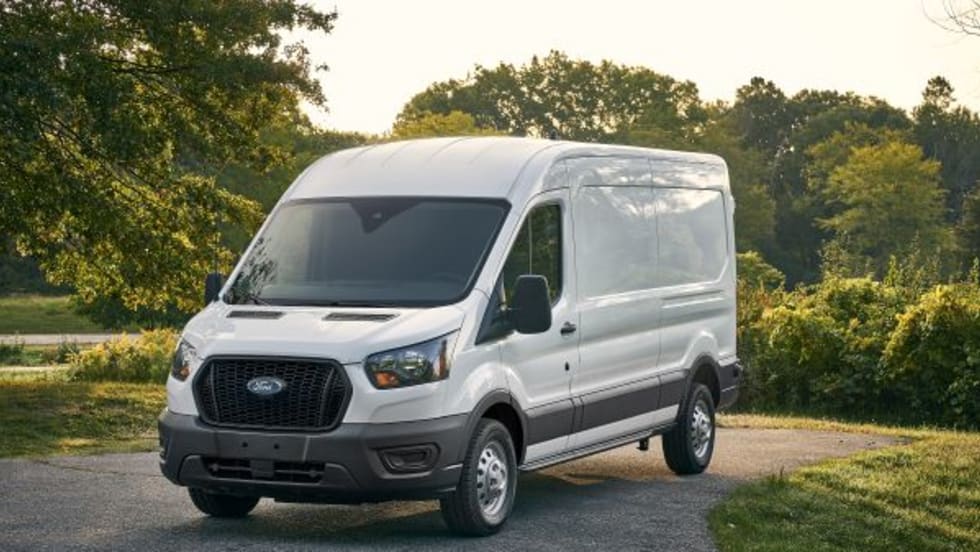
2021 Ford Transit Offers Versatility for Fleets
For the 2021-MY, Ford made ergonomic enhancements for drivers and added an available Parcel Delivery Package. This follows a major refresh in 2020, which added a Crew version, a new standard engine, standard active safety technologies, and embedded telematics to the Transit van family.
Read More →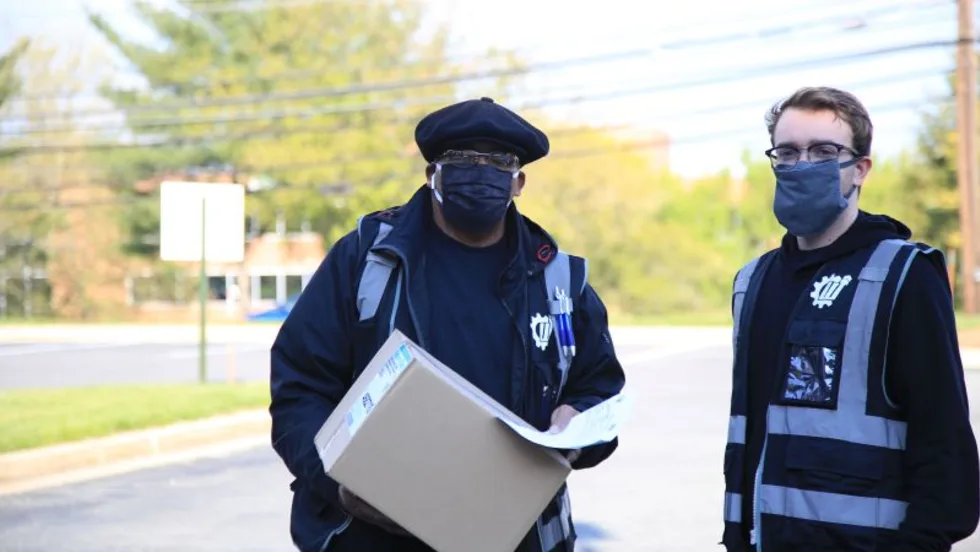
Recognizing the Other Essential Drivers
Vocational and business fleet drivers don’t get the attention that truckers do. Yet they too are on the front lines, and their jobs often bring them into uncontrolled environments every day.
Read More →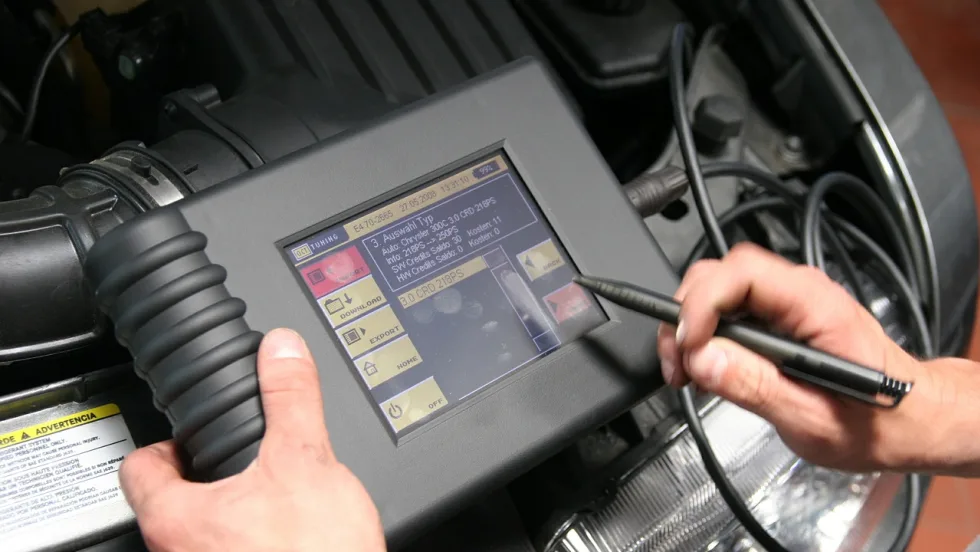
It’s Time to Formulate an ADAS Game Plan
As proliferation of Advanced Driver Assistance Systems (ADAS) increases, skilled labor, equipment, and training costs will increase as well. Fleet operators can’t mitigate these financial burdens by cutting corners on ADAS recalibration and repairs.
Read More →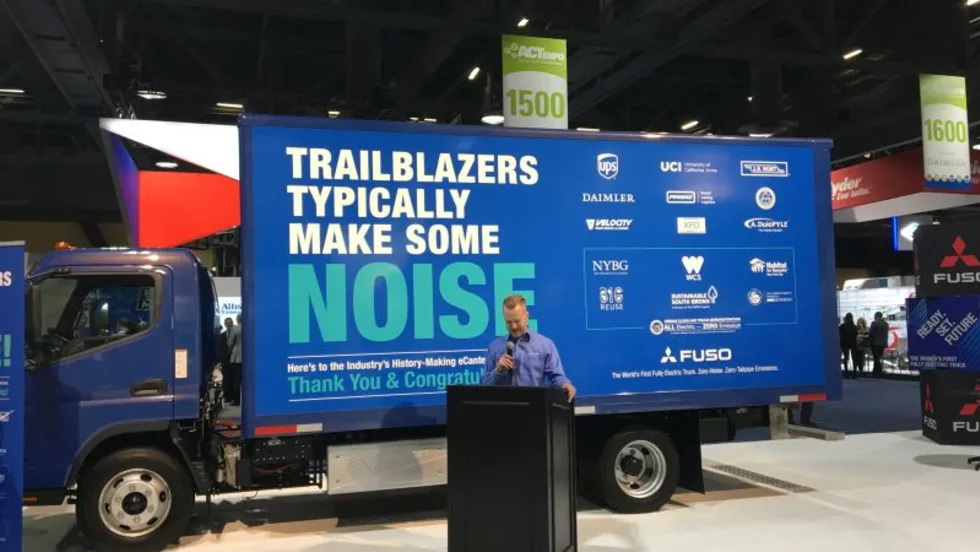
The Future is Electric, But…
With an increasing emphasis on emissions reductions mandates, will fleet operators get caught between clean technologies on their way out and an electric future that hasn’t yet arrived?
Read More →
6 Trend Lines from the 2019 Work Truck Show
From giant leaps in torque and towing to heavy duty truck personalization and chassis cab styling, these trends emerged from this year’s Work Truck Show in Indianapolis.
Read More →
They’re Coming for Your Diesel
In Southern California and other parts of the world, regulators are coalescing to ban, or severely curtail, diesel vehicles. There’s a growing disconnect with the mandates to green the environment and the availability of products and technologies to get us there.
Read More →
Hey Cannabis Companies, Welcome to Fleet
An industry is forming, and it needs help with fleet. In the meantime, the fleet industry should know that these new businesses are navigating extraordinary circumstances, which is forcing them to be better fleet operators pretty darn quick.
Read More →
Takeaways from the Fleet Forward Conference
Most attendees — from established fleets and vendors to new players that were only formed five years ago — didn’t know anyone. But that’s exactly the point.
Read More →
Is it Time to Rethink How Drivers Are Paid?
With the ELD rule affecting miles driven, and drivers’ duties increasingly including more than just driving the vehicle, what can be done to more accurately and fairly reflect a driver’s workday?
Read More →
Whatever Happened to CNG?
While the light-duty market for compressed natural gas vehicles has almost evaporated, new near zero emissions technology and drastic reductions in infrastructure costs have reinvigorated the market for medium- and heavy-duty applications — even for smaller fleets.
Read More →