


Sprinter Lands at Mercedes Dealerships
More from the Work Truck Show: Daimler gives Sprinter back to Mercedes; Freightliner Custom Chassis gets an all-electric version and a new look for the boxy step van.

As a part of last year's OEM reorganization, Daimler took back the distribution, servicing and marketing of the Sprinter from Dodge on Jan 1. A new division, Daimler Vans USA, has been formed to oversee Sprinter. Claus Tritt, the new division's general manager of commercial vehicles, filled in the details.
Rebadged as a Mercedes, the Sprinter will be sold through a mix of Freightliner and Mercedes dealerships, about 120 in total, Tritt said. The high-roof van had been sold through about 350 Dodge BusinessLink dealerships and a small number of Freightliner dealerships.
Whereas the Freightliner dealer and customer already have a commercial vehicle relationship, the Mercedes dealer tie-up will be an interesting new endeavor. Those dealers who want the business must have the size of lift and work bay to accommodate the Sprinter. Tritt expects them to offer extended service hours, though they will not be required to build a separate facility to display the Sprinter. Service technicians are being trained and a dedicated Sprinter sales force will do the type of proactive selling in the local community that is common for commercial accounts.
So will the Sprinter customer at the Mercedes dealership get to enjoy the same latte as those waiting for their S500 oil change? "The Mercedes customer expects [a high level of] service," said Tritt. "The Sprinter customer will get that same service."
Tritt made a few points on this: Mercedes mechanics are already familiar with the Sprinter's 3.0-liter V-6 diesel engine, as it is used in M and GL SUVs in America already. Also, there are some multi-branded Mercedes dealers who have commercial vehicle experience. And don't forget Mercedes Benz's global experience as the world's largest manufacturer of commercial vehicles, running from Class 8 tractor trailers down to the Sprinter.
The Sprinter stays essentially the same through the transition, though Daimler is no longer offering a gas-engine option, a weak seller, Tritt said. The van's diesel powertrain meets 2010 emissions standards with a selective catalytic reduction (SCR) system that uses a diesel exhaust fluid (DEF) treatment.
The van's 7.4 gallon DEF tank will reportedly go for about 10,000 miles between service intervals, longer than other intervals for the same size urea tank on other OEM's products. The cargo version gets a 6.6 gallon tank. The 2011 models will offer an optional smaller tank not placed along chassis, which will enable a greater variety of upfits.
About 160,000 vehicles in Class 3-5 were sold last year, about half of the market size in 2003 and 2004, Tritt said. In 2007 Sprinter's share of the commercial van market was 7 percent. Tritt said the company is less focused on market share and more on stability of the market. "If it's predictable, it's a good year," he said.
Freightliner Custom Chassis Goes Electric
Across the Work Truck Show floor Daimler Truck's subsidiary, Freightliner Custom Chassis Corp. (FCCC), was unveiling an all-electric version of its walk-in (step) van chassis. The electric version of the MT45 will use a battery made by Tesla, while Enova Systems will make the battery controls and electric drive system.
The powertrain gets three battery packs at 18 ½ kw per battery. In a typical duty cycle, that translates to 110-120 miles per charge. Stark said the battery engine is lighter than its traditional diesel engine. The truck was designed for easy battery pack serviceability. The chassis has an additional lead acid battery that "can run anything off of a 12 volt," said Michael Stark, sr. technical sales manager for FCCC.
The all-electric chassis is being tested with a "major package delivery company" at present, Stark said. Expect rollout in select fleets by May and ready for sale in the first quarter of 2011.
While Sprinter decided to discontinue its gas engine, FCCC has added a gas version to its MT45 and MT55 lineup for the first time. The gas option is GM's 6-liter, 320 hp V8 (357 lb-ft torque) engine, which will be mated to an Allison 1000 Series transmission. The pairing of this true truck transmission with GM's gas engine is another first, Stark said. The gas version will be available in August.
FCCC has chosen SCR with a DEF fill to comply with 2010 diesel standards. The diesel engine should enjoy at least a 5 percent boost in fuel economy, Stark said.
Who woulda thunk: that iconic, boxy step van style that harkens back to the days of home dairy delivery is getting a makeover. Stark says the new style will have better aerodynamics and a more carlike design. There will be no grill in front of the electric van, as there is no need to reduce drag to cool an ICE engine. Photos when they become available!
More Blog Posts
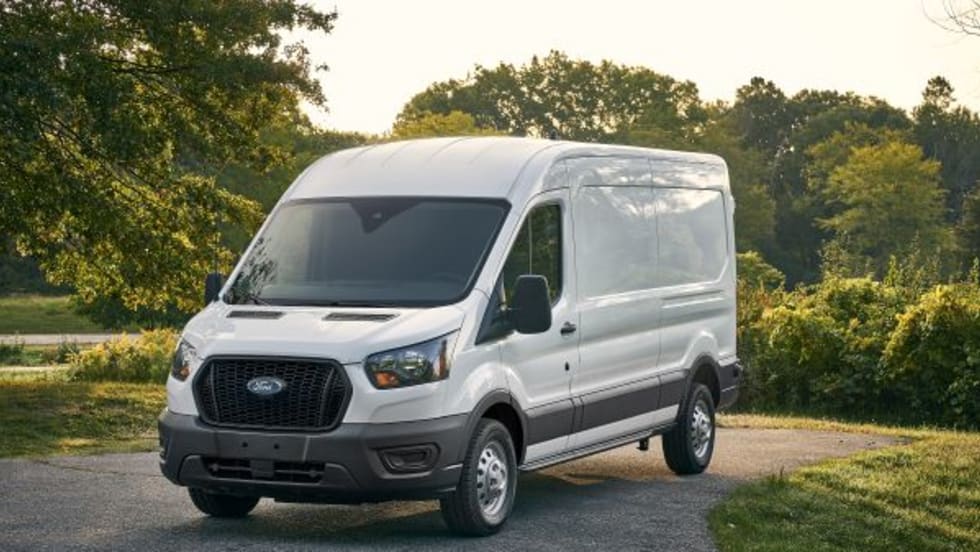
2021 Ford Transit Offers Versatility for Fleets
For the 2021-MY, Ford made ergonomic enhancements for drivers and added an available Parcel Delivery Package. This follows a major refresh in 2020, which added a Crew version, a new standard engine, standard active safety technologies, and embedded telematics to the Transit van family.
Read More →
Recognizing the Other Essential Drivers
Vocational and business fleet drivers don’t get the attention that truckers do. Yet they too are on the front lines, and their jobs often bring them into uncontrolled environments every day.
Read More →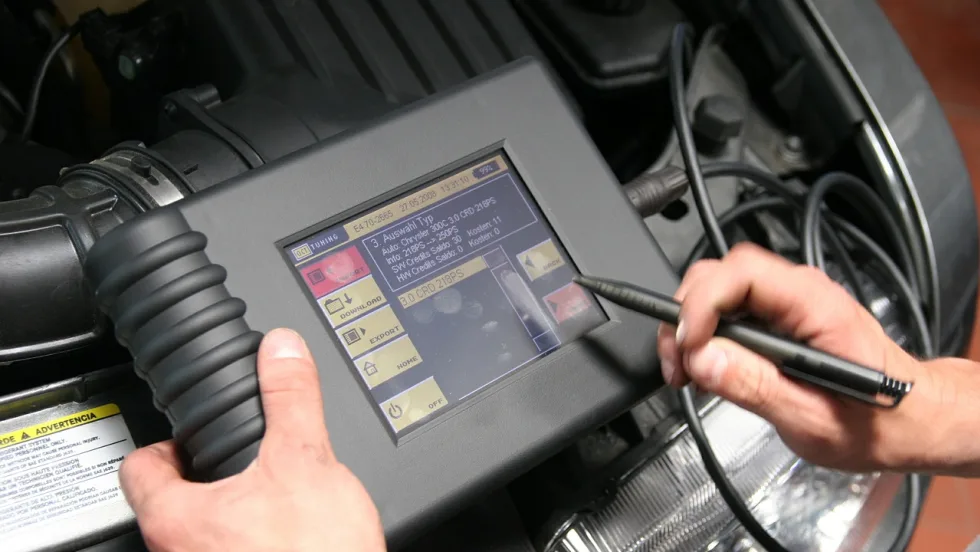
It’s Time to Formulate an ADAS Game Plan
As proliferation of Advanced Driver Assistance Systems (ADAS) increases, skilled labor, equipment, and training costs will increase as well. Fleet operators can’t mitigate these financial burdens by cutting corners on ADAS recalibration and repairs.
Read More →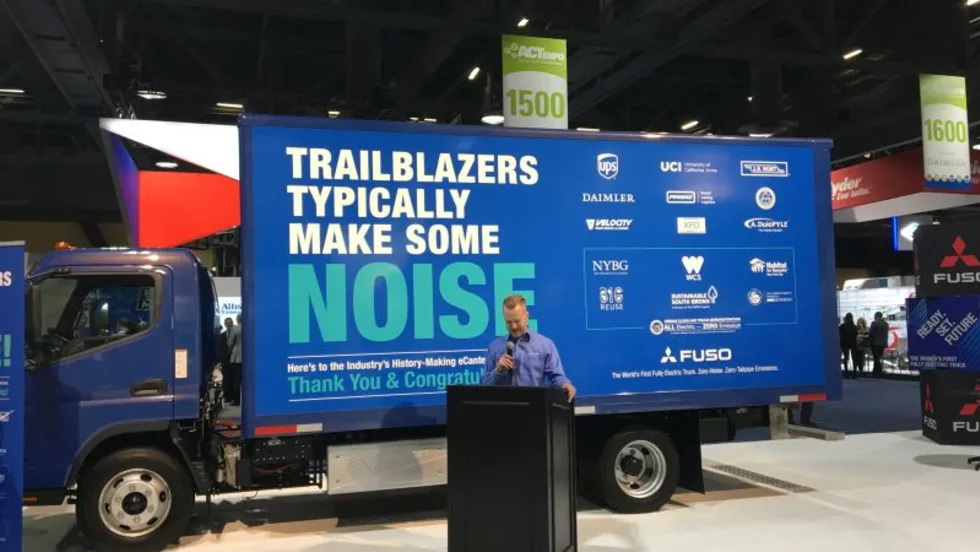
The Future is Electric, But…
With an increasing emphasis on emissions reductions mandates, will fleet operators get caught between clean technologies on their way out and an electric future that hasn’t yet arrived?
Read More →
6 Trend Lines from the 2019 Work Truck Show
From giant leaps in torque and towing to heavy duty truck personalization and chassis cab styling, these trends emerged from this year’s Work Truck Show in Indianapolis.
Read More →
They’re Coming for Your Diesel
In Southern California and other parts of the world, regulators are coalescing to ban, or severely curtail, diesel vehicles. There’s a growing disconnect with the mandates to green the environment and the availability of products and technologies to get us there.
Read More →
Hey Cannabis Companies, Welcome to Fleet
An industry is forming, and it needs help with fleet. In the meantime, the fleet industry should know that these new businesses are navigating extraordinary circumstances, which is forcing them to be better fleet operators pretty darn quick.
Read More →
Takeaways from the Fleet Forward Conference
Most attendees — from established fleets and vendors to new players that were only formed five years ago — didn’t know anyone. But that’s exactly the point.
Read More →
Is it Time to Rethink How Drivers Are Paid?
With the ELD rule affecting miles driven, and drivers’ duties increasingly including more than just driving the vehicle, what can be done to more accurately and fairly reflect a driver’s workday?
Read More →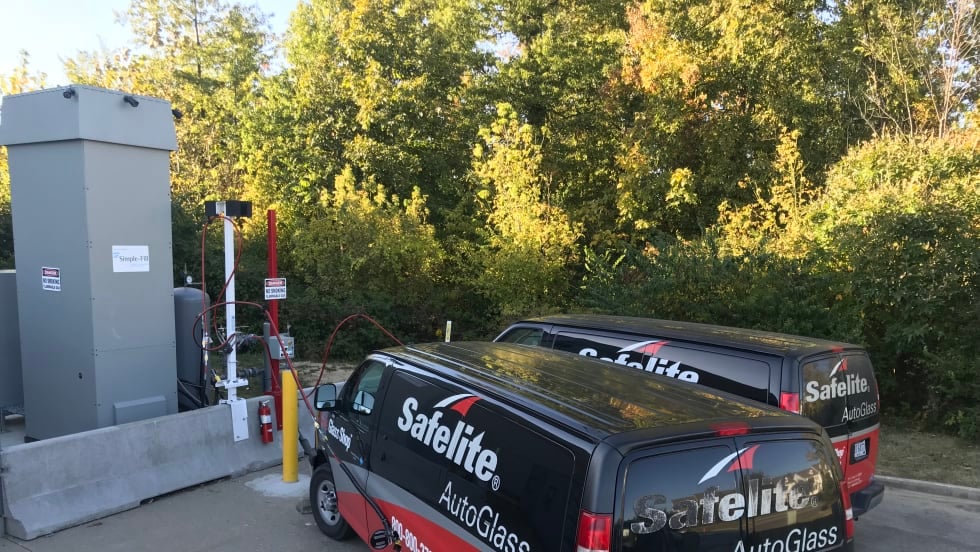
Whatever Happened to CNG?
While the light-duty market for compressed natural gas vehicles has almost evaporated, new near zero emissions technology and drastic reductions in infrastructure costs have reinvigorated the market for medium- and heavy-duty applications — even for smaller fleets.
Read More →