


The Missed Story behind RelayRides’ Suspension in New York
RelayRides must cease operations in New York State because it violated insurance law. But is it the legal gray area or the model itself that kept the service from growing?

New York State has finally brought the hammer down on peer-to-peer car sharer RelayRides (now known as Turo). After a lengthy investigation, the state’s Department of Financial Services (DFS) ordered RelayRides on Monday to pay a $200,000 fine and cease operations entirely; contending that RelayRides “put New Yorkers at risk through false advertising, unlicensed insurance activity and other violations.”
So what did RelayRides do wrong? Basically, it skirted New York State law by selling third-party insurance policies that were not licensed by the DFS. In New York, a car owner’s personal liability insurance policy provides coverage to any person who drives the vehicle with the owner’s permission. However, New York law does not permit an insurer to exclude coverage for a renter, as would be the case in a peer-to-peer transaction. As a result, an owner may be personally liable for any accident that occurred while the vehicle was being rented.
And so you get the claim of false advertising, such as the RelayRides commercial that claims consumers renting their cars are “covered with a million bucks worth of insurance.”
The DFS press statement reads with the typical bluster and grandstanding found in attorney generals’ announcements of Wall Street fraud busts. “We will not tolerate when companies break the law and jeopardize New Yorkers’ safety” sort of thing. In reality, RelayRides had already suspended operations in New York 10 months ago, as a result of the earlier investigation.
While this case sounds like RelayRides went down the path of “asking for forgiveness instead of permission,” it brings up more questions than answers. First, how did a reputable New York-based insurer (Hudson Insurance Co.) allow itself to get into this mess? When Hudson Insurance wrote the policy, would it not have had reasonable certainty that it would have held up under New York law?
Second, was this insurance issue ever tested in real life? For example, did the DFS step in during an actual claim in an accident involving a peer-to-peer rental and direct the car owner’s policy to be primary? More likely this is all still theoretical — in an injury accident RelayRides, Hudson Insurance and the car owner’s insurance company could be exploited for not playing by New York’s rules.
This case would not have been brought forward in states such as Washington, California and Oregon, which passed regulations ensuring that vehicle owners’ insurers would cede to the peer-to-peer company’s insurance during a rental and that the owners wouldn’t be dropped from their personal insurance for using a peer-to-peer service. In New York, RelayRides introduced similar legislation at the end of last year's legislative session.
What this case really points out is that peer-to-peer car sharing services still operate in a legal gray area in most states, and without clear direction on liability, trouble will ensue. It surely will have a chilling effect on insurance companies looking to insure peer-to-peer operations in those gray-area states, and perhaps on car owners themselves.
But there’s one more telling bit of information from this case, and it’s almost an afterthought in the consent order. It states that from June 2011 through May 14, 2013, RelayRides sold its services to 895 New York renters and 258 New York vehicle owners.
Assuming those car sharers were in New York City, America’s biggest market and one with a density ideal for car sharing, those owners realized an average of only 3.5 total customers, or about 1.7 per year.
In that same RelayRides commercial, a guy holds up a coffee cup that states that car owners can make up to $1,000 a month. Judging from the New York numbers, that claim seems woefully misleading.
While the peer-to-peer market may be gaining traction in other areas such as apartment rentals and taxi services, the peer-to-peer car sharing market is still laden with issues — perhaps the business model itself — that it needs to work through.
More Blog Posts
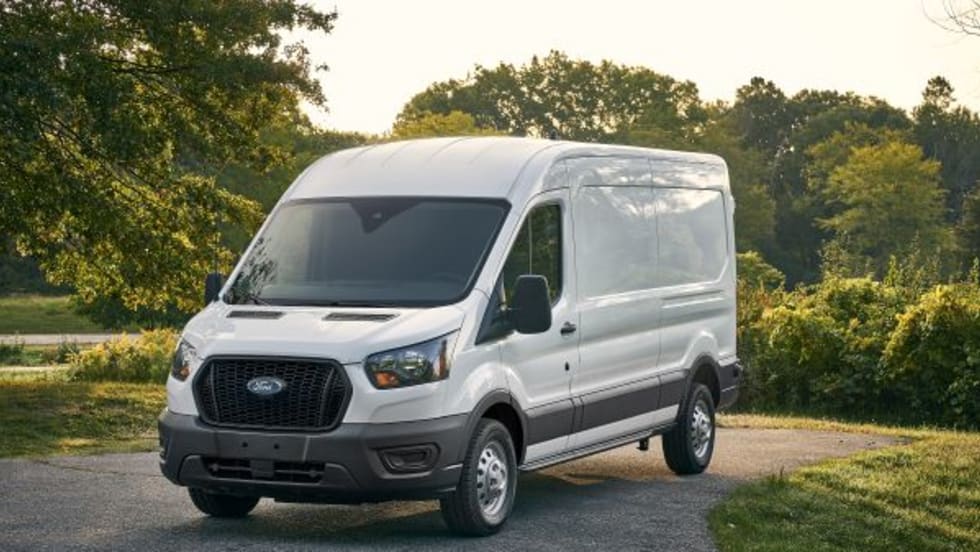
2021 Ford Transit Offers Versatility for Fleets
For the 2021-MY, Ford made ergonomic enhancements for drivers and added an available Parcel Delivery Package. This follows a major refresh in 2020, which added a Crew version, a new standard engine, standard active safety technologies, and embedded telematics to the Transit van family.
Read More →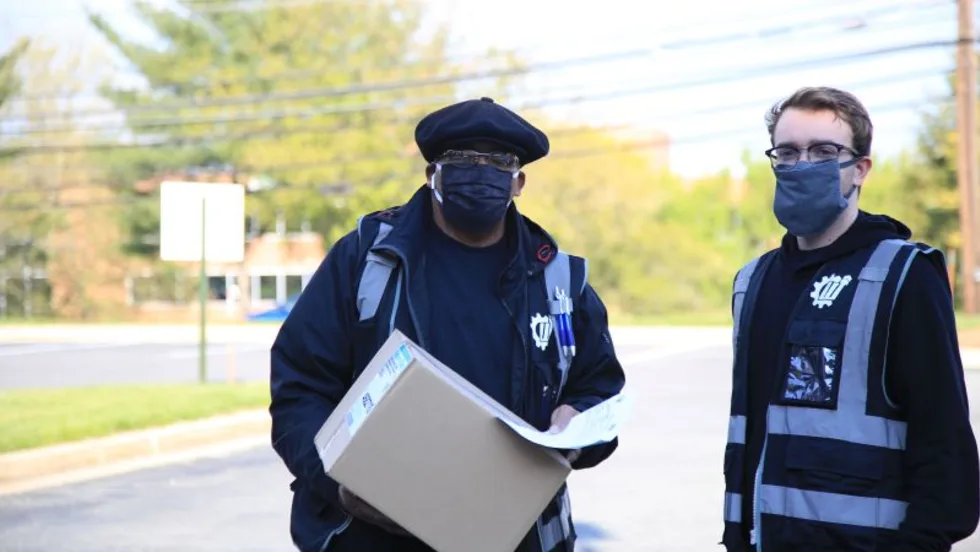
Recognizing the Other Essential Drivers
Vocational and business fleet drivers don’t get the attention that truckers do. Yet they too are on the front lines, and their jobs often bring them into uncontrolled environments every day.
Read More →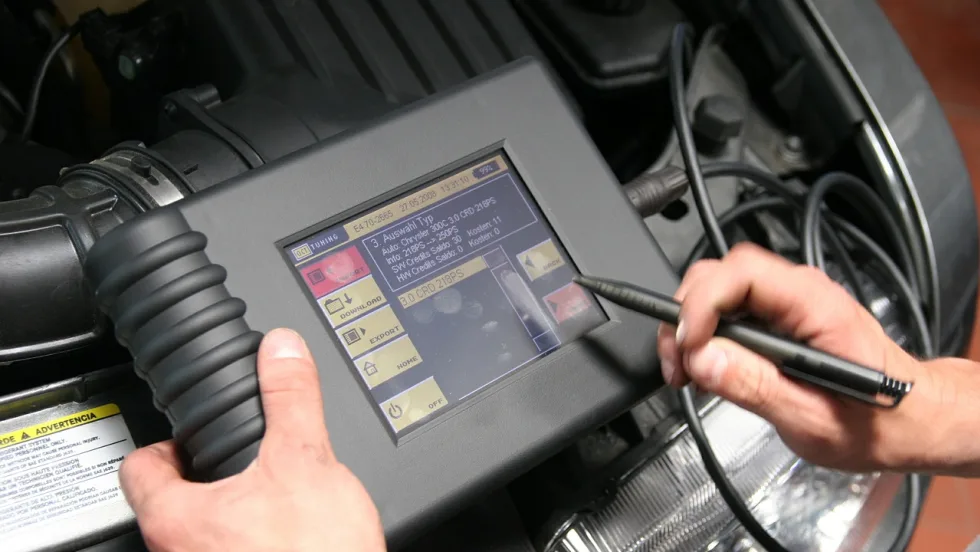
It’s Time to Formulate an ADAS Game Plan
As proliferation of Advanced Driver Assistance Systems (ADAS) increases, skilled labor, equipment, and training costs will increase as well. Fleet operators can’t mitigate these financial burdens by cutting corners on ADAS recalibration and repairs.
Read More →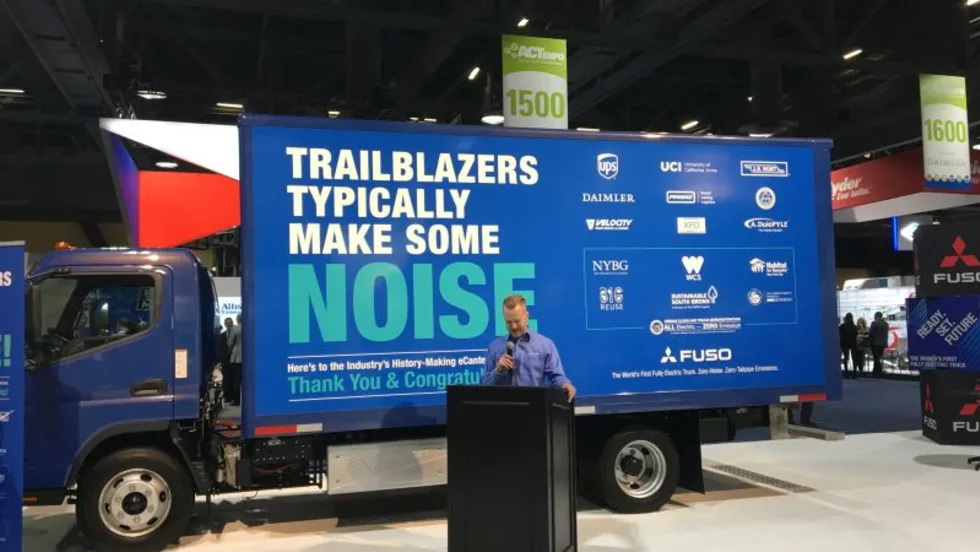
The Future is Electric, But…
With an increasing emphasis on emissions reductions mandates, will fleet operators get caught between clean technologies on their way out and an electric future that hasn’t yet arrived?
Read More →
6 Trend Lines from the 2019 Work Truck Show
From giant leaps in torque and towing to heavy duty truck personalization and chassis cab styling, these trends emerged from this year’s Work Truck Show in Indianapolis.
Read More →
They’re Coming for Your Diesel
In Southern California and other parts of the world, regulators are coalescing to ban, or severely curtail, diesel vehicles. There’s a growing disconnect with the mandates to green the environment and the availability of products and technologies to get us there.
Read More →
Hey Cannabis Companies, Welcome to Fleet
An industry is forming, and it needs help with fleet. In the meantime, the fleet industry should know that these new businesses are navigating extraordinary circumstances, which is forcing them to be better fleet operators pretty darn quick.
Read More →
Takeaways from the Fleet Forward Conference
Most attendees — from established fleets and vendors to new players that were only formed five years ago — didn’t know anyone. But that’s exactly the point.
Read More →
Is it Time to Rethink How Drivers Are Paid?
With the ELD rule affecting miles driven, and drivers’ duties increasingly including more than just driving the vehicle, what can be done to more accurately and fairly reflect a driver’s workday?
Read More →
Whatever Happened to CNG?
While the light-duty market for compressed natural gas vehicles has almost evaporated, new near zero emissions technology and drastic reductions in infrastructure costs have reinvigorated the market for medium- and heavy-duty applications — even for smaller fleets.
Read More →