


The Problem with Valuing Safety Technology
As advanced safety technologies have migrated to mainstream vehicles, retaining value for these options at resale remains an issue.

Active safety technologies have come a long way. Systems that alert you to blind spots or rear hazards, keep you in your lane, and brake for you to mitigate a crash have migrated from luxury marques to wide availability on mainstream vehicles.
As such, they’re now available as options in most fleet vehicles — and that presents a new set of cost choices for fleet operators. Any technology that prevents a crash would be deemed “worth it,” however, we endeavored to find out how much value these options retained at resale.
With the help of Vincentric, we analyzed active safety options in the context of total cost of ownership (TCO) for 17 popular fleet models. For the analysis, Vincentric calculated its standard eight cost elements: depreciation, financing, fees and taxes, fuel, insurance, maintenance, opportunity cost, and repairs. This analysis covers a 36-month period with an average of 20,000 miles a year.
For an apples-to-apples analysis, we looked at selected 2017-MY models with and without available safety packages. We chose to look at bundles, or packages, because that’s how these safety features are generally ordered. Note that many packages are not available on base trim levels, and many packages also include non-safety communication, navigation, diagnostics, and entertainment technologies.
What became immediately clear in this analysis is that these safety features — with few exceptions — do not retain any monetary value in the wholesale market.
Certainly, actual used vehicle sales to end users do result in a higher price for the vehicle with added safety content. But in auction lanes, this isn’t the case. These options are not differentiated by VIN, and are therefore not transparent to auction buyers.
As a result, Black Book, the guidebook that supplies Vincentric with its depreciation data, does not generally assign values to safety packages. Black Book provided this statement:
“Over the years, there have been a few safety features for which we have created ‘adds’ due to their desirability in the used market. However, in most cases dealers did not have to pay more at auction for units with safety features versus those without.”
In our analysis, four of 17 models had safety packages that retained some value: Ford Escape, Nissan Altima, Toyota Camry, and Volvo S60. Total invoice prices for all available safety packages and options ran $1,301 on Escape, $2,647 on Altima, $2,438 on S60, and $4,143 on Camry.
After 36 months, Escape’s safety options retained the highest value, depreciating 61% and retaining $504 of invoice. Altima’s options depreciated 77% and retained $599; S60’s options depreciated 75% and retained $805; Camry’s depreciated 97% and retained $116 of the $4,143 invoice.
It should be noted again that on these four vehicles (and other vehicles) there are many combinations of available safety options to choose from — this is only meant to give a general idea of value retention on the few vehicles that Black Book assigns any retention.
As technology marches forward, these safety options are only becoming more ubiquitous. But will they ever hold monetary value upon remarketing?
“As more and more technology and safety features have been and continue to be introduced, dealers have begun actively seeking vehicles with certain safety equipment based on customer demands,” the Black Book statement continues. “We know that this is an important topic to the industry and consumers alike. As this subject progresses to unfold, we will continue to follow the market and dissect the data to see if more adds are needed.”
Another facilitator will be for auto manufacturers to capture these features in the VIN’s option codes, which would make them discernable to wholesale buyers — and allow vehicle valuation guides to more precisely track sales performance. Some guidebooks and OEMs are in active discussions on this front, though no concrete announcements are forthcoming.
Of course, this problem is negated as these features become standard. Rearview cameras, already standard on many models, will be mandated on all cars built from May 1, 2018.
Forward collision mitigation employs automatic emergency braking (autobrake) technology. According to the Insurance Institute for Highway Safety (IIHS), 20 manufacturers have pledged to voluntarily make autobrake standard on nearly all their passenger vehicles by Sept. 1, 2022.
More Blog Posts
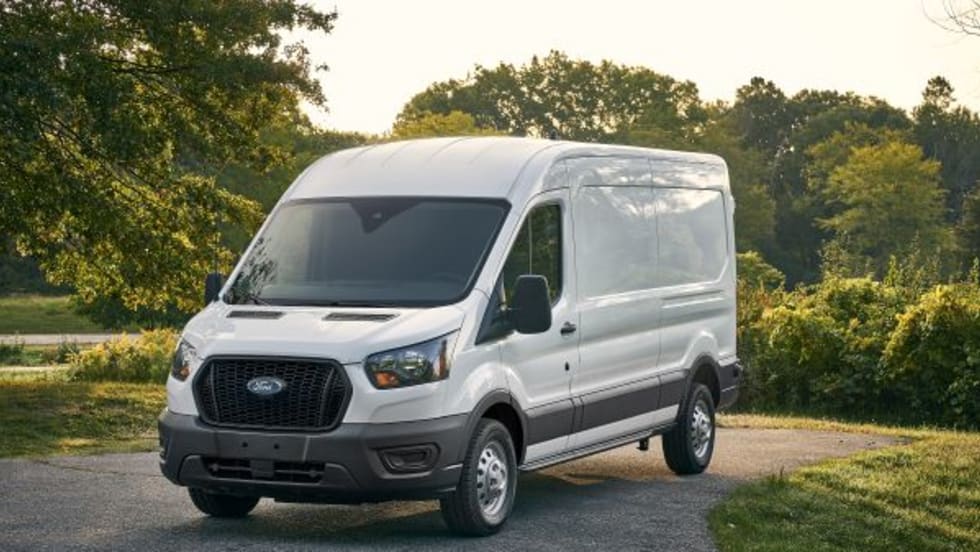
2021 Ford Transit Offers Versatility for Fleets
For the 2021-MY, Ford made ergonomic enhancements for drivers and added an available Parcel Delivery Package. This follows a major refresh in 2020, which added a Crew version, a new standard engine, standard active safety technologies, and embedded telematics to the Transit van family.
Read More →
Recognizing the Other Essential Drivers
Vocational and business fleet drivers don’t get the attention that truckers do. Yet they too are on the front lines, and their jobs often bring them into uncontrolled environments every day.
Read More →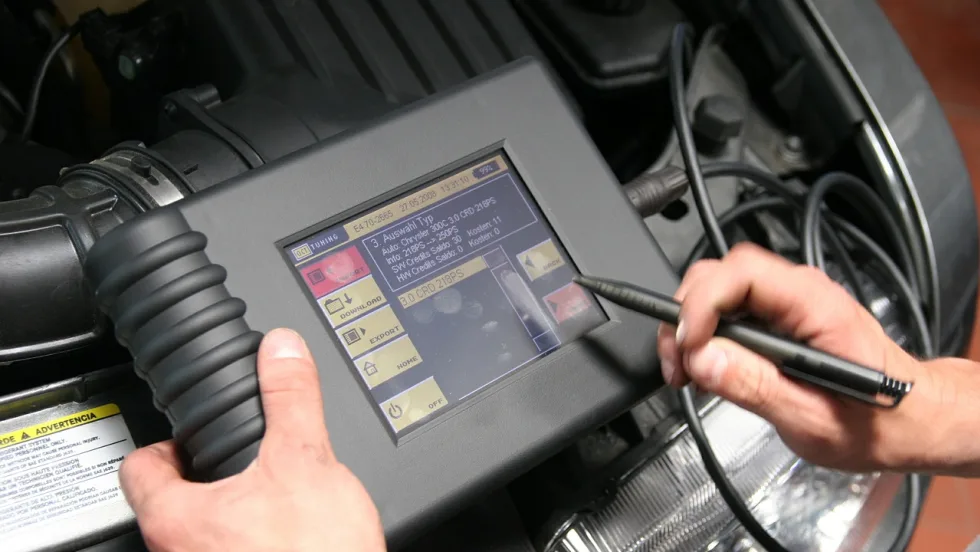
It’s Time to Formulate an ADAS Game Plan
As proliferation of Advanced Driver Assistance Systems (ADAS) increases, skilled labor, equipment, and training costs will increase as well. Fleet operators can’t mitigate these financial burdens by cutting corners on ADAS recalibration and repairs.
Read More →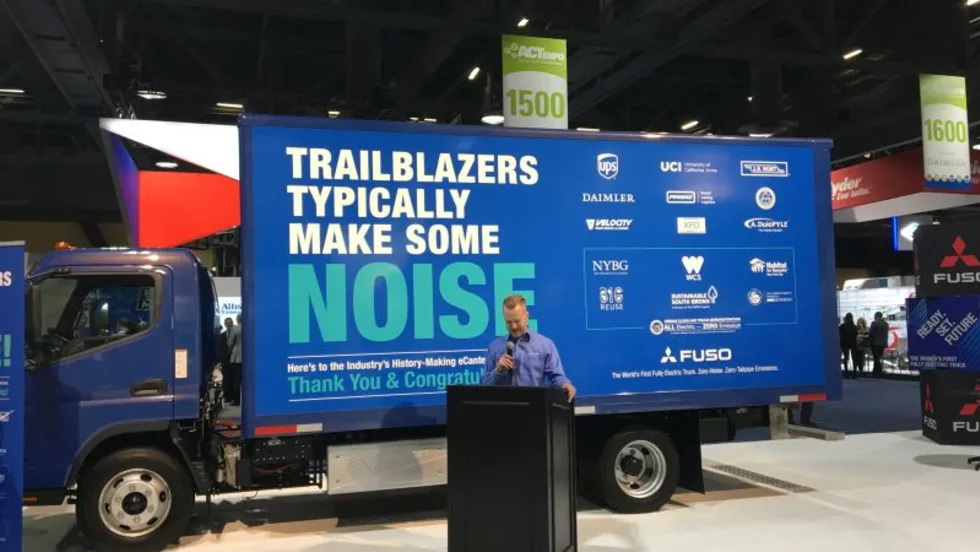
The Future is Electric, But…
With an increasing emphasis on emissions reductions mandates, will fleet operators get caught between clean technologies on their way out and an electric future that hasn’t yet arrived?
Read More →
6 Trend Lines from the 2019 Work Truck Show
From giant leaps in torque and towing to heavy duty truck personalization and chassis cab styling, these trends emerged from this year’s Work Truck Show in Indianapolis.
Read More →
They’re Coming for Your Diesel
In Southern California and other parts of the world, regulators are coalescing to ban, or severely curtail, diesel vehicles. There’s a growing disconnect with the mandates to green the environment and the availability of products and technologies to get us there.
Read More →
Hey Cannabis Companies, Welcome to Fleet
An industry is forming, and it needs help with fleet. In the meantime, the fleet industry should know that these new businesses are navigating extraordinary circumstances, which is forcing them to be better fleet operators pretty darn quick.
Read More →
Takeaways from the Fleet Forward Conference
Most attendees — from established fleets and vendors to new players that were only formed five years ago — didn’t know anyone. But that’s exactly the point.
Read More →
Is it Time to Rethink How Drivers Are Paid?
With the ELD rule affecting miles driven, and drivers’ duties increasingly including more than just driving the vehicle, what can be done to more accurately and fairly reflect a driver’s workday?
Read More →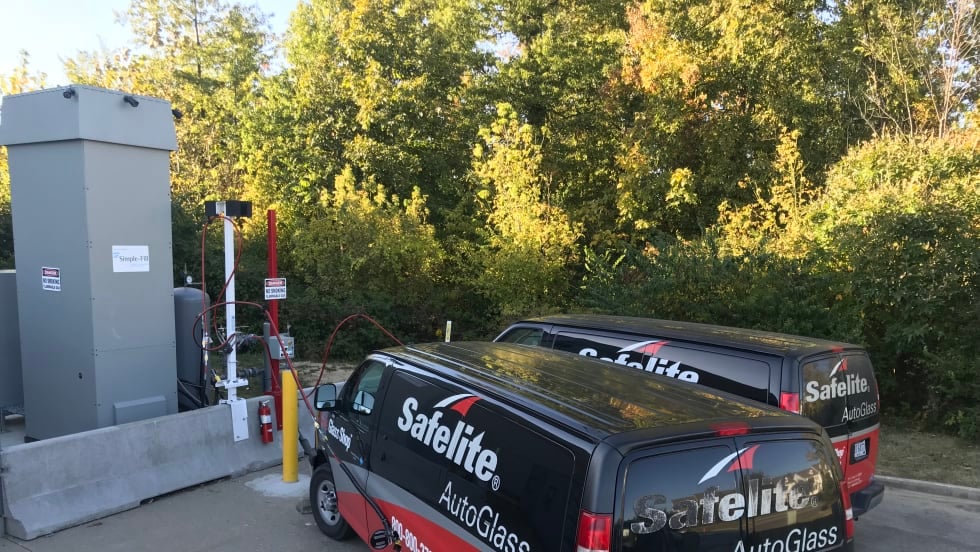
Whatever Happened to CNG?
While the light-duty market for compressed natural gas vehicles has almost evaporated, new near zero emissions technology and drastic reductions in infrastructure costs have reinvigorated the market for medium- and heavy-duty applications — even for smaller fleets.
Read More →