


“Total Loss” Category Causing Unneeded Losses for Fleets
On Carfax and AutoCheck’s vehicle history reports, the category “Total Loss” is often used for vehicles that are satisfactorily repaired. Is that fair?

Damaged fleet cars that would have been commonly repaired under an insurance claim are now being labeled a “Total Loss” — and it is costing fleet consignors millions.
This is a result of a new category on vehicle history reports issued by Carfax and Experian’s AutoCheck called “Total Loss.” This category is often used for vehicles that have clean titles and were never “totaled” by insurance companies.
The problem, says Michael Towers, the founder and CEO of Hawthorne Estimating, a damage claim, estimating and vehicle disposal firm, is that the category is used when a carrier pays a claim based on the difference between Actual Cash Value (ACV) and the salvaged or damaged condition. While sellers have a legal right to diminished value, it is a distinction of a legal entitlement, not a representation that the vehicle was a “total loss” in loose terminology.
“In other words, when we get a carrier to pay a claim as a ‘total loss’ and the damages are 40% of the Actual Cash Value, they are doing so as a legal entitlement, but clearly the settlement method is not indicative of the condition of the vehicle,” Towers says. “Consumers and auctions buy these reports to find out if the vehicle was involved in an accident. They don’t necessarily care about the underlying claim, how it was processed and what the claimant’s legal rights were to a fair settlement.”
Prior disclosures such as “air bag deployment” and “frame damage” are fine, says Towers, but to now tag a vehicle with the label “Total Loss” — when that car would have been repaired by any insurance company every day — is not only misleading, but it’s also needlessly costly to the seller and presents future problems for the buyer.
When a fleet sells lightly and moderately damaged vehicles, they are often sold in their damaged condition to avoid incurring diminution of value down the road or to avoid having to fix a vehicle when the buyer would rather replace it with one undamaged. As a result, sellers attempt to combine the damage estimate amount with the salvage amount and try to make it meet the payoff amount — which it hardly ever does. Those losses are $1,500 to $2,000 per vehicle. By labeling the vehicle a “Total Loss,” the salvage is now worth less than it should be, hence increasing the loss to seller.
Compounding the matter is the fact that there is no clear definition of total loss; it varies by state. As well, those “Total Loss” tag lines are popping up after the damage claim is settled, even after the car is sold. A new buyer could purchase the vehicle with disclosed prior damage but with a clean title — only to get stuck with “Total Loss” after the claim is settled. This leaves new buyers with a vehicle that banks won’t finance because of the “Total Loss” tag line.
“One of my client’s vehicles had been tagged ‘Total Loss’ because of how the claim got settled months after it was sold,” Towers says. “The buyer had to drive the vehicle during the appeal process to both AutoCheck and Carfax. Both said they would not remove the designation because the insurance carrier settled the claim as a ‘Total Loss.’”
For you fleet consignors out there, have you dealt with a claim that was labeled a “Total Loss” on a vehicle history report, even though the vehicle was repaired by you or sold unrepaired? Speak up!
More Blog Posts
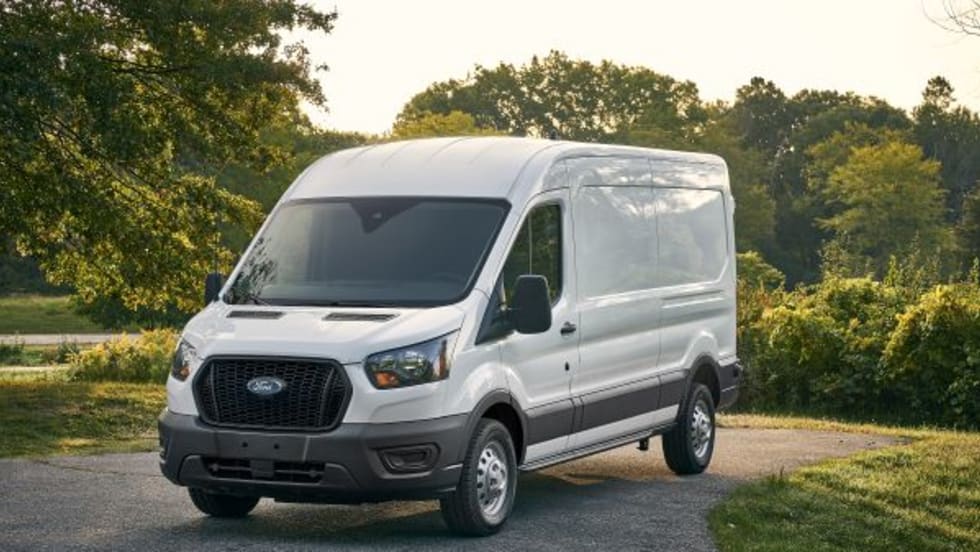
2021 Ford Transit Offers Versatility for Fleets
For the 2021-MY, Ford made ergonomic enhancements for drivers and added an available Parcel Delivery Package. This follows a major refresh in 2020, which added a Crew version, a new standard engine, standard active safety technologies, and embedded telematics to the Transit van family.
Read More →
Recognizing the Other Essential Drivers
Vocational and business fleet drivers don’t get the attention that truckers do. Yet they too are on the front lines, and their jobs often bring them into uncontrolled environments every day.
Read More →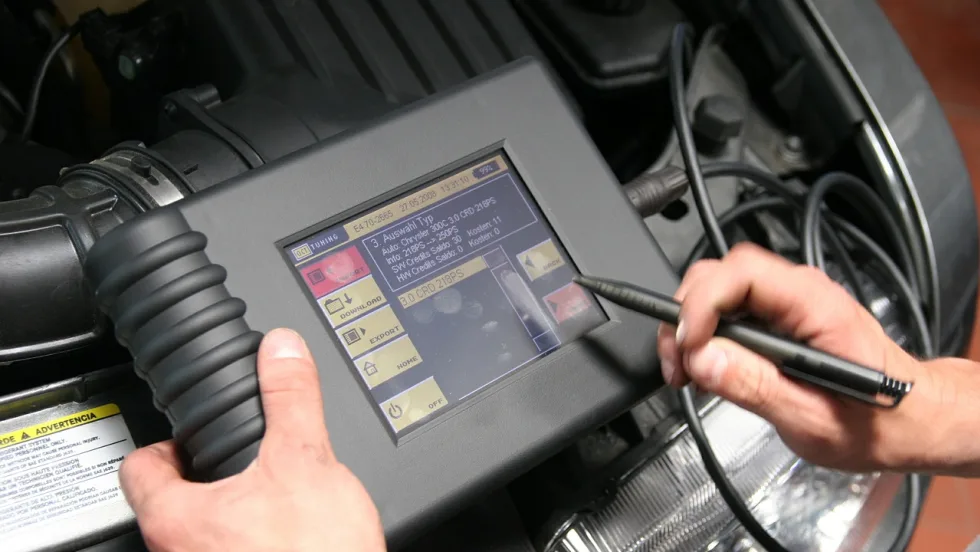
It’s Time to Formulate an ADAS Game Plan
As proliferation of Advanced Driver Assistance Systems (ADAS) increases, skilled labor, equipment, and training costs will increase as well. Fleet operators can’t mitigate these financial burdens by cutting corners on ADAS recalibration and repairs.
Read More →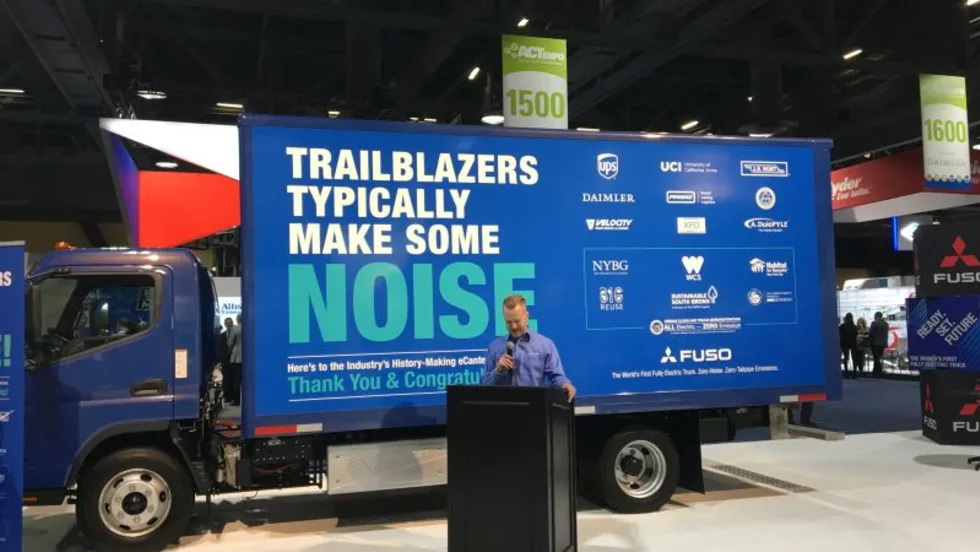
The Future is Electric, But…
With an increasing emphasis on emissions reductions mandates, will fleet operators get caught between clean technologies on their way out and an electric future that hasn’t yet arrived?
Read More →
6 Trend Lines from the 2019 Work Truck Show
From giant leaps in torque and towing to heavy duty truck personalization and chassis cab styling, these trends emerged from this year’s Work Truck Show in Indianapolis.
Read More →
They’re Coming for Your Diesel
In Southern California and other parts of the world, regulators are coalescing to ban, or severely curtail, diesel vehicles. There’s a growing disconnect with the mandates to green the environment and the availability of products and technologies to get us there.
Read More →
Hey Cannabis Companies, Welcome to Fleet
An industry is forming, and it needs help with fleet. In the meantime, the fleet industry should know that these new businesses are navigating extraordinary circumstances, which is forcing them to be better fleet operators pretty darn quick.
Read More →
Takeaways from the Fleet Forward Conference
Most attendees — from established fleets and vendors to new players that were only formed five years ago — didn’t know anyone. But that’s exactly the point.
Read More →
Is it Time to Rethink How Drivers Are Paid?
With the ELD rule affecting miles driven, and drivers’ duties increasingly including more than just driving the vehicle, what can be done to more accurately and fairly reflect a driver’s workday?
Read More →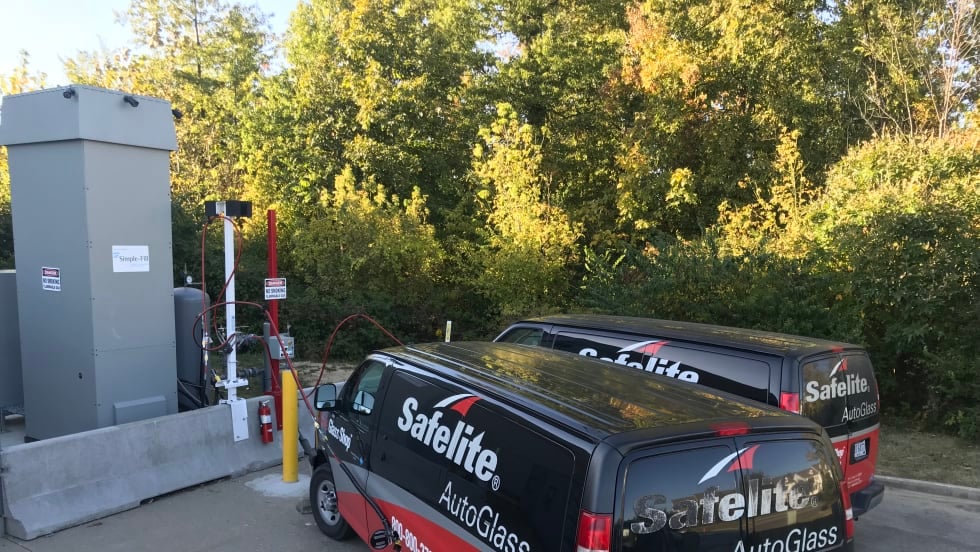
Whatever Happened to CNG?
While the light-duty market for compressed natural gas vehicles has almost evaporated, new near zero emissions technology and drastic reductions in infrastructure costs have reinvigorated the market for medium- and heavy-duty applications — even for smaller fleets.
Read More →