


Uber for Business: Promise or Threat?
How catching a ride from a guy in his Honda Accord could change the shape of business travel.

Uber launched a business travel initiative at the Global Business Travel Association (GBTA) convention last week. Room 410 of the Los Angeles Convention Center was packed, but not necessarily to hear the press announcement.
The chauffeured transportation companies in the audience had a thing or two to say to Uber, the on-demand black car and peer-to-peer ridesharing service that’s been eating into the taxi and limo business along with other transportation network companies (TNCs), such as Lyft and Sidecar. Yes, that Uber, the company that was recently valued at $17 billion.
The crowd was not intent on hearing how Uber for Business will facilitate a new method of business travel. They wanted to know about driver qualifications, insurance regulations and a wrongful death lawsuit. For Uber, they hailed a ride to the lion’s den.
Uber representatives said they wouldn’t take questions, but would be available to talk individually after the presentation. The crowd wasn’t having it, and forced them to sit and listen to the group. Uber reps answered what was appropriate and provided “no comment” for the rest.
Can you say disruptive business model? Uber’s warp-drive growth — from zero to 162 cities and 42 countries in about four years — is staggering. This pace of this growth inevitably brings out the daggers, as Uber sidesteps entrenched regulation and bureaucracy that traditional transportation companies have been managing for decades.
“All it takes is one federal judge to say that they’re employees and not independent contractors,” said Scott Solombrino later at a sit down during the GBTA convention. Solombrino is CEO and president of Dav El and Boston Coach, owners of the largest chauffeured transportation fleet in the world. Nonetheless, “Uber has changed the paradigm of how people view transportation,” he admitted.
Solombrino is starting a similar “on-demand” service, though instead of using independent contractors his drivers will be employees of existing transportation companies and vetted by traditional means. The service is testing now; he anticipates going live in October. “Uber built a better mousetrap, but we’ll do it even better,” he said.
Walking around the GBTA’s show floor made it clear that the technology used by Uber, its competitors and Solombrino is also driving a broader trend toward the real-time visibility and “consumerization” of business travel in all of its forms.
This technology is pushing notifications to your smartphone on the amenities included in your negotiated travel rates. It’s establishing and refining your preferences — and knowing where you are — through your credit card swipes. It’s automatically categorizing your expenses at the point of transaction. It’s about rating everything and getting rated yourself. Welcome to the age of transparency.
After the convention, I went to a reception at an off-site hotel and found myself amid a group of travel managers. I asked for their stance on this sharing economy when it comes to business travel (which now includes lodging through Airbnb and office rental through PeerSpace).
They agreed that there are a myriad of insurance and regulatory issues to be sorted out, and corporate policies are being drawn up to govern usage. Nonetheless, travel managers, including Eric Bailey of Microsoft, said that Microsoft employees had been using Uber and Lyft for business well before the day’s announcement.
Indeed, the daily barrage of lawsuits, protests, city council hearings and opinion papers continues. But if Uber, Lyft and the like somehow fail to survive, there will be multiple companies — such as Solombrino’s — that will get it right. The model, in its purest form, is that powerful.
At the end of the night, I wasn’t in the mood to hoof it back to the convention center parking, so I summoned Uber. The app said the driver would be at the hotel in seven minutes; it was closer to four. I rushed outside, not wanting to create a delay for the driver that might damage my passenger rating.
My driver, Jorge, was friendly and driving a very clean late-model Honda Accord. The experience was seamless; the trip was quick and cheap. Enough said.
More Blog Posts
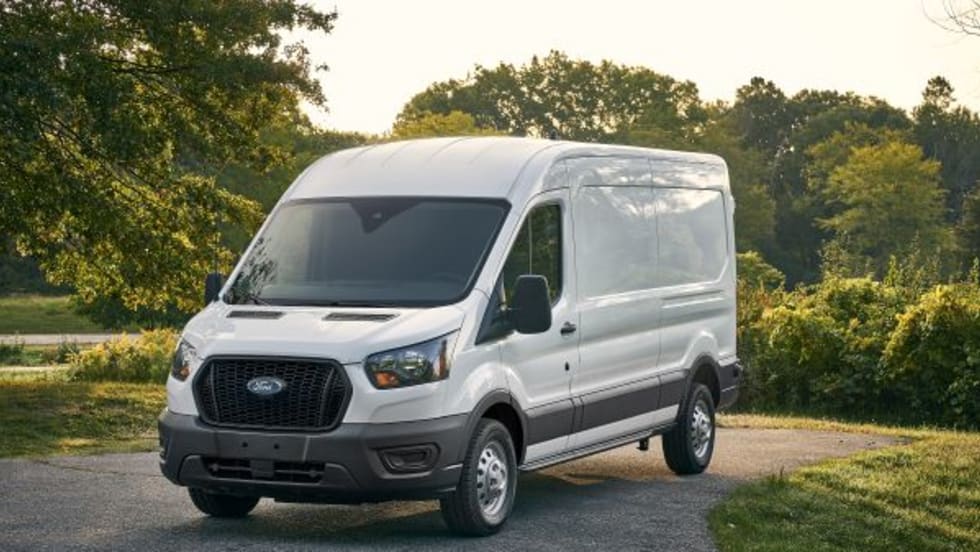
2021 Ford Transit Offers Versatility for Fleets
For the 2021-MY, Ford made ergonomic enhancements for drivers and added an available Parcel Delivery Package. This follows a major refresh in 2020, which added a Crew version, a new standard engine, standard active safety technologies, and embedded telematics to the Transit van family.
Read More →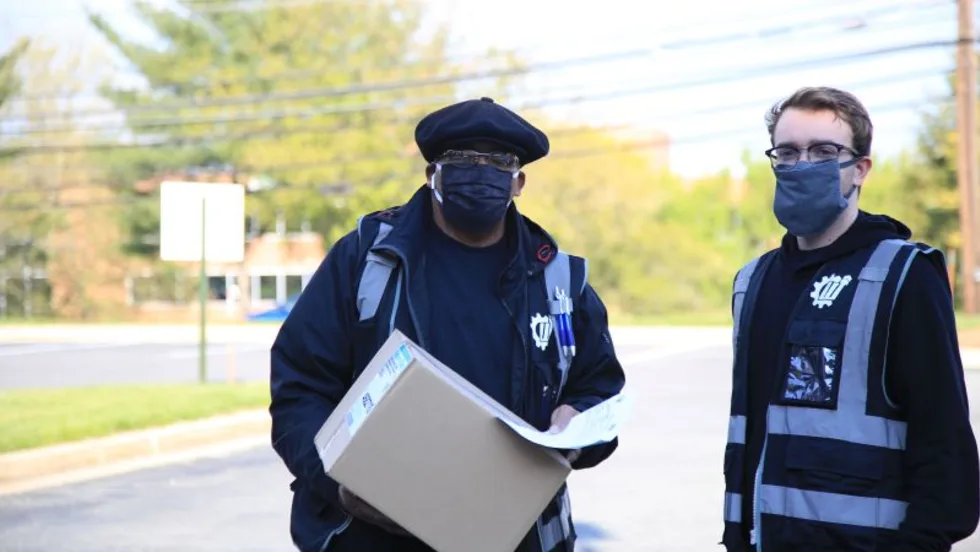
Recognizing the Other Essential Drivers
Vocational and business fleet drivers don’t get the attention that truckers do. Yet they too are on the front lines, and their jobs often bring them into uncontrolled environments every day.
Read More →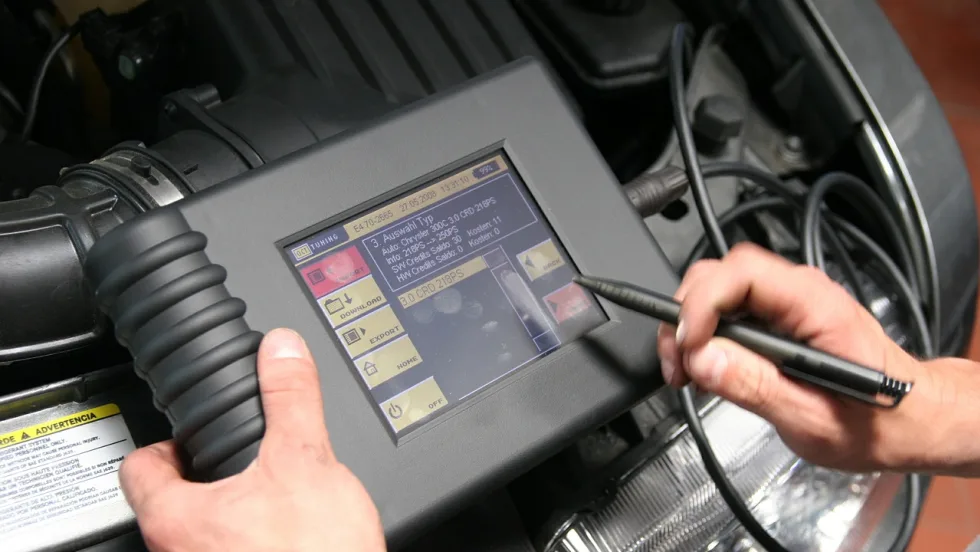
It’s Time to Formulate an ADAS Game Plan
As proliferation of Advanced Driver Assistance Systems (ADAS) increases, skilled labor, equipment, and training costs will increase as well. Fleet operators can’t mitigate these financial burdens by cutting corners on ADAS recalibration and repairs.
Read More →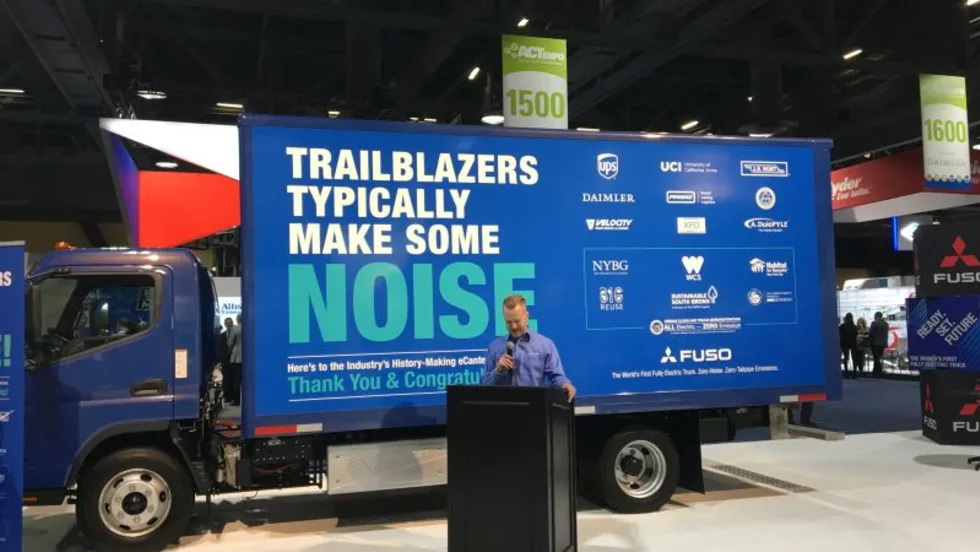
The Future is Electric, But…
With an increasing emphasis on emissions reductions mandates, will fleet operators get caught between clean technologies on their way out and an electric future that hasn’t yet arrived?
Read More →
6 Trend Lines from the 2019 Work Truck Show
From giant leaps in torque and towing to heavy duty truck personalization and chassis cab styling, these trends emerged from this year’s Work Truck Show in Indianapolis.
Read More →
They’re Coming for Your Diesel
In Southern California and other parts of the world, regulators are coalescing to ban, or severely curtail, diesel vehicles. There’s a growing disconnect with the mandates to green the environment and the availability of products and technologies to get us there.
Read More →
Hey Cannabis Companies, Welcome to Fleet
An industry is forming, and it needs help with fleet. In the meantime, the fleet industry should know that these new businesses are navigating extraordinary circumstances, which is forcing them to be better fleet operators pretty darn quick.
Read More →
Takeaways from the Fleet Forward Conference
Most attendees — from established fleets and vendors to new players that were only formed five years ago — didn’t know anyone. But that’s exactly the point.
Read More →
Is it Time to Rethink How Drivers Are Paid?
With the ELD rule affecting miles driven, and drivers’ duties increasingly including more than just driving the vehicle, what can be done to more accurately and fairly reflect a driver’s workday?
Read More →
Whatever Happened to CNG?
While the light-duty market for compressed natural gas vehicles has almost evaporated, new near zero emissions technology and drastic reductions in infrastructure costs have reinvigorated the market for medium- and heavy-duty applications — even for smaller fleets.
Read More →