


What a Connected Fleet Means to Avis (and Car Rental)
Counter bypass is just the beginning. The promise of a “data-driven ecosystem” that connects renters with the rental agency, retail services, and even the city is a better managed fleet, an improved user experience, and new revenue opportunities during the rental itself.

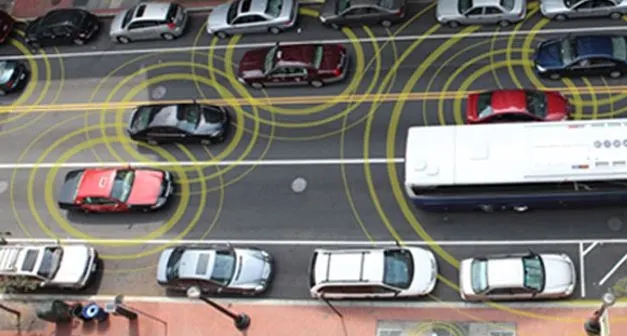
Within three model years, automakers such as Ford pledge that 90% of new models will be connected. (Photo via Safercar.gov)
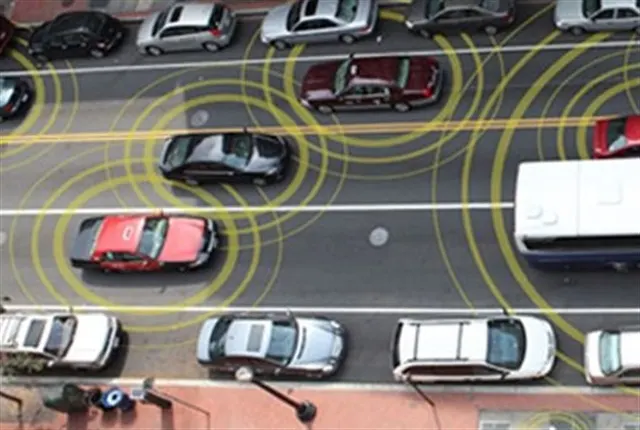
Within three model years, automakers such as Ford pledge that 90% of new models will be connected. (Photo via Safercar.gov)
All vehicles will be connected someday — to their owners, each other, and the amorphous, all-powerful “grid.” This connectivity will revolutionize transportation, even though we won’t yet grasp its full impact until we’re well past full connectivity.
For auto rental, a milestone on this journey is Avis Budget Group’s announcement to connect 50,000 rental units with telematics technology. To be sure, car rental companies have been using telematics to track fleet vehicles for years, and the technology is inherent in carsharing models, including Avis subsidiary Zipcar. Yet this initiative is noteworthy in its scale — to create a global car rental fleet, says Arthur Orduna, Avis Budget Group’s chief innovation officer.
He says the goal, however, is not to explode the traditional car rental model tomorrow, but rather guide its evolution into a continually refined user experience.
The changes will happen incrementally, from the low-hanging fruit of applications available today to the big picture of a connected future. “The ‘tip of the tip’ of the iceberg is self-service and counter bypass,” Orduna says. “What we’re talking about is a data-driven ecosystem.”
How does a connected fleet manifest in the near future?
The Avis connectivity model provides real-time location, odometer readings, and fuel measurement, engine diagnostics, and remote vehicle access. It also provides a way to communicate with the renter.
The technology would allow the digitally authenticated renter to switch or upgrade to a specific car while on the runway, bypass the counter, and then bypass the parking lot checkout kiosk. “This builds on what we provide today to our Avis Preferred customers and (those using) the Avis Now app,” Orduna says.
Shortening vehicle pickup and drop-off times and sidestepping long counter lines — a CSI backbreaker — would free up Avis personnel to act more as ambassadors, Orduna says.
Without traditional over-the-counter interaction, some worry that sales of ancillary products and services would slip. While Avis is learning how those sales will translate into the digital realm, the real opportunity is to leverage communication with the renter during the actual rental.
“A connected experience creates new categories of ancillary services that are accessed, transacted, and fulfilled as part of the digital ecosystem,” Orduna says.
Obvious opportunities lie in location-based services, such as connecting the renter to tourist attractions or the highest-rated boutique coffee shop based on their “geo-fences.”
Rental contract information and location could be mashed with fuel level to notify renters of a discount from a nearby fuel provider, along with turn-by-turn directions. If the renter is about to turn in the car, the reminder could also help avoid a refueling fee.
In a truly connected environment, the vehicle connects not only with retailers but also a city’s public services to warn of construction or places to avoid. “We can start mixing all of those together,” Orduna says. “That’s really powerful.”
Internally, a connected, geo-located fleet allows for better fleet management — anticipating fleet needs at a certain location and using the data, in aggregate, to pinpoint services and price accordingly.
Looking out further, many uses aren’t yet known. That’s okay; the point today is being ready to take advantage. “(The technology) gives us the flexibility to experiment to see how this will evolve, and understand how these digital on-demand services will be consumed,” Orduna says.
This constantly evolving path may end up with a large percentage of traditional car rental fleets morphing into a free-floating, carsharing model, such as car2go and Zipcar Flex in London. Yet the immediate goal is to better manage the fleet and improve the user experience. With that, greater loyalty and new revenue opportunities will follow.
“We want the customer to say, ‘wow, that was really cool, that was really convenient,’” Orduna says.
More Blog Posts
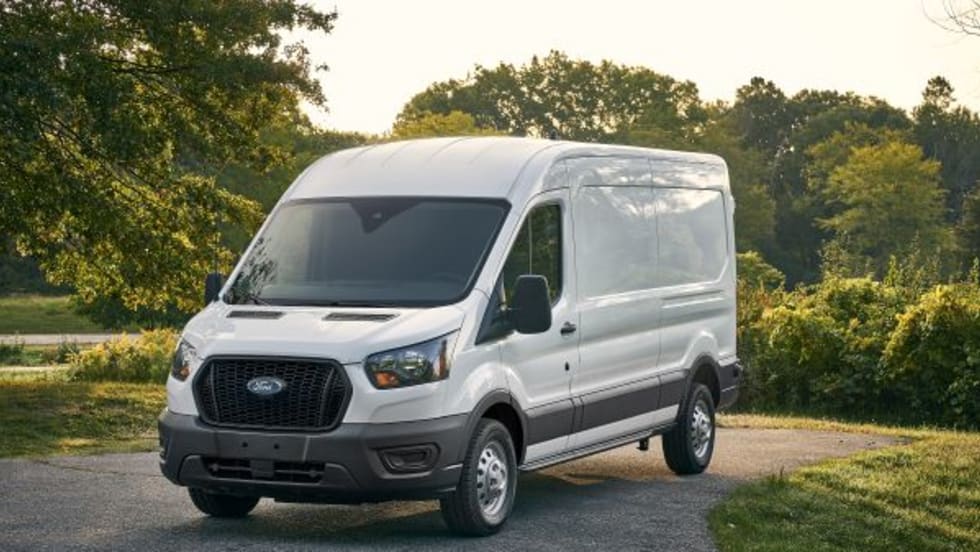
2021 Ford Transit Offers Versatility for Fleets
For the 2021-MY, Ford made ergonomic enhancements for drivers and added an available Parcel Delivery Package. This follows a major refresh in 2020, which added a Crew version, a new standard engine, standard active safety technologies, and embedded telematics to the Transit van family.
Read More →
Recognizing the Other Essential Drivers
Vocational and business fleet drivers don’t get the attention that truckers do. Yet they too are on the front lines, and their jobs often bring them into uncontrolled environments every day.
Read More →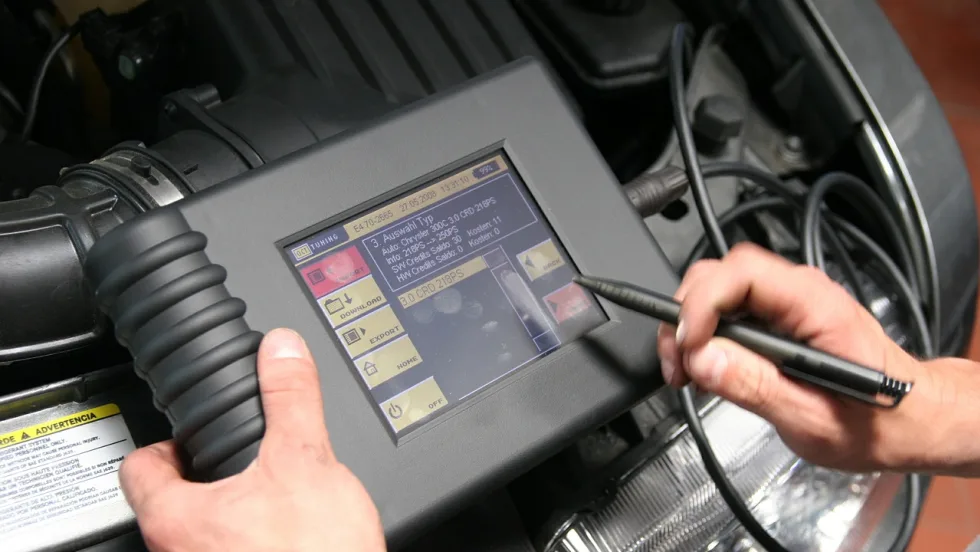
It’s Time to Formulate an ADAS Game Plan
As proliferation of Advanced Driver Assistance Systems (ADAS) increases, skilled labor, equipment, and training costs will increase as well. Fleet operators can’t mitigate these financial burdens by cutting corners on ADAS recalibration and repairs.
Read More →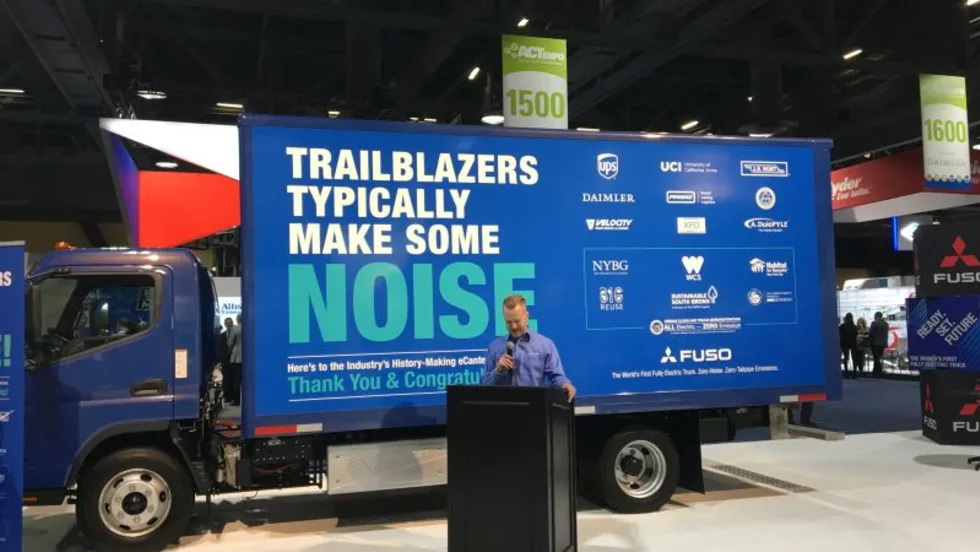
The Future is Electric, But…
With an increasing emphasis on emissions reductions mandates, will fleet operators get caught between clean technologies on their way out and an electric future that hasn’t yet arrived?
Read More →
6 Trend Lines from the 2019 Work Truck Show
From giant leaps in torque and towing to heavy duty truck personalization and chassis cab styling, these trends emerged from this year’s Work Truck Show in Indianapolis.
Read More →
They’re Coming for Your Diesel
In Southern California and other parts of the world, regulators are coalescing to ban, or severely curtail, diesel vehicles. There’s a growing disconnect with the mandates to green the environment and the availability of products and technologies to get us there.
Read More →
Hey Cannabis Companies, Welcome to Fleet
An industry is forming, and it needs help with fleet. In the meantime, the fleet industry should know that these new businesses are navigating extraordinary circumstances, which is forcing them to be better fleet operators pretty darn quick.
Read More →
Takeaways from the Fleet Forward Conference
Most attendees — from established fleets and vendors to new players that were only formed five years ago — didn’t know anyone. But that’s exactly the point.
Read More →
Is it Time to Rethink How Drivers Are Paid?
With the ELD rule affecting miles driven, and drivers’ duties increasingly including more than just driving the vehicle, what can be done to more accurately and fairly reflect a driver’s workday?
Read More →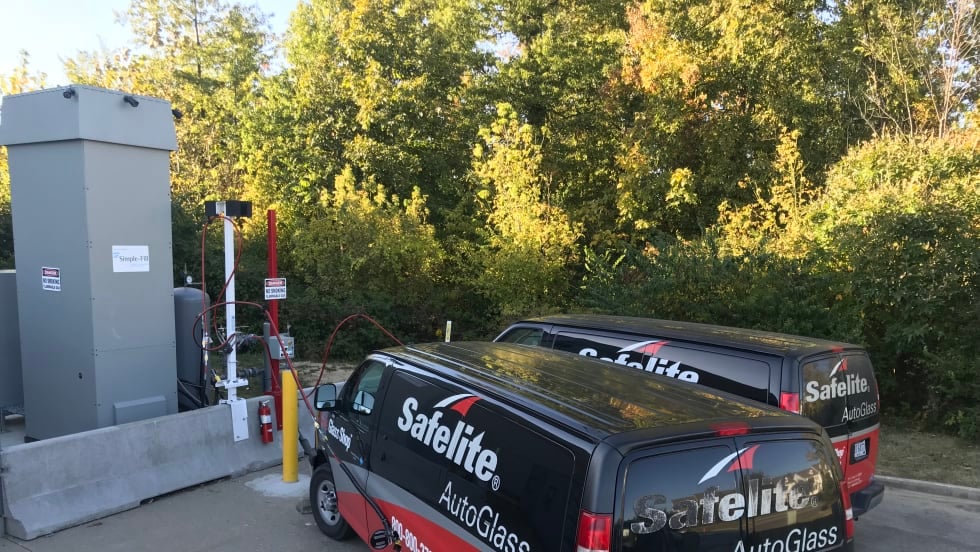
Whatever Happened to CNG?
While the light-duty market for compressed natural gas vehicles has almost evaporated, new near zero emissions technology and drastic reductions in infrastructure costs have reinvigorated the market for medium- and heavy-duty applications — even for smaller fleets.
Read More →