


What Factors Influence Today’s Vocational Truck Body Designs?
Vocational work truck and van body makers must manage new technology, new regulations, and model redesigns at a faster pace than ever before.

You might not pay much attention to changes in truck and van bodies and upfits, as long as they do their jobs. Yet the pace of product development has quickened as the industry assimilates new technology, trends, and business demands faster than ever before.
Craig Bonham, vice president, sales and business development at Reading Truck Body, manufacturers of vocational work truck bodies and equipment, shares his views on how the industry is adapting to new business segments, engineering for new van models, and meeting customers’ demands for increased versatility, productivity, and transferability.
What are the factors that steer truck and van body engineering? Bonham points to the growth in service industries after the Recession, particularly remodeling and repair, and the boom in industries such as energy, waste control, and pest control. Post-Recession, there is a new mood of frugality and resourcefulness — of fixing things rather than building new. “There are industries and vocational segments that are surfacing that are more reliant on service than ever,” Bonham says.
Small business has become more entrepreneurial, especially as technology has driven the expectation of productivity to new heights. “Vendors, distributors, ancillary component suppliers, everyone has to be very agile to adjust to the customer’s demands,” Bonham says.
Storage versatility is a central design theme, reflecting client demands for compartments for specific tasks and more adjustability of shelves and compartments. Every cubic inch is accounted for. Another trend is “forced organization,” especially in pickups: “The service body becomes the filing system for the client,” Bonham says. “At a moment’s notice if they open the door, they know what’s there and what’s missing.”
Regarding the popularity of the Class 2 so-called Euro-style vans, which are utilized for their low operating costs, body makers are meeting the challenge with lightweight, corrosion-resistant technologies as well as aluminum bodies and parts to maximize fuel efficiency and payload.
Some industries — non-metallic mining or heavy aggregate, for instance — nevertheless require steel components for durability. “We still have to balance the demands of customers hauling and pulling heavy loads,” he says.
Bonham sees a trend of truck bodies as “transferable assets,” usable on the next truck and making the de-fleeted truck without the body an easier sale at auction. Nonetheless, transferring a body isn’t getting easier, owing to the quickened pace of model refreshes and redesigns compared to 10 years ago.
“The challenge to the manufacturing side is to make a product that is adaptable, with components that have the same functional design and usability,” Bonham says.
New regulations require more engineering manpower and financial resources and become another reason to work more closely with OEM partners. “As the regulations come down, the collaboration will have to be more intense,” he says.
For instance, with the mandate for rear-view cameras, body makers are working together with truck manufacturers on functionality of plug-and-play wiring harnesses for cameras in a pickup’s tailgate to eliminate the need to splice in for power.
Considerations of aerodynamics often clash with functionality, as maximizing cargo space and supporting a load safely sometimes mitigates a more curved, aerodynamic body. However, skirting and wind fairings on high roof bodies are helping that, Bonham says.
Safety, a constant priority, has only increased with the ability to incorporate advanced technology.
For Reading, this includes engineering elements, such as a larger 14-inch tailgate rather than a shallow one, and keeping a “knee brace” bracket tailgate design rather than moving to a cantilevered, drop-down design. Eliminating the knee brace would save money. However, “We opted not to because of the environment and usage it’s put into,” Bonham says, meaning the tailgate is used as a workbench and a step to access the load space.
Ergonomics plays into safety as well. Service body designs allow workers to access tools and equipment from the waist level up and avoid bending over.
It also entails engineering a door mechanism that incorporates a nitrogen gas-charged strut to open the door less abruptly than a spring-loaded door. Another is making door stays standard instead of using chains to secure them. When a truck is on incline, the door won’t swing out and hit someone.
Service industries working in cities often work from the curb instead of the street, so instead of swing-out doors, roll-ups are more accommodating for tight parking spaces and don’t impede pedestrian traffic on the sidewalk.
Another push, Bonham says, is toward progressively robust levels of security, especially as service technicians carry increasingly expensive technology to do their jobs. This includes designing bodies that hinder compartment break-ins by using interior-mounted hinges. External hinges with rivets can be drilled out by thieves. Many buyers are also opting against windows, he says.
Lighting systems are being upgraded to LED and incorporating “puddle” illumination that lights the ground when compartment doors are open. Keyless entry systems are becoming more popular, especially in high crime areas.
The Recession, Bonham says, was a turning point in engineering and design — a mandate to become as efficient and productive as possible. Even in the recovery, “Our buying clients say they’ll never go back to the way it was.”
More Blog Posts
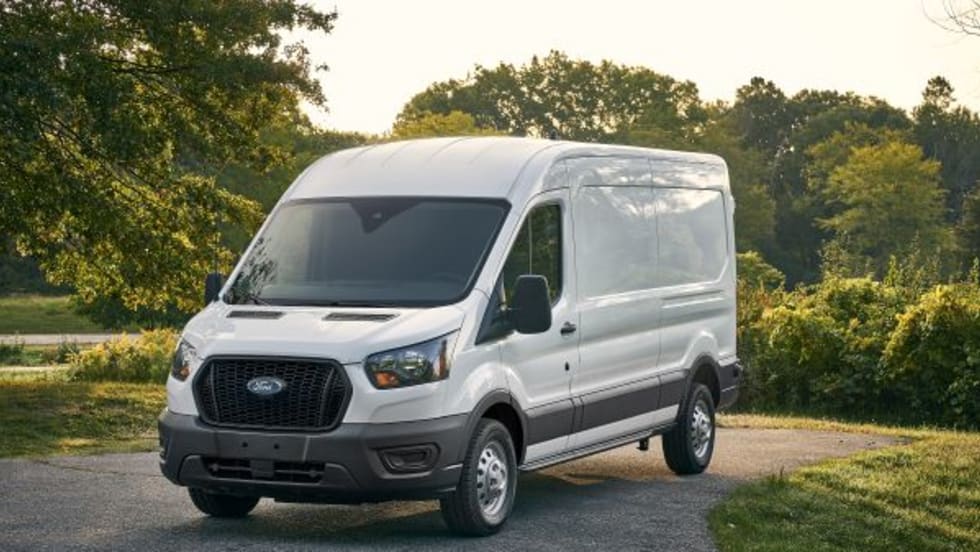
2021 Ford Transit Offers Versatility for Fleets
For the 2021-MY, Ford made ergonomic enhancements for drivers and added an available Parcel Delivery Package. This follows a major refresh in 2020, which added a Crew version, a new standard engine, standard active safety technologies, and embedded telematics to the Transit van family.
Read More →
Recognizing the Other Essential Drivers
Vocational and business fleet drivers don’t get the attention that truckers do. Yet they too are on the front lines, and their jobs often bring them into uncontrolled environments every day.
Read More →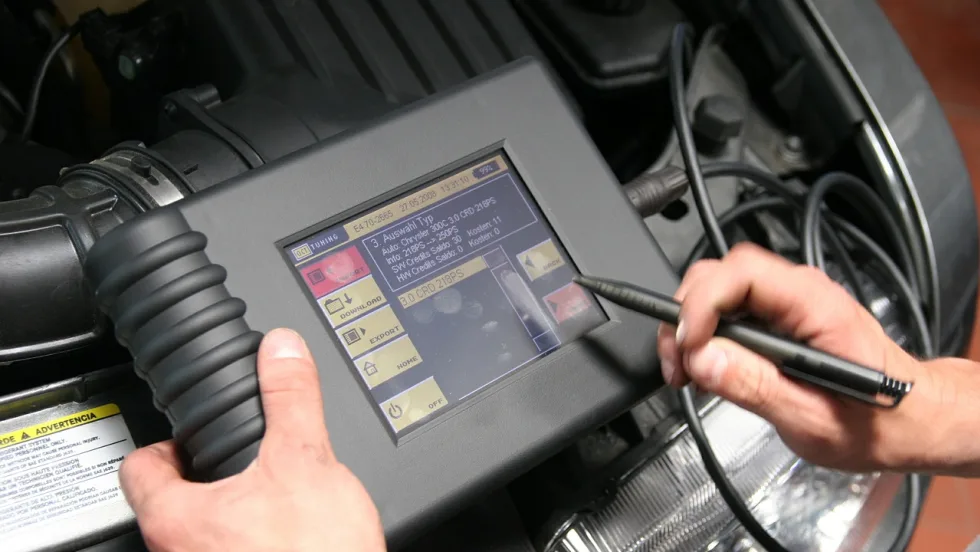
It’s Time to Formulate an ADAS Game Plan
As proliferation of Advanced Driver Assistance Systems (ADAS) increases, skilled labor, equipment, and training costs will increase as well. Fleet operators can’t mitigate these financial burdens by cutting corners on ADAS recalibration and repairs.
Read More →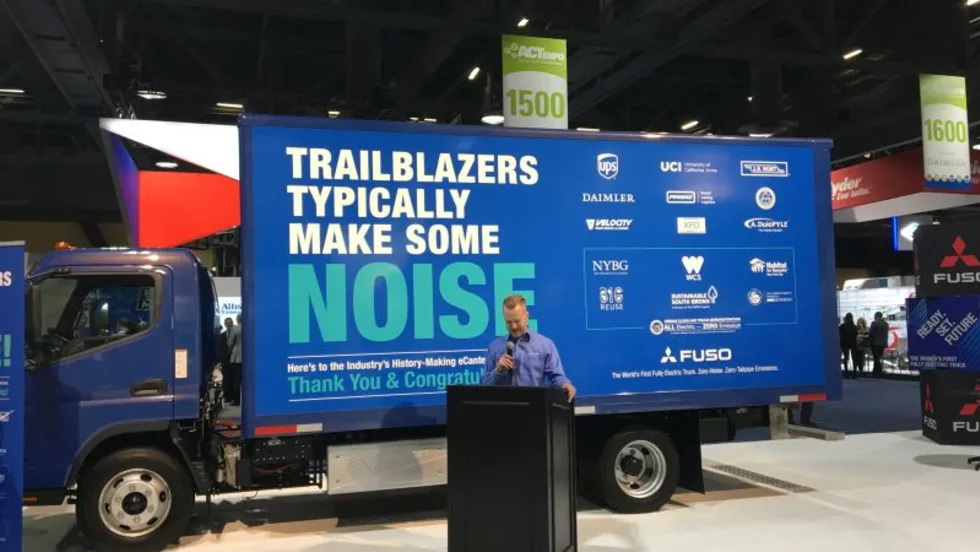
The Future is Electric, But…
With an increasing emphasis on emissions reductions mandates, will fleet operators get caught between clean technologies on their way out and an electric future that hasn’t yet arrived?
Read More →
6 Trend Lines from the 2019 Work Truck Show
From giant leaps in torque and towing to heavy duty truck personalization and chassis cab styling, these trends emerged from this year’s Work Truck Show in Indianapolis.
Read More →
They’re Coming for Your Diesel
In Southern California and other parts of the world, regulators are coalescing to ban, or severely curtail, diesel vehicles. There’s a growing disconnect with the mandates to green the environment and the availability of products and technologies to get us there.
Read More →
Hey Cannabis Companies, Welcome to Fleet
An industry is forming, and it needs help with fleet. In the meantime, the fleet industry should know that these new businesses are navigating extraordinary circumstances, which is forcing them to be better fleet operators pretty darn quick.
Read More →
Takeaways from the Fleet Forward Conference
Most attendees — from established fleets and vendors to new players that were only formed five years ago — didn’t know anyone. But that’s exactly the point.
Read More →
Is it Time to Rethink How Drivers Are Paid?
With the ELD rule affecting miles driven, and drivers’ duties increasingly including more than just driving the vehicle, what can be done to more accurately and fairly reflect a driver’s workday?
Read More →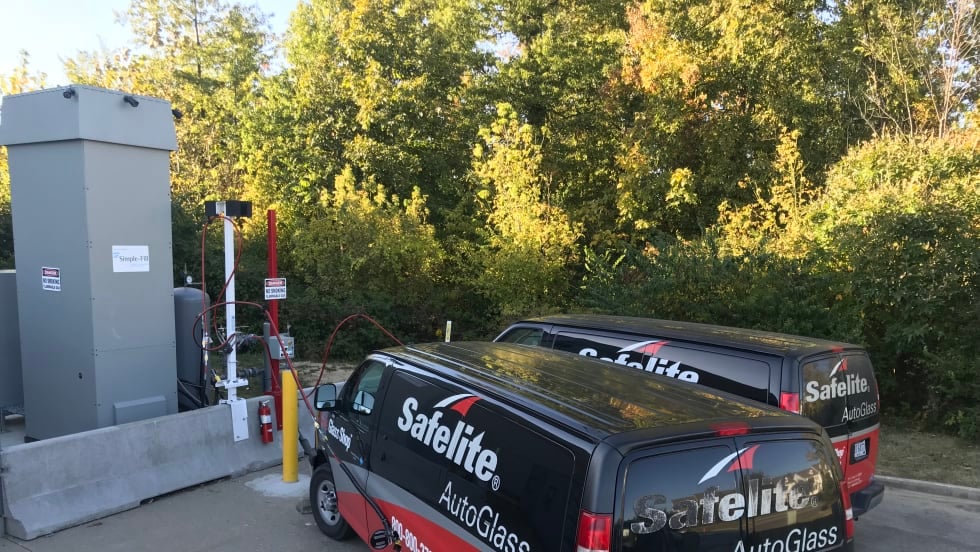
Whatever Happened to CNG?
While the light-duty market for compressed natural gas vehicles has almost evaporated, new near zero emissions technology and drastic reductions in infrastructure costs have reinvigorated the market for medium- and heavy-duty applications — even for smaller fleets.
Read More →