


What to Tax, if Not Car Rentals?
Here are some novel ideas on taxation that shift the burden away from car renters.

The car rental industry won a small victory in the Kenosha-Racine-Milwaukee commuter rail funding debate. In December, the Southeastern Regional Transit Authority (RTA) voted to oppose immediately levying a $2 fee on car rentals. It seems that lower car rental revenues have bureaucrats wondering if taxing car rentals is the cash cow they anticipated.
Maine residents have been getting the message where their legislature has not. A "tax reform" bill introduced by legislators included a tax increase on car rentals from 10 to 12.5 percent. In October, Maine residents blocked the bill, temporarily, via petition. It goes up for a vote again this June.
Now a bill has been introduced into the Arizona legislature to use car rental taxes to fund renovation of the Chicago Cubs' Cactus League stadium.
With some battles won, some staved off for another day and others yet to be fought, I offer some general solutions for legislators in terms of funding these projects. These new funding sources shift the burden away from car rental and onto new victims:
If legislators insist on predatory taxation to pay for things completely unrelated, I say dump on pot dispensaries. They're huge here in California, especially in Los Angeles, and the opposition might have a problem getting off the couch, especially if Family Guy is on.
If taxing the out-of-town traveler is still in vogue, why not tax generally annoying tourists? You know, all those undertipping, line-jumping, loudly opinionated, camera-in-your face, plaid-clashy-outfit-wearing ones. (You may have to tax yourself here.)
Sin taxes are used to dissuade certain types of behavior, such as those on cigarettes and alcohol. I'd like to tax people who feel the need to burden their kids with radically important names such as Blanket, Seven or Sage Moonblood. Bad karaoke singers should be taxed too. (It could be worse-in the Philippines, they're shot.)
Good taxation involves generating revenue from the people who benefit the most from what is being built. For stadiums, let's tax the fans who use and abuse the privilege of being at a ballgame. You know these people: the guy who can't stop waving the foam "number one" finger in front of you, the guy next to you who spews meaningless trivia the whole game and the woman who gets pissed when you don't stand up for the wave. A sin tax on the lot of them.
While we're on stadiums, a "facilities surcharge" would bring in good revenue, especially after heavy beer sales. But if you charge for using the bathroom at ball games, you might need to tax adult diapers too.
If naming rights to stadiums are sold, why not sell them to rail lines? "Ross Dress for Less train now leaving on track six!"
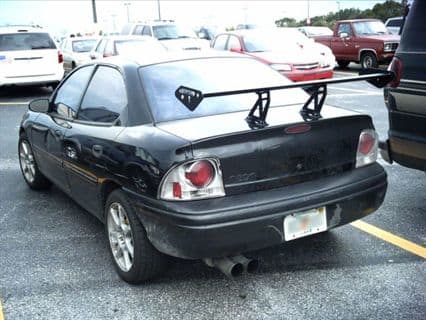
If we're talking about taxing cars, let's implement a sin tax on bad aftermarket jobs such as ridiculous fender flares and spoilers, gaudy paint jobs, fake hood scoops and a window sticker that tells everyone you're driving a Toyota Corolla.
Wait, I've got one more novel idea on whom to tax and how. How about taxing a broad constituent base with low marginal tax rates, one that spreads the burden fairly amongst the people who benefit from what is being financed? Why not tax train tickets or sporting event tickets? Better yet, for stadiums, why not have the owner of the team pitch in? Nah, that would never work.
More Blog Posts
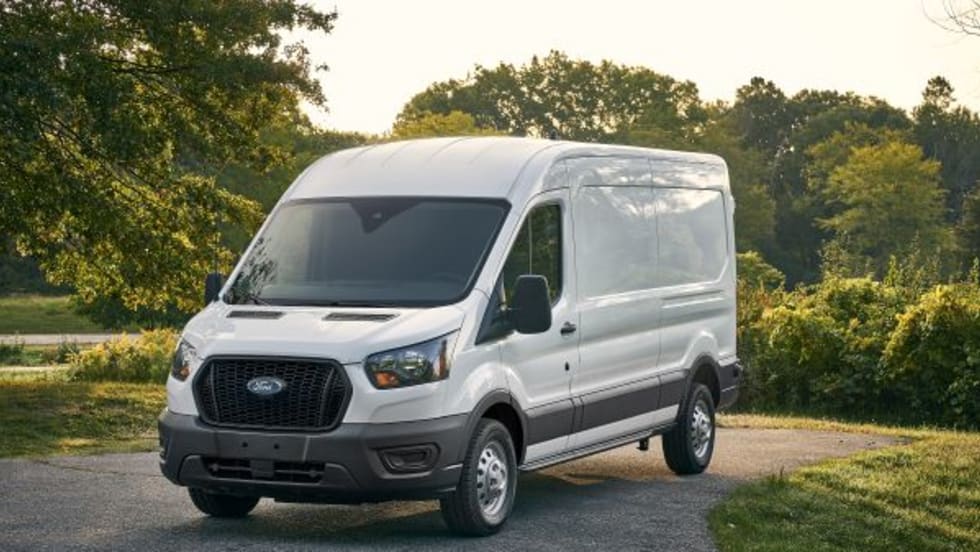
2021 Ford Transit Offers Versatility for Fleets
For the 2021-MY, Ford made ergonomic enhancements for drivers and added an available Parcel Delivery Package. This follows a major refresh in 2020, which added a Crew version, a new standard engine, standard active safety technologies, and embedded telematics to the Transit van family.
Read More →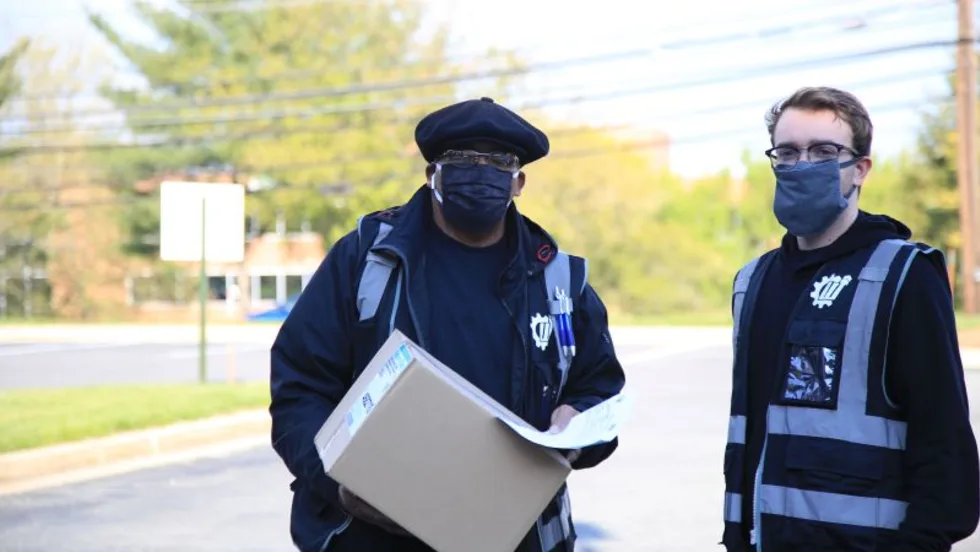
Recognizing the Other Essential Drivers
Vocational and business fleet drivers don’t get the attention that truckers do. Yet they too are on the front lines, and their jobs often bring them into uncontrolled environments every day.
Read More →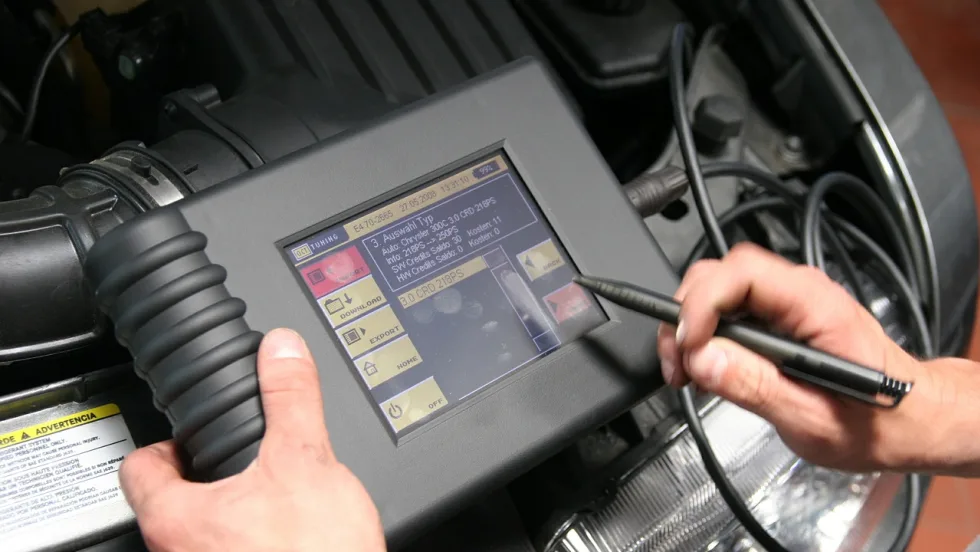
It’s Time to Formulate an ADAS Game Plan
As proliferation of Advanced Driver Assistance Systems (ADAS) increases, skilled labor, equipment, and training costs will increase as well. Fleet operators can’t mitigate these financial burdens by cutting corners on ADAS recalibration and repairs.
Read More →
The Future is Electric, But…
With an increasing emphasis on emissions reductions mandates, will fleet operators get caught between clean technologies on their way out and an electric future that hasn’t yet arrived?
Read More →
6 Trend Lines from the 2019 Work Truck Show
From giant leaps in torque and towing to heavy duty truck personalization and chassis cab styling, these trends emerged from this year’s Work Truck Show in Indianapolis.
Read More →
They’re Coming for Your Diesel
In Southern California and other parts of the world, regulators are coalescing to ban, or severely curtail, diesel vehicles. There’s a growing disconnect with the mandates to green the environment and the availability of products and technologies to get us there.
Read More →
Hey Cannabis Companies, Welcome to Fleet
An industry is forming, and it needs help with fleet. In the meantime, the fleet industry should know that these new businesses are navigating extraordinary circumstances, which is forcing them to be better fleet operators pretty darn quick.
Read More →
Takeaways from the Fleet Forward Conference
Most attendees — from established fleets and vendors to new players that were only formed five years ago — didn’t know anyone. But that’s exactly the point.
Read More →
Is it Time to Rethink How Drivers Are Paid?
With the ELD rule affecting miles driven, and drivers’ duties increasingly including more than just driving the vehicle, what can be done to more accurately and fairly reflect a driver’s workday?
Read More →
Whatever Happened to CNG?
While the light-duty market for compressed natural gas vehicles has almost evaporated, new near zero emissions technology and drastic reductions in infrastructure costs have reinvigorated the market for medium- and heavy-duty applications — even for smaller fleets.
Read More →