


When Market Engineering Goes Bad, Again
The bankruptcy of the Haggen grocery chain shows the FTC hasn’t learned its lesson.

This past April, I entered my local supermarket only to realize I was walking under a brand-new logo. My Albertsons had become Haggen. OK, I thought. I guess I’m shopping at Haggen now. Except that this new supermarket seemed to miss the mark on a few key things — pricing, to begin with — and it seemed to be pushing an upscale vibe when the ambience, groceries and merchandise clearly weren’t.
Then, a mere six months later, I hear that Haggen is filing for bankruptcy. The store near me will remain open, for now. What happened?
I came to find out that Haggen, an 18-store chain based in the Pacific Northwest, had been granted the “Antitrust Golden Ticket.” By the power of the Federal Trade Commission (FTC), Haggen was allowed to take over 146 supermarkets as a result of the merger of two of the country’s largest supermarket chains, Safeway and Albertsons.
The merger pulled the new company, Albertsons LLC, into second place behind the nation’s largest grocer, Kroger. To ease antitrust concerns, the FTC OK’d the merger as long as Albertsons divested a certain number of stores in markets where the merged company would have a controlling share.
But the deal essentially forced Haggen to put up all its Monopoly money — $1.4 billion — to buy Park Place, Boardwalk and Pennsylvania Ave. when it didn’t have the wherewithal to run them.
Is this beginning to sound familiar?
In 2012, the FTC bestowed the Antitrust Golden Ticket on Franchise Services of North America Inc. (FSNA), franchisors of the U-Save brand, allowing it to take over Advantage Rent a Car and operate 62 airport rental locations across the U.S.
The deal was a condition for the Hertz takeover of Dollar Thrifty Automotive Group. Per an FTC consent order, Hertz agreed to divest itself of Advantage, its discount brand, along with 29 Dollar or Thrifty stores in markets where the merged company would have a controlling share.
On Nov. 5, 2013, FSNA declared Advantage bankrupt — a mere four months after the FTC finalized the Hertz deal and Advantage divestiture. At that point, it was clear that FSNA, the franchise parent to mostly smaller, off-airport locations, was in no condition to run corporate airport stores.
But I don’t blame FSNA as much as I do the FTC, as it moved silver Monopoly pieces through a landscape it knew nothing about. A discount leisure brand was never going to work in markets such as Cleveland and Pittsburgh, period.
At the time, I wrote, “Though we’ll never see any outward signs, the FTC has to be smarting that Advantage declared bankruptcy mere months after the FTC finally blessed the deal …”
I wonder how the FTC feels now, after the Haggen deal.
Albertsons comes out fine, especially in markets where Haggen is closing stores that competed with Albertsons. Ironically, in a 180-degree turn from the intent of the FTC’s original engineering, Hertz and Avis took over a total of 12 stores, re-establishing market control for the major brands.
Though Advantage’s fate was precarious at the time, the 52-year-old company, started in San Antonio by the Walker family, landed on its feet. Bought by Catalyst Capital Group in 2013, a Canadian private equity firm, in 2015 Advantage merged with E-Z Rent-A-Car to form a strong, solvent discount brand serving leisure markets.
Haggen’s path is not so clear, though most likely it will shrink back to its Pacific Northwest roots, where it should’ve stayed in the first place.
There were signs that the FSNA and Advantage merger was derailing even before the ink was dry on the FTC’s final approval. There is no governing body to tell the FTC it screwed up; it just doesn’t work that way. Of course, while other antitrust divestitures have gone more smoothly, the Haggen and Advantage parallels are too similar to ignore.
The rest of us are forced to sit and ride out these bad decisions. It’s the investors, suppliers, employees and customers who are left holding the (grocery) bags.
More Blog Posts
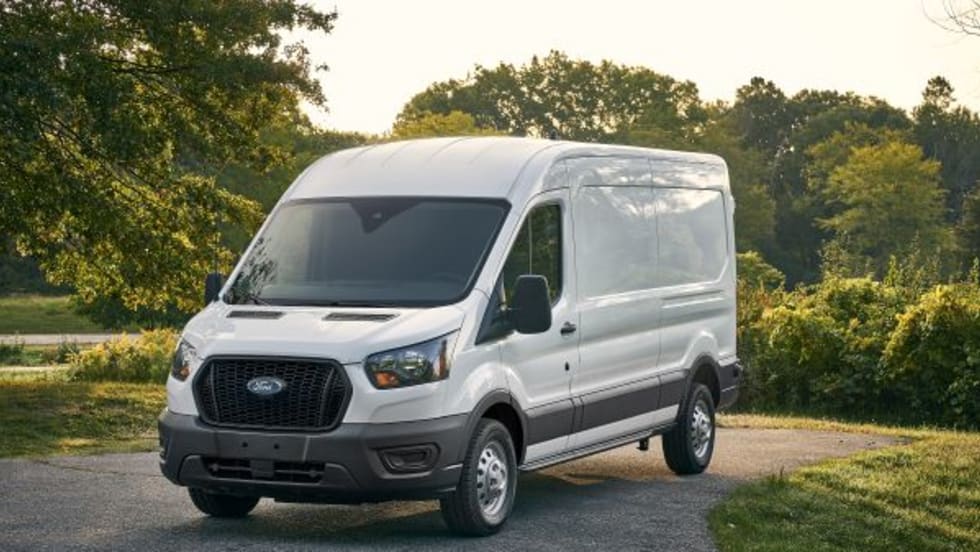
2021 Ford Transit Offers Versatility for Fleets
For the 2021-MY, Ford made ergonomic enhancements for drivers and added an available Parcel Delivery Package. This follows a major refresh in 2020, which added a Crew version, a new standard engine, standard active safety technologies, and embedded telematics to the Transit van family.
Read More →
Recognizing the Other Essential Drivers
Vocational and business fleet drivers don’t get the attention that truckers do. Yet they too are on the front lines, and their jobs often bring them into uncontrolled environments every day.
Read More →
It’s Time to Formulate an ADAS Game Plan
As proliferation of Advanced Driver Assistance Systems (ADAS) increases, skilled labor, equipment, and training costs will increase as well. Fleet operators can’t mitigate these financial burdens by cutting corners on ADAS recalibration and repairs.
Read More →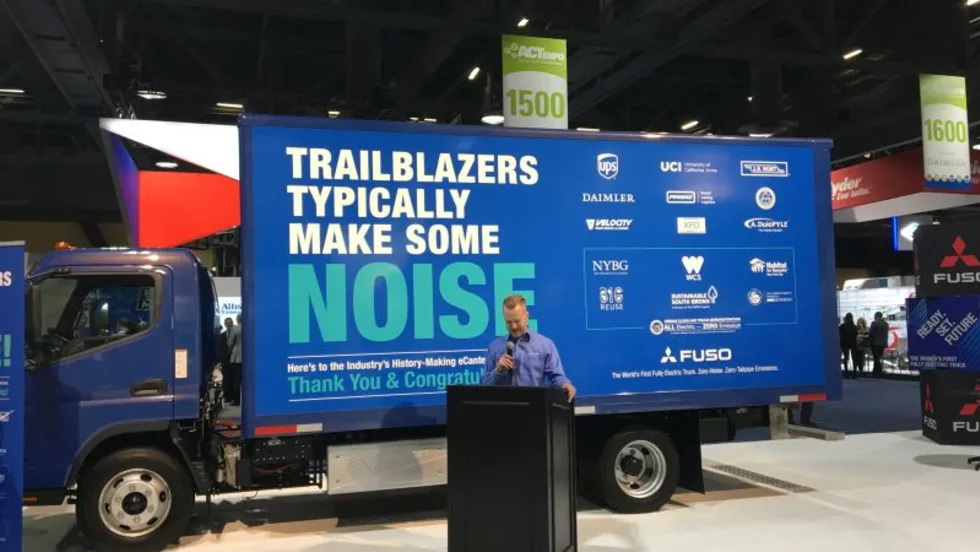
The Future is Electric, But…
With an increasing emphasis on emissions reductions mandates, will fleet operators get caught between clean technologies on their way out and an electric future that hasn’t yet arrived?
Read More →
6 Trend Lines from the 2019 Work Truck Show
From giant leaps in torque and towing to heavy duty truck personalization and chassis cab styling, these trends emerged from this year’s Work Truck Show in Indianapolis.
Read More →
They’re Coming for Your Diesel
In Southern California and other parts of the world, regulators are coalescing to ban, or severely curtail, diesel vehicles. There’s a growing disconnect with the mandates to green the environment and the availability of products and technologies to get us there.
Read More →
Hey Cannabis Companies, Welcome to Fleet
An industry is forming, and it needs help with fleet. In the meantime, the fleet industry should know that these new businesses are navigating extraordinary circumstances, which is forcing them to be better fleet operators pretty darn quick.
Read More →
Takeaways from the Fleet Forward Conference
Most attendees — from established fleets and vendors to new players that were only formed five years ago — didn’t know anyone. But that’s exactly the point.
Read More →
Is it Time to Rethink How Drivers Are Paid?
With the ELD rule affecting miles driven, and drivers’ duties increasingly including more than just driving the vehicle, what can be done to more accurately and fairly reflect a driver’s workday?
Read More →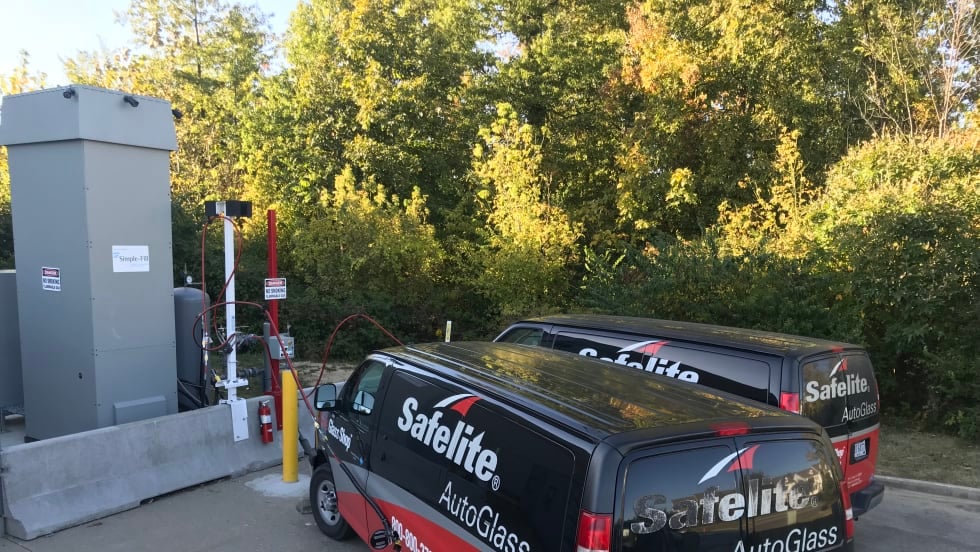
Whatever Happened to CNG?
While the light-duty market for compressed natural gas vehicles has almost evaporated, new near zero emissions technology and drastic reductions in infrastructure costs have reinvigorated the market for medium- and heavy-duty applications — even for smaller fleets.
Read More →