


Why GM’s Telematics Announcement is a Really Big Deal
Enabling a telematics connection at the factory — and not through an aftermarket hardware installation — is a game changer for fleets.

There was a time when to receive a fax, you needed to put a phone handset in a cradle, wait for the 14.4k baud modem to connect (remember that sound?), and then watch that slick, curly fax paper spit out of the machine. We put up with the process, because exchanging documents across telephone lines was such a powerful business tool.
When it comes to a powerful business tool to manage fleets, telematics is a similar game changer. But fleets are all too familiar with the time, labor, and cost associated with telematics systems’ in-vehicle hardware installation and removal. Still, they put up with these hassles because the benefits of telematics far outweigh the investment.
Announced earlier this month, a partnership between General Motors and Spireon reveals the new way telematics systems are connecting to vehicles. Spireon will use GM’s OnStar 4G LTE hardware and application program interface (API) to power a customized version of its FleetLocate system. The hardware is no longer installed in the aftermarket — it uses the manufacturer’s existing vehicle technology.
GM fleet customers can now select a telematics system that fits their parameters as easy as selecting vehicle options.
GM first offered a telematics system from the factory when it partnered with Telogis in 2014. With Telogis and now Spireon, as well as GM’s own telematics system — Commercial Link — fleets have flexibility that wasn’t as easy with a hardware installation.
“Aftermarket boxes are a pain for customers, and they’re expensive,” says Ed Peper, U.S. vice president, GM Fleet. “Now there are no hardware or installation costs, or downtime for vehicles. The monthly subscription fee is determined by (the telematics provider) based on features chosen.”
Fleets new to telematics can choose Commercial Link, a more entry-level solution, and then upgrade to more sophisticated, customizable systems offered by Spireon or Telogis. “It’s like a cable TV subscription,” Peper says.
What if fleets want to connect vehicles from a mix of manufacturers? In addition to GM Fleet, Telogis has similar partnerships with Ford, Mack, Hino, Freightliner, Volvo Trucks, and Isuzu, which allows customers of those brands to connect at the factory as well. Fleets using other telematics providers and manufacturers will still require a mix of factory-direct and aftermarket installations.
But this may soon change. The genesis of the Spireon partnership was an enquiry from a GM customer to connect at the factory, says Greg Ross, OnStar’s Business Development and Alliances director, and GM is open to partnering with other telematics providers. “Down the road, if there are other providers that want to partner with us, they’d use the same API’s (as the ones used by Spireon and Telogis),” he says. “We have a flexible piece of hardware that our customers can use with any service solution that they prefer, including building their own.”
Connecting through manufacturers’ hardware and APIs has implications beyond fleet telematics to other connected car uses. Maven, GM’s new mobility platform, also uses the OnStar connection to monitor and access vehicles in the Maven network. “As we recognize opportunities to take additional data off the vehicle, we can create new services through software without having to change the hardware,” Ross says. “So we can innovate and partner with our customers to create new commands and data elements over time.”
In a general sense, an open-source, standardized connection from the factory is a game changer to enable platforms such as carsharing, fleet vehicle pooling, ride hailing, peer-to-peer vehicle sharing, fractional ownership schemes, and more.
Indeed, “connected car” is no longer a catch phrase. The National Highway Traffic Safety Administration and Department of Transportation have submitted a proposal mandating that all new light vehicles be capable of vehicle-to-vehicle (“V2V”) communications as soon as 2020. While the technology that underpins the government’s mandate is slightly different than OnStar, the mandate speaks to a future in which all cars will be connected.
Peper says it’s premature to talk standardizations across the industry until more OEMs have built-in hardware to standardize. Nonetheless, “There’s quite a lot more deployment to come,” he says. “I think we’re just beginning to scratch the surface in how much data we’re getting from vehicles and the services we’re able to create.”
More Blog Posts
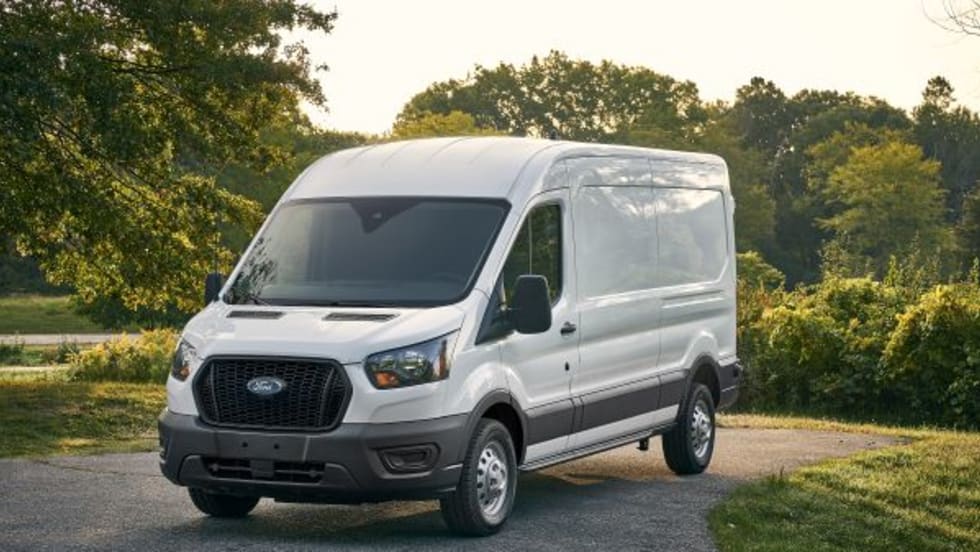
2021 Ford Transit Offers Versatility for Fleets
For the 2021-MY, Ford made ergonomic enhancements for drivers and added an available Parcel Delivery Package. This follows a major refresh in 2020, which added a Crew version, a new standard engine, standard active safety technologies, and embedded telematics to the Transit van family.
Read More →
Recognizing the Other Essential Drivers
Vocational and business fleet drivers don’t get the attention that truckers do. Yet they too are on the front lines, and their jobs often bring them into uncontrolled environments every day.
Read More →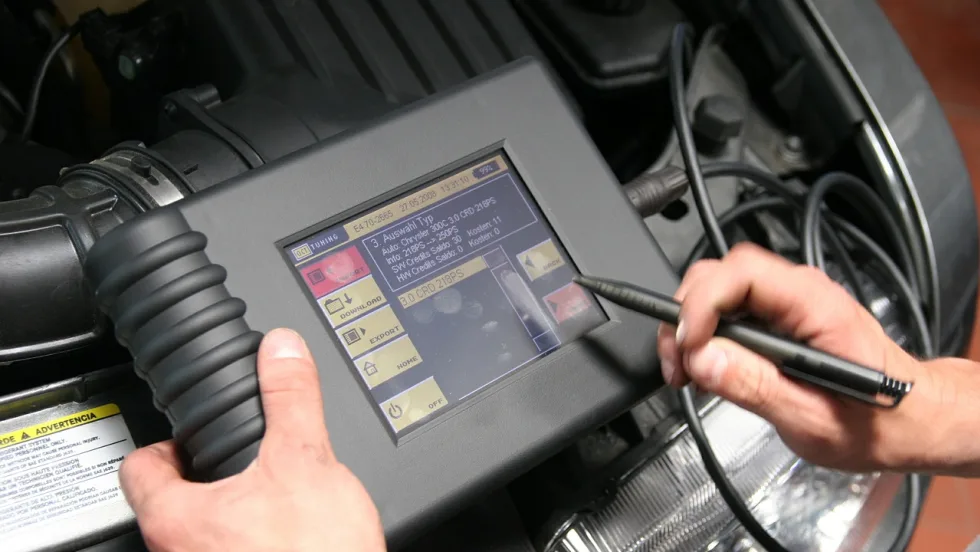
It’s Time to Formulate an ADAS Game Plan
As proliferation of Advanced Driver Assistance Systems (ADAS) increases, skilled labor, equipment, and training costs will increase as well. Fleet operators can’t mitigate these financial burdens by cutting corners on ADAS recalibration and repairs.
Read More →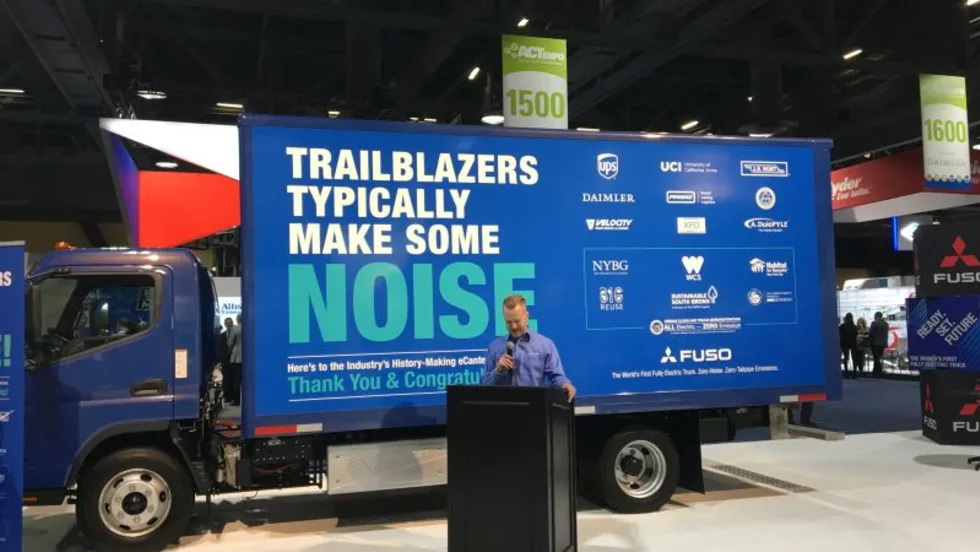
The Future is Electric, But…
With an increasing emphasis on emissions reductions mandates, will fleet operators get caught between clean technologies on their way out and an electric future that hasn’t yet arrived?
Read More →
6 Trend Lines from the 2019 Work Truck Show
From giant leaps in torque and towing to heavy duty truck personalization and chassis cab styling, these trends emerged from this year’s Work Truck Show in Indianapolis.
Read More →
They’re Coming for Your Diesel
In Southern California and other parts of the world, regulators are coalescing to ban, or severely curtail, diesel vehicles. There’s a growing disconnect with the mandates to green the environment and the availability of products and technologies to get us there.
Read More →
Hey Cannabis Companies, Welcome to Fleet
An industry is forming, and it needs help with fleet. In the meantime, the fleet industry should know that these new businesses are navigating extraordinary circumstances, which is forcing them to be better fleet operators pretty darn quick.
Read More →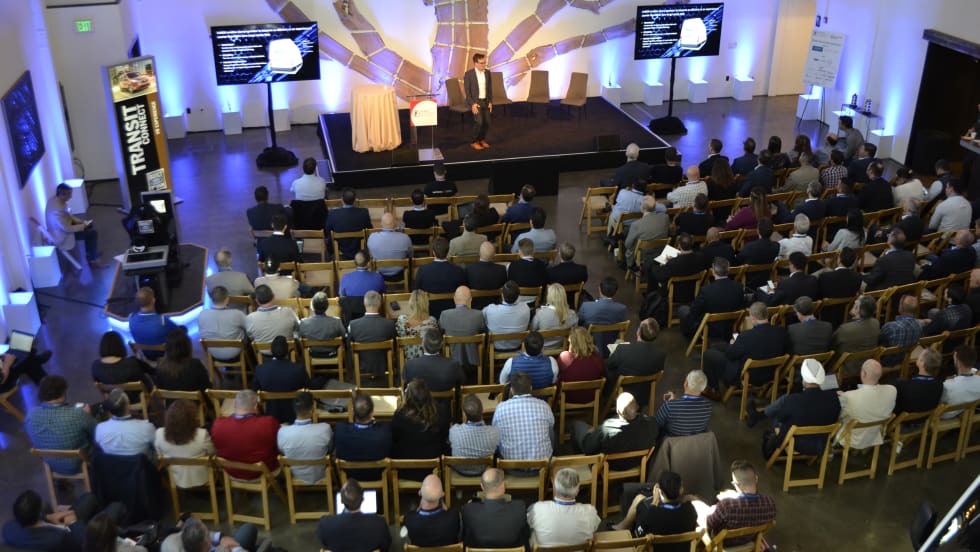
Takeaways from the Fleet Forward Conference
Most attendees — from established fleets and vendors to new players that were only formed five years ago — didn’t know anyone. But that’s exactly the point.
Read More →
Is it Time to Rethink How Drivers Are Paid?
With the ELD rule affecting miles driven, and drivers’ duties increasingly including more than just driving the vehicle, what can be done to more accurately and fairly reflect a driver’s workday?
Read More →
Whatever Happened to CNG?
While the light-duty market for compressed natural gas vehicles has almost evaporated, new near zero emissions technology and drastic reductions in infrastructure costs have reinvigorated the market for medium- and heavy-duty applications — even for smaller fleets.
Read More →