


Will IoT Herald a New Era in Fleet Efficiency?
With the ELD rule finally in effect, small fleet operators need to hunt for new efficiencies. In transportation logistics, Internet of Things (IoT) systems could have similar lasting impacts as telematics.

The ELD rule took effect this week, which holds fleets accountable to records of duty status and hours of service rules through technology. Now fleet operators — particularly those running smaller operations and wearing many hats — can’t hide sloppy compliance under a mountain of paper logs.
“You can be held liable for negligent management a whole lot easier today than you could before,” says Mark Schedler, editor, transport management at J.J. Keller & Associates.
This changes driver management: In the old system, with the sheer amount of paperwork to review, some operators of small logistics fleets had the tendency to only concentrate on the logbooks from their “trouble children,” says Samuel Mayfield, a retired state trooper, DOT inspector, and FMCSA-certified instructor at FleetUp, a provider of ELD and HOS compliance solutions. “Everyone else got a free pass because of time management.”
Those days have passed.
In the digital realm, all truck movement is now on the radar. Every “unassigned event” must be accounted for, from yard moves to off-duty trips between truck stops. “Neglecting to manage unassigned driving events daily is the easiest way for a carrier to get themselves in a lot of difficulty,” says Schedler.
If anything, the ELD mandate should force fleet operators to understand that technology is being used to scrutinize everything; and, in turn, seize the opportunity to use that data to make everything more efficient. “Regulation drives efficiencies in business,” says Philip Poulidis, senior vice president at BlackBerry.
This is inherent in the promise of the Internet of Things (IoT), in which everything — from copy machines and trash receptacles to shopping carts, wearable devices, and farm animals — is connected and transmitting actionable information to the cloud.
Telematics-enabled, battery-powered devices installed in trailers, flatbeds, intermodal containers, and other equipment are being used to transmit load status and other metrics such as motion, temperature, barometric pressure, and humidity.
As important for fleet operators as telematics has become to route vehicles and measure drivers’ and vehicles’ performance, IoT devices for logistics fleets will have an equal impact on improving efficiencies along the supply chain, Poulidis predicts.
Take freight brokerage services: What was once a manual and linear process is evolving into an ecosystem of drivers and shippers marrying load sizes and types based on travel routes and available cargo space — down to the foot — all managed by an app.
Bringing trailer leasing companies into the picture, digital freight services can connect shippers, trailers, drivers, and loads. “The digital load board allows access to much more potential,” says Poulidis. “This system can only work if IoT is deployed across the board for powered and unpowered assets together.”
Empty, stationary trailers don’t generate revenue. With IoT connectivity, a trailer already unloaded by the customer and still sitting in the customer’s yard could allow carriers to make a case to “bill for detention.”
Harkening back to the ELD mandate, drivers might spend 20 minutes looking for a specific trailer in a yard of 100 trailers — time counted against hours of service. An IoT-enabled trailer could avoid this waste of time.
Let’s take this into the future: After a shipper posts load specs and destination online, an autonomous truck and IoT-connected trailer would make multiple pickups along the way to its final destination, with each load transacted automatically using a digital ledger system such as blockchain. “You’d be able to move goods from point A to point B without any middleman at all,” Poulidis says.
Autonomy puts a big question mark on the future of the truck driver. However, ironically, these new technology solutions might help the driver shortage in the short- and medium-term, Poulidis says, by enabling tech-savvy drivers the flexibility to book their cargo at will, drive when they want, and go home at night.
Today, no matter what business you’re in, optimal utilization is paramount. That’s accomplished by collecting and measuring everything and then updating your processes. The government is there, you should be too.
More Blog Posts
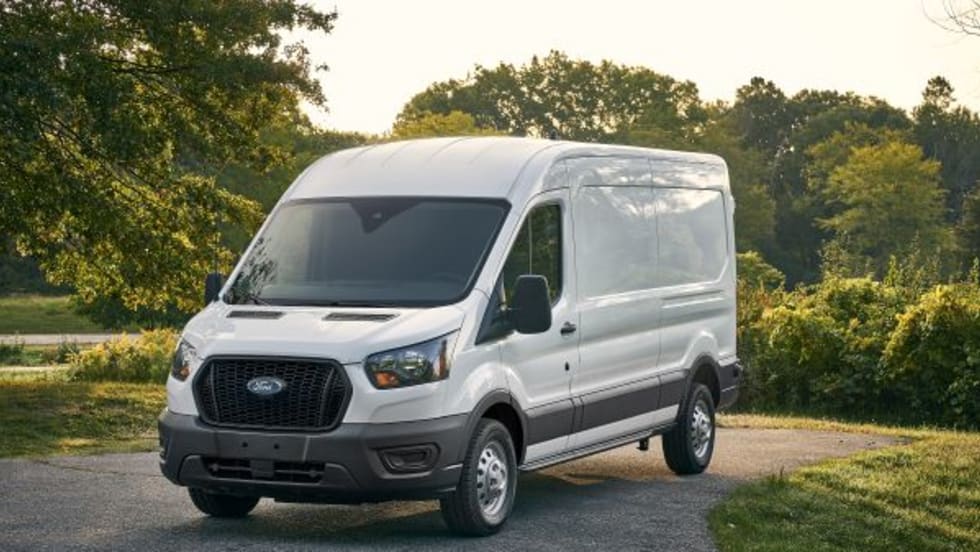
2021 Ford Transit Offers Versatility for Fleets
For the 2021-MY, Ford made ergonomic enhancements for drivers and added an available Parcel Delivery Package. This follows a major refresh in 2020, which added a Crew version, a new standard engine, standard active safety technologies, and embedded telematics to the Transit van family.
Read More →
Recognizing the Other Essential Drivers
Vocational and business fleet drivers don’t get the attention that truckers do. Yet they too are on the front lines, and their jobs often bring them into uncontrolled environments every day.
Read More →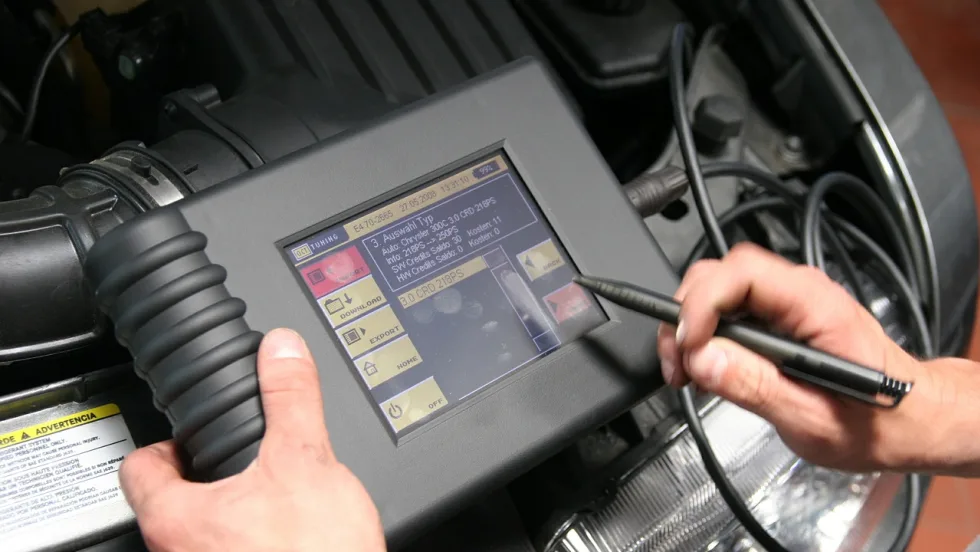
It’s Time to Formulate an ADAS Game Plan
As proliferation of Advanced Driver Assistance Systems (ADAS) increases, skilled labor, equipment, and training costs will increase as well. Fleet operators can’t mitigate these financial burdens by cutting corners on ADAS recalibration and repairs.
Read More →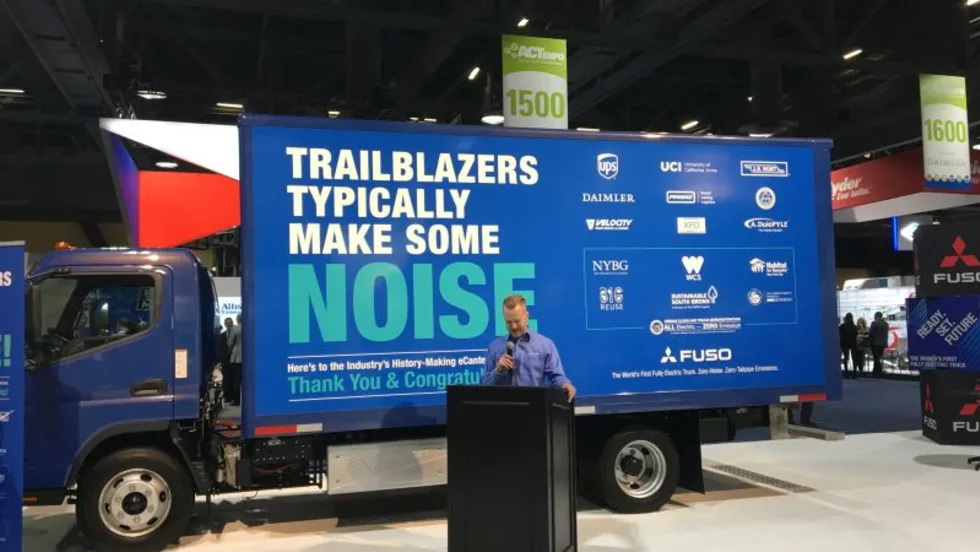
The Future is Electric, But…
With an increasing emphasis on emissions reductions mandates, will fleet operators get caught between clean technologies on their way out and an electric future that hasn’t yet arrived?
Read More →
6 Trend Lines from the 2019 Work Truck Show
From giant leaps in torque and towing to heavy duty truck personalization and chassis cab styling, these trends emerged from this year’s Work Truck Show in Indianapolis.
Read More →
They’re Coming for Your Diesel
In Southern California and other parts of the world, regulators are coalescing to ban, or severely curtail, diesel vehicles. There’s a growing disconnect with the mandates to green the environment and the availability of products and technologies to get us there.
Read More →
Hey Cannabis Companies, Welcome to Fleet
An industry is forming, and it needs help with fleet. In the meantime, the fleet industry should know that these new businesses are navigating extraordinary circumstances, which is forcing them to be better fleet operators pretty darn quick.
Read More →
Takeaways from the Fleet Forward Conference
Most attendees — from established fleets and vendors to new players that were only formed five years ago — didn’t know anyone. But that’s exactly the point.
Read More →
Is it Time to Rethink How Drivers Are Paid?
With the ELD rule affecting miles driven, and drivers’ duties increasingly including more than just driving the vehicle, what can be done to more accurately and fairly reflect a driver’s workday?
Read More →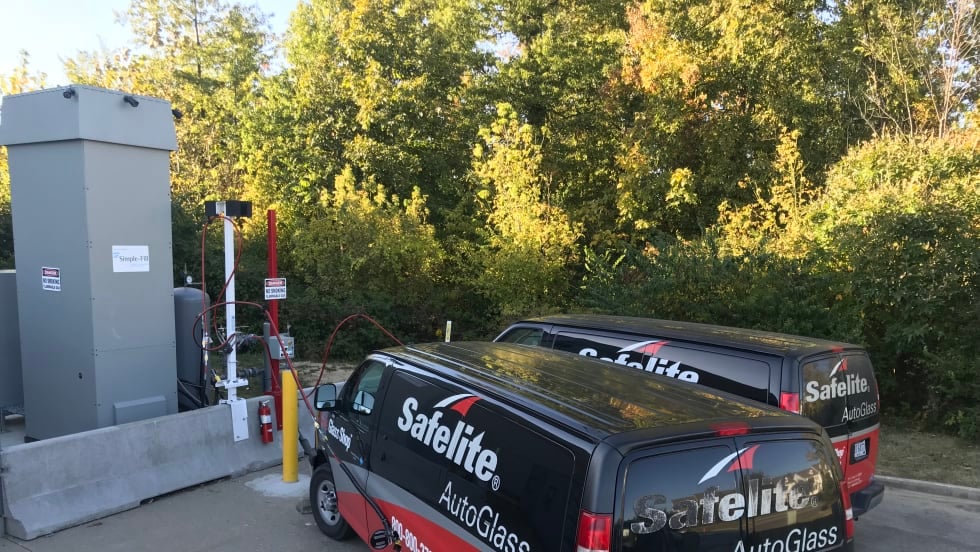
Whatever Happened to CNG?
While the light-duty market for compressed natural gas vehicles has almost evaporated, new near zero emissions technology and drastic reductions in infrastructure costs have reinvigorated the market for medium- and heavy-duty applications — even for smaller fleets.
Read More →