


Alliance AutoGas Announces Live Propane Autogas Conversion
Continuing in the spirit of last years’ “Fastest Alternative Fuel Vehicle Conversion” of the Ford F-150, Alliance AutoGas is taking a live autogas conversion one step further at the 2017 NTEA Work Truck Show in Indianapolis.

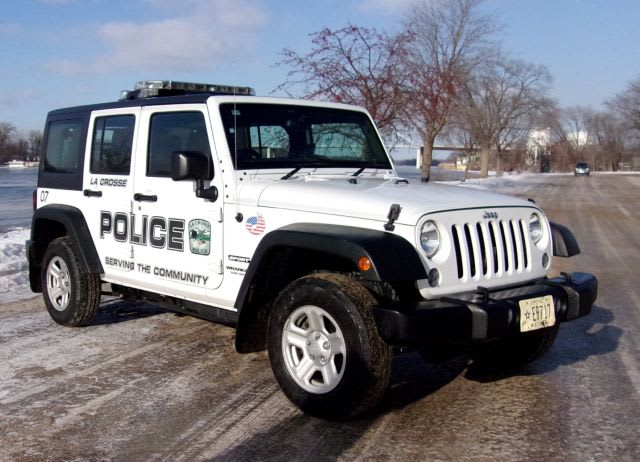
Alliance AutoGas is partnering with the La Crosse, Wis., Police Department to convert two Jeep Wranglers in a friendly side-by-side team competition.(Photo courtesy of Alliance AutoGas)
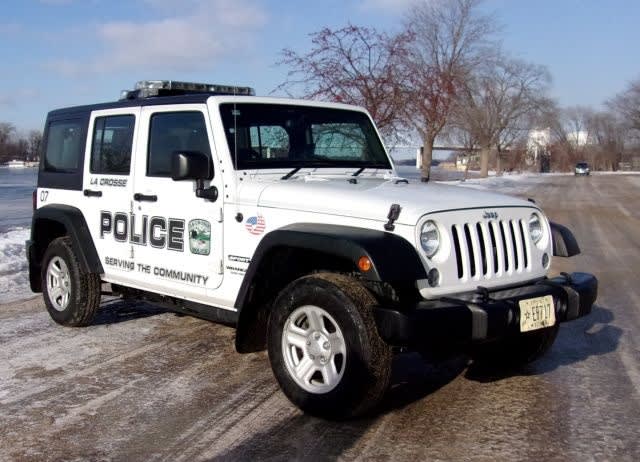
Alliance AutoGas is partnering with the La Crosse, Wis., Police Department to convert two Jeep Wranglers in a friendly side-by-side team competition.(Photo courtesy of Alliance AutoGas)
Continuing in the spirit of last years’ “Fastest Alternative Fuel Vehicle Conversion” of the Ford F-150, Alliance AutoGas is taking a live autogas conversion one step further at the 2017 NTEA Work Truck Show in Indianapolis.
On Thursday, March 16 at 11:30 a.m. at the Indiana Convention Center, Alliance AutoGas is partnering with the La Crosse, Wis., Police Department to convert two Jeep Wranglers in a friendly side-by-side team competition.
The conversion techs of Alliance AutoGas of Asheville, N.C. and the conversion techs of Clean Car Conversions of Indianapolis will battle to the finish in a "Race of the Wranglers."
The conversion is being sponsored by Work Truck magazine/Bobit Business Media, Greater Indiana Clean Cities, Jonathan Overly of the Clean Cities publication Fuels Fix, and the La Crosse Wisconsin Police Department.
The Wranglers will be driven back to La Crosse directly from the show to join the police fleet.
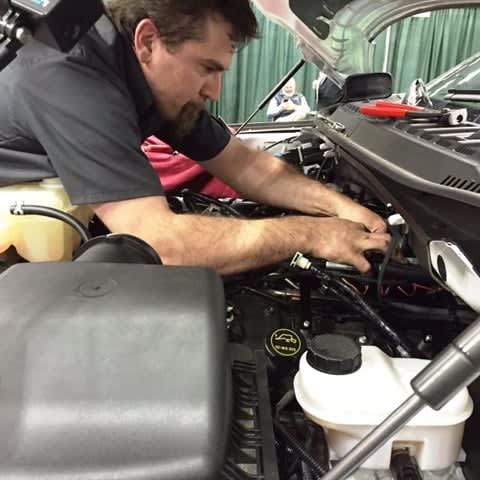
At the 2016 Work Truck Show, the Alliance conversion team converted the F-150 to propane autogas in 1:32:25, becoming the fastest-ever recorded alternative-fuel conversion.(Photo courtesy of Alliance AutoGas)
At the 2016 Work Truck Show, the Alliance conversion team converted the F-150 to propane autogas in 1:32:25, becoming the fastest-ever recorded alternative-fuel conversion.
"We are one of the very few municipal police agencies in Wisconsin to implement autogas fleet wide," said Robert Abraham, asst. chief of police for the City of La Crosse Police Department. “Why did we convert to autogas and converting more of our Jeep Wranglers? This is simple- ease in conversion, ease in refueling, size of tanks, safety of product, performance of product, and cost savings."
The Greater Indiana Clean Cities Coalition is additionally partnering in this event. “We are excited to be a partner in this year’s Race of the Wranglers conversion challenge between our member, Clean Car Conversion, and the Alliance Autogas Team,” stated Kellie Walsh, executive director of the Greater Indiana Clean Cities. “By having two different certified installers doing these conversions side by side, it will emphasize that, as long as you use a certified installer, you won’t be able to tell the difference when complete.”
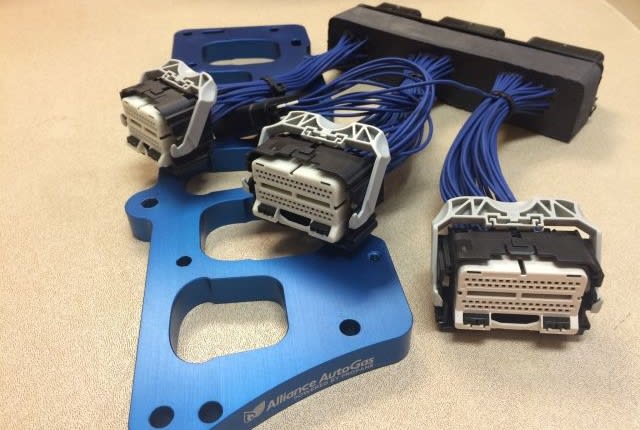
The conversions feature the Alliance AutoGas’ simplified EPA and NFPA 58 compliant Engineered Fuel System featuring a “plug-and-play” single plug wiring connector. (Photo courtesy of Alliance AutoGas)
The conversion will be as easy as one, two, three: One autogas conversion system, two teams battling for the finish line, and three demonstrative goals will be met: time savings, product innovation, and quality and consistency shown over time. The same results are achieved in any vehicle, at any time with the same Alliance-engineered system. ,
The Alliance AutoGas EPA and NFPA 58 compliant system can be installed on new or in-service vehicles in half the time of other products. All wiring is a “plug-and-play” no-cut install. Everything is bracketed and designed to be installed without any fabrication. By deploying these features, labor times and conversion costs are significantly reduced, according to Alliance AutoGas.
For more about Alliance AutoGas, visit www.allianceautogas.com.
Originally posted on Automotive Fleet
More Green Fleet

Fleet Forward Conference Introduces One-Day Passes for 2026
New one-day registration gives fleet professionals the flexibility to attend Tuesday, Wednesday, or Thursday, with passes available for $199 through Sept. 18.
Read More →
Teletrac Navman Adds Mixed-Energy Tracking to TN360
Energy Hub combines fuel card data, EV charging activity, reimbursements, and vehicle energy use in one dashboard for fleets operating gasoline, hybrid, and electric vehicles.
Read More →
Ford Pro e-Telematics Helps Fleet Track E-Transit Efficiency
Canadian electrical contractor Fize Electrique shares how it uses Ford Pro e-Telematics to drive and track efficiency in the battery-electric Fords in its fleet, mostly comprised of E-Transit vans, even in the brutal cold of winter.
Read More →
How to Maximize Benefits of PHEVs In Fleets
Plug-in hybrid vehicles can reduce fleets’ carbon emissions as well as range anxiety. This analysis shows the positive impacts of proper PHEV use, and the negative environmental and financial consequences if your drivers aren’t plugging them in.
Read More →
How Increased CAFE Standards Will Affect Fleets
The year 2026 will mark a turning point with multiple regulations converging to push for greater fuel economy in cars and trucks.
Read More →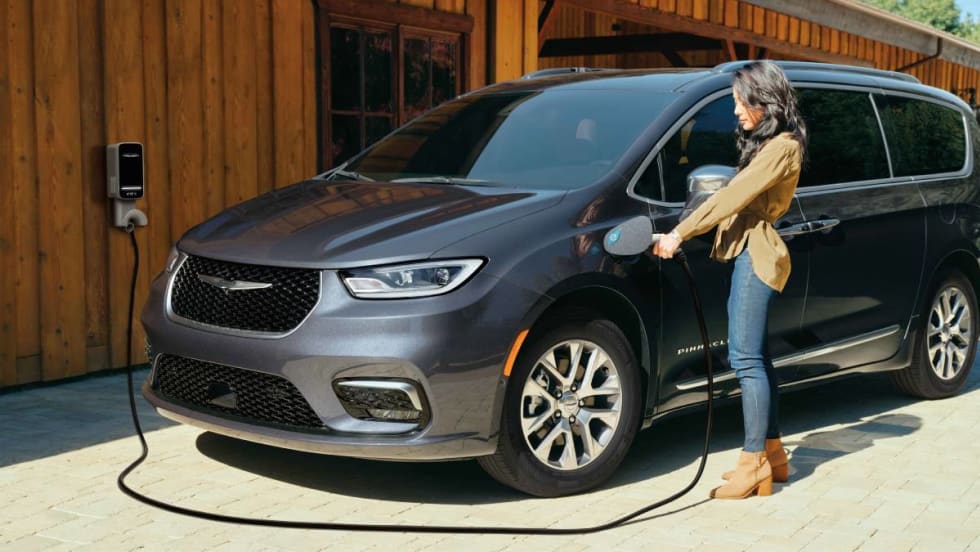
How To Reimburse Electric Vehicle Drivers for Charging at Home
Calculating reimbursement for at-home EV charging requires lots of precision, but several options are available ease the process for fleets.
Read More →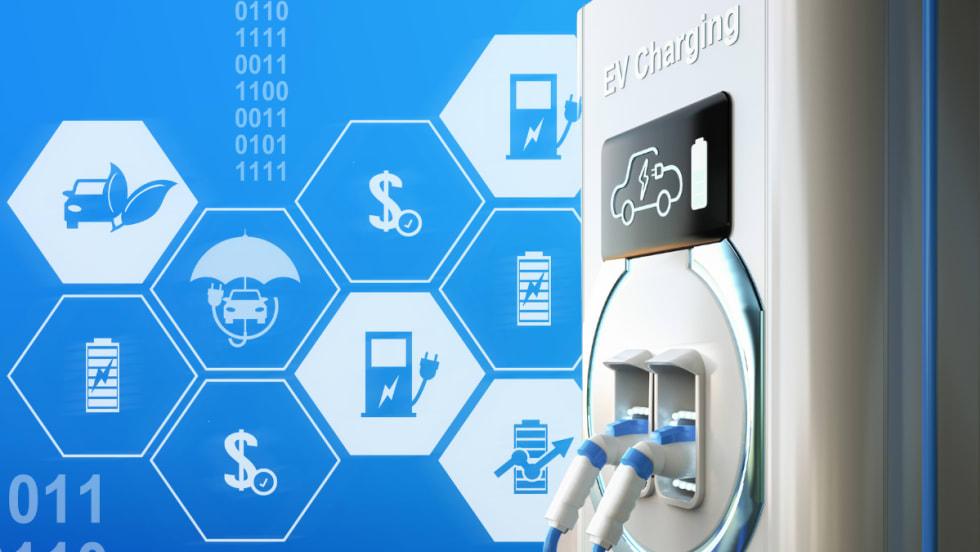
Buying vs. Leasing Electric Vehicles: Pros & Cons
As your fleet plans out its electrification roadmap, consider whether buying or leasing EVs make sense for your needs. Here’s what to consider.
Read More →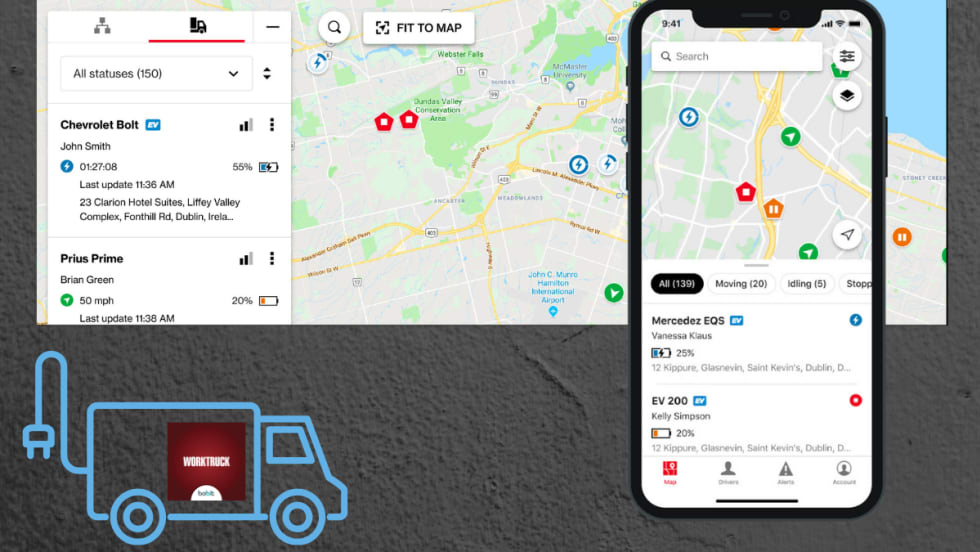
Verizon Connect Adds New EV Features to Reveal
Beginning next month, Verizon Connect Reveal customers in the U.S. and Canada will be able to more effectively support various vehicle types – both gasoline-powered and EVs – in one pane of glass.
Read More →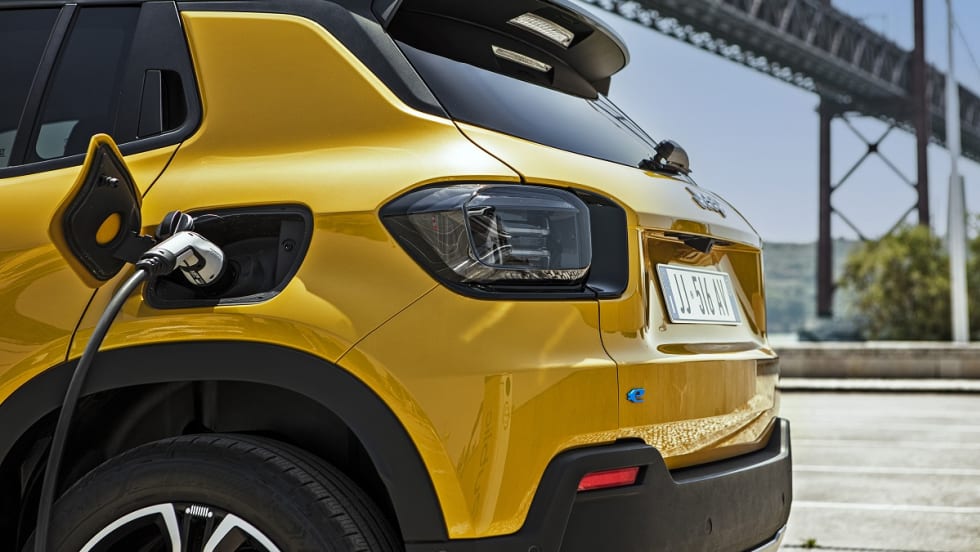
Jeep Reveals Plan for SUV Electrification
With an eye on becoming a zero-emission SUV leader, Jeep unveils its plans for four new all-electric SUVs in North America and Europe by 2025.
Read More →
Canoo Vehicles Added to Fleet Forward Tour Dallas
Attendees will be able to ride along in the electric Canoo Lifestyle Vehicle (LV) and the Canoo Lifestyle Delivery Vehicle (LDV), along with electric passenger cars, trucks, and vans from eight other automakers.
Read More →