


GM Marks Camaro, Firebird for Death After 35 Years
The Chevrolet Camaro and the Pontiac Firebird, two vehicles that helped define "muscle cars" for generations of American youth, will die next year after 35 years of production, General Motors Corp. said on Sept. 25.

The Chevrolet Camaro and the Pontiac Firebird, two vehicles that helped define "muscle cars" for generations of American youth, will die next year after 35 years of production, General Motors Corp. said on Sept. 25. Launched in 1966 as a response to the vastly popular Ford Mustang, the Camaro and Firebird twins and their high performance Z28 and Trans Am versions were doomed by changing industry economics that made selling large numbers of 300-horsepower sports coupes to men under 35 nearly impossible. According to industry analysts, sales for the two vehicles have dropped so low that it has become economically impossible to continue their production. "It was just declining sales," GM spokesman Tom Wilkinson said. "The volume of the two vehicles was not enough to run a plant. We couldn't keep it going." Camaro sales were down 25 percent through August, and Firebird sales were down 28 percent, according to AutoData. Mustang sales, in comparison, were down 12 percent. GM said it was closing the Canadian plant where the two models are built in September 2002, ending production after more than 6.6 million vehicles. The Camaro and Firebird were first introduced in 1966 as 1967 models, and have had only four major updates since, the last in 1992. None tinkered with the basic formula for success - a big V8 engine powering the rear wheels in a package made as inexpensively as possible. Like other muscle cars, the Camaro and Firebird were hit by the fuel shortages and clean-air restrictions of the early 1970s, which forced less-powerful engines under their hoods and dampened sales. But they remained popular through the decade. A high point came with the 1977 film "Smokey and the Bandit," featuring Burt Reynolds in a black Pontiac Trans Am complete with gold "screaming chicken" hood decal escorting a truckload of beer across the country. Five years later, another Trans Am was the co-star of the popular television series "Knight Rider." But for years, the Camaro and Firebird have been dropping further and further behind the Mustang. Through August of this year, GM has sold 38,564 Camaros and Firebirds in the United States, while Ford Motor Co. sold 112,242 Mustangs. According to industry analysts, one reason why the Mustang has flourished is because it's no longer a true muscle car. Last year, more than 70 percent of Mustangs were sold with a V6 engine rather than a V8, and more than 60 percent were sold to women. By comparison, the Camaro and Firebird are still mostly known for their high-power variants that appeal to men under 35, according to industry observers. Even if those younger buyers can afford a $25,000 to $30,000 sticker, insurance premiums of thousands of dollars a year make the purchase harder. And customers over 35, many of whom already have at some point owned a Camaro or Firebird, now tend to look for Lexus, Porsche, Jaguar, Mercedes Benz, and other prestige brands when selecting a sports car. GM announced that the Camaro and Firebird were on "hiatus," but didn't say if or when the names might reappear. One problem for GM is that unlike 35 years ago, only a small percentage of its current vehicles are rear-wheel-drive, making it harder to cut costs by sharing parts with other models. GM has a new rear-wheel-drive platform called Sigma that will be the basis for a new Cadillac sedan later this year, but that's not seen as a likely choice for a low-cost sports car.
Originally posted on Work Truck Online
More Vehicle Insights
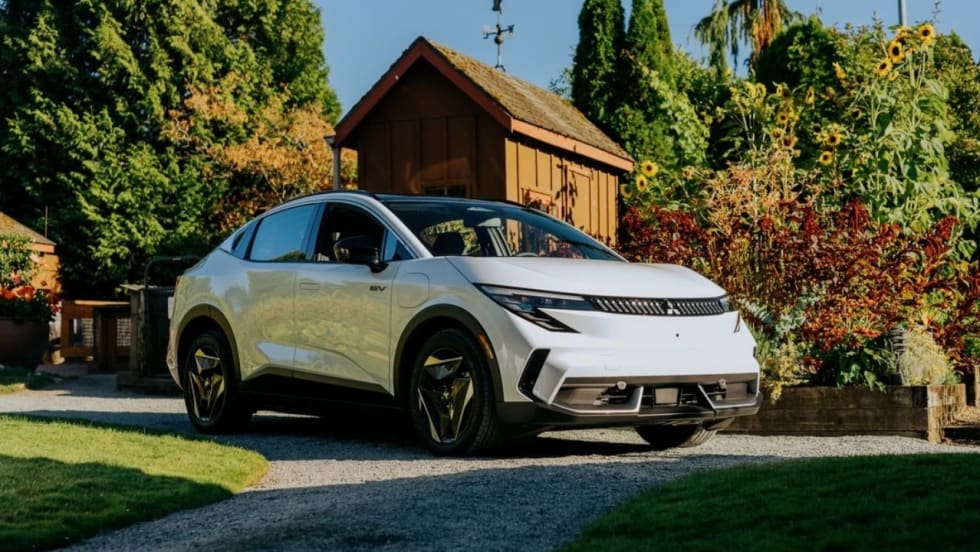
2027 Mitsubishi Eclipse Sportback Starts at $39,740
Mitsubishi’s new battery-electric vehicle offers up to 282 miles of range, with U.S. sales scheduled to begin in October.
Read More →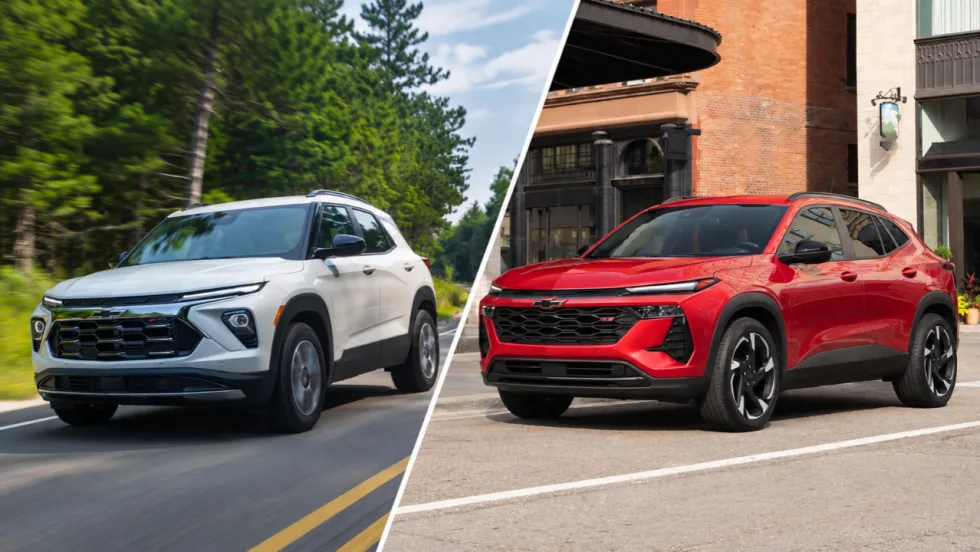
2027 Chevrolet Trax and Trailblazer Add Standard Safety Tech and New Features
Chevrolet updates its two smallest SUVs for 2027 with more than 20 standard safety and driver-assistance features, larger displays, and a new Trailblazer Z71 trim.
Read More →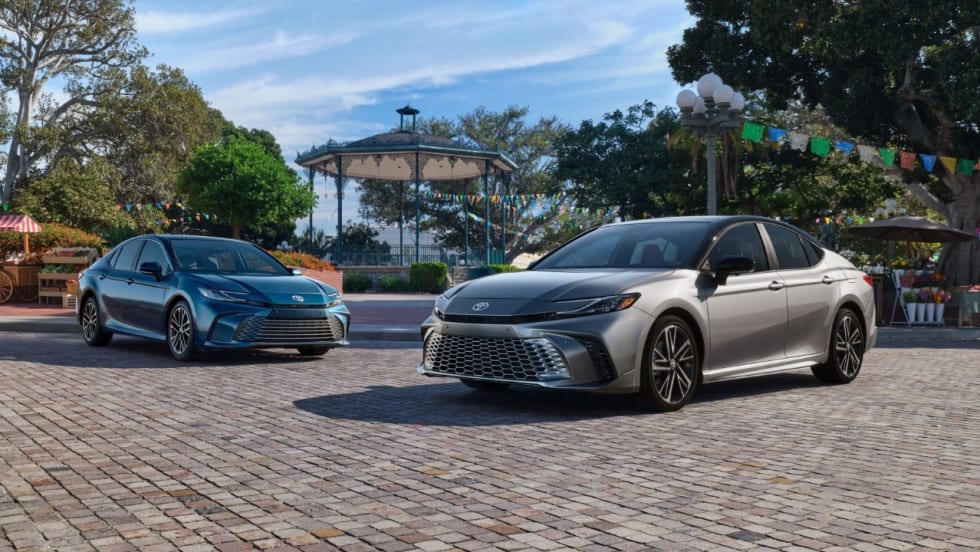
2027 Toyota Camry Starts at $29,700 With Up to 51 MPG Combined
The 2027 Toyota Camry returns with an exclusively hybrid powertrain, available all-wheel drive, standard safety technology, and five trim levels.
Read More →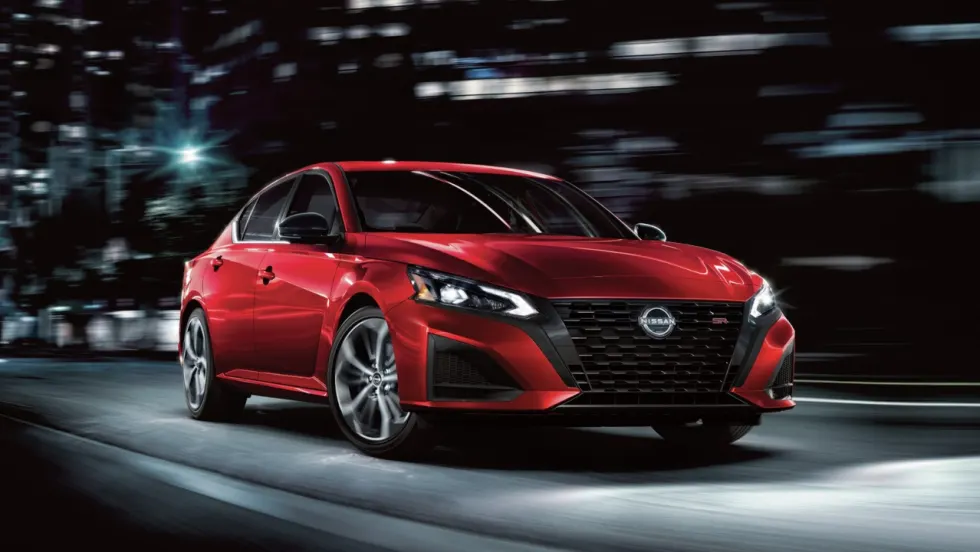
2027 Nissan Altima Starts at $27,790 With Up to 36 MPG Highway
The 2027 Nissan Altima is now on sale with three configurations, available all-wheel drive, standard driver-assistance technology, and up to 36 mpg highway.
Read More →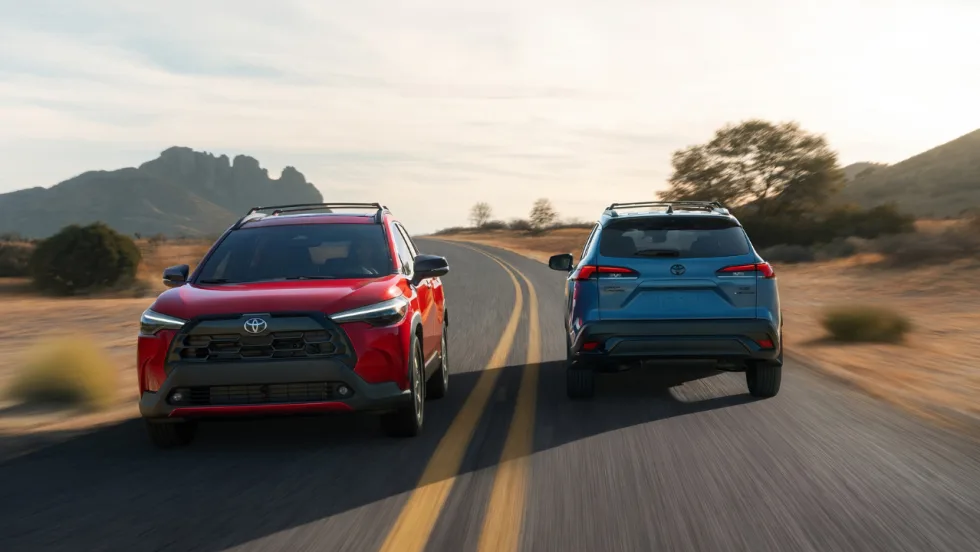
2027 Toyota Corolla Cross Hybrid Returns with 42 MPG
The 2027 Toyota Corolla Cross gives small business fleets gas and hybrid options, available AWD, flexible cargo space, and up to an estimated 42 mpg combined.
Read More →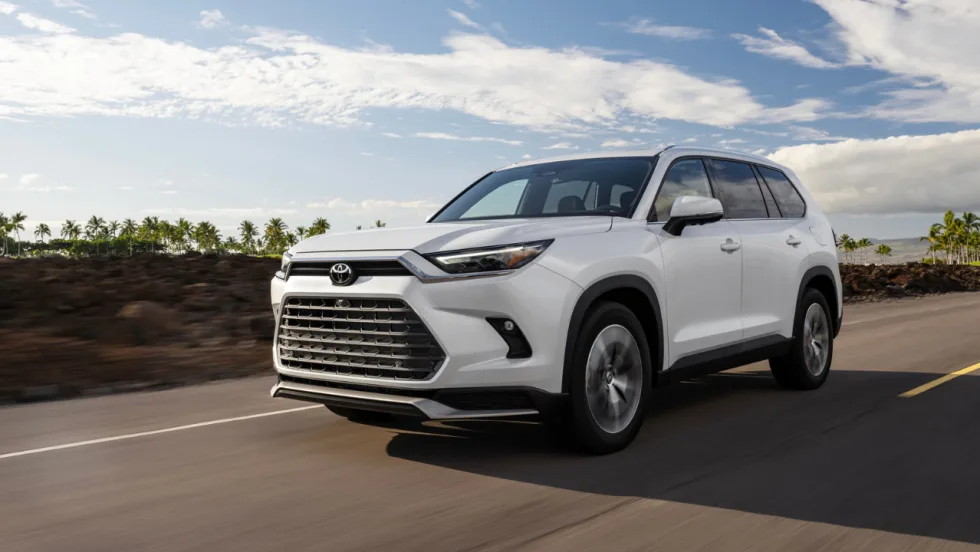
2027 Toyota Grand Highlander Expands Hybrid Options for Small Business Fleets
The 2027 Toyota Grand Highlander offers gas, hybrid, and Hybrid MAX powertrains, up to 97.5 cubic feet of cargo space, and towing capacity up to 5,000 pounds.
Read More →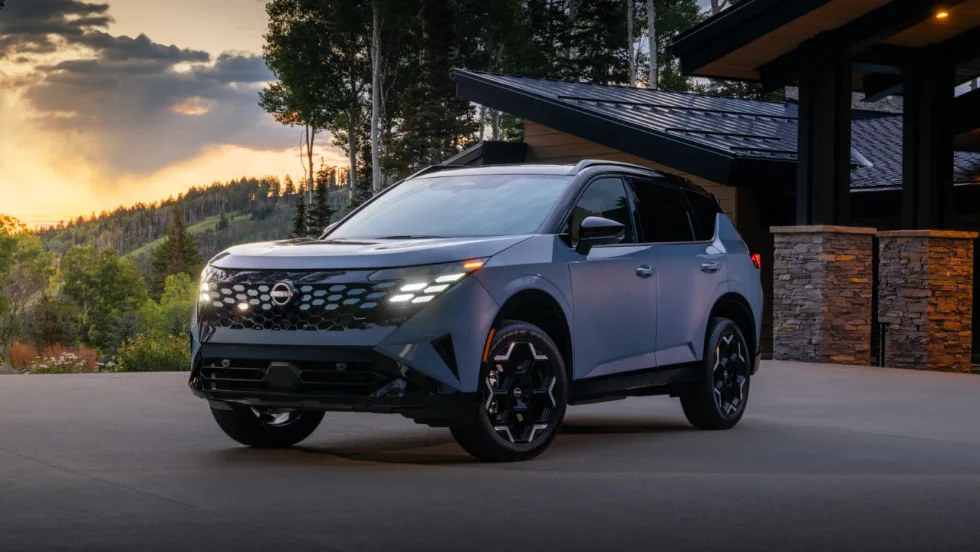
2027 Nissan Rogue Hybrid Brings e-POWER Technology to U.S. Fleets
The 2027 Nissan Rogue Hybrid brings e-POWER technology to the U.S. with standard AWD, up to 38 mpg combined, and a starting MSRP of $35,490.
Read More →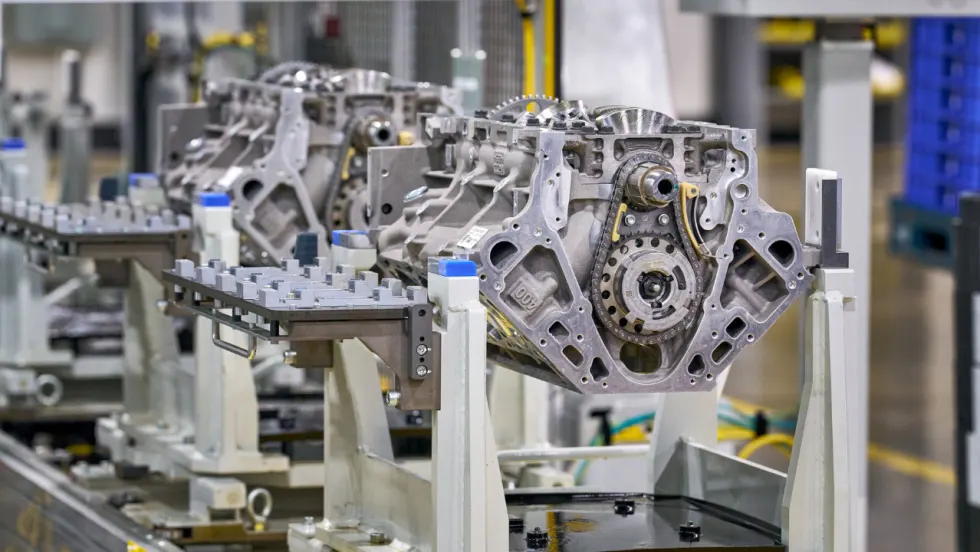
2027 Silverado and Sierra Give Small Fleets Four Ways to Spec a Work Truck
GM’s 2027 Silverado 1500 and Sierra 1500 will offer four powertrains with different strengths in payload, towing, power, and driving range.
Read More →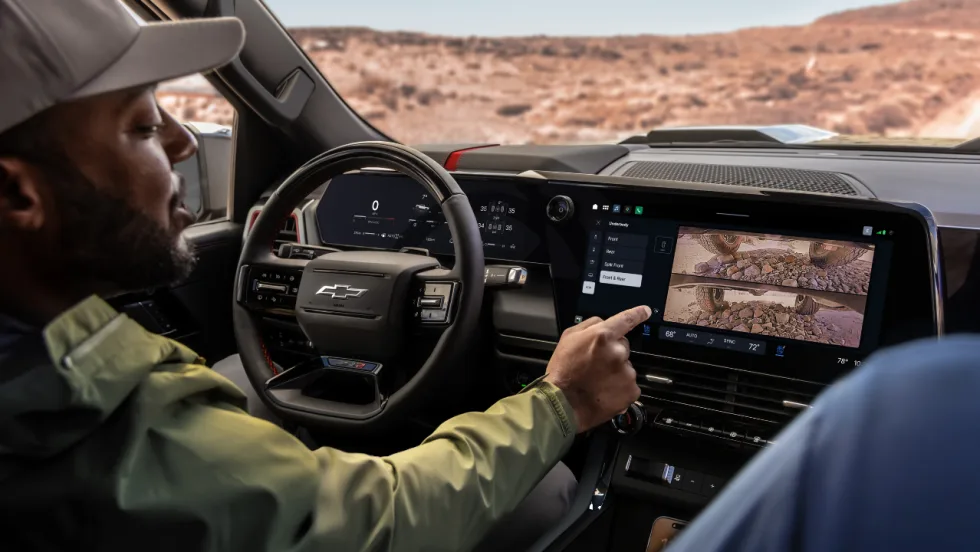
GM Brings New Truck Focused Interface to 2027 Silverado and Sierra
GM's new pickup interface puts trailering data, camera views, vehicle controls, and smartphone integration closer to the driver in the 2027 Silverado and Sierra.
Read More →
Volkswagen Expands Driver Assistance Features Across 2027 Lineup
Volkswagen is adding lane-change assistance, expanded emergency intervention, pedestrian detection, and updated predictive cruise control features to select 2027 models.
Read More →