


Propane Autogas Ford F-150 Hits Northwest in Coast-to-Coast Tour
Alliance Autogas began its coast-to-coast tour in Kansas, with the propane-converted pickup making it up to Washington in just a few short days before it continues on to California. The ride is to support the message to fleets that "it’s really not that hard to convert."

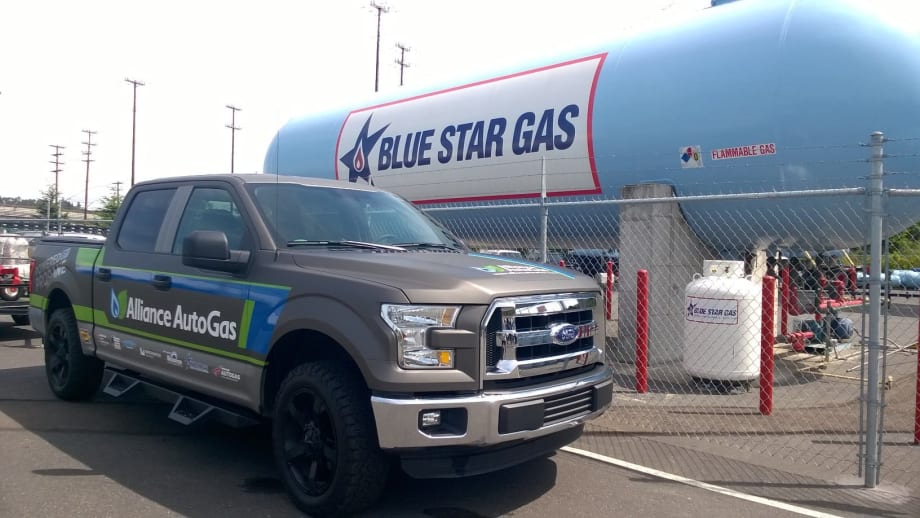
Propane vehicles are displacing about 1 million gallons of gasoline and 1,600 cubic-feet of greenhouse gas emissions annually in the Seattle area. (PHOTO: Joanne Tucker)
Propane vehicles are displacing about 1 million gallons of gasoline and 1,600 cubic-feet of greenhouse gas emissions annually in the Seattle area. (PHOTO: Joanne Tucker)
The same Ford F-150 that broke records at this year’s Work Truck Show as the fasted propane-autogas-converted vehicle is now making its way throughout the country. The propane-autogas-powered pickup has so far traveled from Kansas, made stops in Colorado and Utah, and now sits briefly in Seattle before heading on — all to demonstrate and serve as a testament to how quickly and easily a vehicle can be converted to propane, and run on it.
The tour has now reached the West Coast (see photo) and is on it's way to the East Coast (Jacksonville, Fla.).
“It’s about awareness,” said Darren Engle, director of government relations at Blue Star Gas, a sponsor of the event. He noted that Alliance Autogas and the propane industry have made some significant achievements.
According to Engle, who works in Blue Star Gas’ office just outside downtown Seattle, propane vehicles are displacing about 1 million gallons of gasoline and 1,600 cubic-feet of greenhouse gas emissions annually in the Seattle area. “We’re affecting the health of our children — no one can argue with that,” he added.
Throughout Washington, Engle says that fleet propane autogas customers have grown from just a few to now hundreds, ranging from Seattle Children’s, the first propane autogas customer there, to SuperShuttle and DHL. “It’s really not that hard to convert, and that’s what we want to show to fleets,” he said. “There’s a great ROI.”
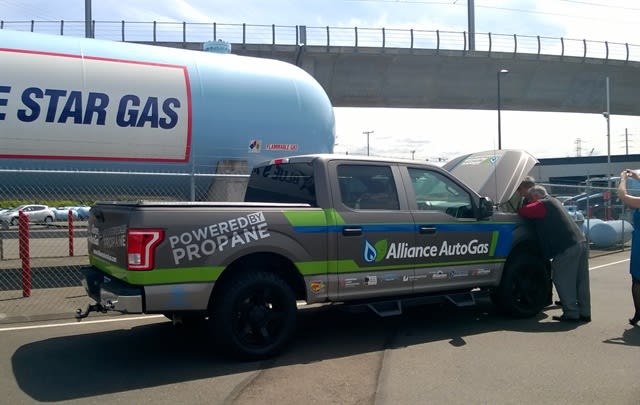
The propane-autogas-powered pickup has so far traveled from Kansas, made stops in Colorado and Utah, and now sits briefly in Seattle. (PHOTO: Joanne Tucker)
Western Washington Clean Cities (WWCC) was also at the event in support of alternative fuels. WWCC Coordinator Scott DeWees explained how if all the gas consumed annually in the U.S. were lined up in supertankers, it would line the coast from Seattle to Redding, Calif. — about a 10-hour drive. “We’re beginning to hit a critical mass on alternative fuels, so we need to celebrate the ease in which fleets can convert to propane autogas,” he said.
For more information about the tour, please visit www.allianceautogas.com/resources/coast-to-coast-clean-air-ride/.
Originally posted on Automotive Fleet
More Green Fleet

Fleet Forward Conference Introduces One-Day Passes for 2026
New one-day registration gives fleet professionals the flexibility to attend Tuesday, Wednesday, or Thursday, with passes available for $199 through Sept. 18.
Read More →
Teletrac Navman Adds Mixed-Energy Tracking to TN360
Energy Hub combines fuel card data, EV charging activity, reimbursements, and vehicle energy use in one dashboard for fleets operating gasoline, hybrid, and electric vehicles.
Read More →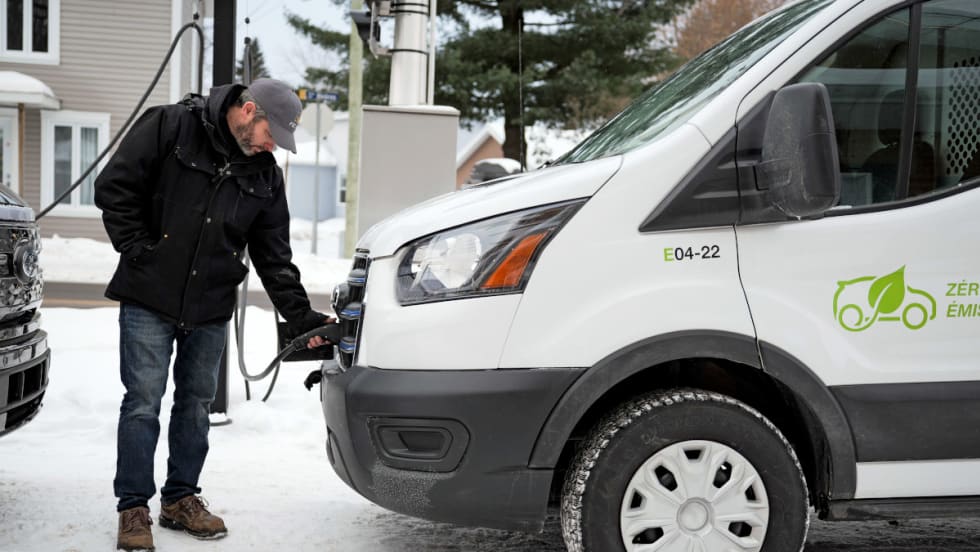
Ford Pro e-Telematics Helps Fleet Track E-Transit Efficiency
Canadian electrical contractor Fize Electrique shares how it uses Ford Pro e-Telematics to drive and track efficiency in the battery-electric Fords in its fleet, mostly comprised of E-Transit vans, even in the brutal cold of winter.
Read More →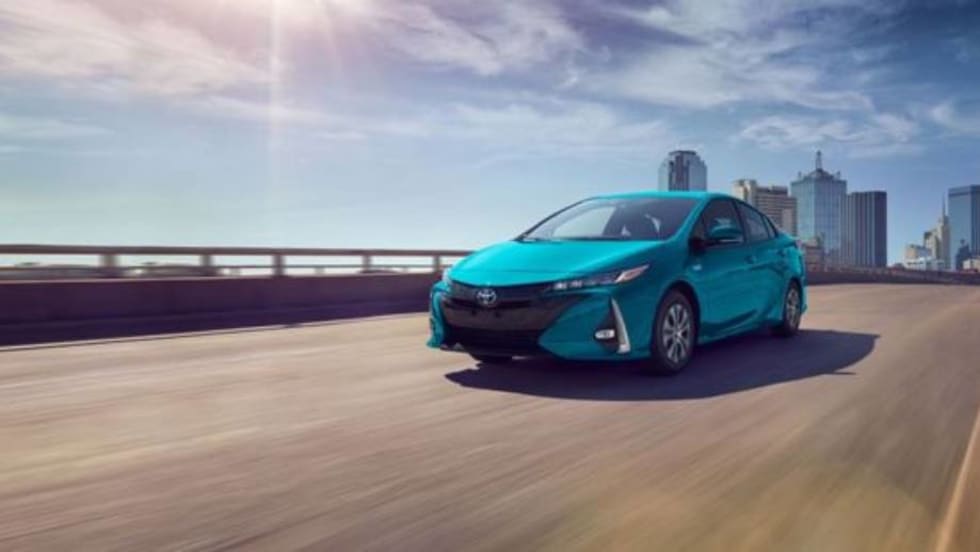
How to Maximize Benefits of PHEVs In Fleets
Plug-in hybrid vehicles can reduce fleets’ carbon emissions as well as range anxiety. This analysis shows the positive impacts of proper PHEV use, and the negative environmental and financial consequences if your drivers aren’t plugging them in.
Read More →
How Increased CAFE Standards Will Affect Fleets
The year 2026 will mark a turning point with multiple regulations converging to push for greater fuel economy in cars and trucks.
Read More →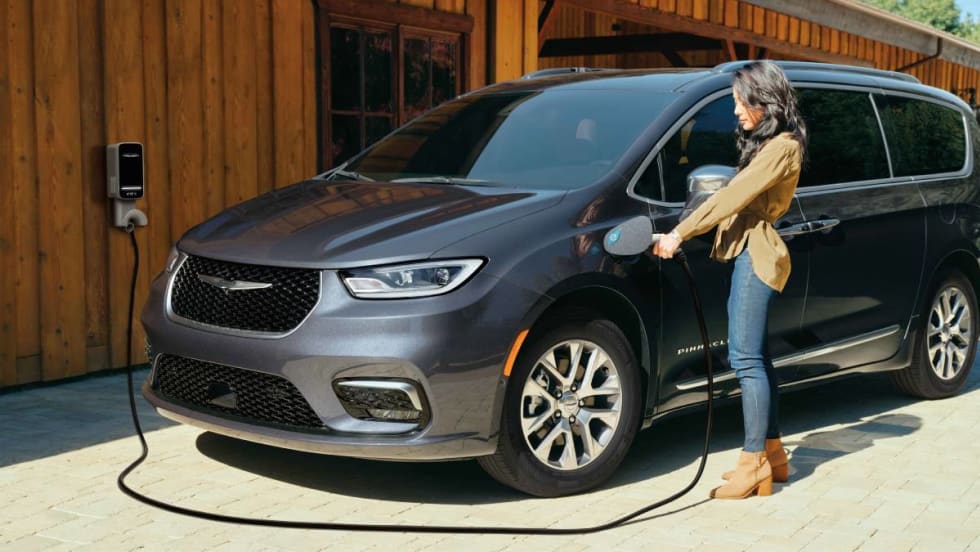
How To Reimburse Electric Vehicle Drivers for Charging at Home
Calculating reimbursement for at-home EV charging requires lots of precision, but several options are available ease the process for fleets.
Read More →
Buying vs. Leasing Electric Vehicles: Pros & Cons
As your fleet plans out its electrification roadmap, consider whether buying or leasing EVs make sense for your needs. Here’s what to consider.
Read More →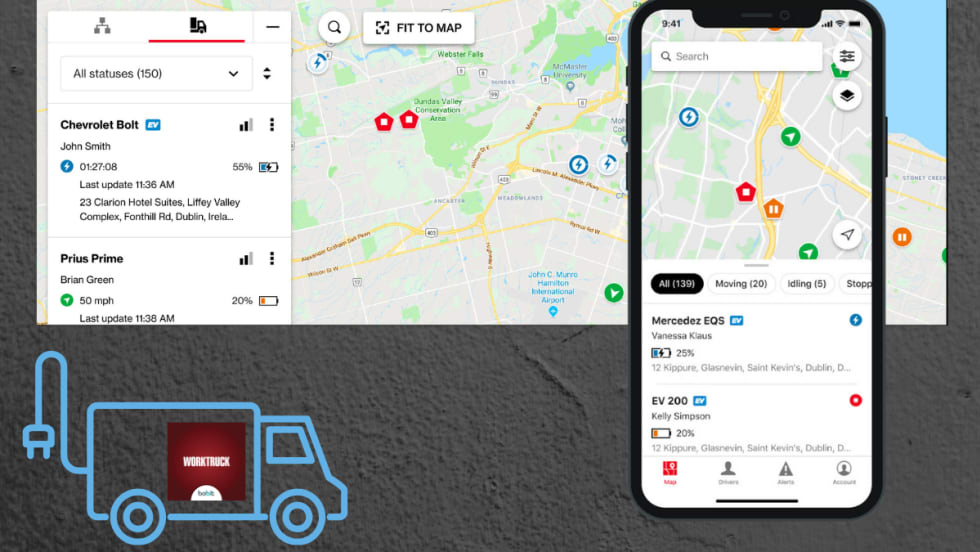
Verizon Connect Adds New EV Features to Reveal
Beginning next month, Verizon Connect Reveal customers in the U.S. and Canada will be able to more effectively support various vehicle types – both gasoline-powered and EVs – in one pane of glass.
Read More →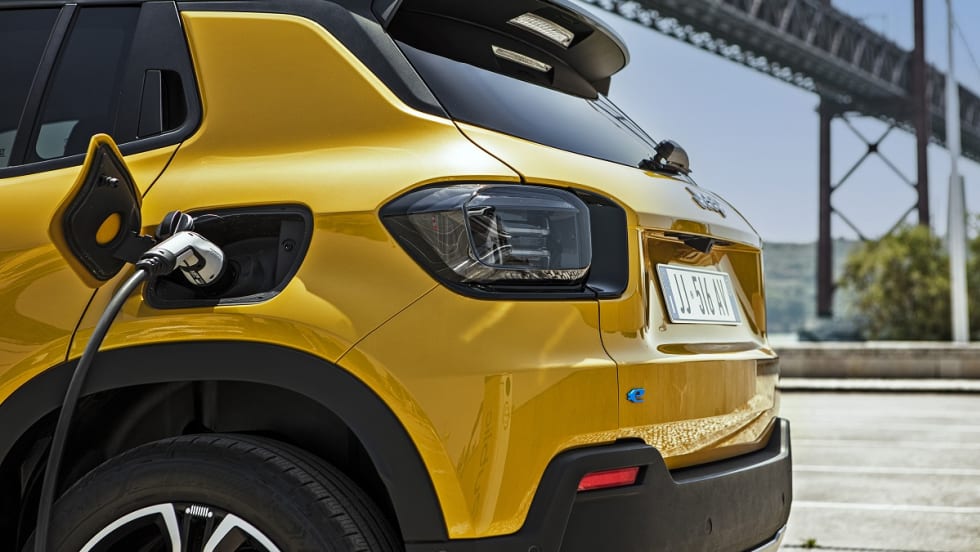
Jeep Reveals Plan for SUV Electrification
With an eye on becoming a zero-emission SUV leader, Jeep unveils its plans for four new all-electric SUVs in North America and Europe by 2025.
Read More →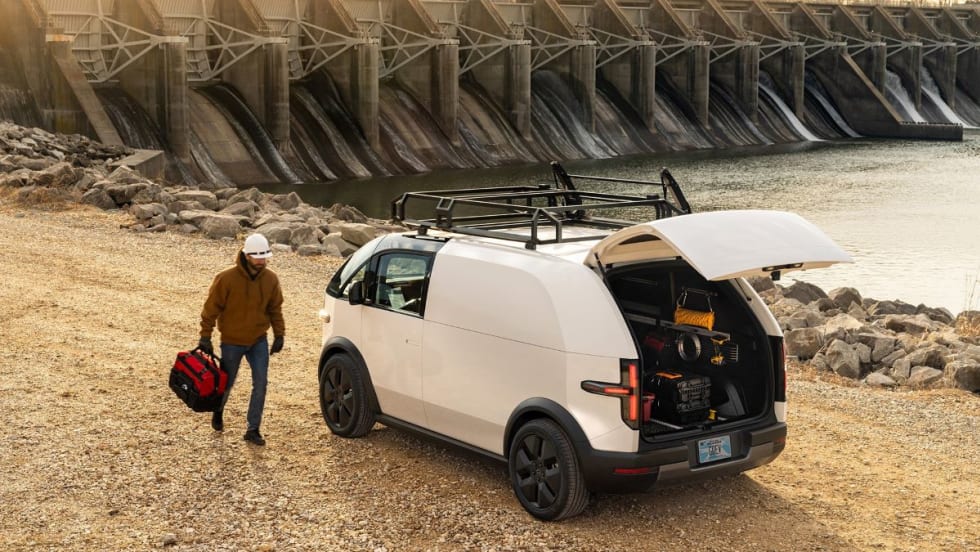
Canoo Vehicles Added to Fleet Forward Tour Dallas
Attendees will be able to ride along in the electric Canoo Lifestyle Vehicle (LV) and the Canoo Lifestyle Delivery Vehicle (LDV), along with electric passenger cars, trucks, and vans from eight other automakers.
Read More →