


All-New Transit & Transit Connect Offer Power of Choice
With a variety of roof heights and vehicle lengths, the Transit and Transit Connect will be able to fit the needs of a wide variety of commercial fleets. The new vans will go on sale in 2014.
September 17, 2013

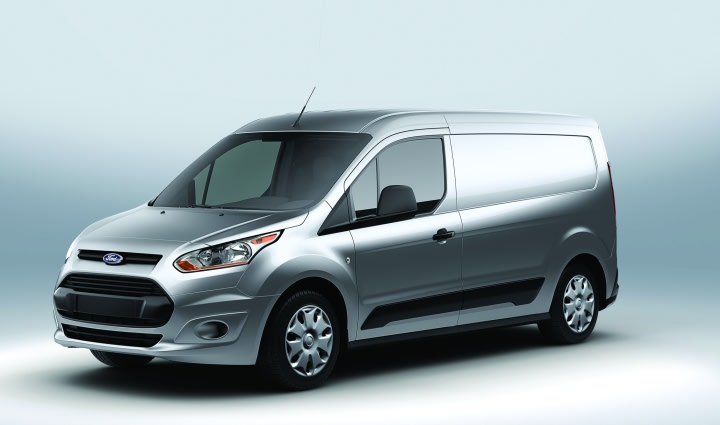
Transit Connect
6 min to read
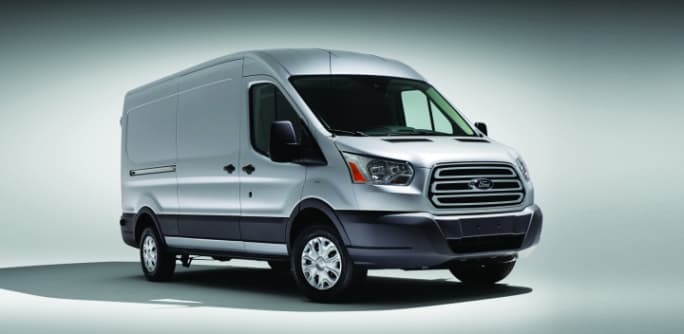
Transit
The long-anticipated Ford Transit will debut in the U.S. market in summer 2014. Already a staple on the European market, the all-new, full-size van will replace the legendary E-Series van, which will be transitioned out of the Ford lineup during the 2014 calendar year.
Joining the Ford Transit is the all-new Ford Transit Connect. The Transit Connect has already established itself in the U.S. market with a variety of fleets, including some of the largest companies in the nation. The all-new Transit Connect will be available in early 2014.
While both vehicles have distinct differences in size and function, they do have one thing in common, according to Minyang Jiang, Transit/Transit Connect marketing manager: “The one word that captures both vehicles is ‘choice.’ ”
Choice is featured at every level for both of the vehicles. For instance, the Transit will be available with a variety of powertrains, including the 3.7L base engine and two optional engines: a 3.5L EcoBoost, and a 3.2L Power Stroke diesel. In addition, the 3.7L will also be available with a compressed natural gas/liquefied petroleum gas (CNG/LPG) gaseous prep package.
For the Transit Connect, the base engine will be a 2.5L I-4; the optional engine will be a 1.6L EcoBoost, which will be available on all variants except the seven-passenger wagon.
The Transit will also come with a choice of three roof heights, three body lengths, and two wheelbases.
The high-roof Transit features 81.5 inches of interior cargo height, enough headroom for a person to stand in.
For the Transit Connect, in addition to featuring European styling, the all-new compact van will feature a lower roof and cargo floor. And, for the first time, it will be available in two body lengths, either 173.9 inches or 189.7 inches; and two wheelbases, either 104.8 inches or 120.6 inches. When properly spec’ed, the Transit Connect can tow up to 2,000 pounds.
In addition to choice, the Transit is designed to be “Ford Tough” with unibody construction composed of lightweight boron steel, according to the company.
Both vehicles include a number of new safety features, according to Jiang.
“For Transit Connect, some of the new features include front and rear parking assist, a rear-view camera, side curtain air bags on all rows, and high-strength boron steel construction,” Jiang said. “For Transit, we have unibody construction and we’re offering a Lane Departure Warning system. Both vehicles will also be available with Mykey, which is important for fleet management, as it can help monitor such items as seat-belt compliance and other driver activities that could impact the vans’ safe operation.”
Built for Upfitting
Although the Transit is yet to roll off its U.S. assembly lines in Kansas City, upfitters Leggett & Platt, Adrian Steel, and Sortimo are already preparing by locating operations in physical proximity to the assembly plant.
“They’re all going to be physically located there, because Transit is such an investment in that plant,” Jiang said. “This is also good because it creates jobs for the local economy.”
Ford has also invested in an upfitting website, transitupfits.com, and will feature both Transit and Transit Connect. The current Transit Connect site will redirect to this portal.
“It’s a whole new tool. Right now, it’s only open to dealers, but it’s a really simple drag-and-drop tool that hosts products from upfitters Leggett & Platt, Adrian Steel, and Sortimo, and the dealer can basically sit down with the customer, understand their needs, and just use that website and place that order,” Jiang explained. “When you look at that website, you can visualize the upfit for Transit and Transit Connect.”
The site is currently fully live for Transit Connect and will be available for Transit customers in January 2014 when the order banks open.
Use of the site is not a requirement when ordering. “Many of our fleets choose to work with customized upfits and work directly with those upfitters, but this tool will be open for them as well,” Jiang said. “If they find what they want on the site, it can become a click and done system and can be all done online.”
The Transit was designed for upfitting with racks, bins, shelving, and other cargo storage and hauling solutions. The largest passenger version can carry up to 15 people.
Transitioning from the E-Series
Perhaps the biggest impact the Transit is making is as the replacement for Ford’s iconic E-Series van, which will continue to be available through 2014, serving to help customers transition to the new full-size Transit.
Jiang and her team have been working to help fleets understand the Transit in advance of the transition from the E-Series.
“One thing we tell our customers, if you like E-Series you’re going to really love Transit. We’ve been talking to customers for a longer time now than we’d typically talk about a new product, knowing that the fleets need that time to understand and test the product for themselves,” Jiang said. “We keep a constant dialog open with our customers as we’ve done that from the very beginning with the design of this product. From a logistical perspective, we’re working very closely with our fleet customers to meet their needs in the last year of E-Series and the first year of Transit, so we can synchronize our production to fit their needs.”
Jiang noted that the power of choice will allow Ford to tap into a number of markets that the automaker has not been able capture with E-Series.
“Talking about one of the key value propositions of Transit is that flexibility and ability to really customize it to what our fleet customers and small business customers would want,” Jiang said.
Robots Used for Testing Ford Transit
Ford was determined that the Transit be built “Ford Tough,” which required punishing, repeated tests to push the new full-size van to its limits and beyond. This posed some serious safety dilemmas for any human test drivers.
Ford engineers found the answer in a robotic test driving program — now in use at the company’s Michigan Proving Grounds in Romeo. The pilot program, which also served as its durability testing regimen, was used on the all-new Transit van.
In addition to protecting human testers from injury, the robotic testing was more precise and could be performed repeatedly, allowing for an accelerated durability testing program, according to the automaker.
The durability technology includes a robotic control module installed in the test vehicle that controls vehicle steering, acceleration, and braking. The module is set to follow a preprogrammed course, and the vehicle’s position is tracked via cameras in a central control room, and the GPS is accurate to plus or minus 1 inch.
Should the vehicle stray from its programmed course, engineers have the ability to stop the vehicle, course correct as necessary, and restart the test. Onboard sensors can command a full stop if a pedestrian or another vehicle strays into the path.
The robotically driven vehicles are expected to repeatedly perform tests on torturous surfaces with names like Silver Creek, Power Hop Hill, and Curb Your Enthusiasm. According to Ford, the tests can compress 10 years of daily driving abuse into courses just a few hundred yards long, with surfaces that include broken concrete, cobblestones, metal grates, rough gravel, mud pits, and oversized speed bumps.
With the success of the pilot program, Ford is considering using robotic durability testing for other vehicles in the future, according to Aaron Miller, Truck Communications coordinator for Ford Motor Company.
Originally posted on Automotive Fleet
More Vehicle Insights
2027 Mitsubishi Eclipse Sportback Starts at $39,740
Mitsubishi’s new battery-electric vehicle offers up to 282 miles of range, with U.S. sales scheduled to begin in October.
Read More →
2027 Chevrolet Trax and Trailblazer Add Standard Safety Tech and New Features
Chevrolet updates its two smallest SUVs for 2027 with more than 20 standard safety and driver-assistance features, larger displays, and a new Trailblazer Z71 trim.
Read More →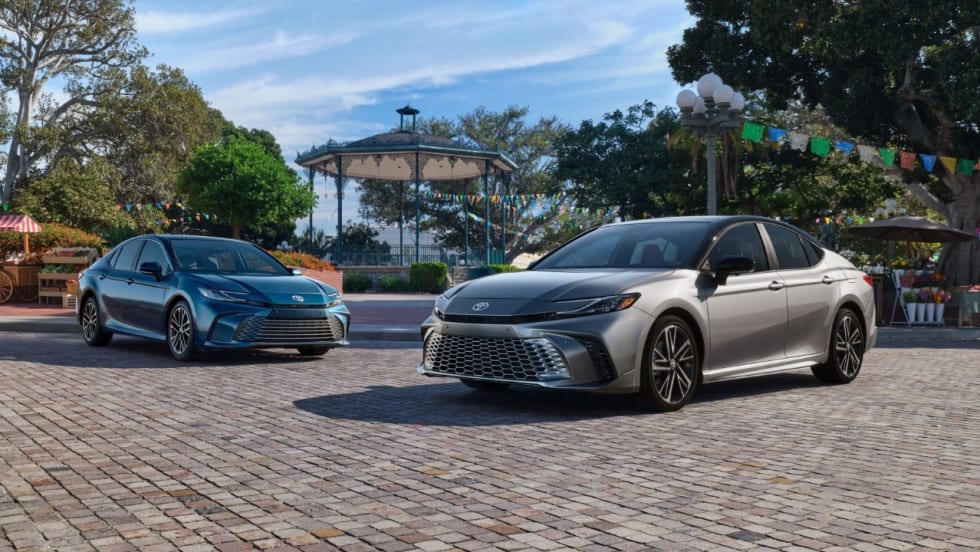
2027 Toyota Camry Starts at $29,700 With Up to 51 MPG Combined
The 2027 Toyota Camry returns with an exclusively hybrid powertrain, available all-wheel drive, standard safety technology, and five trim levels.
Read More →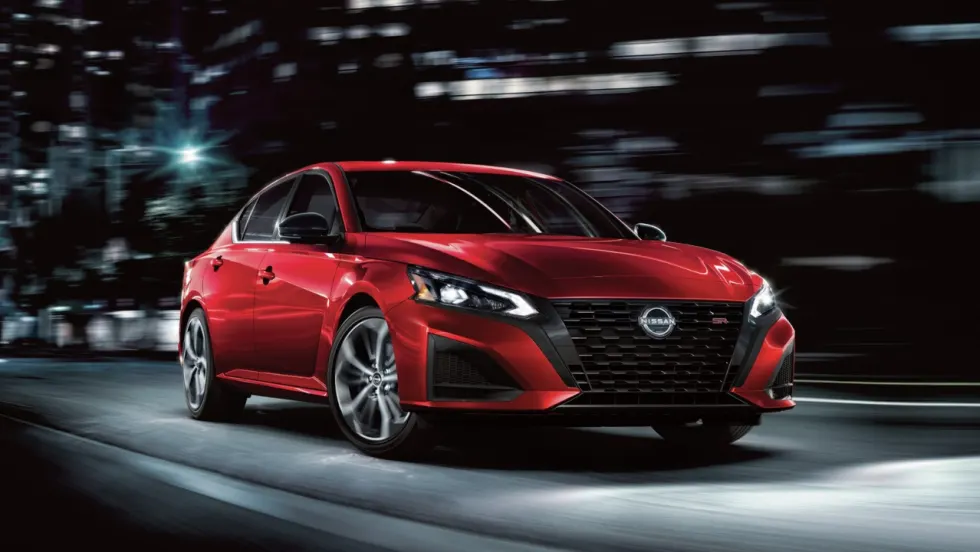
2027 Nissan Altima Starts at $27,790 With Up to 36 MPG Highway
The 2027 Nissan Altima is now on sale with three configurations, available all-wheel drive, standard driver-assistance technology, and up to 36 mpg highway.
Read More →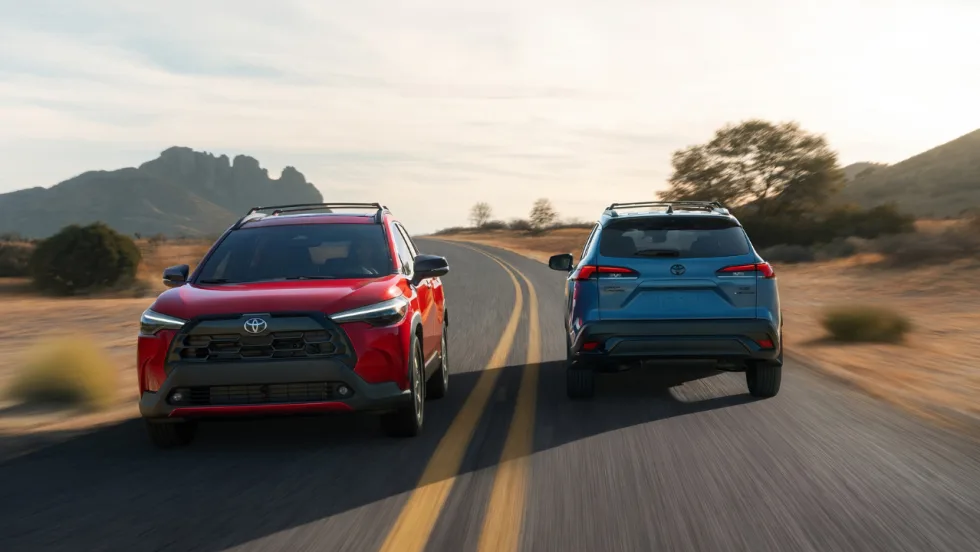
2027 Toyota Corolla Cross Hybrid Returns with 42 MPG
The 2027 Toyota Corolla Cross gives small business fleets gas and hybrid options, available AWD, flexible cargo space, and up to an estimated 42 mpg combined.
Read More →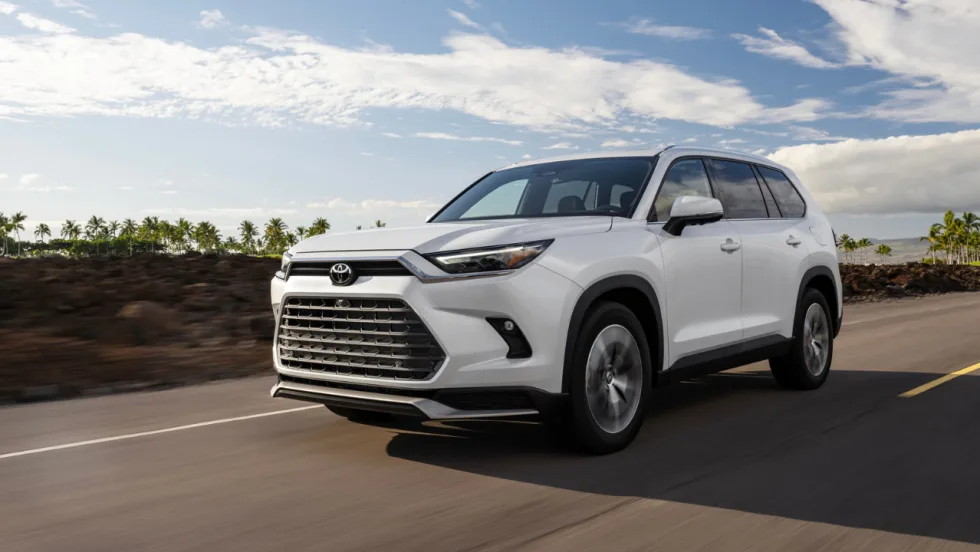
2027 Toyota Grand Highlander Expands Hybrid Options for Small Business Fleets
The 2027 Toyota Grand Highlander offers gas, hybrid, and Hybrid MAX powertrains, up to 97.5 cubic feet of cargo space, and towing capacity up to 5,000 pounds.
Read More →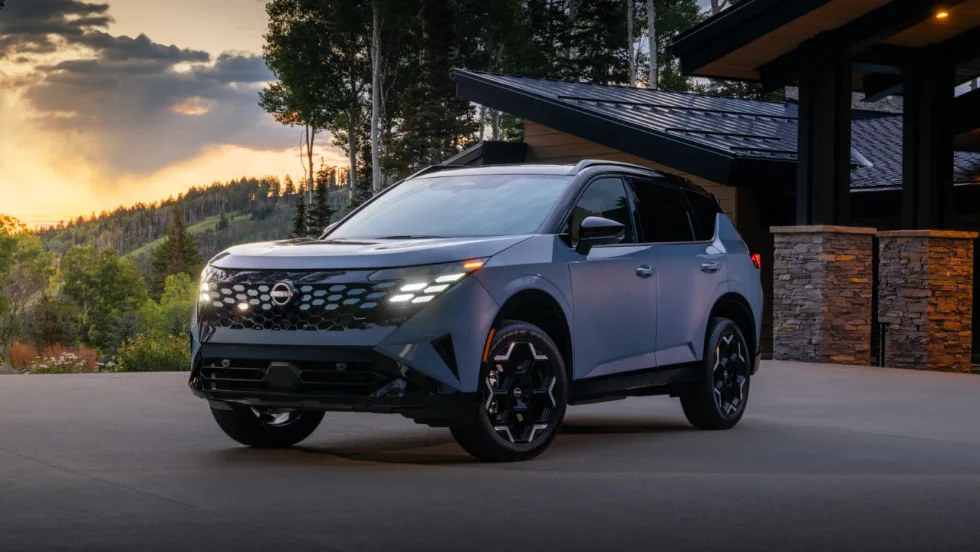
2027 Nissan Rogue Hybrid Brings e-POWER Technology to U.S. Fleets
The 2027 Nissan Rogue Hybrid brings e-POWER technology to the U.S. with standard AWD, up to 38 mpg combined, and a starting MSRP of $35,490.
Read More →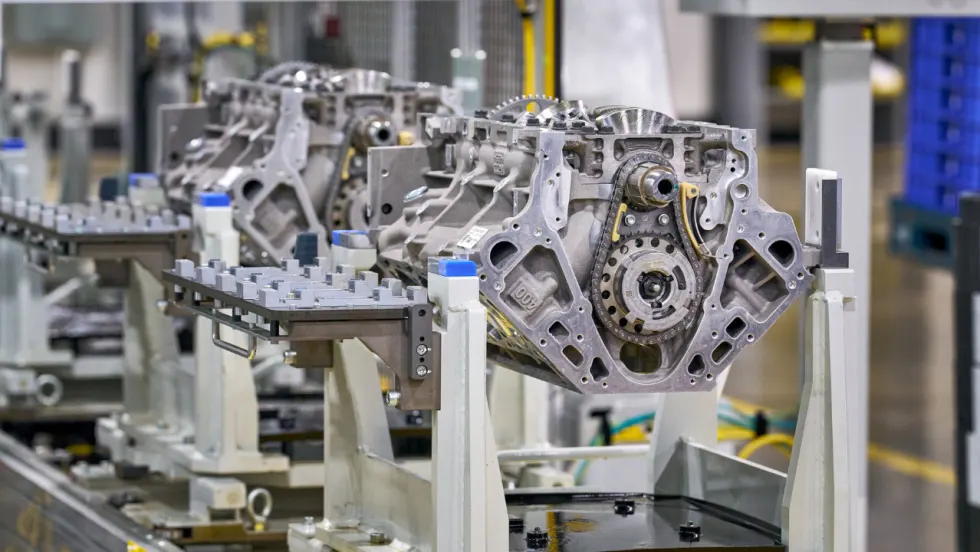
2027 Silverado and Sierra Give Small Fleets Four Ways to Spec a Work Truck
GM’s 2027 Silverado 1500 and Sierra 1500 will offer four powertrains with different strengths in payload, towing, power, and driving range.
Read More →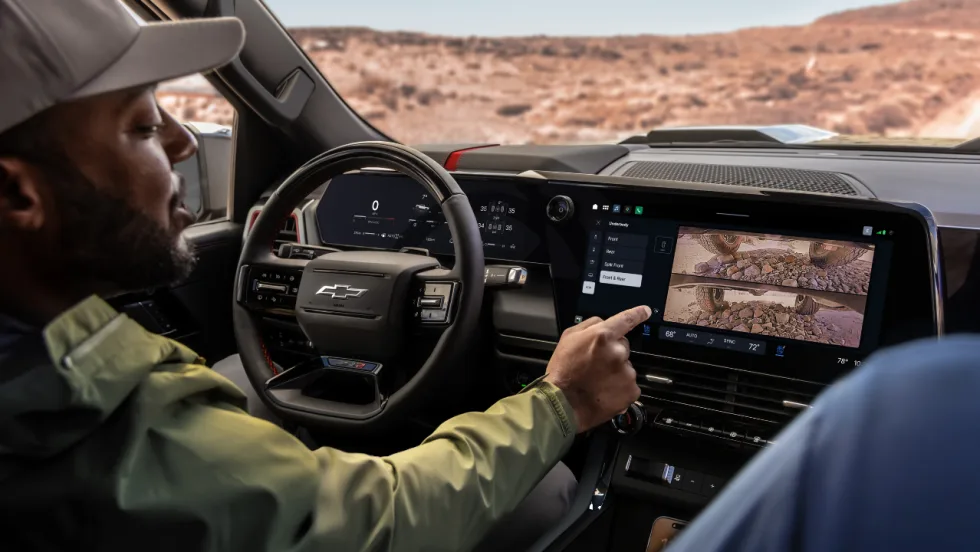
GM Brings New Truck Focused Interface to 2027 Silverado and Sierra
GM's new pickup interface puts trailering data, camera views, vehicle controls, and smartphone integration closer to the driver in the 2027 Silverado and Sierra.
Read More →
Volkswagen Expands Driver Assistance Features Across 2027 Lineup
Volkswagen is adding lane-change assistance, expanded emergency intervention, pedestrian detection, and updated predictive cruise control features to select 2027 models.
Read More →Subscribe to Our Newsletter