


Check the Tires
A survey found that nearly one in every 10 passenger vehicles has at least one bald tire. What's more, 27% -- more than one in four -- of vehicles are driven with one or more severely under-inflated tires.

It is vitally important that motorists monitor tread depth to guard against tire failure. Unsafe tires should be replaced immediately.
Photo: Work Truck
A survey found that nearly one in every 10 passenger vehicles has at least one bald tire. What's more, 27 percent—more than one in four—of vehicles are driven with one or more severely underinflated tires.
The study, conducted by the U.S. National Highway Traffic Safety Administration (NHTSA), serves to highlight the importance of maintaining good, properly inflated tires.
Critical for Safety
"It is extremely important to motorists' safety that they ensure their tires are properly inflated," said Transportation Secretary Norman Mineta. "Motorists who drive on tires that are bald or substantially under-inflated risk injuries or fatalities."
As the recent highly publicized failures of Firestone tires linked to fatal rollover accidents in Ford Explorers have shown, we can't afford for tires to be relegated to the status of an afterthought. But apparently, some motorists and companies still haven't gotten the message.
NHTSA is launching a tire safety campaign, "Tire Safety: Everything Rides On It," based on the results of its study.
Public service announcements will run on 2,000 radio stations across the country, according to NHTSA. The campaign will also include print ads in both newspapers and magazines, and more than half a million flyers will be given out at tire stores and other locations.
Monitor Tread Depth
According to Jeffrey Runge, NHTSA administrator, it is vitally important that motorists monitor tread depth to guard against tire failure. Unsafe tires should be replaced immediately.
"Checking tires is a crucial element in regular vehicle maintenance," Runge said.
According to NHTSA, a tire is considered "bald" if it has 1/16 of an inch or less in tread depth.
Modern tires have built-in tread wear indicators -- raised sections spaced intermittently in the bottom of the tread grooves -- to help motorists determine when they should be replaced.
Another easy method for checking tread depth involves using a penny. Just place the coin upside down within the tread; if you can see the top of old Abe Lincoln's head, you should replace the tire.
Under Pressure
The other critical component of tire safety is proper inflation.
NHTSA recommends that you keep tires inflated according to vehicle makers' recommendations, usually found in that seldom-used book -- the owner's manual -- or on a sign placed in the glove compartment or on the portion of the driver's door which becomes visible when the door is opened.
Three hundred gas stations around the U.S. were checked during NHTSA's study; only 139 had working air pumps. Fewer than half provided a tire pressure gauge, and of those that did, 20 percent of the gauges over-reported the pressure in a tire by at least four pounds per square inch (psi), according to the survey.
For Once, an Easy Solution
At the very least, you should encourage your drivers to visually monitor tread depth and tire pressure each time they drive the vehicle. I also recommend equipping each of your drivers with a tire pressure gauge, and training them in using the gauges properly (especially given the fact that many stations don't have properly working gauges anymore).
If you want to go further in the direction of safety, there are several tire pressure monitoring devices available on the market with varying degrees of cost and sophistication. These can range from a simple replacement cap (which indicates low pressure right on the valve stem) to electronic sensors that alert the driver through dash-mounted displays when pressure falls beneath a predetermined lower limit.
Regardless of the specific course of action you choose, here's the bottom line: Doing something to increase tire safety is a lot better than doing nothing!
Originally posted on Work Truck Online
More Safety
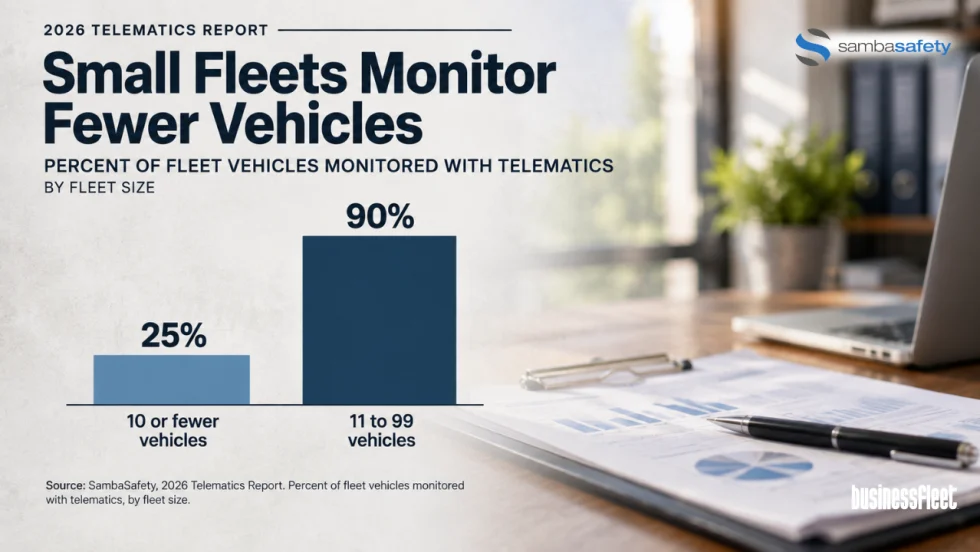
Small Fleets Lag in Telematics Coverage as Industry Moves Beyond Adoption
SambaSafety’s 2026 Telematics Report finds fleets with 10 or fewer vehicles monitor a much smaller share of their vehicles than larger operations, as the industry shifts its focus from collecting data to using it.
Read More →
Back-to-School Traffic Is Not the Risk Fleets Think It Is
Back-to-school traffic does not always mean more crashes. New Empiric Earth data shows why fleets should focus on when and where risk changes.
Read More →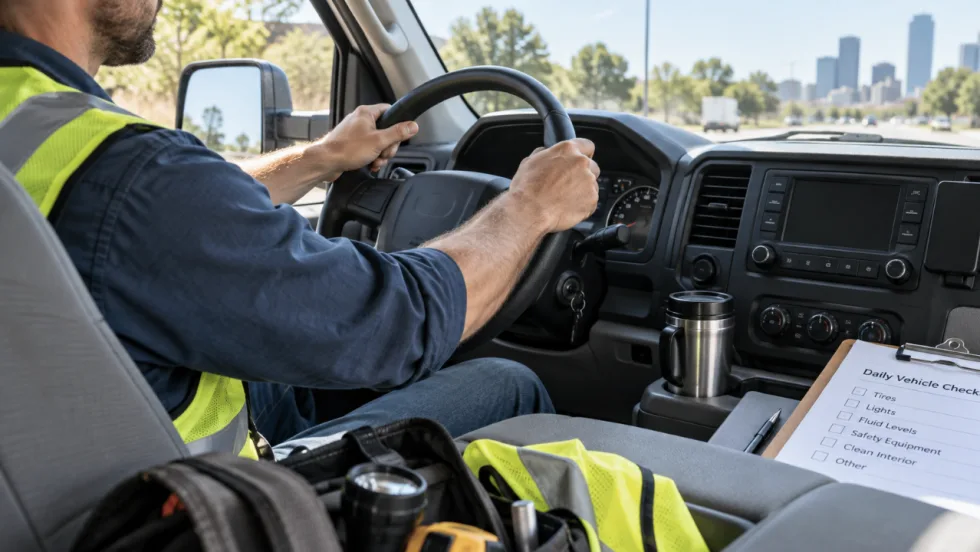
Small Fleet, Big Exposure: How to Reduce Workers’ Comp Risks
For small fleets, one crash can trigger far more than vehicle damage. Here’s how stronger driver safety policies, training, maintenance, and technology can help reduce workers’ comp exposure.
Read More →
Who Makes the Call When Winter Weather Gets Dangerous?
Winter weather can quickly change a small fleet’s plans. Knowing when to reroute, delay, or stop can matter just as much as preparing the vehicles themselves.
Read More →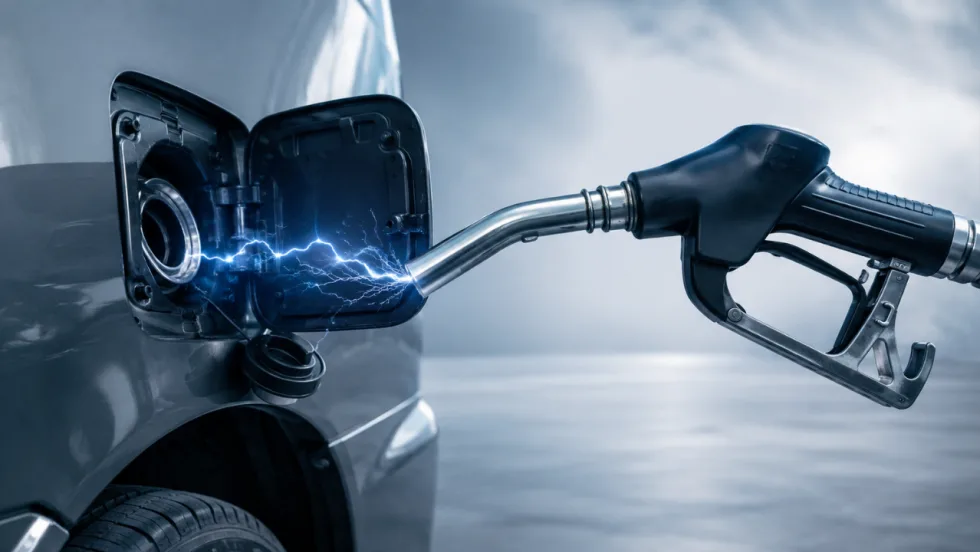
API Issues Refueling Safety Guidelines
The American Petroleum Institute offers a list of safe vehicle refueling guidelines, including ways to avoid potential problems with static electricity discharges in fall, winter, and early spring.
Read More →
Winter Fleet Prep: Expert Tips to Keep Vehicles Running Smoothly
Cold weather can expose weak batteries, tires, fuel systems, and maintenance gaps fast. Use this winter fleet checklist to prepare trucks and drivers before temperatures drop.
Read More →
8 ADAS Maintenance Tips for Small Business Fleets From Bendix
A dirty camera, bad alignment, or one loose connection could quietly knock your fleet’s ADAS offline. Here’s what Bendix says to check.
Read More →
Developing Budget-Friendly Driver Safety Programs
From driver training and safety meetings to one-on-one coaching and incentive programs, several small fleets share how they have developed a safety culture with their drivers using low- to no-cost resources.
Read More →
A 20-Minute Safety Check for Small Fleets Before Operation Safe Driver Week
No safety department? No problem. Here's a practical checklist small fleet managers can use before Operation Safe Driver Week begins.
Read More →
Why Small Fleets Keep Getting Tripped Up by ELD Compliance
Roadcheck revealed a hard truth: most ELD violations aren't intentional. They're caused by small mistakes that can cost fleets time, money, and trust.
Read More →