



Keep Learning: 15 Ways to Run a Smarter Small Fleet When You’re Short on Time
When One Vehicle Goes Down, a Small Business Feels It
One disabled vehicle can derail an entire workday. Learn how small fleets can reduce downtime, protect employees, and avoid costly roadside chaos.
August 10, 2026

For a small business, a flat tire can delay customer appointments, pull employees away from other work, and turn a routine roadside event into hours of lost productivity.
Credit:
Envato by tonodiaz
9 min to read
- A single disabled vehicle can significantly disrupt a small business’s operations, impacting productivity.
- Implementing strategies to minimize vehicle downtime is crucial for operational efficiency and employee safety in small fleets.
- Preventative maintenance and effective contingency planning help small businesses avoid costly roadside issues and maintain workflow.
*Summarized by AI
For a small business, a disabled vehicle is rarely just a vehicle problem. It may mean a technician who cannot reach the next customer, a delivery that does not arrive, a crew waiting for tools, or an owner stepping away from the business to search for a towing company.
Larger fleets may have replacement vehicles, dispatch support, dedicated fleet employees, or established service networks ready to absorb the disruption. Smaller operations often do not have the same cushion. When one truck or van goes down, a meaningful share of the company’s daily productivity can go down with it.
“The impact is more significant for a small fleet, as it impacts a larger percent of the productivity and without the ability to reassign another vehicle quickly to continue with the task at hand,” said Darren White, senior sales executive for Nation Safe Drivers.
That makes roadside assistance more than a towing benefit. For small and mid-sized fleets, it can be part of how the company protects employees, serves customers, and prevents a mechanical issue from consuming the rest of the workday.
A Breakdown Creates More Work Than Most Businesses Expect
Roadside assistance can look simple from the outside. A vehicle will not start, a tire goes flat, or a driver needs a tow. Someone finds a provider, makes a call, and waits for help.
The actual process can be far more complicated, especially when the vehicle is outside the company’s normal service area.
“Most people think that roadside assistance is ‘cookie cutter,’ a commodity that is standard, normal, and easy,” White said. “They don’t necessarily think about the difficulties you’ll encounter, factors like time of day, day of the week, specific location, rural or metro, type of vehicle, specialty equipment needed, training, and capability to quickly resolve whatever is needed to get you back on your way.”
A towing company the business has used for years may be a reliable resource near home. That relationship may offer little help when an employee is stranded in another city or state. The owner or manager then has to determine who can service the vehicle, whether the provider has the right equipment, what a fair rate should be, and where the vehicle should go.
Without a plan, the incident can quickly become an all-hands exercise. The driver starts searching online. A supervisor gets involved. The owner receives a call. Someone has to approve the expense, identify a repair facility, and determine what happens to the employee, customer appointment, delivery, or unfinished job.
None of that work appears on the towing invoice, but the business still pays for it.
The Hidden Cost Is Often Employee Time
The direct cost of a roadside event is easy to see. There may be a service charge, towing bill, repair expense, or replacement rental. The indirect costs are harder to measure because they are spread across the company.
White pointed to “significant delays in securing the correct service, paying retail rates for services found on the internet, and having to wake up someone in the middle of the night to help locate the right provider throughout North America.”
The person taking that call may be the owner, an operations manager, a dispatcher, or an employee whose actual job has little to do with fleet. While that person contacts providers and coordinates the response, other work is not getting done.
Smaller businesses also have less flexibility after a vehicle goes down. There may not be a spare unit available. Another employee may have to leave a job to pick up the stranded driver. Customer appointments may need to be moved, and a productive employee may spend several hours waiting instead of completing scheduled work.
The total cost is therefore larger than the final service bill. It includes the time spent finding help, the employee’s lost productivity, a potential replacement vehicle, retail service rates, and any revenue or customer goodwill put at risk by the delay.
“When you consider the hard costs of roadside assistance and towing, along with the hidden costs of self-managing, reduction in employee productivity, increased costs of services at retail rates versus negotiated rates, and the associated delays of self-managing throughout North America, having a roadside assistance solution in place is actually a cost saver,” White said.
That does not mean every breakdown can be resolved immediately. It means the business has a defined process in place before the problem occurs rather than building one while an employee is already stranded.
Roadside Support Can Fill a Management Gap
Many small businesses do not have a dedicated fleet manager. Vehicle responsibilities may be split between ownership, operations, finance, human resources, and the employees who drive the vehicles. That model can work during a normal day. The gaps become more visible when a vehicle breaks down at night, on a weekend, or far from the company’s usual operating area.
White said a roadside provider can take over much of that coordination and act as an extension of the company’s fleet management function.
“One call to a dedicated phone number, unique to their company, sets the process in motion immediately, 24/7/365, ensuring the safety, quality, and quick resolution of whatever is needed,” White said.
The value is not simply that someone answers the phone. The provider should understand the company’s vehicles, operating area, service expectations, and preferred repair destinations. It should be able to identify the appropriate service provider, communicate with the employee, and keep the business informed without requiring the owner or manager to coordinate every step personally.
“By turning that process over to us, we become an extension of your company and fleet management team,” White said.
For a small business, that extension can be especially valuable because roadside expertise may only be needed occasionally. It may not make sense to employ someone solely to manage breakdowns, but the company still needs access to that knowledge when an incident occurs.
A driver should not have to decide whether a tow truck has the right equipment or whether the quoted rate is fair. An office manager should not have to build a service network in an unfamiliar market at 11 p.m. Those decisions are easier to manage when the process and partner are already in place.

When a work vehicle goes down, the driver, tools, and next job may all be left waiting. A roadside plan helps keep one breakdown from disrupting the entire workday.
Credit:
Envato by duallogic
Finding Someone Nearby Is Not Enough
The first provider found through an online search may not be the best provider for the job. A company may arrive quickly but lack the equipment, training, insurance, or experience needed to complete the service.
“Who do you call for a particular service on the various vehicle types? What is a fair rate for a particular service? Does the service provider have the right tools, equipment, training, and experience for what is needed?” White said.
The business should also understand the service provider’s insurance coverage. White recommended confirming whether the provider carries $2 million in liability insurance for each event to help ensure the company is protected. Those details may not feel urgent until a provider is already handling the company’s vehicle. At that point, it may be too late to discover the truck sent to the scene cannot perform the recovery or that the provider does not meet the company’s standards.
The roadside partner’s relationship with its service network matters as well. The company selling the program is not usually the company that arrives at the vehicle. Independent providers perform the service, and the way those relationships are managed can influence how quickly calls are accepted and resolved.
“At the end of the day, all motor clubs use independent providers,” White said. “If the motor club treats them well and pays them fairly, the providers will prioritize those calls over others, meaning quicker response, faster resolution, improved uptime, and getting back to the task at hand sooner.”
Small businesses should ask more than how many providers are listed in the network. They should ask how providers are selected, whether they carry the right equipment, how coverage is maintained across the company’s operating area, and what happens when the first available provider cannot complete the service.
A roadside solution should increase the likelihood that the right provider is sent the first time. For a small business, avoiding a second dispatch can protect several hours of the day and could be the difference between completing the next customer appointment and losing it entirely.
“Regardless of fleet type, vehicle uptime equals productivity,” White said. “First-call success ensures your driver’s safety and gets them going again as quickly as possible.”
The goal is not simply a faster dispatch. It is a faster resolution.
Protect the Employee, Not Just the Vehicle
The employee’s safety should remain the priority throughout a roadside event.
“People first,” White said. “We rescue people, ensuring their safety first, and once that is ensured, we rescue the vehicle, getting you going again or towing you to the right repair facility. Safety is our number one priority throughout the process.”
For a small business, that responsibility can quickly fall on the owner or manager. Someone needs to know where the employee is, whether the location is safe, how long assistance is expected to take, and what will happen if the vehicle cannot be repaired or recovered immediately.
The roadside plan should cover how the employee receives updates, who is notified within the business, and how transportation or other support will be coordinated if the driver cannot continue the trip. A business owner should not have to invent those steps during an active incident. Getting the vehicle to a repair facility matters, but so does making sure the person driving it is safe, informed, and not left to manage the situation alone.
Prepare for the Breakdown Before It Happens
Small businesses often scrutinize every recurring expense, particularly a service they hope employees rarely need. Roadside assistance can therefore be viewed as another cost added to each vehicle. The better comparison is not the price of the program against the price of one tow. It is the cost of having a solution against the full cost of managing an event without one.
That calculation includes towing and service expenses, but it also includes lost labor, retail pricing, management time, delayed customer work, replacement transportation, and the possibility that the first provider cannot complete the service.
Roadside assistance is a form of operational preparation. The business is deciding in advance who will answer the call, how providers will be selected, how the employee will be supported, and how the incident will be communicated.
For a small fleet, that structure can keep the owner focused on the business, reduce the burden placed on employees, and limit how far one breakdown spreads across the day.
The vehicle may be the first thing that stops, but without a plan, it is rarely the last.
Looking for a different fleet perspective? Explore how vocational truck fleets can prepare for specialized roadside recoveries or see how larger commercial fleets are connecting roadside assistance with risk management, duty of care, and fleet data.
Quick Answers
A disabled vehicle can disrupt a small business's entire workday by causing delays in service, impacting employee productivity, and potentially leading to lost revenue.
*Summarized by AI
More Maintenance

New Kooner and Global Partners Agreement Targets the Hassle of Fleet Fueling and Repairs
A new referral partnership gives businesses access to mobile fueling and maintenance services, potentially reducing the time employees spend getting vehicles serviced.
Read More →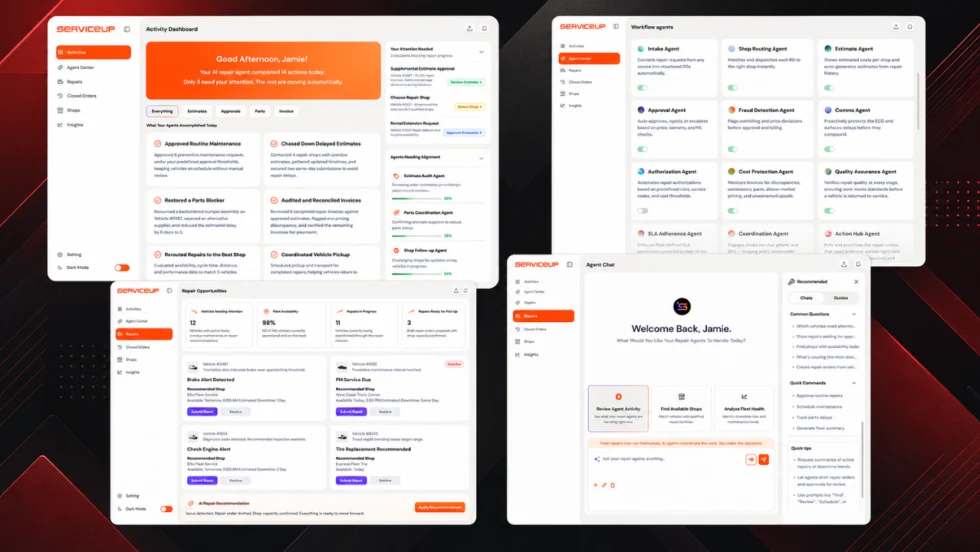
ServiceUp Brings Automated Repair Coordination to Small Fleet Operators
New AI repair agents handle shop calls, estimate reviews, status checks, and invoice validation so business owners can spend less time coordinating vehicle repairs.
Read More →
The Two Biggest Summer Downtime Threats for Fleets
A conversation with a maintenance expert reveals the two most common summer maintenance pains and how to prevent them.
Read More →
ASE to Move Automotive Service Professionals Month to Align With Car Care Campaigns
ASE will shift Automotive Service Professionals Month to April and October beginning in 2026-2027 to align with national Car Care Month efforts.
Read More →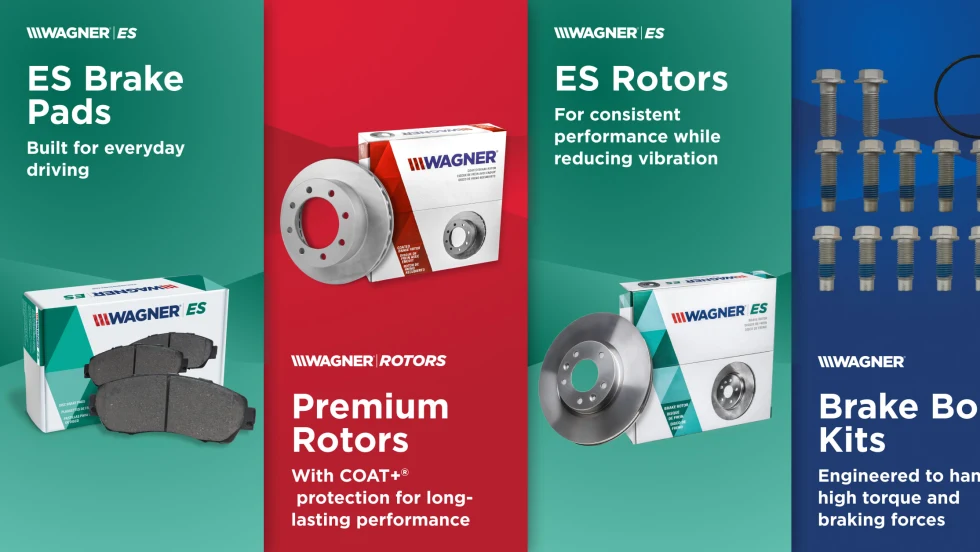
DRiV Adds New Wagner Brake Products Supporting Small Fleet Vehicle Maintenance
DRiV adds new Wagner brake pads, rotors, and hardware to support small fleet maintenance for pickups, vans, and everyday work vehicles.
Read More →
Fleet Managers Share Winter Prep Tips: It's Never Too Early!
Three fleets share best practices to prep vehicles for winter and prevent downtime when the cold sets in.
Read More →
Spring Cleaning: 5 Tips to Prep Your Fleet for Warmer Weather
Basic maintenance shouldn’t fall by the wayside as temps slowly rise again. Don’t miss performing these five measures to keep your fleet in top shape this spring.
Read More →
Prepping Your Fleet Vehicles for Resale
When it's time to dispose of retired units, which vehicle prep strategies can improve resale value? Following industry basics can have a significant impact on resale prices.
Read More →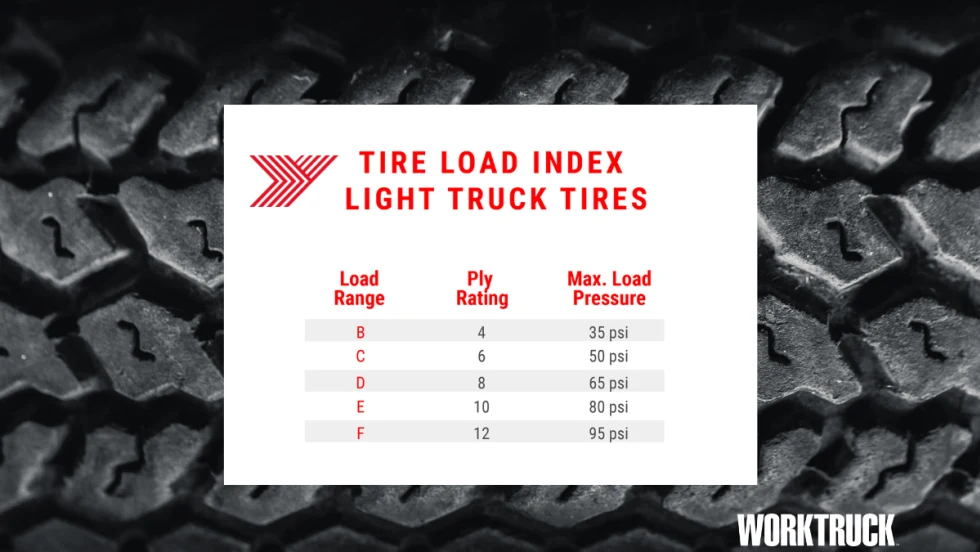
All About Truck Tires: Load Ratings, Sizes & More
Truck tires are more than “where the rubber meets the road.” Understanding truck tire sizes, tire load ratings, why ply no longer matters, and more is important for today’s fleet managers.
Read More →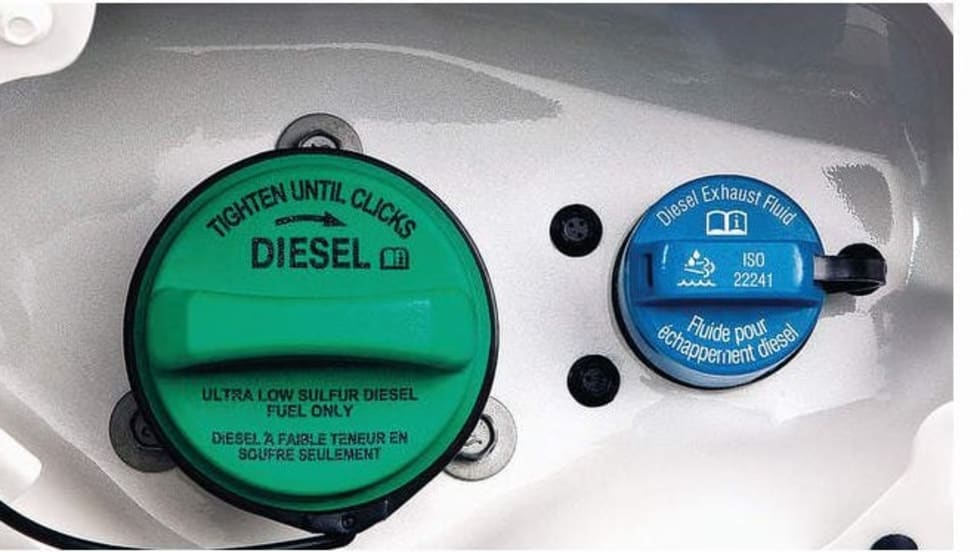
How to Purchase, Store & Handle Diesel Exhaust Fluid
Diesel engine vehicles can be damaged by using low quality diesel exhaust fluid (DEF). Repairs can be very expensive with long downtime possible, and damage could void the manufacturer’s warranty.
Read More →Subscribe to Our Newsletter