


How to Choose a GPS Tracking System
It can be a cumbersome task choosing the right GPS tracking system. Read this comprehensive guide so that you can find the right fit for you.


Photo: Getty/LeoWolfert
Today, it's not a matter of if you need a GPS tracking system. The question is how to choose a GPS tracking system.
GPS tracking systems are the future of the mobile workforce industry. From construction to landscaping to government agencies, if you have vehicles and assets a part of your business, you need a fleet tracking or telematics system to be successful. The worldwide management consulting firm McKinsey & Company predicts fleet tracking will grow 23% each year over the next six years. It will emerge as a $75-billion industry by 2025.
Early adopters of GPS tracking systems already realize the benefits. A survey conducted by Bobit Business Media and Verizon Connect found 74% of respondents who use a vehicle tracking system say they considered it “extremely or very beneficial." 30% realized a positive return on investment (ROI) in six months or less.
Vehicle tracking systems can transform the way you conduct business. It seamlessly integrates into the day-to-day workflow and enables companies to analyze data about their operations. Increased visibility results in improved safety measures, decreased vehicle downtime, and overall cost savings that make the initial investment worthwhile.
Identify What a GPS Tracking System Can do for You
Choosing a real-time GPS tracking system can quickly become a daunting task when facing a myriad of available providers, features, and options.
One of the first steps in the process is to identify the top challenges you need to solve. Every business faces unique challenges, from driver accountability to safety to efficiency. Recognizing the challenges you face will help paint a picture of your list of requirements from a GPS tracking system.
Which leads to the next phase - familiarize yourself with how GPS tracking can address those problems. The following are areas where businesses are seeing vehicle tracking solutions make a difference and how they overcome that challenge:
Improving Safety
Real-time alerts enable you to identify and address poor driving behavior, including harsh braking and speeding. Most companies like to run a so-called "ghost pilot." This is a period where you install a GPS tracking device into a select few vehicles to get a baseline of data. You need to know how your drivers behave when they don't believe they are held accountable with a GPS tracking system.
You can use what you learn in the pilot phase to establish key performance indicators (KPIs). These KPIs will be how you judge the success of a GPS tracking system. The real-time alerts mentioned above, as well as driver scorecards, enable you to address and curb poor driving behavior proactively. Vehicle tracking can reduce preventable accidents by 20 to 30% through driver coaching, according to McKinsey & Company.
Streamlining Vehicle Maintenance
A lack of a regimented vehicle maintenance schedule can severely impact your business. Before implementing a GPS tracking system, some companies kept track of vehicle maintenance through a whiteboard in the office or with paper records. In most instances, someone would go to each vehicle at the end of every day to pull odometer readings. This workflow leaves room for human error and small issues becoming larger ones if not addressed on time.
Real-time diagnostic alerts provided by fleet tracking software can help you stay on top of maintenance issues before they lead to catastrophic ones. By extension, this will also reduce vehicle downtime. Preventive techniques can cut maintenance costs by 5 to 10%, according to McKinsey & Company. The less your vehicles are off the road, the more productive they will be.
These real-time alerts can notify you well in advance of specific maintenance, such as oil changes, are coming due. This system gives you plenty of time to plan for vehicles to be off and back on the road as quickly as possible to ensure they are running at max productivity. Vehicle Right-SizingIt's crucial to know how often your employees use every vehicle. This visibility enables you to match your vehicle assets to actual demand. Optimized utilization and reduced fleet size can lead to significant cost savings. You will also have the ability to anticipate seasonal variations and other changes in demand. Better control of staffing levels means companies cut their overtime costs and can improve field-force productivity by 10% or more, according to McKinsey & Company.
Improving Customer Service
Fleet tracking helps improve or maintain a company’s reputation with customers and the public. Route optimization ensures that drivers arrive at their destinations on time. Visibility into vehicle locations in real-time provides the necessary information to proactively update customers with an accurate estimated time of arrival (ETA).
With improved routing and visibility into vehicle operations, you will also be able to provide customers with shorter time windows.
Make an Informed Decision on GPS Tracking
It is crucial to partner with a fleet management provider who will be with you every step of the way during the implementation phase and beyond. Use your new checklist of requirements to find out if a potential provider can solve your business challenges.
Ask them about their customer service. Do they offer a dedicated account manager or a team that will help onboard you and your staff? What does their customer support look like after you become a customer? Find out if the fleet management provider has technical support based in the United States or abroad.
Researching GPS tracking solution reviews and ask to talk to potential providers customers about their experience will help narrow your list.
Finally, ask for a live demo or a pilot period so you can determine if the solution is the right fit for your business. Some things to look for during a fleet management pilot include:
Scalability: It's okay if you don't require or have the budget for a full GPS fleet tracking package at the beginning. As your business grows, your company’s objectives change. It's at that point you will need a solution and a GPS tracking partner that can grow and change with you.
Integration: It’s becoming crucial that a GPS tracking solution be able to integrate with other fleet management and back-office software. The days of technology silos are at an end. Find out how possible it is for a potential provider to share their data with other systems.
Training and Account Management: The GPS fleet tracking provider should include training both during implementation and beyond as part of its services. Nothing is worse than investing money into a new piece of technology only not to utilize it to its full potential.
Technical Support: As with any new technology, it is inevitable for a few hiccups to occur during the implementation process. A reputable provider will make live assistance accessible to customers 24/7, preferably by phone and possibly by email or chat. A solution without support is likely one that will cause more headaches than they solve.
Innovation: An excellent GPS tracking system provider is one that looks to the future and continuously improves its products and offerings. Fleet technology continues to evolve, and you want to know your provider has the resources to stay current with innovations and keep your business relevant. A key indicator of this is whether or not they have an in-house development team.
Cost-effective: It may seem odd to have this at the bottom of a list, but remember the "you get what you pay for" adage. While you should find a real-time tracking solution at a price that works for you, the cost isn't everything compared to the benefits you'll receive.
Make Your GPS Tracking Choice Today
Choosing the right GPS tracking system now will give your business a foundation on which to build a strong digital future.
Take the first steps towards making this critical business decision today.
Originally posted on Automotive Fleet
More Telematics & Tech

Samsara Driver Perks Gives Small Fleets a Ready Made Driver Benefit
Small fleets can offer drivers discounts from more than 50 brands without building or managing their own employee rewards program.
Read More →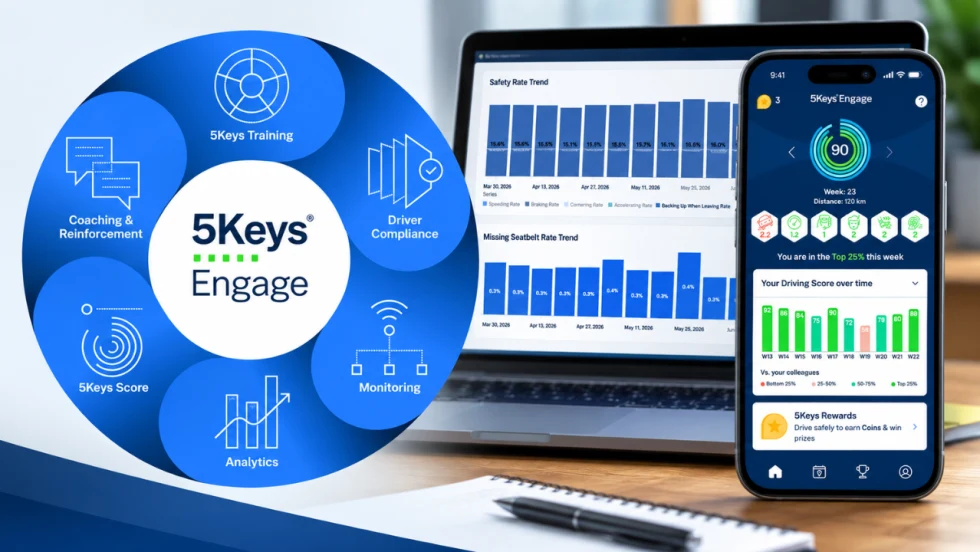
Smith System Says Small Fleets Need a Safety Cadence Not More Data
Smith System’s new Driver Risk Management program aims to help smaller fleets turn telematics and camera data into a repeatable coaching process without building a dedicated safety department.
Read More →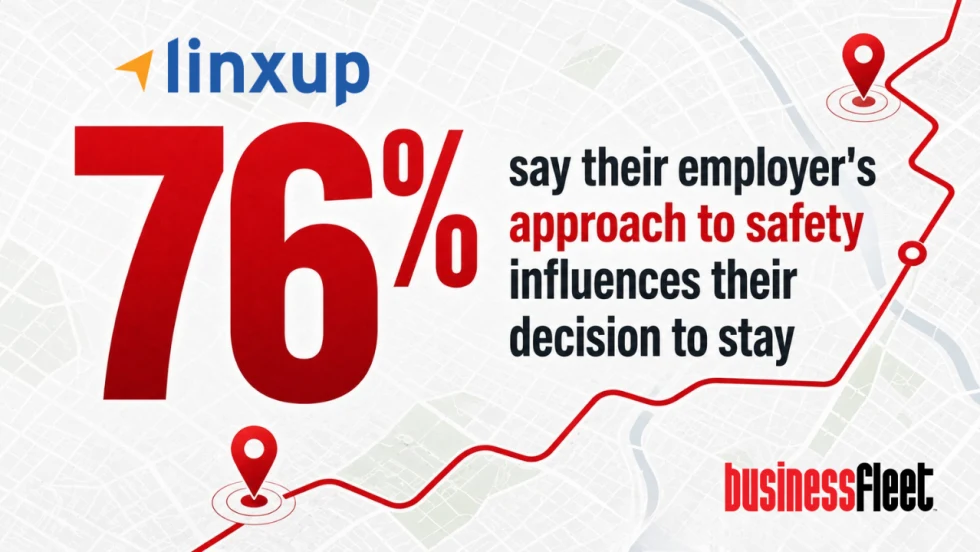
Dash Cams May Be Doing More Than Protecting Your Fleet Vehicles
Dash cams and GPS tracking may do more than improve safety. New survey findings link fleet technology to driver protection, employee retention, and customer confidence.
Read More →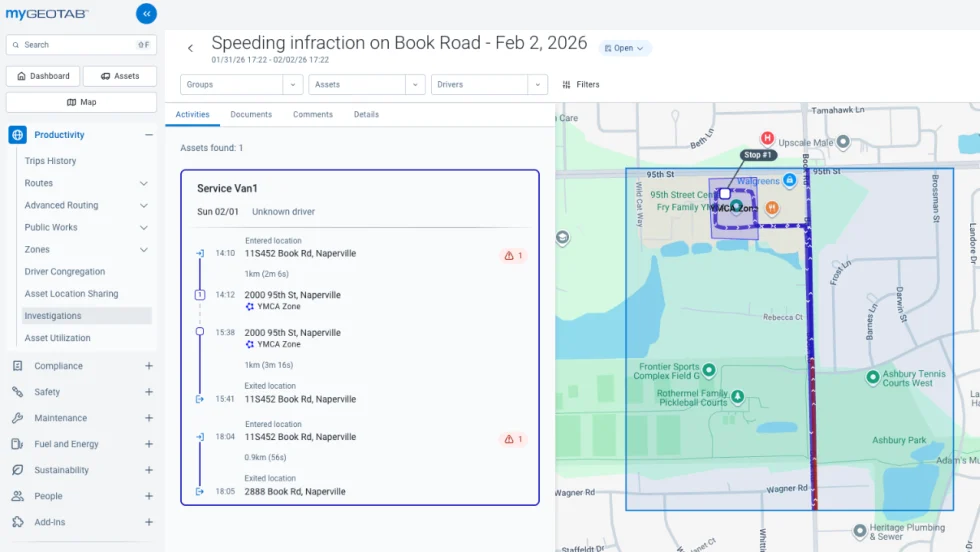
Geotab Adds Investigation Tools to Cut the Post-Incident Paper Chase
When a company vehicle is involved in a crash or complaint, Geotab Investigations brings telematics data, photos, reports, and other records into one case workflow.
Read More →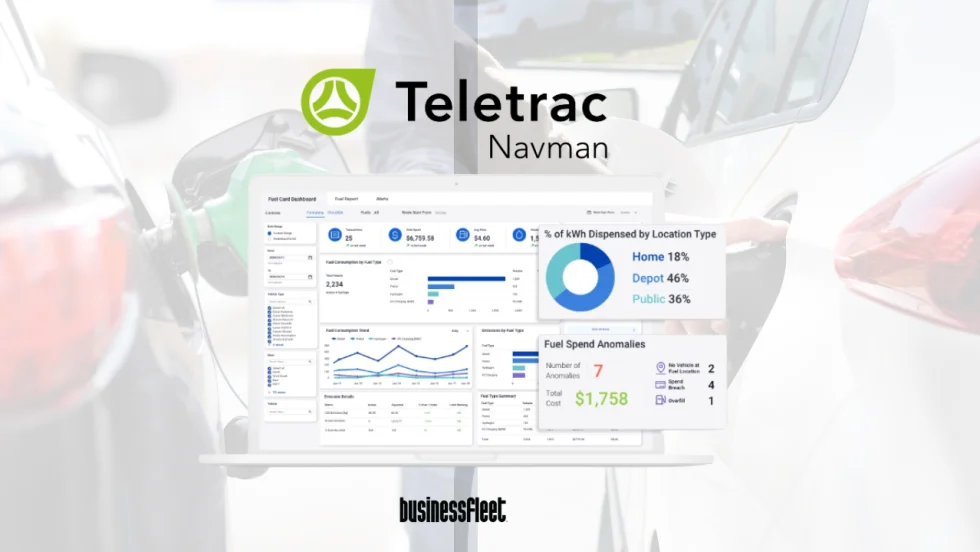
Teletrac Navman Adds Mixed-Energy Tracking to TN360
Energy Hub combines fuel card data, EV charging activity, reimbursements, and vehicle energy use in one dashboard for fleets operating gasoline, hybrid, and electric vehicles.
Read More →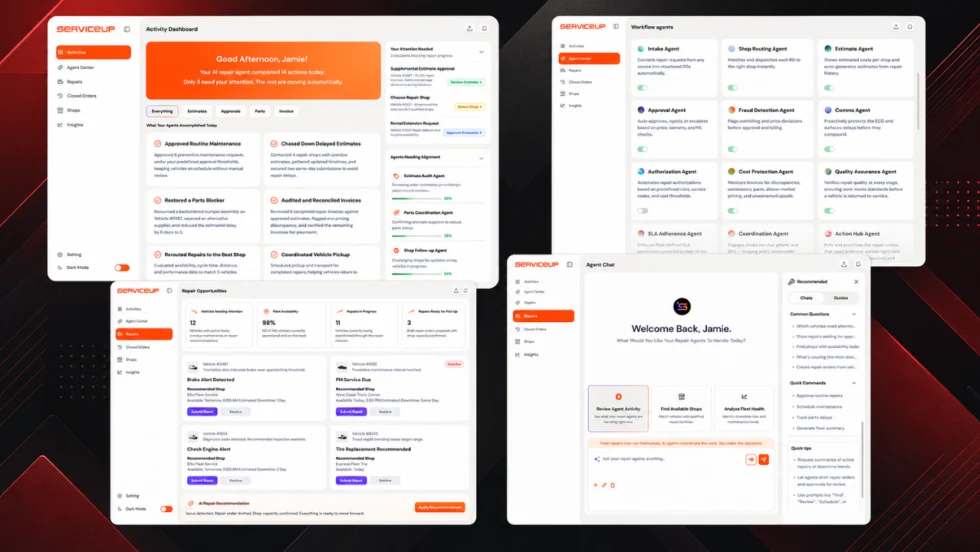
ServiceUp Brings Automated Repair Coordination to Small Fleet Operators
New AI repair agents handle shop calls, estimate reviews, status checks, and invoice validation so business owners can spend less time coordinating vehicle repairs.
Read More →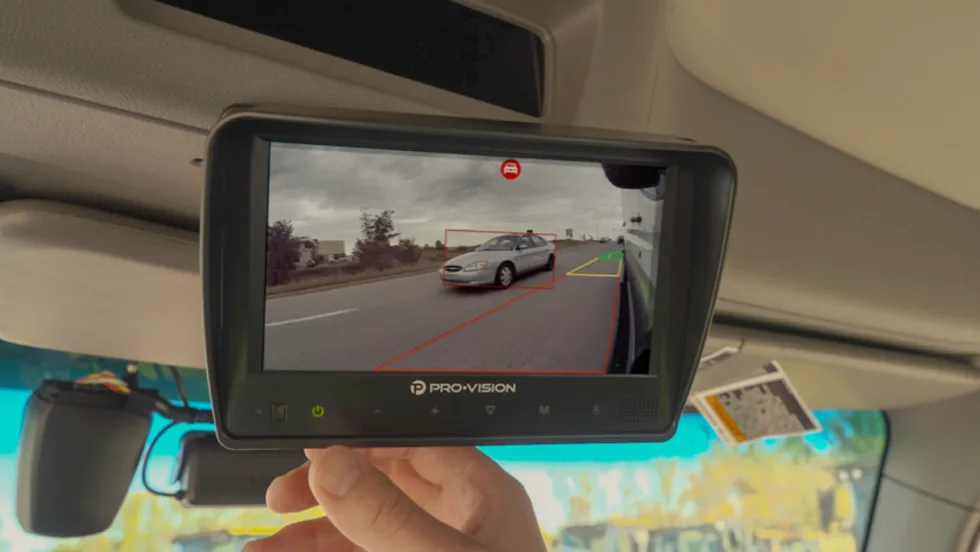
Pro-Vision Expands AI Fleet Safety Beyond the Cab
Pro-Vision's new AI camera and processing module extend real-time exterior hazard detection while integrating with leading fleet telematics platforms.
Read More →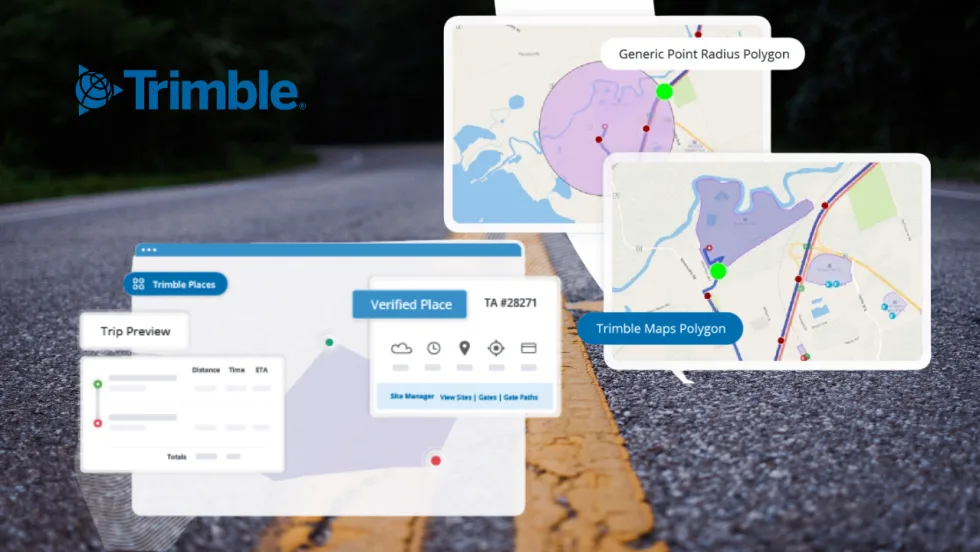
Trimble to Add Hotel Booking Capabilities to Fleet Products Through Engine Partnership
Trimble is adding hotel-booking capabilities to its fleet tools, helping drivers and small fleets find lodging faster during trips and breakdowns.
Read More →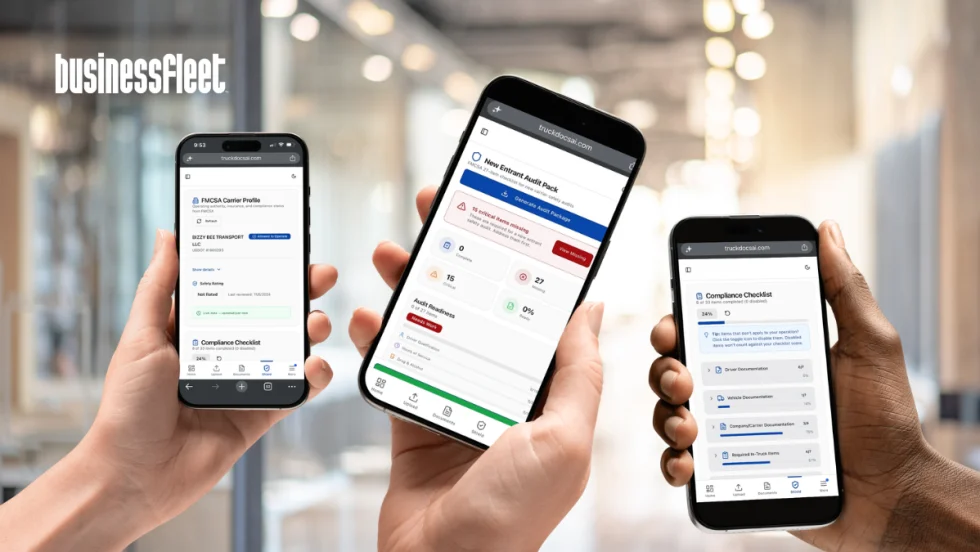
TruckDocsAI Launches AI-Powered Compliance Platform for Owner-Operators and Small Fleets
Can AI simplify DOT compliance? TruckDocsAI launches a new platform for owner-operators and small fleets facing audit pressures.
Read More →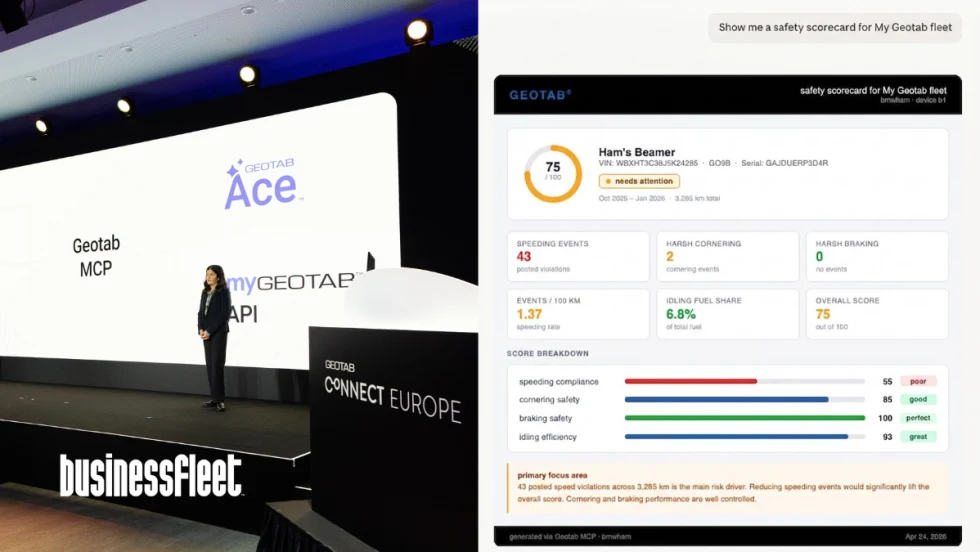
Geotab Says Fleet AI Success Depends More on Data Than the AI Model Itself
Geotab's new AI connector links fleet data with ChatGPT and other platforms, helping organizations turn AI investments into business results.
Read More →