


Transmissions Drive Medium-Duty Truck Fuel Efficiency
A decade ago, a manual transmission always beat out an automatic, primarily because it was more efficient — but, times are changing.


The latest technology offered in automatic transmissions gives a fuel-efficiency edge over manual transmissions.
Photo: Allison
In the wake of the first-ever fuel economy and greenhouse gas (GHG) emissions standards applied to medium- and heavy-duty trucks, which go into effect in 2014, engine and truck manufacturers are evaluating several options to comply with those regulations.
One strategy manufacturers are pursuing — in addition to using lighter weight materials, improving aerodynamics, and enhancing engine performance — is designing more “intelligent” and efficient transmissions.
Craig Renneker, Ford Motor Company’s chief engineer for new transmissions, and Steve Spurlin, executive director of global application engineering and vehicle integration for Allison Transmission, shared their insights on the latest trends in transmission technologies being developed to equip medium-duty trucks with greater fuel-efficient technology — and comply with the upcoming regulations.
More Efficient Power
The primary purpose of a transmission is to allow an engine to operate at its optimum speed, while “transmitting” the engine’s horsepower and torque, at appropriate levels, to the truck’s drive axle and then the wheels to propel the vehicle at the desired acceleration and top-end speed. At any point in that process, wasted energy results in diminished fuel economy.
According to Renneker, the industry is focusing on the following three aspects of transmissions to minimize energy loss and ensure optimal operation:
1. Adding gears. “The objective is to do everything we can to keep an engine running in its ‘sweet spot.’ To that end, more gears typically help,” Renneker said. “That’s why you’re seeing the migration from 4-speeds to 5-speeds, and, now, 6-speeds. The more gears we have, the better chance we have to put an engine in its sweet spot. It’s through engine optimization that we can achieve fuel economy gains.”
2. Increasing the ratio span. “This is the comparison between the lowest ratio of the transmission to the highest ratio of the transmission,” Renneker said. “We want to make that span as big as we can because the deeper the low gear can be, the better we can accelerate a given vehicle with a smaller engine, which helps fuel economy. And, at the high-end, the higher we can make the top-gear ratio the lower we can get an engine’s speed to get a vehicle cruising on the highway, which also improves fuel economy.”
3. Reducing drag. “The automatic [transmission] uses an oil pump, which can create some drag, so we’re always looking at every opportunity to reduce the rotating drag of the transmission because every meter or foot-pound of drag takes away from the fuel economy,” Renneker said.
Automatics vs. Manuals
This “drag,” traditionally associated with automatic transmissions, has led to the perception that manual and automated manual transmissions (AMT) offer better fuel economy because there are fewer components involved in the gear-shifting process, minimizing the potential for energy loss.
However, Spurlin of Allison Transmission, which supplies transmissions to most medium-duty truck OEMs, said the latest technology offered in automatic transmissions actually gives the fuel-efficiency edge to automatics over manuals.
“Since the fully automatic transmission never disconnects power to the wheels, unlike a manual or AMT transmission, the fully automatic transmission wastes the least amount of energy, making it the best transmission type for realizing the best fuel economy at an equivalent speed profile,” Spurlin said. “The automatic transmission can also support, in some cases, the use of a smaller power and/or displacement engine, which also can be better for fuel economy.”
Renneker of Ford agreed. “Ten years ago, manual transmissions always beat automatics, primarily because they were more efficient. There was less drag loss inside a manual transmission than an automatic. What’s happened over the years is that, as we add more speeds to both the manual and automatic, we’re now to a point where usually the automatic gets better fuel economy.”
But how? Renneker explained that, in addition to new technologies that have reduced drag in automatic transmissions, narrowing the efficiency gap with manuals, the increased number of speeds in the manual transmission have made the manual more complicated for a driver to operate a vehicle in the optimal gear. If the driver is highly skilled and knows how to pick the right gear with every shift, the manual is fuel efficient; however, as Renneker stated, “We have a broad customer base, and a lot of times the operator won’t pick the right gear. The automatic is driven by a computer designed to always pick the most optimal gear at whatever point in the vehicle’s duty cycle.”
What about automated manual transmissions?
“With the automated manual, you can have a computer-controlled ratio (like fully automatic transmissions), and that’s a good thing,” Renneker said. “The downside is that you still need some sort of mechanical device to shift gears. If it’s a hydraulic device, I have to add a pump to the device, which can cause a little energy loss. If it requires an electrical device, you’ll need a bigger alternator, adding a little bit of loss. So, you’re gaining in the area of driver control over gear selection, but you’re losing a little bit in efficiency. You would have to carefully compare to know whether you’re better off with the traditional torque converter type automatic or a manual or automated manual.”
Trends in Truck Transmissions
What does the future of medium-duty truck transmissions look like?
“While all transmission types continue to look for ways to mechanically reduce internal losses, the two biggest improvement areas will be in electronic controls and hybrid applications,” Spurlin of Allison Transmission said. “Automatic transmission electronic controls will continue to enhance transmission-shifting optimization with the engine and its brake-specific fuel consumption (BSFC) curves. Shifting early when load requirements are less, shifting later when load requirements are higher, automatically shifting to neutral at stops, and powertrain integration that has the engine/transmission shutdown and restart during stopping — all of these developments save fuel. A motor/generator sandwiched between the engine and the automatic transmission will use battery power to help propel the vehicle, support stationary work requirements with no engine running, and facilitate the usage of smaller engines.”
According to Renneker of Ford, “We’re looking at every area where we can make a difference to work on parasitic loss in reduction inside the automatic transmission — to make the oil pump more efficient, planetary gears more efficient, and the torque converter more efficient.”
Renneker said Ford is exploring whether adding speeds, beyond six, will contribute to fuel-efficiency gains. “But, that usually requires a trade-off,” he cautioned. “As we add more speed, we’re able to get more ratio span and better engine optimization, but we also add more parts to the transmission and increase the potential for drag. So, it’s a very delicate balance. We think we’re at a very good balance with the 6-speeds we have, but there is a lot of ongoing development in the higher speeds — 8- and 10-speed — that we’re active in. And, if we decide that is something that will enhance fuel economy and add value to our customer, we’ll move in that area as well.”
The Bottom Line
“Intelligent” load-specific shifting, expanding the number of speeds, and automatic shutdown capabilities, are developments certain to improve vehicle performance and overall fuel efficiency. That is if the transmission fits the vehicle’s application. The key to achieving optimal fuel savings is to select a transmission (whether it’s fully automatic, manual, or automated manual) that’s geared to work properly for the truck’s job description and the operator’s skill set.
Interested in learning more about the future of medium-duty truck engines? We have the content you need!
Originally posted on Work Truck Online
More Vehicle Insights
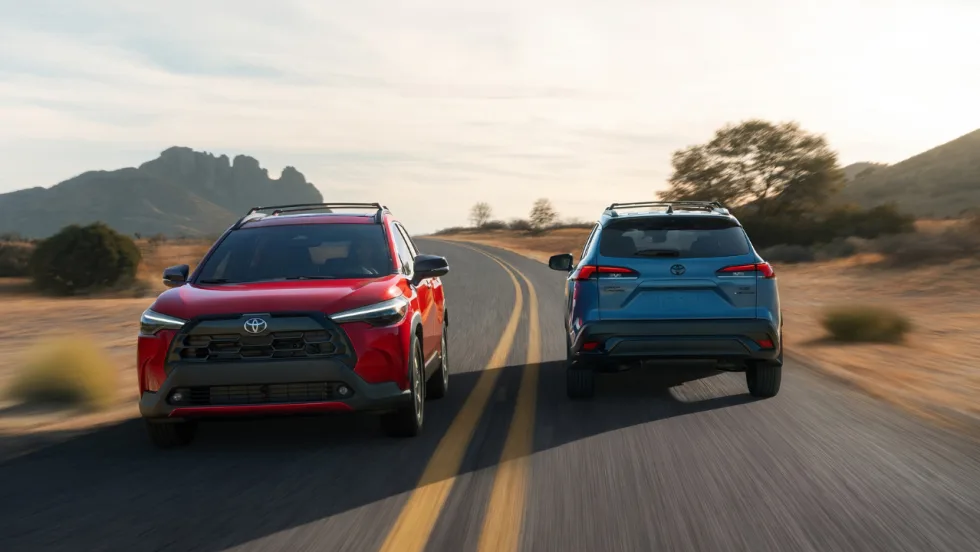
2027 Toyota Corolla Cross Hybrid Returns with 42 MPG
The 2027 Toyota Corolla Cross gives small business fleets gas and hybrid options, available AWD, flexible cargo space, and up to an estimated 42 mpg combined.
Read More →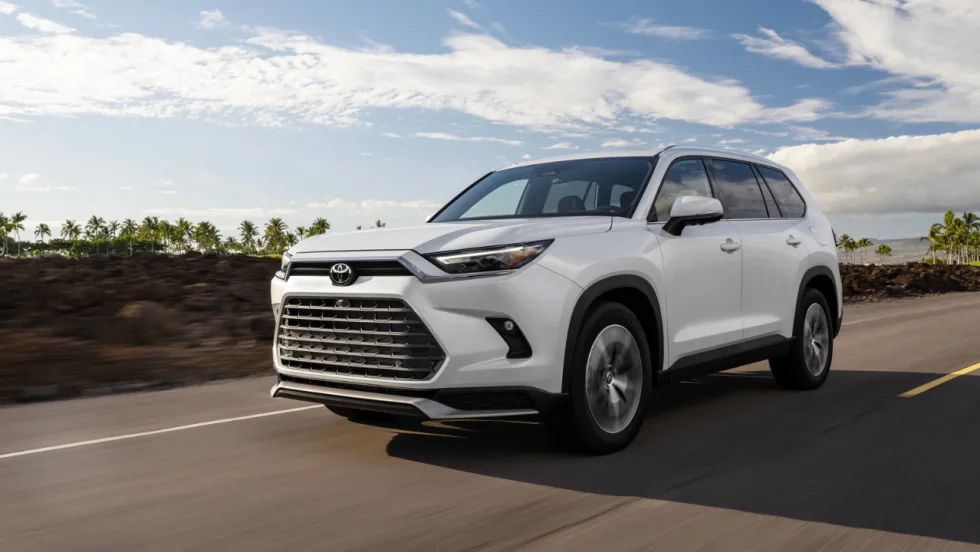
2027 Toyota Grand Highlander Expands Hybrid Options for Small Business Fleets
The 2027 Toyota Grand Highlander offers gas, hybrid, and Hybrid MAX powertrains, up to 97.5 cubic feet of cargo space, and towing capacity up to 5,000 pounds.
Read More →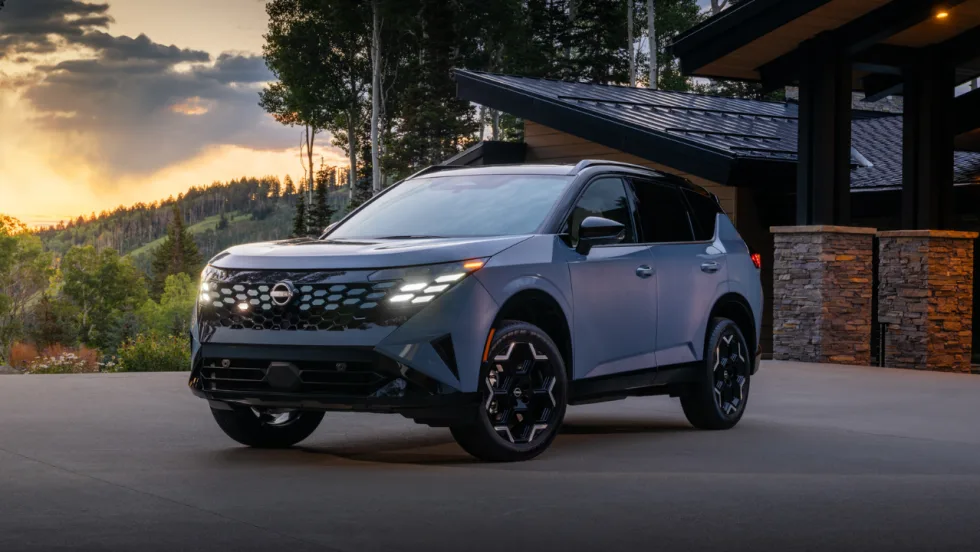
2027 Nissan Rogue Hybrid Brings e-POWER Technology to U.S. Fleets
The 2027 Nissan Rogue Hybrid brings e-POWER technology to the U.S. with standard AWD, up to 38 mpg combined, and a starting MSRP of $35,490.
Read More →
2027 Silverado and Sierra Give Small Fleets Four Ways to Spec a Work Truck
GM’s 2027 Silverado 1500 and Sierra 1500 will offer four powertrains with different strengths in payload, towing, power, and driving range.
Read More →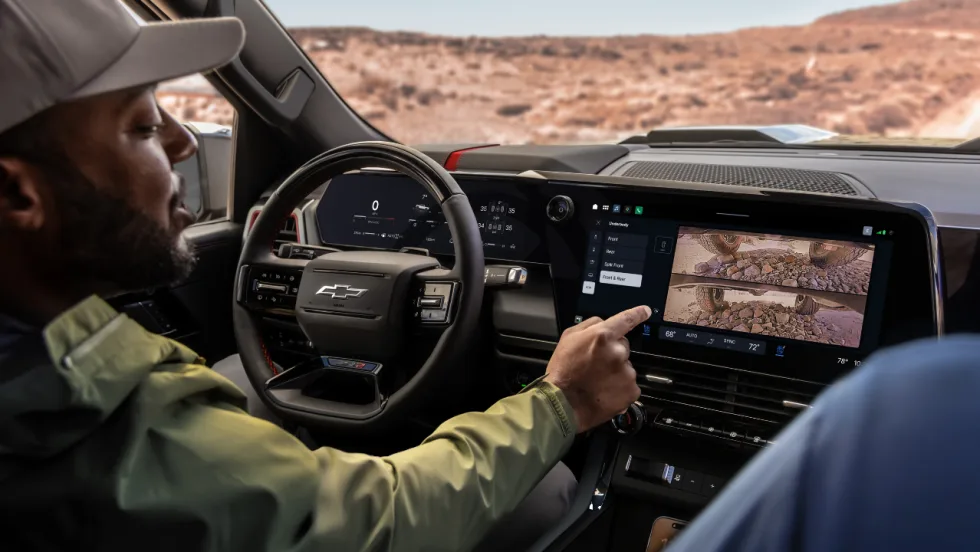
GM Brings New Truck Focused Interface to 2027 Silverado and Sierra
GM's new pickup interface puts trailering data, camera views, vehicle controls, and smartphone integration closer to the driver in the 2027 Silverado and Sierra.
Read More →
Volkswagen Expands Driver Assistance Features Across 2027 Lineup
Volkswagen is adding lane-change assistance, expanded emergency intervention, pedestrian detection, and updated predictive cruise control features to select 2027 models.
Read More →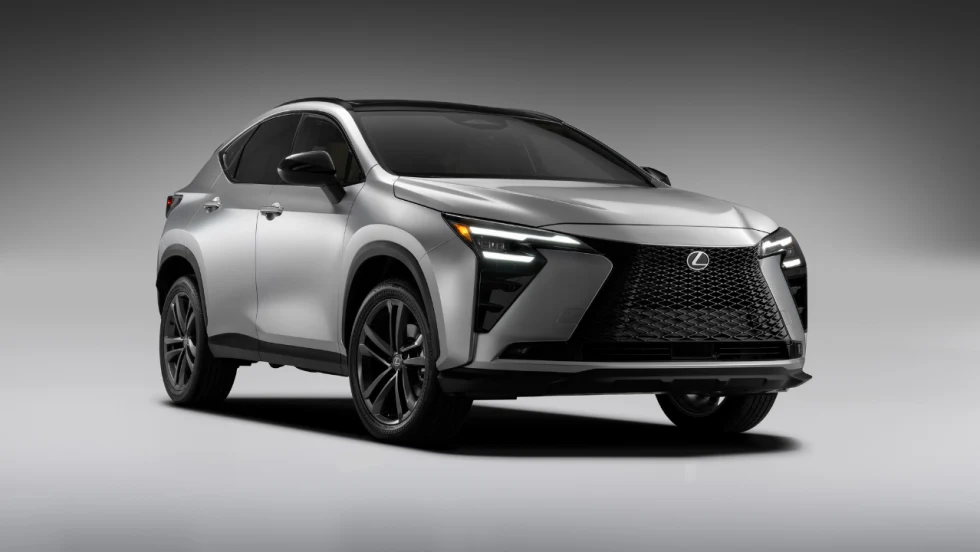
2027 Lexus NX Goes All-Hybrid With New Plug-In Range and Business-Friendly Tech
The 2027 Lexus NX goes fully electrified with hybrid and plug-in hybrid options, more than 40 miles of estimated EV range, and new tech that could appeal to small-business fleets.
Read More →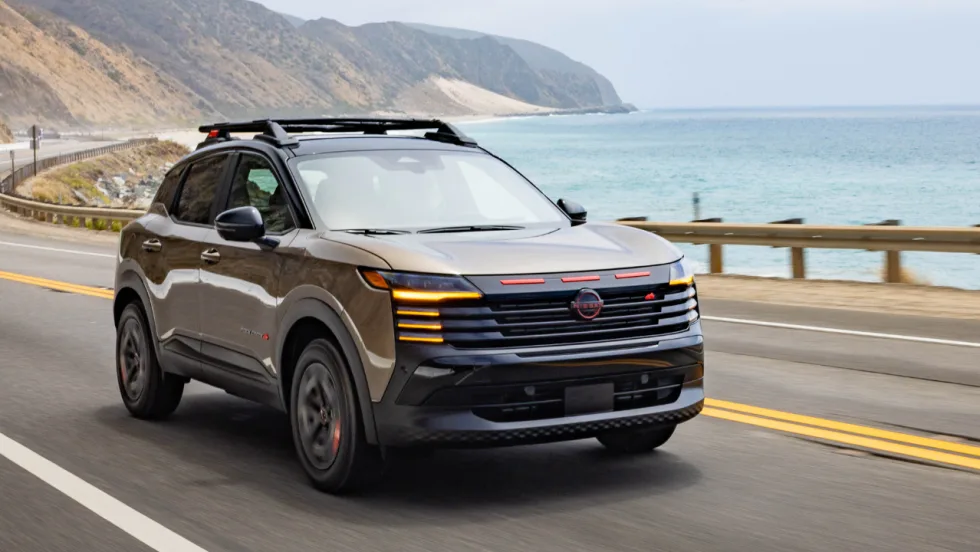
2027 Nissan Kicks Adds Rock Creek Package, Keeps AWD Entry Price Under $25K
The 2027 Nissan Kicks adds a new Rock Creek package with standard AWD, an Off-Road driving mode, and Hill Descent Control, while keeping its entry price under $23,000.
Read More →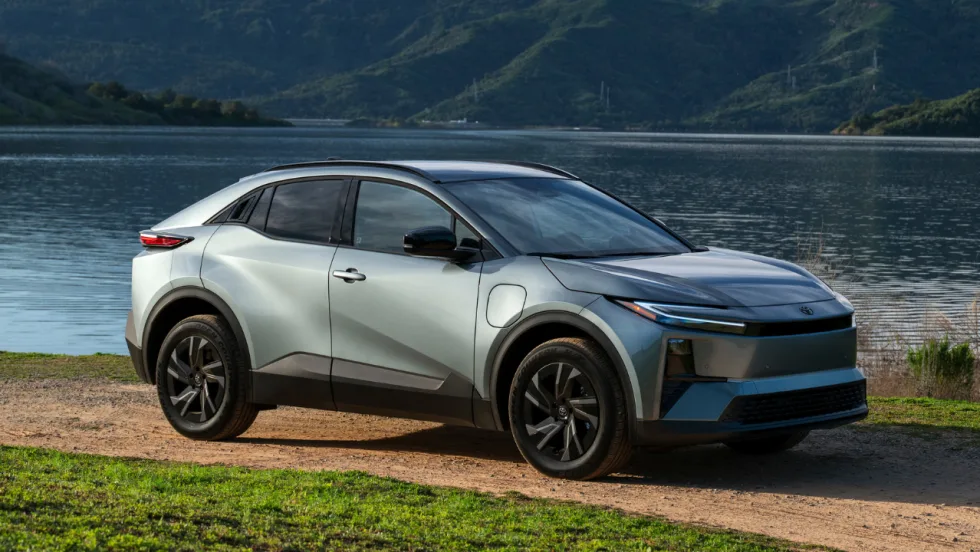
2027 Toyota C-HR Offers 287-Mile Range and Standard AWD
Toyota’s 2027 C-HR brings 287 miles of estimated range, standard all-wheel drive, and NACS fast-charging capability to the compact EV market. See what its mix of performance, cargo space, and everyday technology could offer business users.
Read More →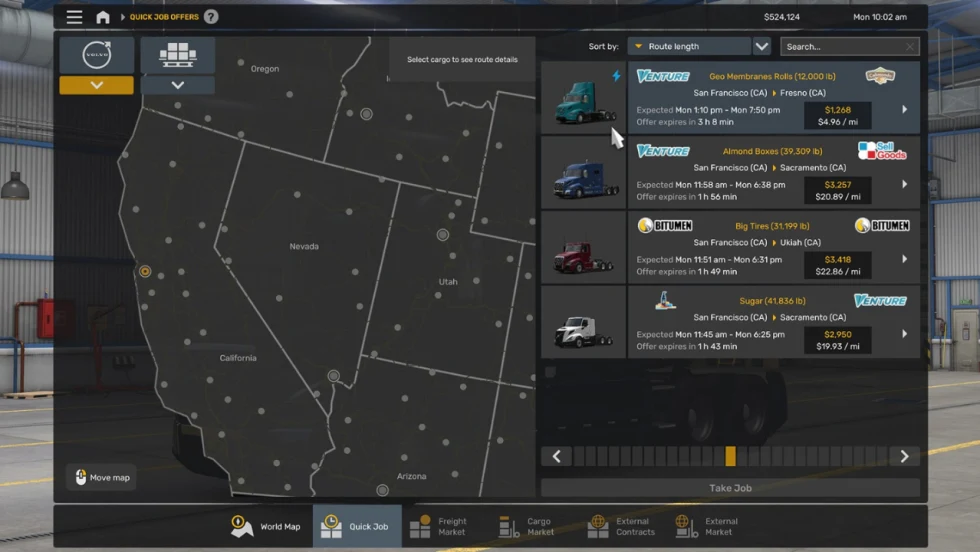
Volvo Trucks Come to American Truck Simulator with an EV First
Volvo’s VNL and VNR Electric join American Truck Simulator, giving small fleets a virtual look at diesel and EV trucking operations.
Read More →