


Your Drivers Are Already Out and the Weather Just Got Worse Now What?
The roads were fine when everyone left. Now they are not. Small fleets need a plan for bringing drivers back, changing routes, and handling the people who cannot get home.

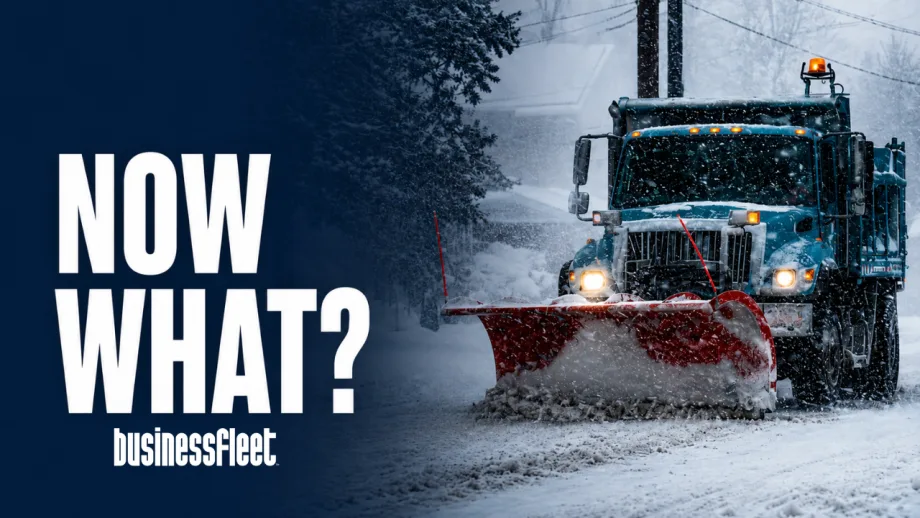
The weather can change after drivers are already on the road. Knowing where vehicles are, which jobs still need to happen, and when to reroute or stop can help small fleets respond before conditions get worse.
Business Fleet
- Small fleets must devise strategies to safely bring drivers back when weather conditions worsen unexpectedly.
- Adjusting and rerouting are crucial to ensure the safety and efficacy of operations amid deteriorating road conditions.
- It's essential to address and support personnel who are unable to return home due to weather-related disruptions.
*Summarized by AI
The forecast said the worst weather would arrive after the workday, so everyone left as planned. Then noon came around and the forecast stopped cooperating. One driver calls to say the roads north of town are getting slick. Another is stuck behind a crash. Temperatures are dropping faster than expected, and rain near the office is turning to ice farther out in the service area.
Now you have vehicles scattered in different directions, customers still waiting, and drivers dealing with very different conditions.
This is often the harder part of winter fleet operations. Deciding not to send vehicles out at 7 a.m. is one thing. Figuring out what to do when six drivers are already halfway through the day is something else entirely.
At that point, a small fleet needs more than a weather app. You need to know where your drivers are, what conditions they are seeing, which jobs still need to happen, and what options they have if getting back to the office is no longer the safest choice.
Your Drivers Know Conditions Are Changing Before You Do
When the weather starts deteriorating, the person sitting at the office is not necessarily the person with the best information… Your drivers are. One driver may tell you the main highway is still moving normally, but the side roads near their customer are icing over. Another might report that visibility is dropping quickly farther west. Someone else may already be sitting behind a closure that has not yet appeared on the navigation app.
For a small fleet, that creates something useful if you take advantage of it: your own little road-condition network. You do not need a sophisticated command center to make that work. Five vehicles can probably communicate perfectly well through a group message, dispatch chat, or whatever system the business already uses.
What matters is making sure people know what information is useful. “I’m running behind” is helpful. But “The bridge on Route 12 is getting slick and traffic has slowed to 20 mph” is much more useful to the next driver who is about to head that way.
You also need someone to collect those pieces of information and connect the dots. If three drivers are all reporting worsening conditions in the same part of town, that may be enough to stop sending anyone else into the area. If one driver says conditions are improving, a route that was questionable an hour ago could be workable again.
The official forecast still matters. So do DOT alerts, road cameras, closures, and radar. But when the weather is changing quickly, what your own people are seeing can fill in the gaps between those updates.
And if you want drivers to keep reporting what they see, they must believe the business actually wants that information. If every road-condition update gets answered with, “Okay, but can you still make the next stop?” people will eventually stop calling until they have a real problem.
By then, you have lost some of the best advance warnings you had.
When Conditions Change Midday Know Where Everyone Is and What Comes Next
One of the easiest mistakes to make during a busy winter day is waiting for conditions to get equally bad everywhere before changing the schedule. Winter usually does not work that neatly.
One part of the service area may be fine while another is getting hammered. A driver 10 miles from the office may be dealing with whiteout conditions while someone farther out has clear roads. That means you are managing individual routes and drivers, not one fleetwide weather event.
Before deciding whether everyone keeps going, starts wrapping up, or stops, get a quick picture of where the fleet actually is and what each driver is dealing with.
Ask:
- Where is each driver right now?
- Who is headed toward the worst weather?
- Who is closest to finishing their route?
- Which remaining stops truly need to happen today?
- Will the next stop take the driver farther away from home or the office?
- What are conditions expected to look like when they turn around?
- Does anyone need fuel or charging before heading back?
- Has anyone been stopped or delayed much longer than expected?
That last part matters because a 20-minute customer visit can add much more than 20 minutes to the day if it sends a driver farther into worsening weather. And do not automatically assume “come back to the shop” is always the safest answer.
If a driver is already closer to home, a customer facility, a safe parking area, or another secure location, returning to the office could mean driving directly into worse conditions. In some cases, the better decision may be to finish the current stop and reassess, head home, or pull into a safe location and wait.
Drivers should already know what options they have if that happens:
- Can they stop without waiting for approval if conditions feel unsafe?
- Can they go home if it is closer and safer than returning to the office?
- Where should they wait if they cannot safely continue?
- Who do they call first?
- Who approves a hotel if a highway closes or they cannot reasonably return?
- Who handles roadside assistance?
- What expenses will the business cover?
You also need a reliable way to know exactly where someone is if they get stuck or break down. Telematics makes that easier, but a smartphone location, navigation pin, or regular check-in can work for a smaller operation.
“Somewhere outside town” is not going to help much when you are trying to send roadside assistance in a snowstorm.
The goal is not to track every vehicle minute by minute. It is to make sure that when the weather changes, you can quickly figure out who can finish, who needs to turn around, and who may be safer staying exactly where they are.
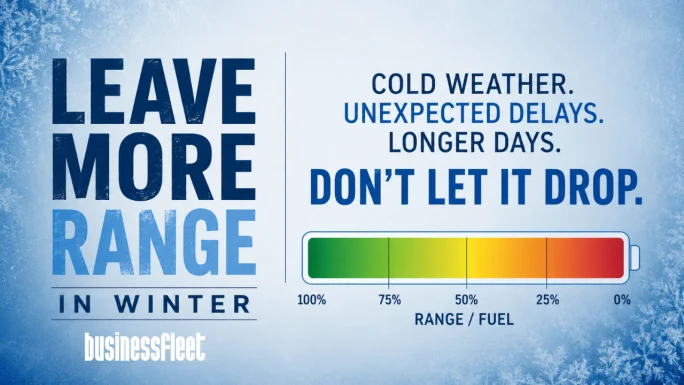
Cold weather, traffic delays, detours, and longer routes can eat into a vehicle’s normal operating buffer. Small fleets should leave more range or fuel than they typically need when winter conditions are in play.
Business Fleet
Leave More Range and Fuel Than You Normally Would
Winter has an impressive ability to use up every buffer you thought you had. For fleets that are operating EVs, the cold adds another layer because lower temperatures can reduce usable range while cabin heating draws additional energy.
One case study from Gunnison County Electric Association gives a pretty memorable example. The Colorado fleet operated EVs above 7,000 feet and, at the time, told drivers to plan for as much as a 40% reduction in range during subzero weather. One employee took a short winter test drive and returned with the vehicle displaying zero miles of remaining range. While EV technology has changed significantly since that 2019 example, but the lesson is still useful.
The amount of range that feels perfectly comfortable on a normal day may not feel nearly as comfortable once weather starts changing the route and that can vary based on driver, route, and whether.
If an EV normally returns with 25% charge remaining, how much of that disappears if the vehicle spends an extra hour in traffic, takes a detour, and runs cabin heat longer than planned in temperatures at or below freezing?
And don’t think gasoline and diesel vehicles are immune to the same basic problems. A half tank may be plenty for the normal route. It is less comforting when a driver does not know whether the highway ahead will reopen in 20 minutes or three hours and it’s snowing outside.
This is why sending vehicles into a questionable day with “just enough” fuel or charge can leave a small fleet with very few choices later.
Think Past the Breakdown
A winter roadside failure is more than a maintenance problem. The vehicle may have a dead battery, flat tire, fuel issue, or some completely unrelated mechanical failure that could have happened on any Tuesday of the year.
But now the driver is dealing with it when it is 20 degrees outside. Previous winter-prep coverage looked at an operation in North Pole, Alaska, where drivers carried extra fuel and fluids, blankets, lights, first-aid supplies, food, water, tools, and a tire gauge.
I know your fleet probably does not operate in the North Pole, but if your drivers could realistically be sitting for an hour or two waiting for help during winter, it’s not going to matter to them whether they are in Schenectady or the Arctic. Think about what they would actually need.
A basic emergency kit may include a blanket, gloves, flashlight, phone charger, water, food, first-aid supplies, ice scraper, and warning devices. Depending on where vehicles operate, you may also want a shovel, traction material, extra washer fluid, jumper pack, or other supplies specific to your routes.
And then there is the obvious question that fleets sometimes forget after assembling the perfect emergency kit: Is all of it still in the vehicle? Flashlight batteries die. Water bottles disappear. Blankets get borrowed. Phone chargers migrate into somebody's personal car. Don’t forget to actually check and restock your kits BEFORE winter hits and periodically during the season.
If you are planning around the idea that drivers have emergency supplies, you should probably make sure they actually do.
Roadside Assistance May Take Longer Than You Think
If weather is bad enough to strand one of your vehicles, chances are your driver is not the only person who needs help. Tow trucks, roadside service providers, repair shops, and emergency responders may all be dealing with increased demand at the same time.
Road conditions can slow them down, too. That means the roadside assistance ETA you are used to on a normal day may not mean much during a major storm.
Small fleets should know who to call before they need them and what information that provider will need. Vehicle type matters, location matters, whether the vehicle is loaded or towing matters, and exactly what the situation is.
An EV may need a different towing procedure than a gasoline-powered van. A heavier commercial vehicle may require equipment that is not immediately available. A vehicle that’s stuck in a ditch, not just “on the side of the road” may require a different set up to get it out.
And during it all, somebody at the business should stay in communication with the driver rather than assuming help is on the way and moving on. Conditions can change considerably during a two-hour wait. If the vehicle is in an unsafe location or weather starts to deteriorate, the priority may shift from fixing the truck to getting the driver somewhere safe.
The Day Is Not Over When Everyone Gets Back
Once all the drivers and vehicles are accounted for, most small businesses want to move on.
There is probably a pile of canceled work to reschedule and customers who need calls.
Before the day disappears completely, jot down what happened.
You do not need a formal incident review.
- What caught you off guard?
- Did someone have trouble reaching the office?
- Was there a route you should have abandoned sooner?
- Did one vehicle get uncomfortably low on fuel or charge?
- Did roadside assistance take much longer than expected?
- Did a driver discover that the emergency kit was missing half of what was supposed to be inside?
- Did everyone understand what they were allowed to do when conditions changed?
Those details are much easier to remember today than six months from now when someone starts talking about getting ready for winter again. And some of the best fleet policies start exactly that way. Not with a consultant and a giant manual. With somebody saying, “Last time this happened, this part was a mess. Let's fix that before it happens again.” Because the next winter storm won’t follow the plan either.
Save this article for the next time conditions change after your drivers are already out. And if you are still building the plan for what happens before everyone leaves, read Who Makes the Call When Winter Weather Gets Dangerous? for practical ways to decide who has authority to delay, reroute, or stop the day before the weather makes that decision for you.
Quick Answers
Small fleets should have a contingency plan in place that includes bringing drivers back safely, altering routes to avoid dangerous areas, and ensuring communication with drivers is maintained to make necessary adjustments.
*Summarized by AI
More Articles
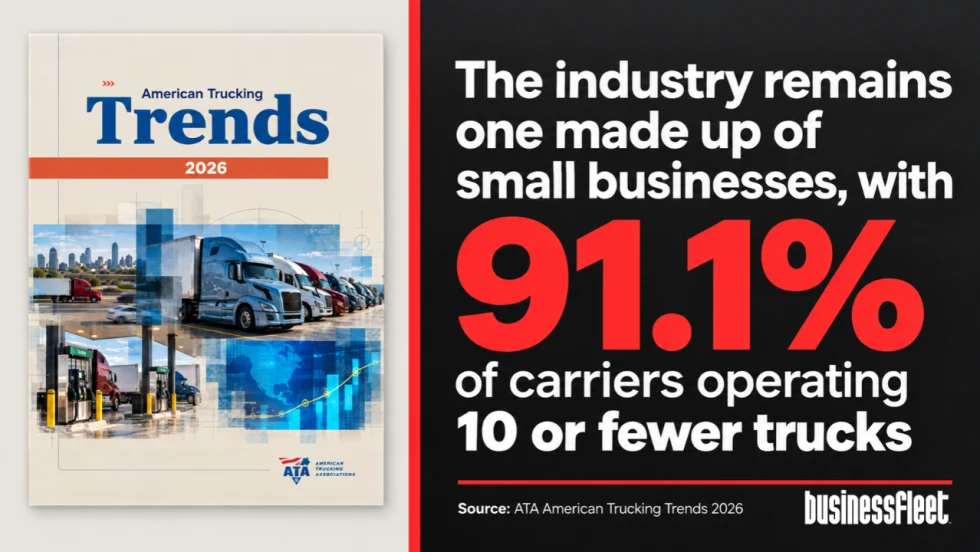
Small Carriers Make Up 91% of Trucking Industry as Freight Revenue Rises
The latest American Trucking Associations report shows modest gains in freight tonnage and revenue, with businesses operating 10 or fewer trucks accounting for most carriers.
Read More →
Tips for Driving Safely on Halloween Night
This video features a reminder from the Connecticut Department of Transportation (DOT) and the Connecticut Police Chiefs Association, urging drivers to prioritize safety this Halloween.
Read More →
Mercedes Benz Tests CLA Occupant and Battery Protection in Side Impact Crash
Two CLA sedans traveling at 35 mph were used in a Mercedes-Benz crash test examining occupant protection and electric vehicle battery safety.
Read More →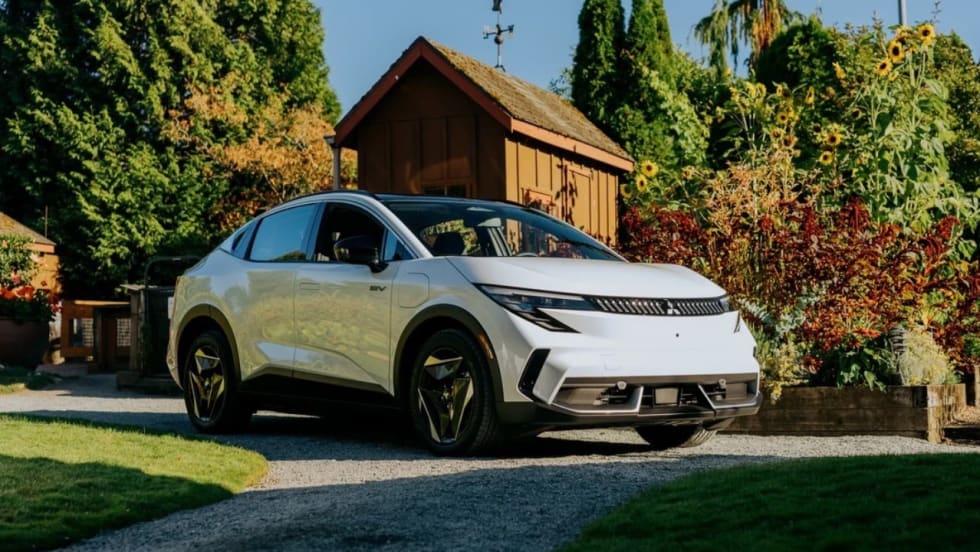
2027 Mitsubishi Eclipse Sportback Starts at $39,740
Mitsubishi’s new battery-electric vehicle offers up to 282 miles of range, with U.S. sales scheduled to begin in October.
Read More →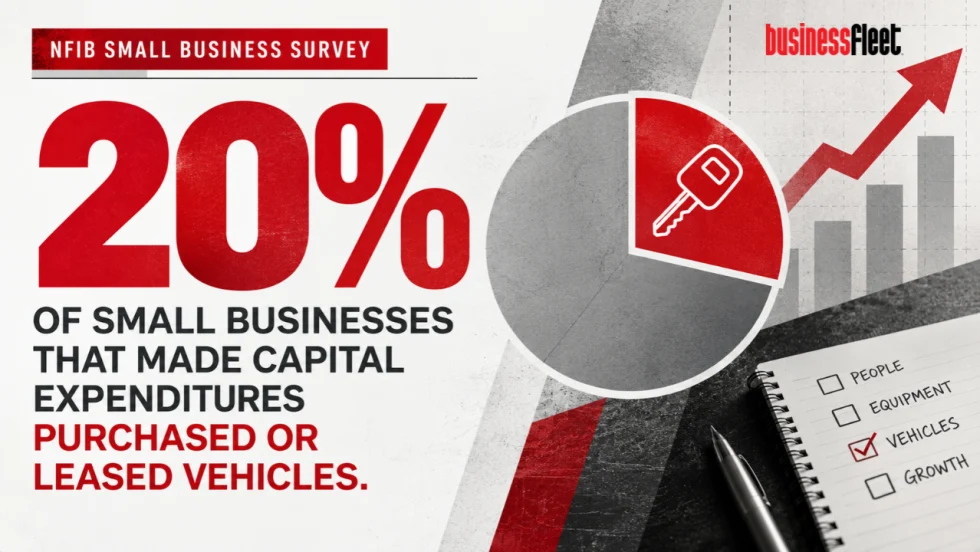
Small Business Vehicle Purchases Slip as Owners Pull Back on Expansion
New NFIB survey data shows fewer small businesses purchasing or leasing vehicles as inflation, hiring challenges, and borrowing costs weigh on expansion plans.
Read More →
Can AI Agents Help Small Work Truck Fleets Do More With Less?
Motive's new AI Agents automate fleet safety, maintenance, compliance, and dispatch tasks. Here's how they work for smaller fleets, what managers control, and what early users are seeing.
Read More →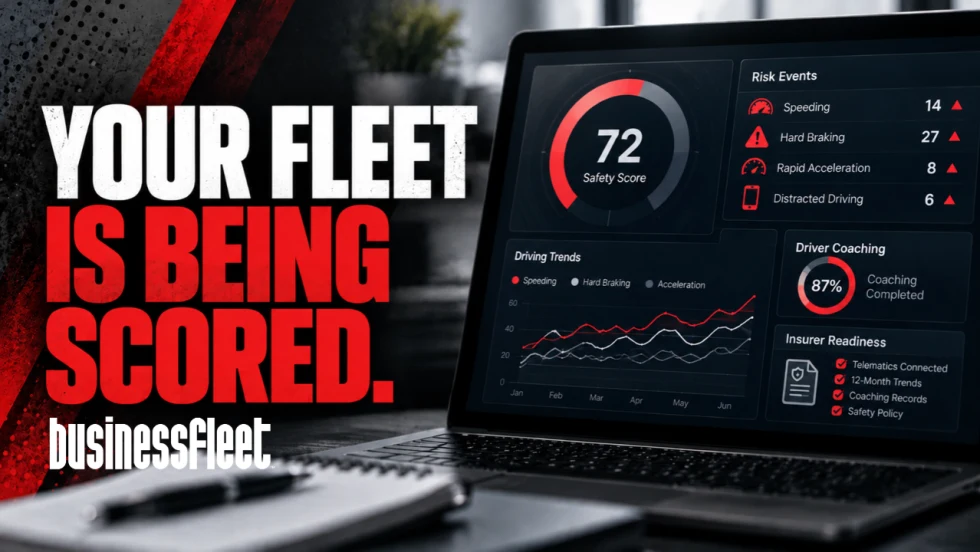
How Technology Can Help Fleet Owners Improve Insurability
Your fleet's telematics data could be the difference between getting insurance coverage and facing higher premiums or non-renewal. Here's what insurers are looking for and how fleets can use that data to make a stronger case at renewal.
Read More →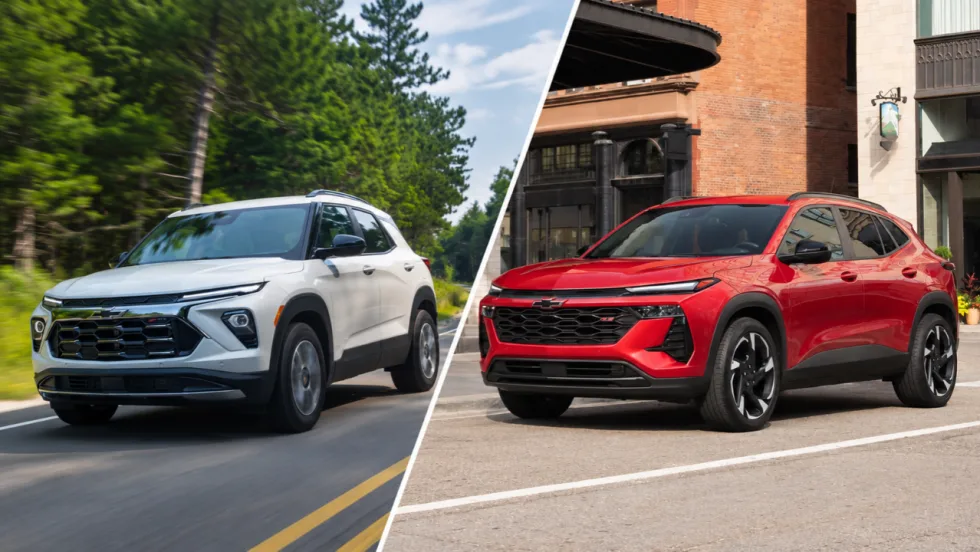
2027 Chevrolet Trax and Trailblazer Add Standard Safety Tech and New Features
Chevrolet updates its two smallest SUVs for 2027 with more than 20 standard safety and driver-assistance features, larger displays, and a new Trailblazer Z71 trim.
Read More →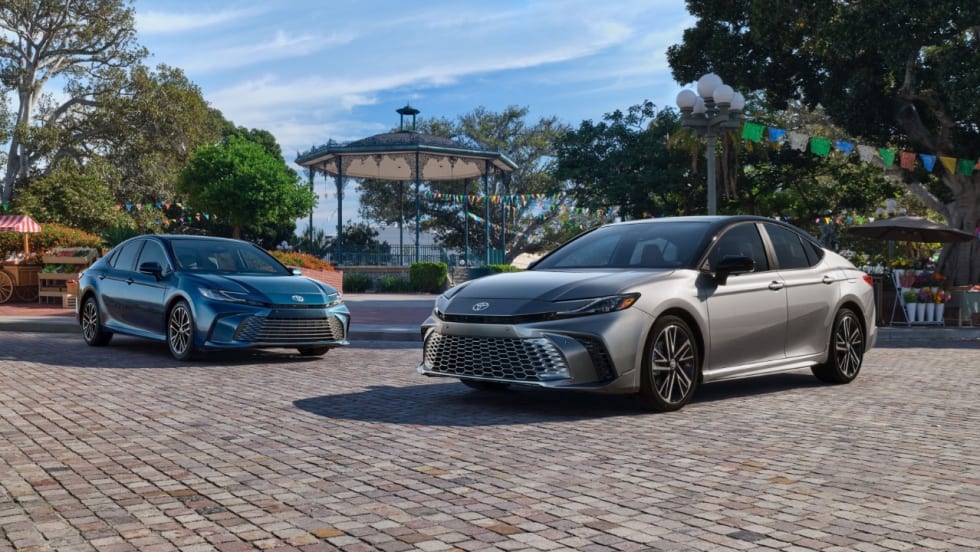
2027 Toyota Camry Starts at $29,700 With Up to 51 MPG Combined
The 2027 Toyota Camry returns with an exclusively hybrid powertrain, available all-wheel drive, standard safety technology, and five trim levels.
Read More →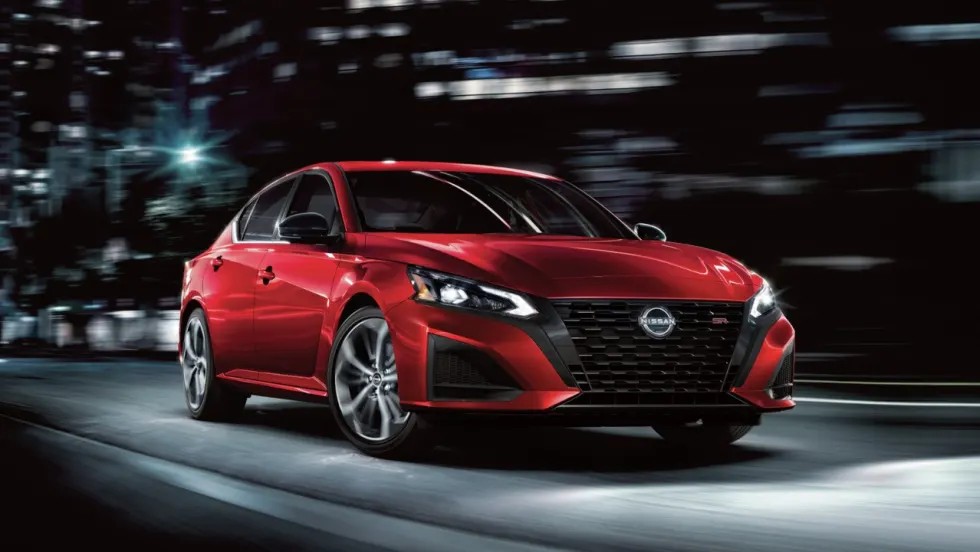
2027 Nissan Altima Starts at $27,790 With Up to 36 MPG Highway
The 2027 Nissan Altima is now on sale with three configurations, available all-wheel drive, standard driver-assistance technology, and up to 36 mpg highway.
Read More →