



Read Next: Your Drivers Are Already Out and the Weather Just Got Worse Now What?
Who Makes the Call When Winter Weather Gets Dangerous?
Winter weather can quickly change a small fleet’s plans. Knowing when to reroute, delay, or stop can matter just as much as preparing the vehicles themselves.
September 14, 2026
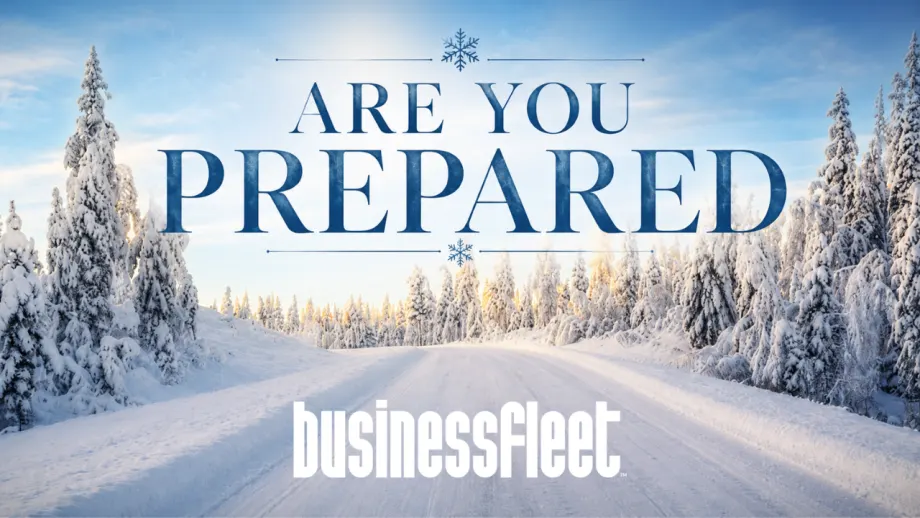
Winter weather can change quickly, and small fleets need more than a prepared vehicle. Having a plan for when to delay, reroute, or stop can help keep drivers safer and the business moving.
Credit:
Business Fleet
11 min to read
- Winter weather can lead to sudden changes in small fleet plans, requiring quick decisions.
- Making informed choices about rerouting, delaying, or stopping is as crucial as preparing the fleet.
- Effective weather response can have significant impacts on operational efficiency and safety.
*Summarized by AI
On almost every bad winter weather day, someone has to make the call: Do we keep going? That question is usually harder than it sounds.
Maybe it is still raining at the office, but temperatures are dropping fast 30 miles away. One driver says the roads are completely fine while another is starting to see ice. The forecast said snow would arrive around 5 p.m., so the entire day was scheduled around that, and now it looks like the storm will show up three hours earlier.
Meanwhile, customers are waiting, crews are already moving, and every idle vehicle represents work that isn't getting done.
For a smaller business, there probably is not a dedicated safety department watching weather conditions all day or a dispatch center making routing decisions. The person deciding whether the fleet stays on the road might also be the owner, operations manager, office manager, or whoever answers when a driver calls to say the roads are getting bad.
That is what makes winter fleet management more complicated than making sure the tires, batteries, wipers, and emergency kits are ready. At some point, somebody must decide whether the original plan for the day still makes sense. And, ideally, you are not figuring out how that decision works for the first time while everyone is already out driving.
The Weather Outside Your Office May Not Be the Weather Your Drivers See
One of the easiest mistakes to make is to assume the conditions outside the office tell you what the rest of the fleet is dealing with. A 20- or 30-mile route can cross different elevations, road-treatment zones, bridges, exposed areas, shaded stretches, rural roads, and neighborhoods that have not seen a plow yet. Add temperatures hovering around freezing, and one driver can be dealing with rain while another is already encountering slick roads.
Black ice makes that even harder because, as we've covered in previous Business Fleet winter-driving guidance, a road can appear clear even when ice has formed. Checking the forecast for the business address is useful, but it is only a starting point.
If you have one employee staying close to the office, another traveling 40 miles north, and someone else heading into higher elevation, you may essentially be managing three different weather days.
A smaller operation does not need an expensive weather platform to pay closer attention. State transportation websites, radar, local weather alerts, traffic cameras, navigation apps, road-closure information, and chain restrictions can all add useful context. If certain roads or passes regularly become a problem in winter, make checking them routine rather than waiting for the first driver to discover the issue.
It also helps to watch temperature changes and not just the little snowflake icon in the forecast. Previous Business Fleet winter-prep coverage notes that tire pressure can drop roughly 1 PSI for every 10-degree decline in temperature.
You do not need to stop the operation every time the thermometer moves, but a truck or van leaving a relatively mild shop and spending the day somewhere much colder may be experiencing more than a change in scenery.
And whatever the forecast says at 7 a.m., look again later. Winter weather is allowed to change its mind, and so are you.
A Bad-Weather Day Does Not Have to Be All or Nothing
There is a tendency to treat weather decisions as very black and white. The business is either open or closed. Either every vehicle goes out, or everybody stays home. Hate to break it to you: most winter days do not fit neatly into either category.
For smaller fleets, that can actually be a good thing with a little forethought. Instead of writing off the entire day, look for ways to adjust it.
If snow is expected late in the afternoon, send the farthest jobs out first and have drivers work their way back toward the office. If roads are expected to improve by midmorning, start later. If one part of the service area is getting hit harder than another, move those appointments and keep the rest of the schedule intact.
You can shorten routes, switch the order of stops, keep one driver closer to home, or move a customer on the other side of a mountain pass to tomorrow while five other jobs still get done.
This is one place where a small fleet has an advantage. A business running six vans may not have sophisticated routing software or a large dispatch center, but it can call or message six drivers and rearrange the afternoon pretty quickly.
That flexibility matters because sometimes the weather itself is not what creates the biggest risk. The schedule does.
A route that works perfectly on a dry Tuesday can start falling apart when every drive takes an extra 10 or 15 minutes. Traffic slows, roads close, windshields need clearing again, or the usual shortcut has not been treated and suddenly everyone is taking the long way around.
By the third or fourth stop, everybody is behind. Nobody has to explicitly tell a driver to hurry. The schedule can start doing that on its own.
Keep that in mind when building the day. If eight appointments normally fit comfortably, maybe six or seven are more realistic when the forecast looks rough. Leave more travel time, move the work that can wait, and give customers a wider arrival window before your drivers are already an hour behind.
For a small business, rescheduling work absolutely has a cost. But so does a crash, a tow, a damaged vehicle, or an employee injury.

When winter conditions get worse, drivers need to know who to call and who has the authority to change the plan. Clear communication can make the difference between pushing through and making the safer call.
Credit:
This image was generated with OpenAI. Please refer to our terms of use.
Make Sure Everyone Knows Who Can Say Stop
If a driver encounters black ice, can they turn around without calling first? If visibility drops quickly, can they pull over? What happens if the owner is unavailable? Who can decide that the afternoon routes are done?
At first, those seem like simple questions., but they quickly get more complicated when the one person who usually calls the shots is unavailable and a decision needs to be made now. Smaller businesses tend to operate with a lot of unwritten rules. Everyone knows who usually handles what, people know each other well, and decisions get made pretty quickly. Most days, that works.
A winter storm is not the best time to discover that the owner, office manager, operations lead, and driver all had different ideas about who gets the final say.
You do not need a 40-page severe-weather policy, but you do need to answer a few basic questions before winter starts. One simple way to do that is to pair common weather triggers with the person who has authority to make the next call.
When This Happens... | The Question to Ask is... | Who Should Make the Call |
Winter storm warning along an active route | Do we delay departure, change the route, or continue as planned? | Owner, operations manager, or designated backup |
Freezing rain or rapidly worsening weather is forecast | Does the afternoon schedule still make sense? | Operations manager, dispatcher, or person managing the day's schedule |
Major road closes | What approved alternate route should drivers use, or should the trip be delayed? | Dispatcher, operations lead, or designated route decision-maker |
Driver reports worsening traction or visibility | Should the driver stop, turn around, or continue? Are other vehicles headed into the same area? | Driver has authority to stop; office or operations lead handles broader rerouting |
Owner or primary decision-maker is unavailable | Who becomes the backup decision-maker? | Identify this person before winter |
Conditions deteriorate across the service area | Do we shorten routes or end operations for the day? | Owner, general manager, or designated operations lead |
The exact titles are going to look different in a five-vehicle business than they do in a 50-vehicle operation. The important thing is that there is a name next to each decision, plus a backup if that person cannot be reached.
And the driver's role needs to be real, not theoretical. The person behind the wheel has information the person sitting at the office does not. They can feel the vehicle losing traction. They can see visibility disappearing. They know the road in front of them has not been plowed even if the map still shows it as open.
That means drivers should have clear authority to stop or pull over when they believe conditions have become unsafe. They should not have to keep driving while they wait for someone three levels up to answer the phone.
This also solves one of the problems with telling employees to “just use common sense.” Common sense can mean very different things depending on someone's experience. A driver who has spent 20 winters in Minnesota may have a very different comfort level than someone experiencing their first real winter.
A few defined triggers and clear decision-makers remove some of that gray area without trying to write a rule for every possible storm.
The trip itself still matters, too. An HVAC company responding to a no-heat call during freezing temperatures may decide a trip is worth making under conditions that would make very little sense for an employee driving across town for a meeting that could happen online.
Same roads. Same weather. Very different reason for being on them.
Decide What Actually Needs to Happen Today
This may be one of the harder parts of a winter weather day for a small business because customer relationships tend to be personal. You know who is waiting, which customer really needs something, and which one is probably going to be unhappy if you move their appointment.
Once weather starts squeezing the schedule, everything can begin to feel urgent. That is usually when it helps to stop looking at the day as one big block of appointments and start looking at the individual trips.
A heating repair during freezing temperatures may still need to happen. A critical parts delivery might, too. A routine inspection at 4 p.m. across town probably has more flexibility. That does not mean one customer matters more than another. The consequences of delaying the work are simply different.
If conditions deteriorate at noon, you may decide the three highest-priority jobs stay on the schedule while the lower-priority afternoon appointments move. That leaves more time for the drivers who are still out, instead of asking everyone to maintain a schedule that no longer matches the conditions.
A few questions can help make that call:
- What happens if this job moves to tomorrow? Is it inconvenient, or does the delay create a real safety, operational, or customer problem?
- Is this trip truly time-sensitive? Separate work that needs to happen today from work everyone simply hoped would happen today.
- How far does the job take the driver from home or the office? A 30-minute appointment may not make sense if it adds another hour of winter driving.
- What will conditions look like when the driver is coming back? Do not make the decision based only on what the roads look like when they leave.
- Is there a safer time to do the same work? Waiting two hours for temperatures to rise or moving the stop to the following morning may make a big difference.
- Can the job be handled another way? A meeting may be moved online, a delivery may be combined with another route, or a customer may be able to wait until the next scheduled visit.
- What other work would we have to sacrifice to keep this appointment? Sometimes protecting one lower-priority stop means every other driver spends the afternoon rushing.
- Would I still send someone if the customer were not already on the schedule? This can be a useful gut check when the pressure to avoid a cancellation starts outweighing the actual need for the trip.
Once you decide a job needs to move, tell the customer as early as you can. A customer who hears at 9 a.m. that a 2 p.m. appointment may be delayed has time to adjust. A customer who waits until 2:30, calls because nobody arrived, and then learns the driver was pulled off the road an hour ago is going to have a very different reaction.
The message does not have to be dramatic. Let them know you are monitoring weather and road conditions, arrival times may change, and appointments may need to move if travel becomes unsafe.
It can also help to identify truly time-sensitive customers before a storm arrives. Then, if the available driving window starts shrinking, you already have a better idea of where your limited time and vehicles need to go.
And whenever possible, make those customer calls an office responsibility.
The driver who is already dealing with worsening roads should not also be negotiating with a customer about whether they can squeeze in one more stop.
Sometimes the Productive Decision Is to Stop
Small businesses feel every disruption. Every canceled service call matters, every missed delivery matters, and every vehicle sitting in the lot instead of generating revenue matters. The instinct to keep going makes sense.
And there are plenty of winter days when that is exactly what happens. The roads are messy, everyone slows down, the schedule moves around a little, and the work still gets done. The harder call is recognizing when today's schedule is starting to create tomorrow's problem.
A vehicle in a ditch is not producing revenue, and neither is one waiting for a tow. An employee injured while trying to squeeze in one last stop can affect far more than one afternoon's schedule.
Remember, winter risk does not disappear when the vehicle gets parked. Previous Business Fleet coverage of winter driver injuries looked at slips, falls, getting in and out of vehicles, lifting, and other injuries that can happen away from the driver's seat. Rushing and distraction become particularly relevant when someone is already late and then arrives at an icy parking lot carrying equipment.
Maybe you delay the morning, move three appointments, or decide one route keeps going while another comes back. Maybe you decide at 2 p.m. that you have gotten enough done for one day.
None of those decisions mean the business failed to operate. Sometimes running a small fleet well means knowing when the plan needs to change, even when there is still work sitting on the schedule.
Save this article before the next storm rolls in, and use it to talk through who can stop a route, which jobs truly cannot wait, how drivers should report worsening conditions, and who will contact customers if the schedule changes.
Winter will do its best to mess with your plans. A little preparation now means it does not get to make all the decisions for you.
Quick Answers
Typically, fleet managers are responsible for making decisions about rerouting, delaying, or stopping travel during hazardous winter weather conditions.
*Summarized by AI
More Safety
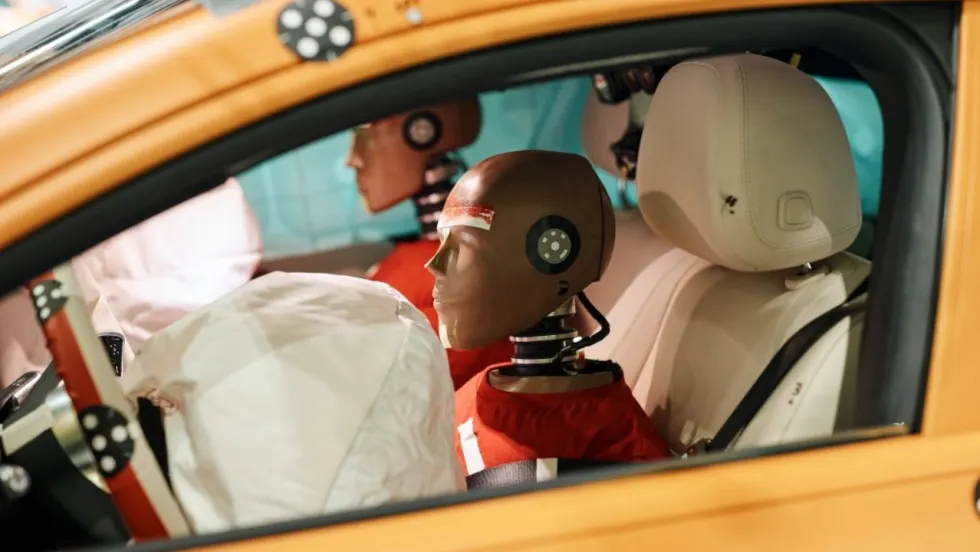
Mercedes Benz Tests CLA Occupant and Battery Protection in Side Impact Crash
Two CLA sedans traveling at 35 mph were used in a Mercedes-Benz crash test examining occupant protection and electric vehicle battery safety.
Read More →
How Technology Can Help Fleet Owners Improve Insurability
Your fleet's telematics data could be the difference between getting insurance coverage and facing higher premiums or non-renewal. Here's what insurers are looking for and how fleets can use that data to make a stronger case at renewal.
Read More →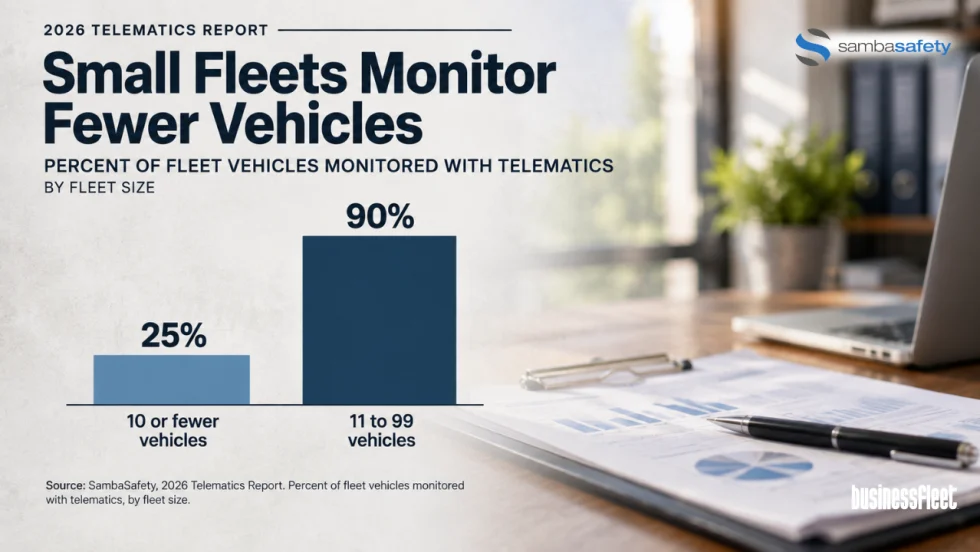
Small Fleets Lag in Telematics Coverage as Industry Moves Beyond Adoption
SambaSafety’s 2026 Telematics Report finds fleets with 10 or fewer vehicles monitor a much smaller share of their vehicles than larger operations, as the industry shifts its focus from collecting data to using it.
Read More →
Back-to-School Traffic Is Not the Risk Fleets Think It Is
Back-to-school traffic does not always mean more crashes. New Empiric Earth data shows why fleets should focus on when and where risk changes.
Read More →
Small Fleet, Big Exposure: How to Reduce Workers’ Comp Risks
For small fleets, one crash can trigger far more than vehicle damage. Here’s how stronger driver safety policies, training, maintenance, and technology can help reduce workers’ comp exposure.
Read More →
API Issues Refueling Safety Guidelines
The American Petroleum Institute offers a list of safe vehicle refueling guidelines, including ways to avoid potential problems with static electricity discharges in fall, winter, and early spring.
Read More →
Winter Fleet Prep: Expert Tips to Keep Vehicles Running Smoothly
Cold weather can expose weak batteries, tires, fuel systems, and maintenance gaps fast. Use this winter fleet checklist to prepare trucks and drivers before temperatures drop.
Read More →
8 ADAS Maintenance Tips for Small Business Fleets From Bendix
A dirty camera, bad alignment, or one loose connection could quietly knock your fleet’s ADAS offline. Here’s what Bendix says to check.
Read More →
Developing Budget-Friendly Driver Safety Programs
From driver training and safety meetings to one-on-one coaching and incentive programs, several small fleets share how they have developed a safety culture with their drivers using low- to no-cost resources.
Read More →
A 20-Minute Safety Check for Small Fleets Before Operation Safe Driver Week
No safety department? No problem. Here's a practical checklist small fleet managers can use before Operation Safe Driver Week begins.
Read More →Subscribe to Our Newsletter