


Clocks Fall Back Nov. 1. Is Your Fleet Ready for Earlier Darkness?
Clocks fall back Nov. 1. Help your fleet prepare for earlier darkness with quick checks for driver visibility, schedules, fatigue, and seasonal road hazards.


The end of daylight saving time puts more afternoon fleet trips in darkness, making it a good reminder to check vehicle lighting, review schedules, and talk with drivers about visibility and fatigue.
Work Truck
Daylight saving time ends Sunday, Nov. 1, with clocks turning back one hour at 2 a.m. local time in areas that observe it. For business fleets, that means more afternoon deliveries, customer visits, and return trips could happen after sunset.
If you’re reading this before Nov. 1, there’s still time to give drivers a heads-up and check schedules before the change. Already turned the clocks back? These reminders can help throughout the darker months.
Earlier darkness can make addresses, parking lot entrances, and pedestrians harder to spot. Add evening commuter traffic and fall weather, and a familiar route may need a little more time.
“When you combine extra traffic from the evening commute with any precipitation, travel will be slow going,” said Tyler Roys, senior meteorologist and lead European forecaster at AccuWeather.
A Few Checks Before the Next Shift
Fleet managers don’t need a large operation to make a few useful adjustments:
- Check visibility. Make sure headlights, brake lights, and turn signals work, and clean windshields, mirrors, and light lenses. Ask drivers which customer stops or parking areas need better lighting.
- Give schedules another look. Allow for slower travel when darkness, rain, and commuter traffic overlap. Where practical, move poorly lit stops into daylight hours without cutting into driver rest.
- Watch for seasonal hazards. Remind drivers to watch for deer around dawn and dusk. Clear fallen leaves from loading and parking areas, where rain can make them slippery, and monitor wet surfaces as temperatures drop.
- Check in about fatigue. Encourage consistent sleep routines and make sure drivers know whom to contact if they become too tired to continue safely.
- Verify clocks and appointments. Check vehicle clocks, scheduling tools, and customer reminders, especially when employees travel across time zones or into areas that do not observe daylight saving time.
A quick conversation with drivers can also reveal problems a forecast or route planner won’t show, such as a dark entrance or a customer lot that becomes difficult to navigate after sunset.
For more guidance, including AccuWeather insights on pavement temperatures, refreezing, and changing precipitation, read Work Truck’s full article on navigating the effects of daylight saving time on fleets.
More Safety

Tips for Driving Safely on Halloween Night
This video features a reminder from the Connecticut Department of Transportation (DOT) and the Connecticut Police Chiefs Association, urging drivers to prioritize safety this Halloween.
Read More →
Mercedes Benz Tests CLA Occupant and Battery Protection in Side Impact Crash
Two CLA sedans traveling at 35 mph were used in a Mercedes-Benz crash test examining occupant protection and electric vehicle battery safety.
Read More →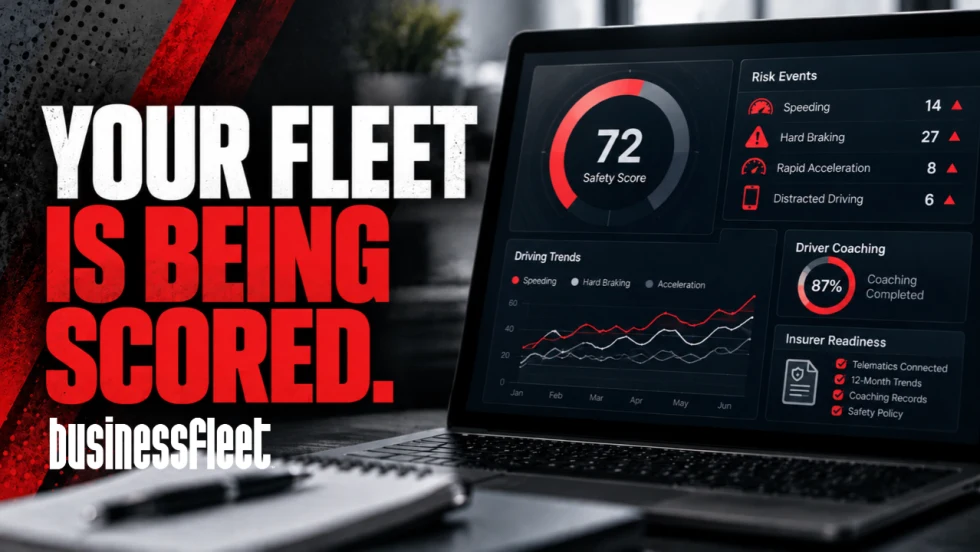
How Technology Can Help Fleet Owners Improve Insurability
Your fleet's telematics data could be the difference between getting insurance coverage and facing higher premiums or non-renewal. Here's what insurers are looking for and how fleets can use that data to make a stronger case at renewal.
Read More →
Simple Tire Checks That Help Keep Your Business Fleet Moving
A survey found that nearly one in every 10 passenger vehicles has at least one bald tire. What's more, 27% -- more than one in four -- of vehicles are driven with one or more severely under-inflated tires.
Read More →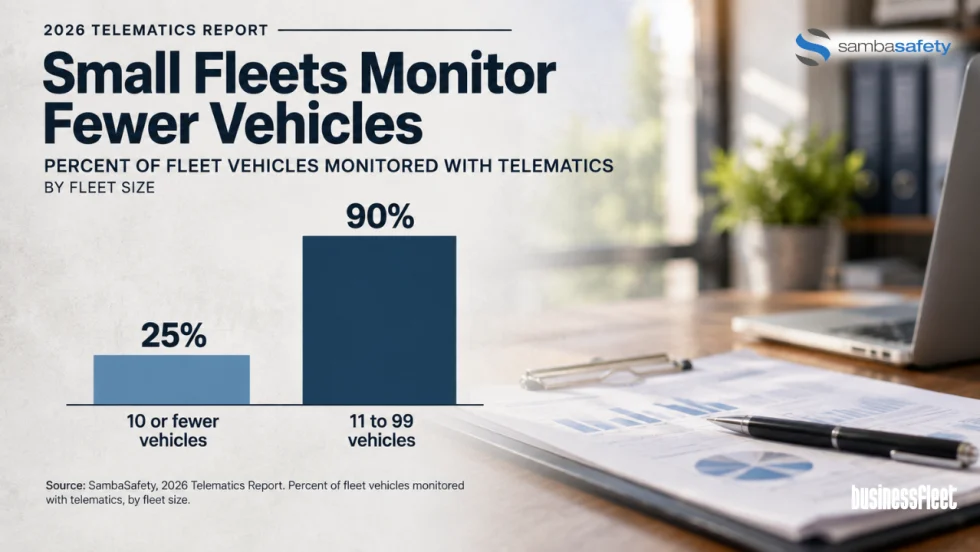
Small Fleets Lag in Telematics Coverage as Industry Moves Beyond Adoption
SambaSafety’s 2026 Telematics Report finds fleets with 10 or fewer vehicles monitor a much smaller share of their vehicles than larger operations, as the industry shifts its focus from collecting data to using it.
Read More →
Back-to-School Traffic Is Not the Risk Fleets Think It Is
Back-to-school traffic does not always mean more crashes. New Empiric Earth data shows why fleets should focus on when and where risk changes.
Read More →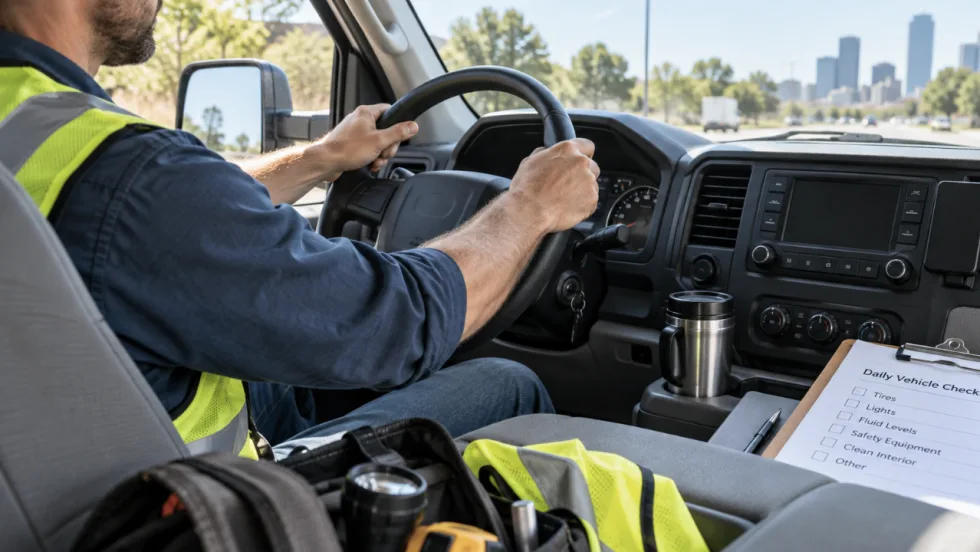
Small Fleet, Big Exposure: How to Reduce Workers’ Comp Risks
For small fleets, one crash can trigger far more than vehicle damage. Here’s how stronger driver safety policies, training, maintenance, and technology can help reduce workers’ comp exposure.
Read More →
Who Makes the Call When Winter Weather Gets Dangerous?
Winter weather can quickly change a small fleet’s plans. Knowing when to reroute, delay, or stop can matter just as much as preparing the vehicles themselves.
Read More →
API Issues Refueling Safety Guidelines
The American Petroleum Institute offers a list of safe vehicle refueling guidelines, including ways to avoid potential problems with static electricity discharges in fall, winter, and early spring.
Read More →
Winter Fleet Prep: Expert Tips to Keep Vehicles Running Smoothly
Cold weather can expose weak batteries, tires, fuel systems, and maintenance gaps fast. Use this winter fleet checklist to prepare trucks and drivers before temperatures drop.
Read More →