



Download J. J. Keller's Cargo Security and Preventing Theft in Trucking whitepaper.
Holiday Closures Can Leave Small Business Fleet Vehicles Vulnerable to Theft
Thanksgiving closures can leave business vehicles and cargo unattended. J. J. Keller shares practical steps to help fleets reduce theft risks.
November 13, 2026
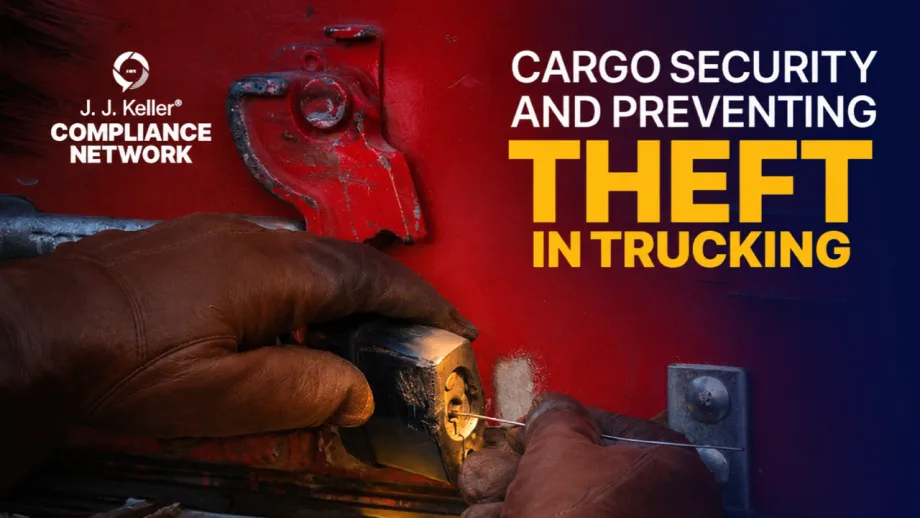
Thanksgiving closures can leave business vehicles and cargo unattended for extended periods. J. J. Keller shares security tips to help small fleets reduce theft risks during the holiday weekend.
Credit:
J.J. Keller
2 min to read
Thanksgiving may mean a few days off for employees, but for small businesses with company vehicles, it can also mean trucks and vans sitting unattended longer than usual.
J. J. Keller & Associates is encouraging fleets to review their security procedures ahead of the holiday, particularly when vehicles are parked overnight, facilities are closed, or fewer employees are available to monitor operations.
The warning is especially relevant for businesses operating delivery vehicles, straight trucks, and other commercial vehicles that may carry valuable cargo.
"In my 25 years investigating cargo theft, both in law enforcement and in the trucking industry, one thing has remained consistent: thieves look for opportunity. Holiday weekends can create those opportunities when freight is sitting longer than usual and facilities are operating with reduced staffing. The best defense is to plan ahead and make your freight a harder target," said Josh Lovan, industry business advisor at J. J. Keller & Associates.
A Few Security Checks Before Closing for the Holiday
J. J. Keller recommends several precautions that businesses with commercial vehicles can put into practice:
- Know where vehicles will be parked. Choose well-lit, secure locations and avoid leaving loaded vehicles unattended when possible.
- Check locks and cargo compartments. Make sure vehicles are secured and drivers understand company procedures.
- Use the technology you already have. GPS tracking and telematics systems may help identify unauthorized vehicle movement or unusual activity.
- Make reporting procedures clear. Employees should know who to contact if they discover suspicious activity, damaged locks, or signs of tampering.
The company also recommends checking facility lighting, surveillance systems, and access controls before extended closures.
Building Better Fleet Security Habits
J. J. Keller's new whitepaper, Cargo Security and Preventing Theft in Trucking, outlines a layered approach to protecting commercial vehicles and cargo.
While the resource focuses on motor carriers, its guidance on vehicle security, driver awareness, and operating procedures offers useful considerations for businesses managing smaller commercial fleets.
"There is no single lock, camera or piece of technology that will prevent every cargo theft," Lovan said. "The strongest security programs use layers, combining physical security, technology, good operating procedures and employees who know what to look for. If one layer fails, another should still stand between the thief and the freight."
The complimentary resource provides additional guidance on theft prevention, vehicle monitoring, employee training, and security procedures.
More Safety

Clocks Fall Back Nov. 1. Is Your Fleet Ready for Earlier Darkness?
Clocks fall back Nov. 1. Help your fleet prepare for earlier darkness with quick checks for driver visibility, schedules, fatigue, and seasonal road hazards.
Read More →
Tips for Driving Safely on Halloween Night
This video features a reminder from the Connecticut Department of Transportation (DOT) and the Connecticut Police Chiefs Association, urging drivers to prioritize safety this Halloween.
Read More →
Mercedes Benz Tests CLA Occupant and Battery Protection in Side Impact Crash
Two CLA sedans traveling at 35 mph were used in a Mercedes-Benz crash test examining occupant protection and electric vehicle battery safety.
Read More →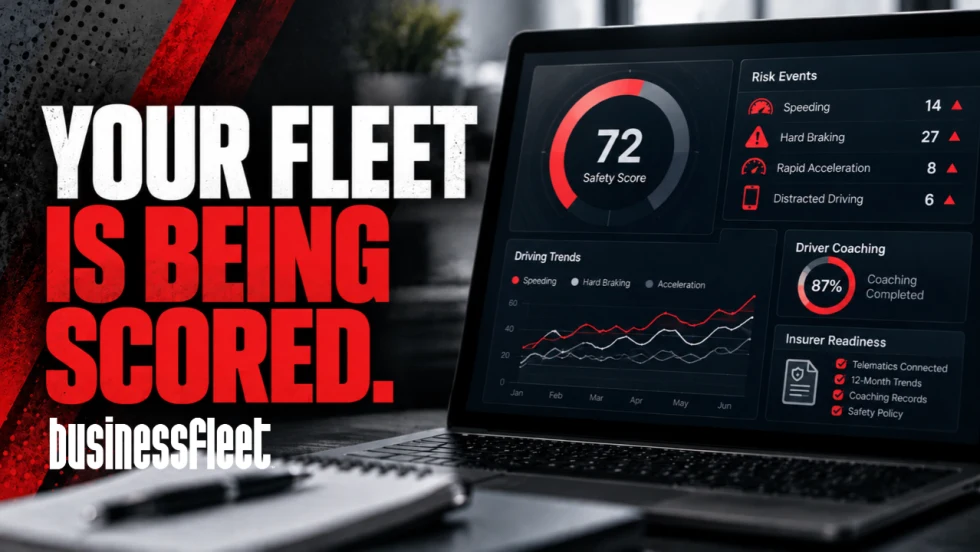
How Technology Can Help Fleet Owners Improve Insurability
Your fleet's telematics data could be the difference between getting insurance coverage and facing higher premiums or non-renewal. Here's what insurers are looking for and how fleets can use that data to make a stronger case at renewal.
Read More →
Simple Tire Checks That Help Keep Your Business Fleet Moving
A survey found that nearly one in every 10 passenger vehicles has at least one bald tire. What's more, 27% -- more than one in four -- of vehicles are driven with one or more severely under-inflated tires.
Read More →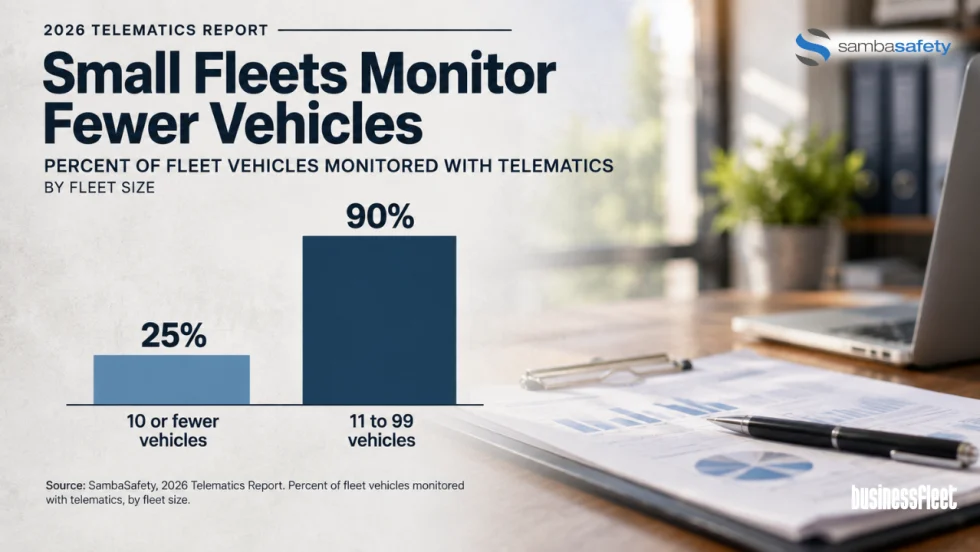
Small Fleets Lag in Telematics Coverage as Industry Moves Beyond Adoption
SambaSafety’s 2026 Telematics Report finds fleets with 10 or fewer vehicles monitor a much smaller share of their vehicles than larger operations, as the industry shifts its focus from collecting data to using it.
Read More →
Back-to-School Traffic Is Not the Risk Fleets Think It Is
Back-to-school traffic does not always mean more crashes. New Empiric Earth data shows why fleets should focus on when and where risk changes.
Read More →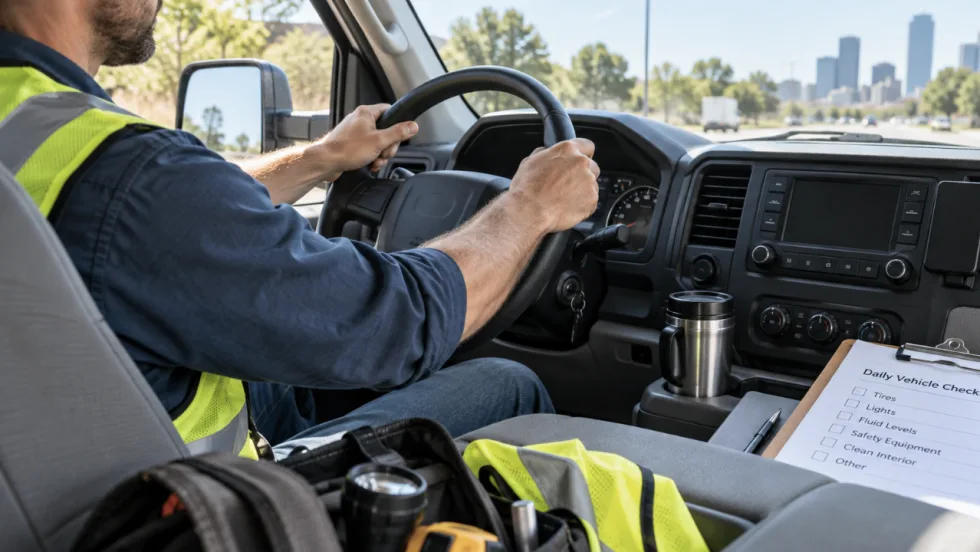
Small Fleet, Big Exposure: How to Reduce Workers’ Comp Risks
For small fleets, one crash can trigger far more than vehicle damage. Here’s how stronger driver safety policies, training, maintenance, and technology can help reduce workers’ comp exposure.
Read More →
Who Makes the Call When Winter Weather Gets Dangerous?
Winter weather can quickly change a small fleet’s plans. Knowing when to reroute, delay, or stop can matter just as much as preparing the vehicles themselves.
Read More →
API Issues Refueling Safety Guidelines
The American Petroleum Institute offers a list of safe vehicle refueling guidelines, including ways to avoid potential problems with static electricity discharges in fall, winter, and early spring.
Read More →