


Can Alt Fuels Survive the Era of Low-Priced Gas?
Before jumping in, fleets considering alternative fuels or power must define their use cases and tailor them to the solution more than ever before.

In March 2012, the price of a barrel of crude oil was $122. Today, it’s $50. When talking about the alternative power market, cheap fuel continues to be the primary disruptor. If you’re a fleet considering jumping in, where do you go from here? Held this week in Long Beach, Calif., the Fleet Technology Expo (FTX) was a great place to answer that question.
When retail fuel prices topped $4 a gallon, it was a lot easier to make the financial case for alt fuels and alt power. It was a great time to be a first adopter. Alternative fuels still work today, though a key refrain in the speakers, seminars and exhibit hall conversations at FTX was that fleets — now more than ever — need to tailor their alt-fuel choices to their specific use cases.
Take AmeriPride, the uniform company, which has a myriad of delivery scenarios across the country. The AmeriPride fleet team put together a pilot program to match the technology with the route.
The pilot found that low-mileage routes were still best served with vehicles powered by gasoline, said Jimmy Crea, while propane and compressed natural gas (CNG) work best for high-mileage routes of 100 to 150 miles per day. Crea said AmeriPride is seeing the greatest payback on CNG, realized through public refueling stations.
“Even with low fuel prices right now, we’re still trying to move ahead on higher mileage routes with CNG,” Crea said.
In contrast, the County of Sonoma, Calif., has a dispersed fleet spread over a large area. The county’s fleet manager, David Worthington, said that this decentralization does not lend itself to installing fueling infrastructure for either propane or CNG.
“For us, the cost-benefit ratio works better for hybrid-electric technology,” Worthington said. The county used various grants to cover the premium to upgrade to hybrid trucks, while realizing “tremendous” savings on fuel, brakes and maintenance.
Driven in part by a low barrier to entry, propane is seeing a renaissance after playing second fiddle to CNG two or three years ago. Many propane suppliers fully subsidize an onsite tank and fueling system, while grants defray the cost of the aftermarket installation in the vehicles. Nonetheless, with gas-gallon equivalent prices in the low dollar range, industry players say propane can return a reasonably quick return on investment without grant funding.
Similarly, biodiesel is alive and kicking. According to the National Biodiesel Board, biodiesel production will increase from 1 billion gallons in 2011 to an estimated 3 billion gallons by 2020, without compromising feed stock. Fueling up with B20 (20% biodiesel) — if you can get it — returns an environmental benefit with no vehicle or infrastructure upgrades and little to no difference in fuel costs.
The hydrogen fuel cell vehicle, on the backburner for years as we began our love affair with electric vehicles, will be ramping up with the introduction of the Toyota Mirai sedan and Honda’s FCV Concept slated for sale next year. That being said, the hydrogen fuel cell market will remain in the developmental stage for many years.
Another prevailing notion that came across at FTX is a new mandate toward fleet efficiency. We have the benefit of technology at our fingertips like never before. We can measure everything. And in so doing, we can make it better.
This is not only driven by telematics, but mobile resource management (MRM). MRM encompasses much more than vehicle management; it connects and governs every moving part of your business.
Using “the Internet of Things,” imagine knowing when a trash receptacle is half empty, or if the tensile strength of a bridge is compromised, and how that would affect routing your work vehicles. These systems exist today. Everything is networked. It is truly a Brave, New World.
In her closing keynote, Ford Motor Company’s futurist, Sheryl Connelly, identified “ethical consumption” as one of the top societal 10 trends to watch. The era of excess is over; today it’s about living within your limits and environmental stewardship — and understanding it comes with a cost.
Wherever the price of fuel shakes out, fleets have a responsibility to be as efficient as possible. Today, there are more ways than ever to get there.
More Blog Posts
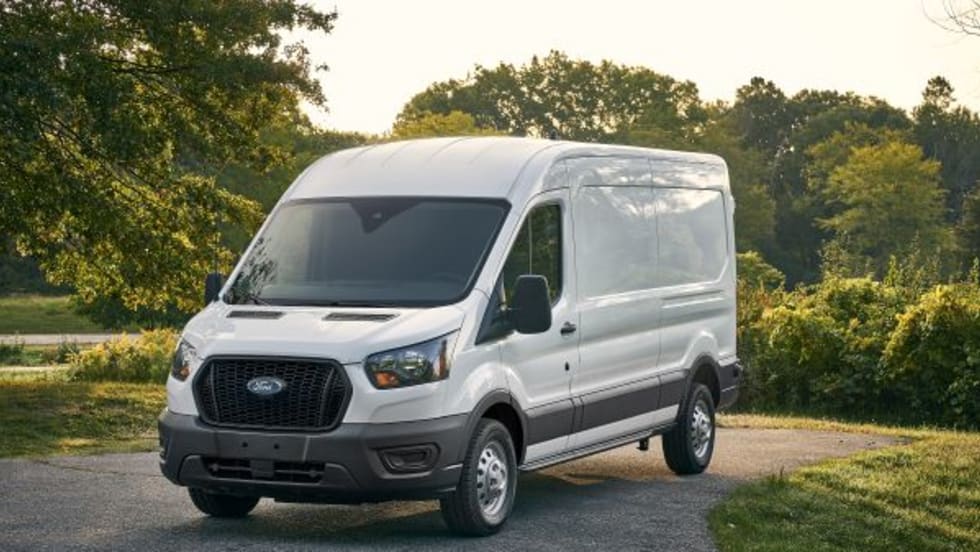
2021 Ford Transit Offers Versatility for Fleets
For the 2021-MY, Ford made ergonomic enhancements for drivers and added an available Parcel Delivery Package. This follows a major refresh in 2020, which added a Crew version, a new standard engine, standard active safety technologies, and embedded telematics to the Transit van family.
Read More →
Recognizing the Other Essential Drivers
Vocational and business fleet drivers don’t get the attention that truckers do. Yet they too are on the front lines, and their jobs often bring them into uncontrolled environments every day.
Read More →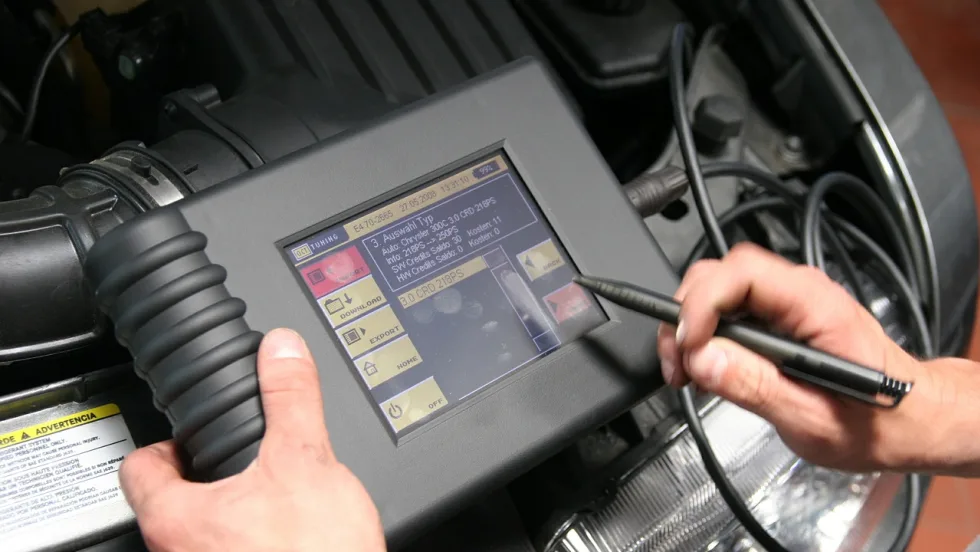
It’s Time to Formulate an ADAS Game Plan
As proliferation of Advanced Driver Assistance Systems (ADAS) increases, skilled labor, equipment, and training costs will increase as well. Fleet operators can’t mitigate these financial burdens by cutting corners on ADAS recalibration and repairs.
Read More →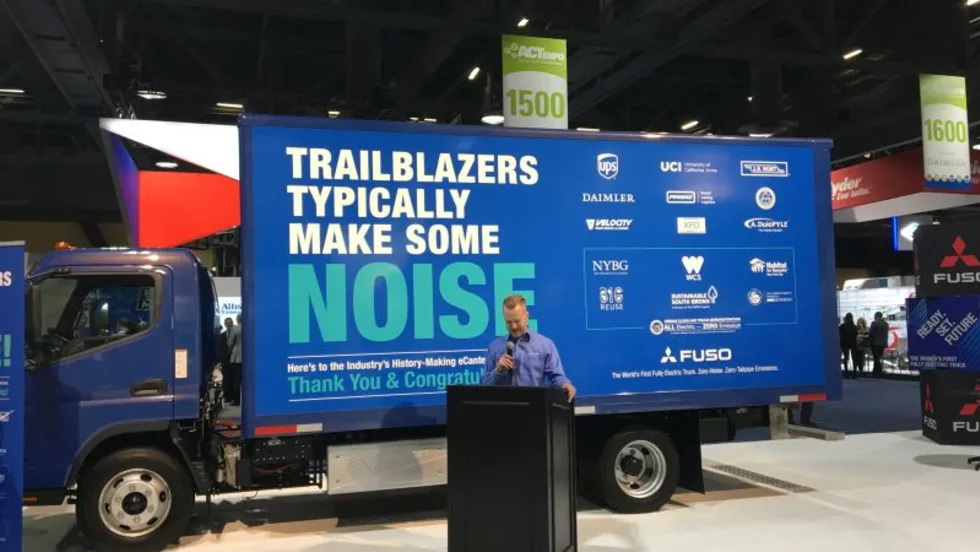
The Future is Electric, But…
With an increasing emphasis on emissions reductions mandates, will fleet operators get caught between clean technologies on their way out and an electric future that hasn’t yet arrived?
Read More →
6 Trend Lines from the 2019 Work Truck Show
From giant leaps in torque and towing to heavy duty truck personalization and chassis cab styling, these trends emerged from this year’s Work Truck Show in Indianapolis.
Read More →
They’re Coming for Your Diesel
In Southern California and other parts of the world, regulators are coalescing to ban, or severely curtail, diesel vehicles. There’s a growing disconnect with the mandates to green the environment and the availability of products and technologies to get us there.
Read More →
Hey Cannabis Companies, Welcome to Fleet
An industry is forming, and it needs help with fleet. In the meantime, the fleet industry should know that these new businesses are navigating extraordinary circumstances, which is forcing them to be better fleet operators pretty darn quick.
Read More →
Takeaways from the Fleet Forward Conference
Most attendees — from established fleets and vendors to new players that were only formed five years ago — didn’t know anyone. But that’s exactly the point.
Read More →
Is it Time to Rethink How Drivers Are Paid?
With the ELD rule affecting miles driven, and drivers’ duties increasingly including more than just driving the vehicle, what can be done to more accurately and fairly reflect a driver’s workday?
Read More →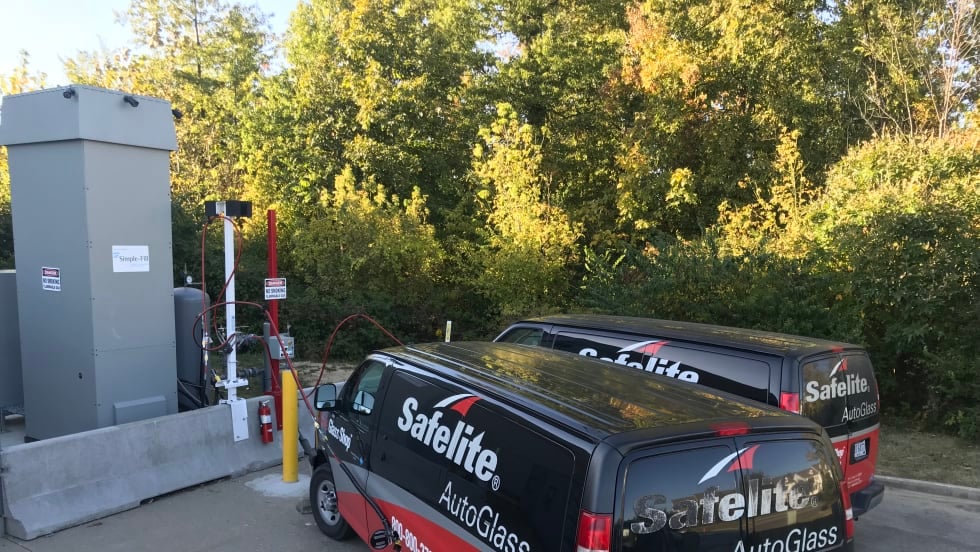
Whatever Happened to CNG?
While the light-duty market for compressed natural gas vehicles has almost evaporated, new near zero emissions technology and drastic reductions in infrastructure costs have reinvigorated the market for medium- and heavy-duty applications — even for smaller fleets.
Read More →