


Can Leasing Work for High-Mileage Fleets?
“I run high miles on my vans, so leasing isn’t for me,” is a common refrain — from the uneducated small-fleet administrator.

“I run high miles on my vans, so leasing isn’t for me,” says Jeb Lopez of Wheelz Up. Lopez throttled his new business into overdrive in two short years, putting 45 vans on the road since 2012 to service his auto parts supply business. The vans average about 30,000 miles per year. What Lopez doesn’t know is that leasing could be for him.
Perhaps based on knowledge of retail leasing and the low mileage caps — and subsequent end-of-term overage penalties — or advice from a sales-oriented dealer, the idea that leasing isn’t appropriate is a common refrain from small business owners.
“We don’t mind miles,” says Jack Leary, president of Motorlease Corp., a fleet leasing and management company based in Connecticut. “There is always a fleet leasing program that will recognize actual fleet usage. We do closed-end leases at 70,000 miles a year if the client needs it. As long as we can estimate the vehicle’s residual value, we can give clients what they need.”
Leary is referring to the fact that the two major commercial lease types — closed- and open-end leases — are written specifically to the duty cycles of each fleet. “[Fleet administrators] will pay for what they consume, but they’re not penalized for high mileage,” he says.
Separate from sourcing fleet vehicles through dealerships, Motorlease and other fleet management companies specialize in commercial leasing for fleets of all sizes. However, while the vast majority of commercial leases written at the dealership level are closed end, both Ford (CommerciaLease) and Ally (ComTRAC) offer customizable open-end leases.
Not only is leasing an option for small fleets, in high-mileage situations, it may be more advantageous than purchasing. “There can be a tax advantage to leasing over financing for high-mileage fleets,” says Tom Coffey, vice president of sales and marketing for Merchants Fleet Management.
To comply with FASB accounting standards and IRS rules, automobiles purchased for business must be depreciated over a five-year period. Fleets running high miles, say 30,000 miles a year, may decide to cycle out of the vehicle in two to three years. In certain circumstances, “You’re very possibly looking at a capital loss on your books, a charge against earnings,” Coffey says.
From a leasing perspective, fleets are still limited on how much you can write off, Coffey says, but generally have the flexibility to write off more of the capitalized cost of the vehicle quicker than an ownership situation.
Leasing is also beneficial in two-thirds of states that are “use-tax” states. In those states, companies pay use or rental tax based on the monthly payment, not the acquisition price of the vehicle. With a lease in these states, you’re paying tax on the portion of the vehicle’s value that you’re using in fleet, as opposed to paying the full tax upfront in an ownership situation. This is a particular benefit for high-mileage fleets that cycle vehicles more quickly.
Commercial fleet leasing does not require a down payment, and certain leases offer “off-balance sheet financing.” So for new and rapidly growing businesses such as Wheelz Up — especially ones with high inventories and carrying costs — leasing frees up capital for core business needs instead of tying up lines of credit. “Growing businesses need that cash,” Leary says.
“We can help scale up your business without having to outlay all that cash,” says Travis Mjolsnes, director of business development – small business and vehicle solutions for GE Capital Fleet Services.
For new fleets that have been bombarded over the years with advertised come-on retail lease deals, education on commercial leases is part of the challenge. When you add in the money down on a retail lease and potential fees or adjustments at lease termination — or considering that the buyout of the vehicle may be prohibitively high — “You’ll be paying for it ultimately,” Mjolsnes says, adding that it’s important for fleets to break down their total vehicle expenditures to cents per mile.
When some of these facts were brought up to Jeb Lopez, he acknowledged some of leasing’s benefits. “I'm going to take a look at it again,” he says. “I'm going to research before we purchase more.”
More Blog Posts
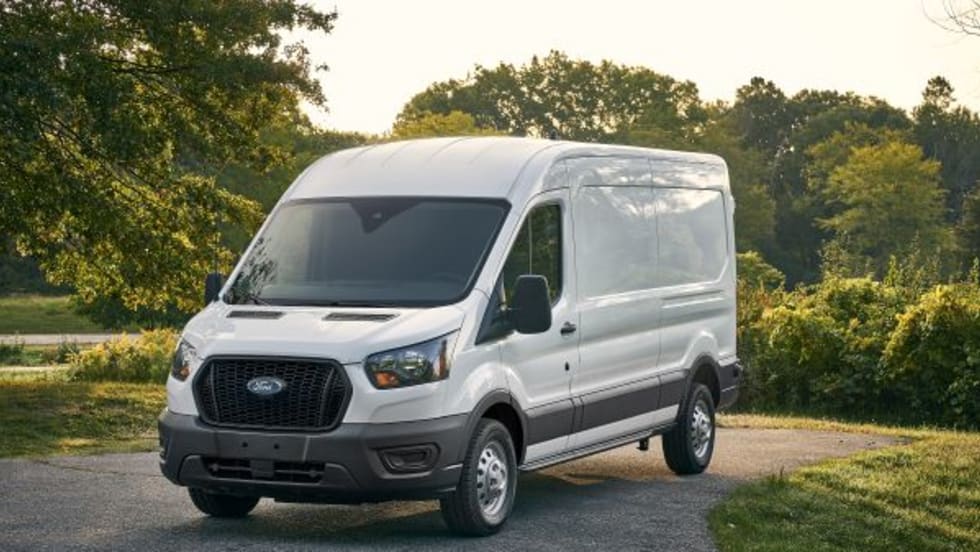
2021 Ford Transit Offers Versatility for Fleets
For the 2021-MY, Ford made ergonomic enhancements for drivers and added an available Parcel Delivery Package. This follows a major refresh in 2020, which added a Crew version, a new standard engine, standard active safety technologies, and embedded telematics to the Transit van family.
Read More →
Recognizing the Other Essential Drivers
Vocational and business fleet drivers don’t get the attention that truckers do. Yet they too are on the front lines, and their jobs often bring them into uncontrolled environments every day.
Read More →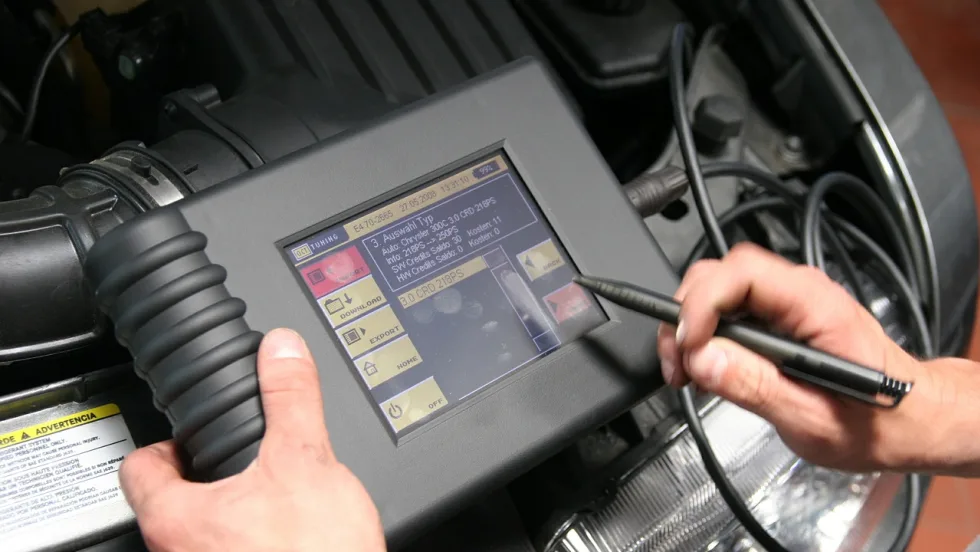
It’s Time to Formulate an ADAS Game Plan
As proliferation of Advanced Driver Assistance Systems (ADAS) increases, skilled labor, equipment, and training costs will increase as well. Fleet operators can’t mitigate these financial burdens by cutting corners on ADAS recalibration and repairs.
Read More →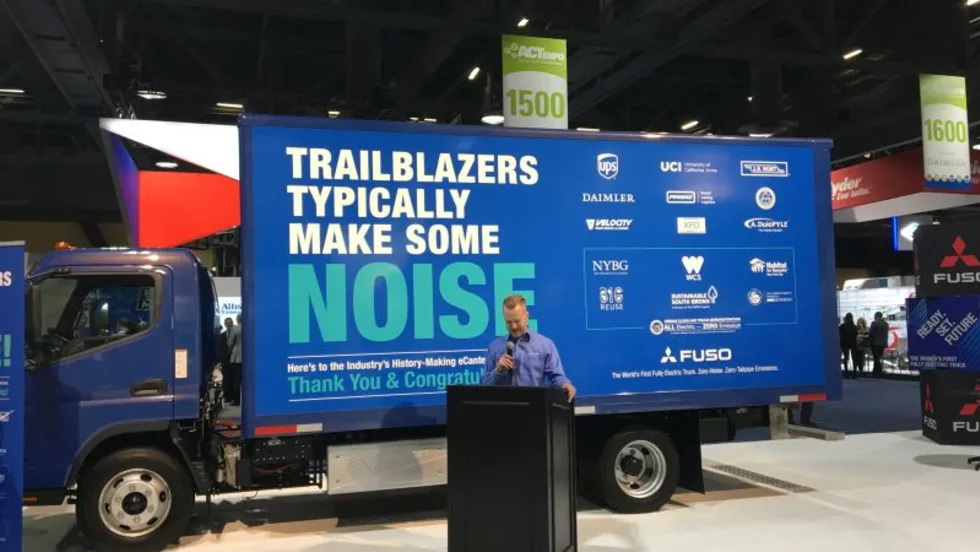
The Future is Electric, But…
With an increasing emphasis on emissions reductions mandates, will fleet operators get caught between clean technologies on their way out and an electric future that hasn’t yet arrived?
Read More →
6 Trend Lines from the 2019 Work Truck Show
From giant leaps in torque and towing to heavy duty truck personalization and chassis cab styling, these trends emerged from this year’s Work Truck Show in Indianapolis.
Read More →
They’re Coming for Your Diesel
In Southern California and other parts of the world, regulators are coalescing to ban, or severely curtail, diesel vehicles. There’s a growing disconnect with the mandates to green the environment and the availability of products and technologies to get us there.
Read More →
Hey Cannabis Companies, Welcome to Fleet
An industry is forming, and it needs help with fleet. In the meantime, the fleet industry should know that these new businesses are navigating extraordinary circumstances, which is forcing them to be better fleet operators pretty darn quick.
Read More →
Takeaways from the Fleet Forward Conference
Most attendees — from established fleets and vendors to new players that were only formed five years ago — didn’t know anyone. But that’s exactly the point.
Read More →
Is it Time to Rethink How Drivers Are Paid?
With the ELD rule affecting miles driven, and drivers’ duties increasingly including more than just driving the vehicle, what can be done to more accurately and fairly reflect a driver’s workday?
Read More →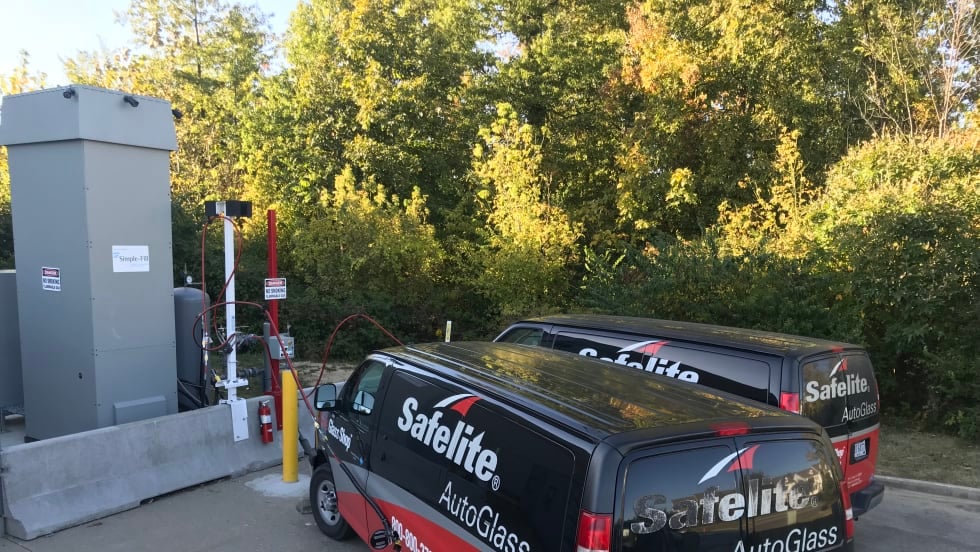
Whatever Happened to CNG?
While the light-duty market for compressed natural gas vehicles has almost evaporated, new near zero emissions technology and drastic reductions in infrastructure costs have reinvigorated the market for medium- and heavy-duty applications — even for smaller fleets.
Read More →