


The Off-Leases are Coming! Are You Ready?
The used car market will face a confluence of factors to make 2016 a challenging year.

“The off-leases are coming! The off-leases are coming!” Like Paul Revere, we’ve been shouting this warning for two years now. Finally, the ramp up in lease penetration is starting to hit the used car market — bringing lower vehicle values along for the ride. “Leasing has been increasing at a fairly steady rate over the last couple of years,” says Larry Dixon, senior manager, market intelligence for NADA Used Car Guide.
Dixon points to 2013 as a tipping point, when consumer lease penetration increased to 23.6% from 20% in 2012. “That’s a significant jump at a time when new vehicle deliveries were increasing, too,” Dixon says.
Of that 2012 to 2013 increase of about 1.1 million units, 61% can be attributed to consumer leases. While the market is absorbing increased lease returns today, the stream turns into a river in 2016.
There’s no question that increased supply will temper values, but we shouldn’t say the sky is falling. As Manheim Chief Economist Tom Webb noted in his monthly conference call last week, a market free fall happens when supply increases are met by a drop in retail demand, driven by tightening credit conditions or a bad economy. These scenarios aren’t likely.
Forecasts call for a rise in interest rates, which would drive up the cost of money for fleet buyers, but this shouldn’t temper a solid retail demand environment too severely. Nonetheless, a confluence of factors will make 2016 a challenging year.
Of ongoing concern to rental fleets is the particular weakness in the two popular rental segments, compact and midsize cars. The compact segment continues to be the weakest, with prices dropping 7.2% in June compared to a year ago, according to Manheim. Midsize cars were also down on a more modest decline.
Compounding the issue is increased lease penetration in the compact and midsize segments, as well as with compact crossovers, which have gone from 15%-20% to 25%, according to Dixon.
The typical consumer lease, written for three years and 36,000 miles, will be competing with de-fleeted rental units in the 30,000-mile range in the auction lanes. Two-year retail leases with fewer miles will provide even stiffer competition. What’s the takeaway? The wholesale market will soon be heavy with compact and midsize cars in the same mileage band.
Two years ago, it wasn’t hard to look like a genius in managing fleet costs. That’s not the case today. It’s time to revisit the plan and renew those best practices. Certified, pre-owned (CPO) sales are robust. Can you lock down on your de-fleeting strategy to make sure your units make the CPO cut?
Trucks and vans continue their strong value retention, with the SUVs and crossovers not far behind. Does your business model support fleeting up in these segments?
Does a softening wholesale market present an opportunity to fleet up with more used units?
With an abundance of models in the compact and midsize segments, unexpected deals for new units might present themselves. Are you in a position with your lender to ask for a credit line increase to take advantage?
Somewhat surprisingly, the used car market has held up quite well, thank you very much. Some, including me, thought prices wouldn’t have held up this well for so long. Independent of supply and demand, Dixon and others cite the increased intelligence of wholesale buyers and retail sellers as contributing factors.
“There is a greater degree of efficiency today on the part of the dealer body,” Dixon says, “in knowing when to buy, what to buy and knowing demand in a particular area for a given vehicle.”
In addition to off-leases, retail units in general — new vehicles sold in 2010 and 2011 during the Recession recovery — are returning to the market. NADA Used Car Guide projects that by 2017 supply of late-model used vehicles will be 28% higher than in 2014.
“It’s time for that churn,” Dixon says. “Increased supply is a fact.”
More Blog Posts
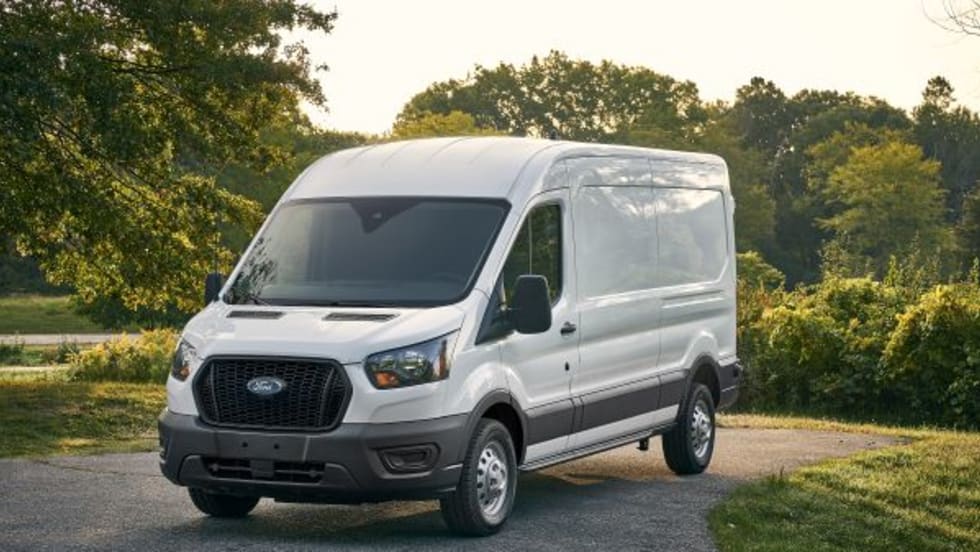
2021 Ford Transit Offers Versatility for Fleets
For the 2021-MY, Ford made ergonomic enhancements for drivers and added an available Parcel Delivery Package. This follows a major refresh in 2020, which added a Crew version, a new standard engine, standard active safety technologies, and embedded telematics to the Transit van family.
Read More →
Recognizing the Other Essential Drivers
Vocational and business fleet drivers don’t get the attention that truckers do. Yet they too are on the front lines, and their jobs often bring them into uncontrolled environments every day.
Read More →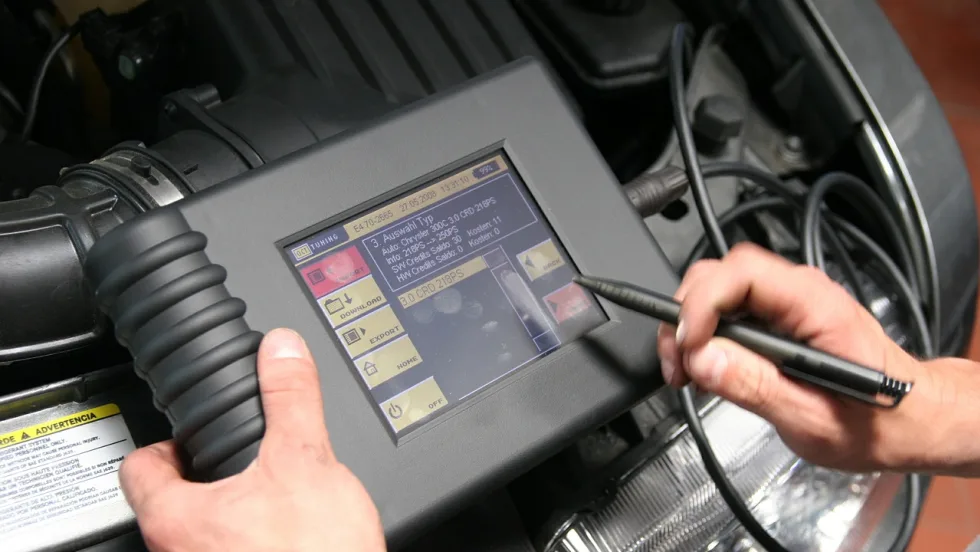
It’s Time to Formulate an ADAS Game Plan
As proliferation of Advanced Driver Assistance Systems (ADAS) increases, skilled labor, equipment, and training costs will increase as well. Fleet operators can’t mitigate these financial burdens by cutting corners on ADAS recalibration and repairs.
Read More →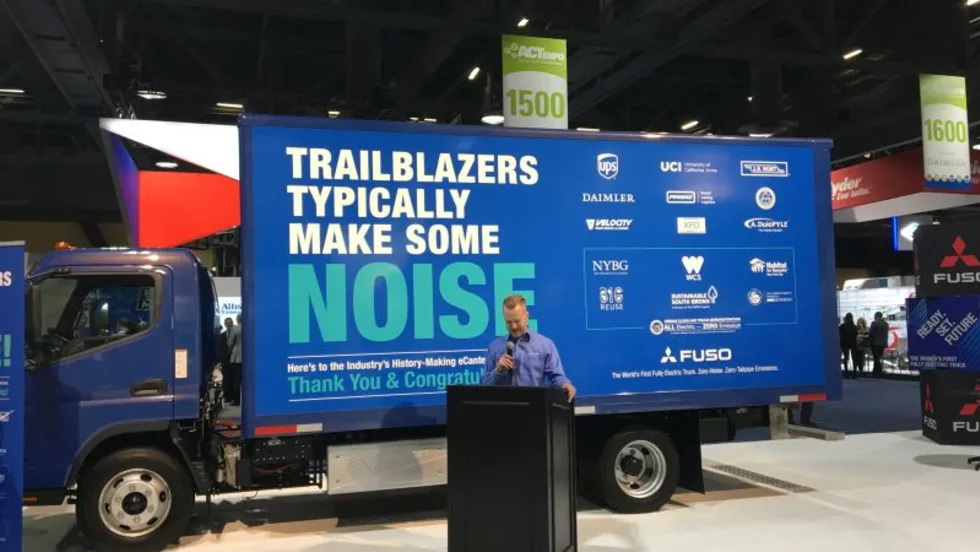
The Future is Electric, But…
With an increasing emphasis on emissions reductions mandates, will fleet operators get caught between clean technologies on their way out and an electric future that hasn’t yet arrived?
Read More →
6 Trend Lines from the 2019 Work Truck Show
From giant leaps in torque and towing to heavy duty truck personalization and chassis cab styling, these trends emerged from this year’s Work Truck Show in Indianapolis.
Read More →
They’re Coming for Your Diesel
In Southern California and other parts of the world, regulators are coalescing to ban, or severely curtail, diesel vehicles. There’s a growing disconnect with the mandates to green the environment and the availability of products and technologies to get us there.
Read More →
Hey Cannabis Companies, Welcome to Fleet
An industry is forming, and it needs help with fleet. In the meantime, the fleet industry should know that these new businesses are navigating extraordinary circumstances, which is forcing them to be better fleet operators pretty darn quick.
Read More →
Takeaways from the Fleet Forward Conference
Most attendees — from established fleets and vendors to new players that were only formed five years ago — didn’t know anyone. But that’s exactly the point.
Read More →
Is it Time to Rethink How Drivers Are Paid?
With the ELD rule affecting miles driven, and drivers’ duties increasingly including more than just driving the vehicle, what can be done to more accurately and fairly reflect a driver’s workday?
Read More →
Whatever Happened to CNG?
While the light-duty market for compressed natural gas vehicles has almost evaporated, new near zero emissions technology and drastic reductions in infrastructure costs have reinvigorated the market for medium- and heavy-duty applications — even for smaller fleets.
Read More →