


Trends Moving the Truck Market
Storylines that emerged from the 2018 Work Truck Show include the increasing need for on-site productivity, inclusion of active safety systems in trucks, DPF frustrations affecting product decisions, data management, and the growing link between fleet management and company revenue.

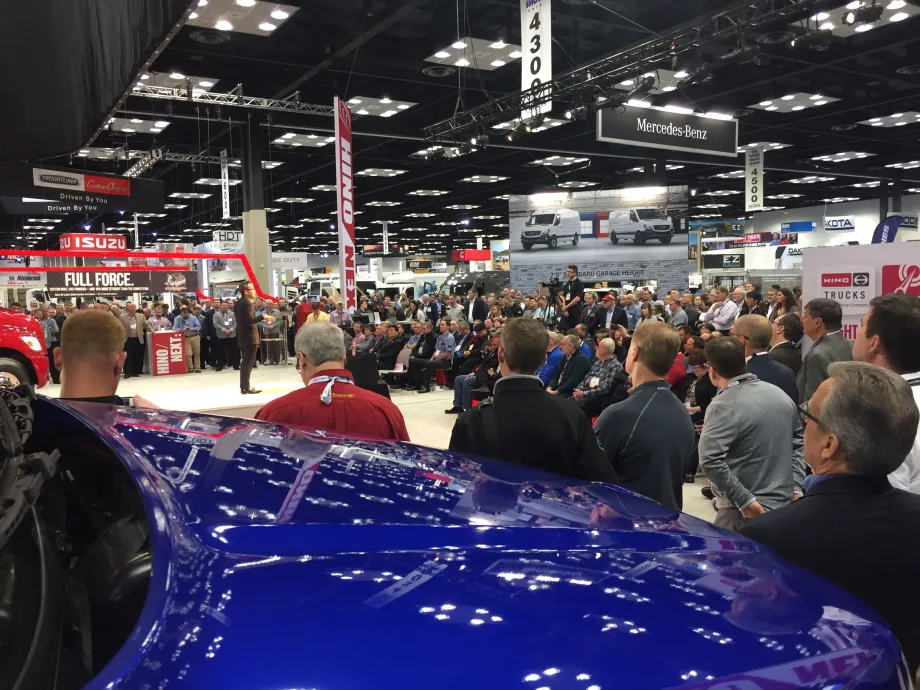
The announcement of the new Hino XL, Hino's first entry into the North American Class 8 market, was the Work Truck Show's largest press conference to date. (Photo by Chris Brown)
The announcement of the new Hino XL, Hino's first entry into the North American Class 8 market, was the Work Truck Show's largest press conference to date. (Photo by Chris Brown)
A testament to a robust economy, the steady incline of Class 4 to 6 truck sales, and a continuing onslaught of new products and services, NTEA’s Work Truck Show has become an annual pilgrimage for equipment makers, technology providers, chassis manufacturers, upfitters, OEMs, and fleets. With roots in equipment spec’ing, the show has evolved to include major truck launches — this year’s announcements of General Motors’ reentry into medium duty and Hino’s first North American foray into Class 8 couldn’t get any bigger.
Thus the Work Truck Show is a worthy weather vane of the truck market. Certainly, there are many more trend lines than one editor could gather or would fit reasonably in these confines.
The winds have been blowing away from compressed natural gas (CNG) for a few years now, as witnessed by the lack of CNG-specific exhibitors in the Productivity and Fuels Pavilion. Some players, such as Venchurs Vehicle Systems, still serve the existing market but are using their facilities for custom fleet upfitting and conversions.
Meanwhile, with a low cost of entry and low cost of fuel, propane autogas is the little alt-fuel engine that could. Though the overall market size of propane-powered units is still south of 200,000, market leader Roush CleanTech saw a 60% increase in orders in 2017. Roush is now concentrating on Class 4 to 6, says Todd Mouw, the company’s recently appointed president. Why? “Folks have little reason to move from gas, but they’re motivated to move away from diesel,” Mouw said.
This was backed up by conversations with two government fleet managers who said their biggest job challenges are dealing with diesel particulate filters (DPFs) and diesel maintenance in general. (And finding qualified fleet mechanics.)
Biodiesel proponents say that the alt-fuel may never be “sexy,” as it doesn’t require any engine modifications, but will continue to grow, particularly as states mandate its use as a blend. In May 2018, all diesel fuel from pumps in Minnesota will contain 20% biodiesel (B20). “That will be a good test case for other states’ initiatives,” said Cody Graham, communications for the National Biodiesel Board.
Electrification has grown exponentially in passenger cars, and “mild” hybridization with start-stop technology has bled into the work truck market, giving updated models such as the 2019 Ford Transit Connect and Ram 1500 Tradesman a torque boost with better fuel economy.
Yet full electrification for work trucks is still in testing phase.
This year Isuzu unveiled a battery-electric N-Series cabover “research vehicle” to understand fleet applications. Mitsubishi Fuso’s eCanter, available in Germany, Japan, and the U.K., will undergo fleet testing stateside this year.
Product is coming online, but cost is still a barrier — an aftermarket electrification system on a $40,000 Ford Transit could cost $80,000. The market is concentrated in New York, Chicago, and mostly California, due to generous grants such as the ones available through CalStart’s HVIP program. As a rule of thumb, the grants pay 80% of the electrification premium; the customer pays 20%.
On the Class 8 front — Elon Musk’s recent on-road test notwithstanding — many are challenging the intended production start in 2019 of the all-electric Tesla Semi.
Active safety features are also migrating from cars to trucks, moving beyond backup cameras and audible warnings, and they’re becoming standard. Show attendees donned virtual reality headsets to experience how the 2019 Ford Transit Connect brakes for you in an emergency.
On-site connectivity is becoming a “must have” in the form of in-cab 4G LTE Wi-Fi hotspots, as mobile workers press for increased productivity and response time.
New technology solutions are extending beyond the truck to help fleet operators better process their fire hose of fleet data. Fleet services provider ARI is testing voice-enabled systems integration using Amazon’s Alexa, which connects to ARI’s web-based portal and frees up users from a computer screen.
The test provides a window into the future of fleet management — the goal is to integrate artificial intelligence, Internet of Things, and virtual agents to improve fleet efficiencies, said Don Woods, ARI’s director of client information services.
Though we’ve been tracking vehicles with GPS for a generation, we’re still scraping the surface of the benefits of connectivity and big data in work trucks. “It’s mandatory for a fleet operator to track these three major pillars: safety, efficiency, productivity,” said Dave Sauer of Ram, which announced a telematics partnership with Verizon.
We’re finally getting to the point where fleets can not only order telematics from the factory as just another option; they can connect multiple makes and models. The technology is not yet open source, however, as you’ll still need to connect through a single provider. The main player is Verizon Connect (née Verizon Telematics), which has agreements with 16 OEMs — and counting — for factory-installed telematics.
Verizon is specifically moving beyond the word “telematics,” because we’re moving toward a holistic view of productivity that joins mobile workers, dispatching, vehicle data, and workflow with customer profiles. Have you heard of the new C-suite title, Chief Revenue Officer? Fleet management is becoming an intrinsic part of the profitability pie.
More Blog Posts
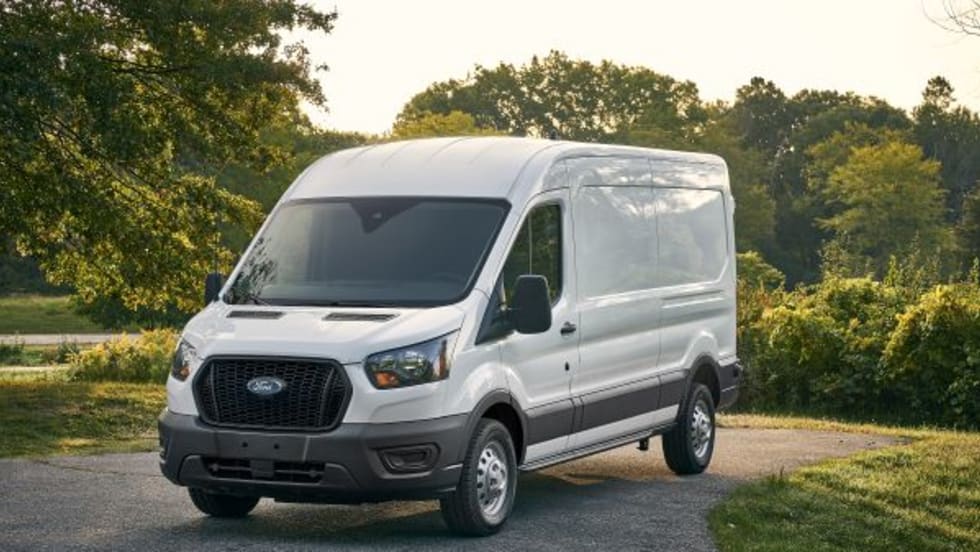
2021 Ford Transit Offers Versatility for Fleets
For the 2021-MY, Ford made ergonomic enhancements for drivers and added an available Parcel Delivery Package. This follows a major refresh in 2020, which added a Crew version, a new standard engine, standard active safety technologies, and embedded telematics to the Transit van family.
Read More →
Recognizing the Other Essential Drivers
Vocational and business fleet drivers don’t get the attention that truckers do. Yet they too are on the front lines, and their jobs often bring them into uncontrolled environments every day.
Read More →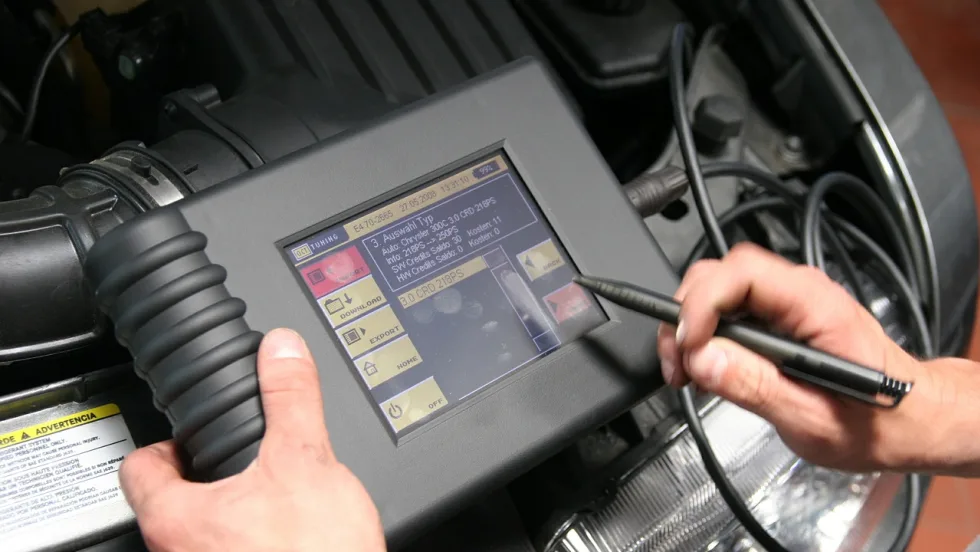
It’s Time to Formulate an ADAS Game Plan
As proliferation of Advanced Driver Assistance Systems (ADAS) increases, skilled labor, equipment, and training costs will increase as well. Fleet operators can’t mitigate these financial burdens by cutting corners on ADAS recalibration and repairs.
Read More →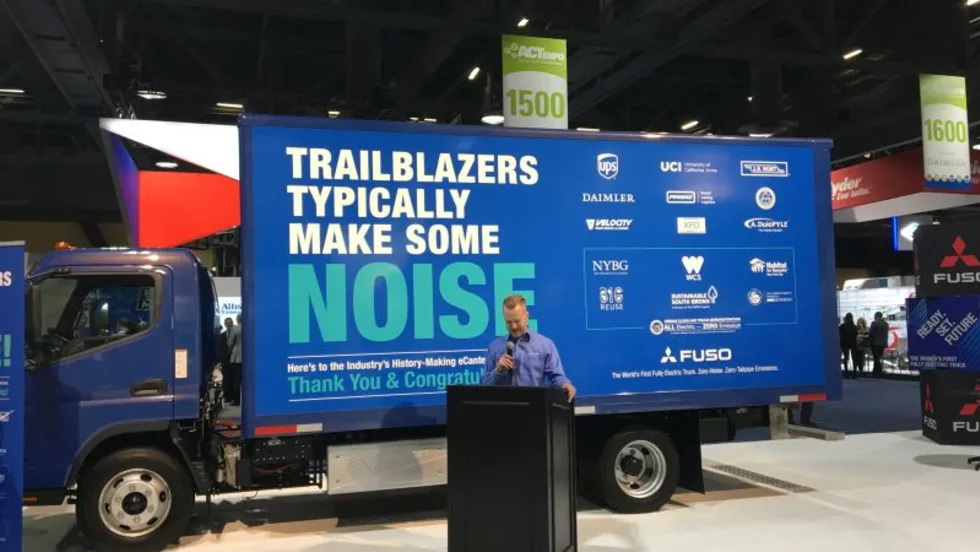
The Future is Electric, But…
With an increasing emphasis on emissions reductions mandates, will fleet operators get caught between clean technologies on their way out and an electric future that hasn’t yet arrived?
Read More →
6 Trend Lines from the 2019 Work Truck Show
From giant leaps in torque and towing to heavy duty truck personalization and chassis cab styling, these trends emerged from this year’s Work Truck Show in Indianapolis.
Read More →
They’re Coming for Your Diesel
In Southern California and other parts of the world, regulators are coalescing to ban, or severely curtail, diesel vehicles. There’s a growing disconnect with the mandates to green the environment and the availability of products and technologies to get us there.
Read More →
Hey Cannabis Companies, Welcome to Fleet
An industry is forming, and it needs help with fleet. In the meantime, the fleet industry should know that these new businesses are navigating extraordinary circumstances, which is forcing them to be better fleet operators pretty darn quick.
Read More →
Takeaways from the Fleet Forward Conference
Most attendees — from established fleets and vendors to new players that were only formed five years ago — didn’t know anyone. But that’s exactly the point.
Read More →
Is it Time to Rethink How Drivers Are Paid?
With the ELD rule affecting miles driven, and drivers’ duties increasingly including more than just driving the vehicle, what can be done to more accurately and fairly reflect a driver’s workday?
Read More →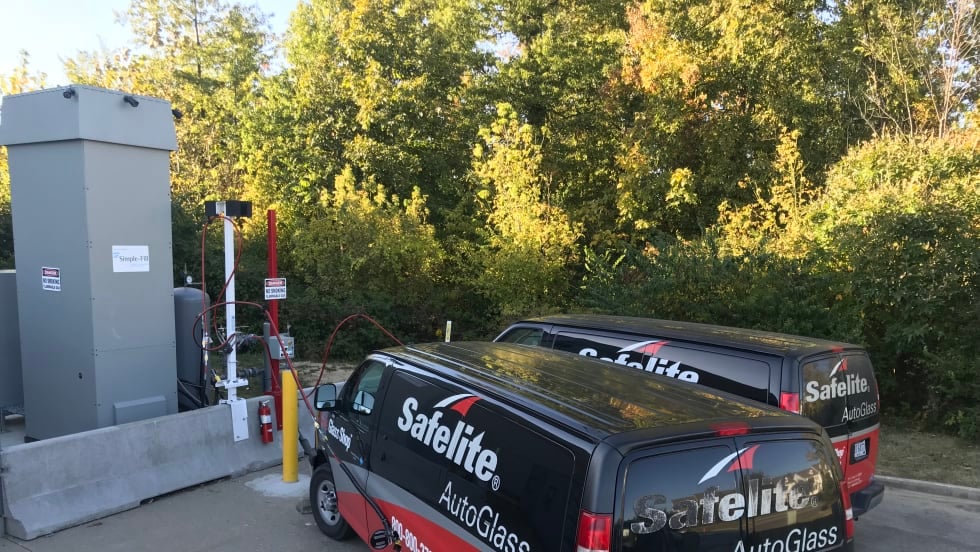
Whatever Happened to CNG?
While the light-duty market for compressed natural gas vehicles has almost evaporated, new near zero emissions technology and drastic reductions in infrastructure costs have reinvigorated the market for medium- and heavy-duty applications — even for smaller fleets.
Read More →