



Related: CARB Ups Sales Targets for Electric Trucks in California
CARB Passes Advanced Clean Trucks Rule
The new California Air Resources Board standard mandates that by 2045, every new truck sold in California will be zero-emission.
June 26, 2020
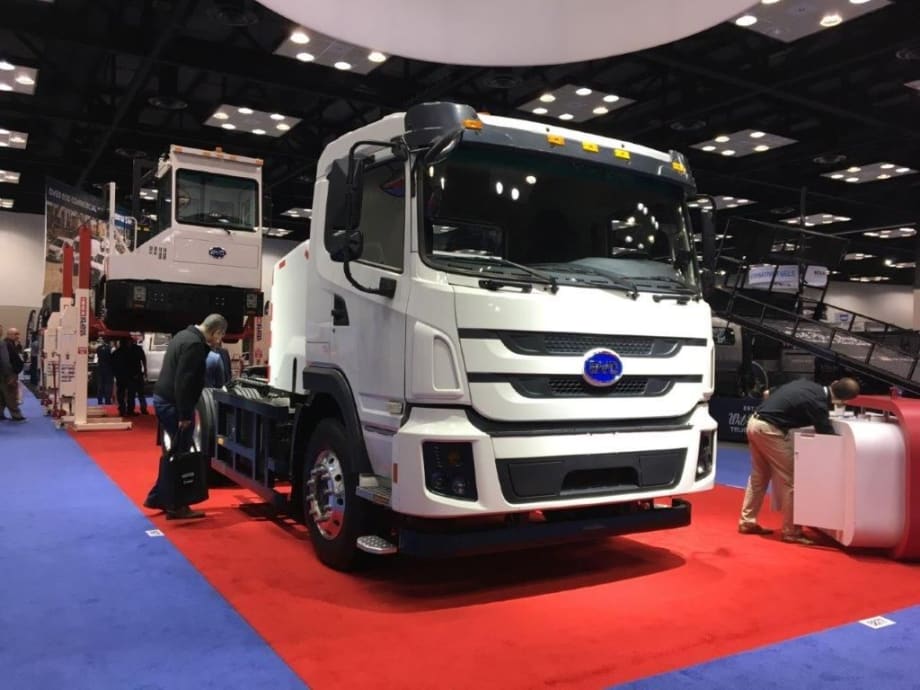
By 2035, zero-emission truck/chassis sales would need to be 40% of truck tractor sales, which would include the all-electric BYD 8TT, displayed at the 2020 Work Truck Show in Indianapolis.
Photo by Chris Brown.
3 min to read
The California Air Resources Board on June 25 unanimously adopted the first statewide zero-emission commercial truck requirement, the Advanced Clean Trucks rule.
The main component of the rule is an electric truck sales standard. Manufacturers who certify Class 2b-8 chassis or complete vehicles with combustion engines would be required to sell zero-emission trucks as an increasing percentage of their annual California sales from 2024 to 2035.
By 2035, zero-emission truck/chassis sales would need to be 55% of Class 2b to Class 3 straight truck sales, 75% of Class 4 to Class 8 straight truck sales, and 40% of truck tractor sales.
By 2045, every new truck sold in California will be zero-emission.
Trucks are the largest single source of air pollution from vehicles, responsible for 70% of the smog-causing pollution and 80% of carcinogenic diesel soot even though they number only 2 million among the 30 million registered vehicles in the state, according to CARB.
According to a press statement by CARB, the new requirement to shift to zero-emission trucks and cars will help California meet its climate goals and federal air quality standards, especially in the Los Angeles region and the San Joaquin Valley, which suffer the highest levels of air pollution in the nation.
New NOx Emissions Rules on the Way
In the coming months, CARB will also consider two complementary regulations to support this action, the organization stated.
The first sets a stringent new limit on NOx (oxides of nitrogen), one of the major precursors of smog. This will require that new trucks that still use fossil fuels include the most effective exhaust control technology during the transition to electric trucks. There is also a proposed requirement for larger fleets in the state to transition to electric trucks year over year.
Today’s action was preceded by multiple CARB regulations to transition to zero-emission passenger cars, cleaner diesel fuel and improved technologies to limit diesel emissions for all trucks and buses. Over the past few years, CARB has also set rules to electrify buses used by transit agencies and shuttles at the state’s largest airports by 2030.
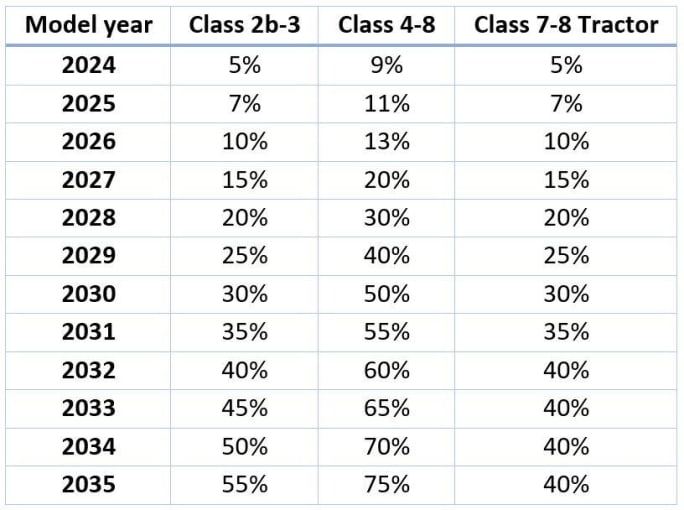
The chart shows the percent of new truck sales by Class that must be zero-emission through 2035.
Chart courtesy of NRDC (Natural Resources Defense Council).
Reactions to CARB Electric Trucks Rule Mixed
Environmental groups hailed the decision.
"Today California took a significant step forward, demonstrating how states can play a pivotal role in charting a new course for the country to protect public health while building the backbone of a cleaner, more equitable economy," said Patricio Portillo, transportation analyst with the Natural Resources Defense Council, in a statement.
However, during the public comment process, trucking and other groups expressed concern over the increased cost for the technology and unknowns over battery range and durability.
Trillium, Love’s alternative fuels business unit, said the rule “sets nearly impossible goals for deployment of currently non-existent heavy-duty vehicles as targets, falls short in optimizing emissions from non-zero-emissions vehicles, and excludes private enterprise from the infrastructure/refueling space altogether.
“In short, this rule picks unproven technologies as the way forward with no backup plan, and sets up no means for private enterprise to deliver on these lofty promises.” The Trillium letter said.
In an announcement sent out shortly before the CARB decision, the Diesel Technology Forum suggested that faster adoption of the latest clean-diesel technology could help meet air quality goals. In a statement, Forum Executive Director Allen Schaeffer said California's regulatory environment has resulted in fleets keeping older, higher emitting trucks on the road for longer, and that only 36% of registered diesel trucks in the state are of the newest generation diesel emissions technology, "falling short of the national average of 43%, and well behind Indiana where over 65% of all registered trucks are of the newest generation."
"Today, diesel engines using renewable diesel fuel and blends of biodiesel fuels in California are delivering more greenhouse gas benefits than all electric vehicles combined," he said. "The replacement of older trucks in California with more efficient new diesel models, coupled with the use of these biofuels, represents a low-cost solution to deliver substantial and immediate greenhouse gas reductions compared to other approaches."
Topics:Zero-Emissions VehiclesDiesel EmissionsHydrogen-Electric TrucksElectric TrucksCARBCaliforniaGreen Fleet
Originally posted on Automotive Fleet
More Green Fleet

Fleet Forward Conference Introduces One-Day Passes for 2026
New one-day registration gives fleet professionals the flexibility to attend Tuesday, Wednesday, or Thursday, with passes available for $199 through Sept. 18.
Read More →
Teletrac Navman Adds Mixed-Energy Tracking to TN360
Energy Hub combines fuel card data, EV charging activity, reimbursements, and vehicle energy use in one dashboard for fleets operating gasoline, hybrid, and electric vehicles.
Read More →
Ford Pro e-Telematics Helps Fleet Track E-Transit Efficiency
Canadian electrical contractor Fize Electrique shares how it uses Ford Pro e-Telematics to drive and track efficiency in the battery-electric Fords in its fleet, mostly comprised of E-Transit vans, even in the brutal cold of winter.
Read More →
How to Maximize Benefits of PHEVs In Fleets
Plug-in hybrid vehicles can reduce fleets’ carbon emissions as well as range anxiety. This analysis shows the positive impacts of proper PHEV use, and the negative environmental and financial consequences if your drivers aren’t plugging them in.
Read More →
How Increased CAFE Standards Will Affect Fleets
The year 2026 will mark a turning point with multiple regulations converging to push for greater fuel economy in cars and trucks.
Read More →
How To Reimburse Electric Vehicle Drivers for Charging at Home
Calculating reimbursement for at-home EV charging requires lots of precision, but several options are available ease the process for fleets.
Read More →
Buying vs. Leasing Electric Vehicles: Pros & Cons
As your fleet plans out its electrification roadmap, consider whether buying or leasing EVs make sense for your needs. Here’s what to consider.
Read More →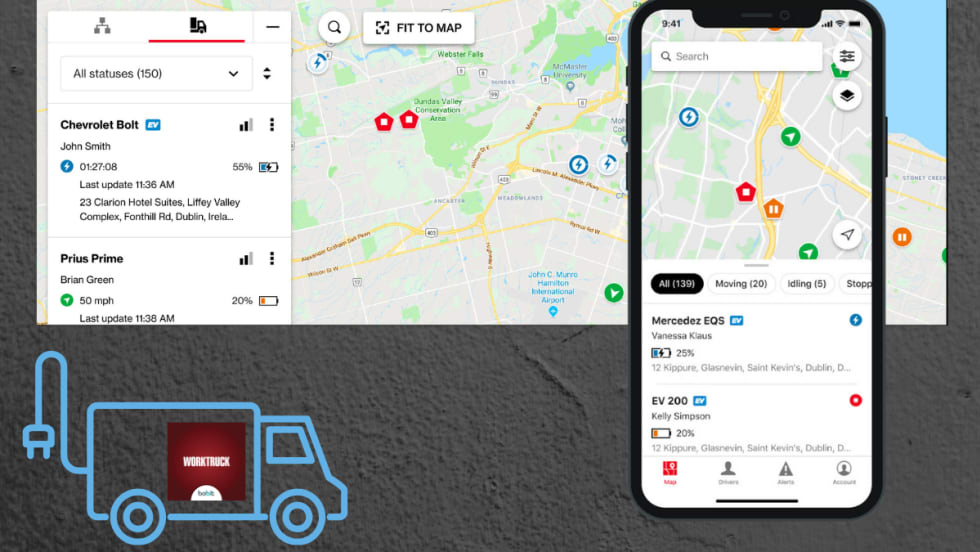
Verizon Connect Adds New EV Features to Reveal
Beginning next month, Verizon Connect Reveal customers in the U.S. and Canada will be able to more effectively support various vehicle types – both gasoline-powered and EVs – in one pane of glass.
Read More →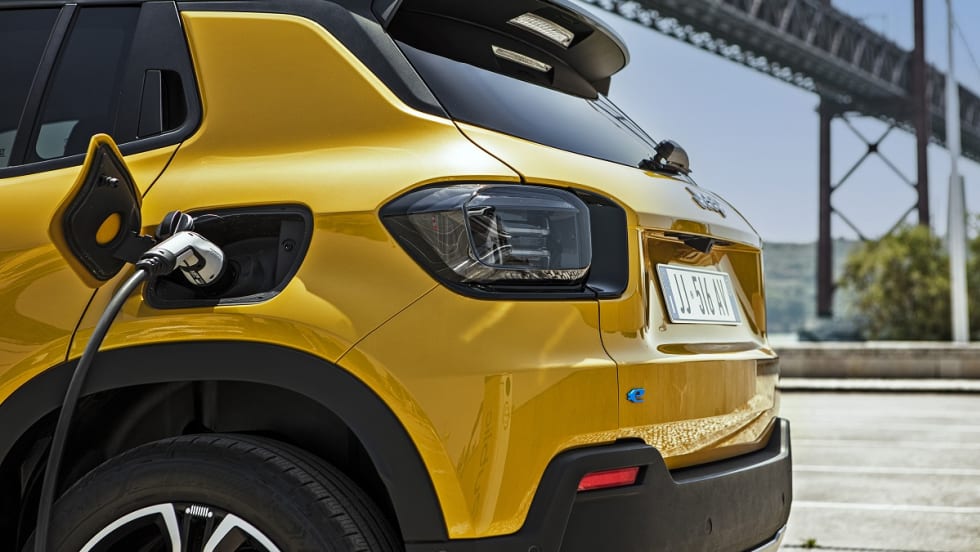
Jeep Reveals Plan for SUV Electrification
With an eye on becoming a zero-emission SUV leader, Jeep unveils its plans for four new all-electric SUVs in North America and Europe by 2025.
Read More →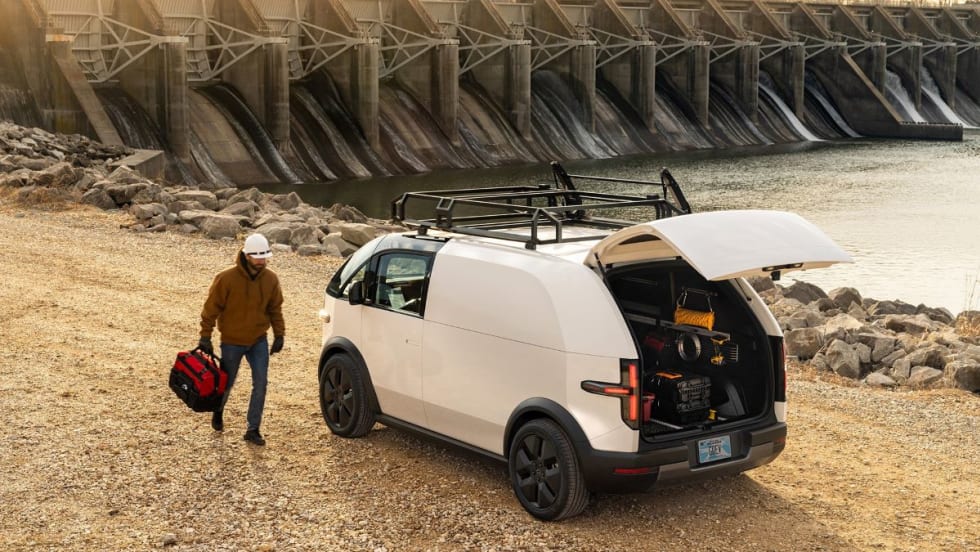
Canoo Vehicles Added to Fleet Forward Tour Dallas
Attendees will be able to ride along in the electric Canoo Lifestyle Vehicle (LV) and the Canoo Lifestyle Delivery Vehicle (LDV), along with electric passenger cars, trucks, and vans from eight other automakers.
Read More →