


Four Small Pickups Ace IIHS Crash Tests
However, the trucks don’t qualify for an IIHS safety award because they lack automatic emergency braking and their headlights are rated poorly.


Photo: IIHS
Four out of eight small pickup trucks recently evaluated by the Insurance Institute for Highway Safety earned the top rating of “good” for occupant protection in all five crashworthiness evaluations, according to IIHS.
Nonetheless, these four trucks — the Toyota Tacoma Double Cab, Chevrolet Colorado Crew Cab, GMC Canyon Crew Cab and Toyota Tacoma Access Cab — still fell short of qualifying for one of the IIHS safety awards. That’s because they lack an automatic emergency braking system and their headlights don’t meet IIHS performance standards.
IIHS engineers evaluated the crew cab and extended cab body styles of each pickup. The ratings in this round of tests apply to 2017 models. The other trucks evaluated included the Chevrolet Colorado Extended Cab, GMC Canyon Extended Cab, Nissan Frontier King Cab and Nissan Frontier Crew Cab.
In judging crashworthiness, the institute rates vehicles as “good,” “acceptable,” “marginal” or “poor,” based on performance in five tests: moderate overlap front, small overlap front, side, roof strength and head restraints. IIHS also rates the performance of front crash prevention systems and headlights.
“This group of small pickups performed better in the small overlap front test than many of their larger pickup cousins,” said David Zuby, IIHS executive vice president and chief research officer.
The small overlap test replicates what happens when a vehicle runs off the road and hits a tree or pole or clips another vehicle that has crossed the center line. The Toyota Tacoma crew cab, which Toyota calls the Double Cab, was the top performer in the small overlap test, IIHS said.
The Tacoma crew cab earned a “good” rating, with top individual scores for structure, restraints and kinematics, according to IIHS. The truck also earned “good” scores for all injury measures but the lower leg and foot, for which the truck drew an “acceptable” rating.
The Tacoma crew cab was the only small pickup drawing a “good” rating for structure in the small overlap test. Results for the extended cab, which Toyota calls the Access Cab, were similar — with the exception of an “acceptable” rating for structure. Toyota re-engineered the Tacoma for the 2016 model year.
The Chevrolet Colorado Crew Cab and its GMC Canyon Crew Cab twin also drew “good” ratings for occupant protection in the small overlap front crash. The Colorado and Canyon extended cabs garnered an “acceptable” rating, according to IIHS.
The Colorado and Canyon were redesigned for the 2015 model year. Beginning with the 2017 model year, the A-pillar, lower door-hinge pillar and door sill were reinforced to improve protection in small overlap front crashes. According to IIHS, the crew cabs’ structure and safety cage “largely resisted intrusion and preserved survival space for the driver in the small overlap test.” In the extended-cab tests, more intrusion into the driver footwell area resulted in a “poor” rating for lower leg and foot protection — compared to a “good” lower leg and foot rating for the crew cabs.
Both the Frontier King Cab and the Frontier Crew Cab drew “marginal” ratings.
“The Frontiers are the oldest designs in this group of small pickups, with no structural changes since the 2005 model year,” IIHS noted.
Beginning with 2017 models built after February, Nissan lengthened the side curtain air bags on the Frontiers to improve protection in small overlap front crashes. The side curtain air bag protected the dummy’s head from contact with side structure and outside objects in both the crew- and extended-cab tests, IIHS said.
But the Frontier’s structure also allowed “considerable intrusion into the occupant compartment, compromising driver survival space.” The footwell was pushed back toward the dummy’s legs nearly 17 inches in the crew-cab test and 14 inches in the extended-cab test.
“In a real-world crash like this, the driver would likely sustain serious injuries to the lower legs and left foot,” IIHS said.
The Frontiers earned “good” ratings in the moderate overlap front, side and roof strength test and “acceptable” ratings for head restraints. The extended-cab versions of the Colorado and Canyon earned “good” ratings in the moderate overlap front, roof strength and head restraint evaluations and “acceptable” ratings in the side test, according to IIHS.
None of the evaluated trucks are available with anything but “poor”-rated headlights, IIHS noted. The institute began rating headlights last year to encourage manufacturers to improve nighttime driving visibility and reduce glare for oncoming drivers.
Only the Colorado and Canyon pickups are available with front crash prevention. The pickups offer an optional forward collision warning system that drew a “basic” IIHS rating for front crash prevention.
The 2018 Toyota Tacoma will have a standard autobrake system with pedestrian detection and upgraded headlights that include high-beam assist.
Models that earn “good” ratings in all five IIHS crashworthiness tests and draw an “advanced” or “superior” rating for front crash prevention with standard or optional autobrake qualify for a 2017 Top Safety Pick award. Models that also have headlights that earn “good” or “acceptable” ratings qualify for a 2017 Top Safety Pick+ award.
Originally posted on Automotive Fleet
More Safety
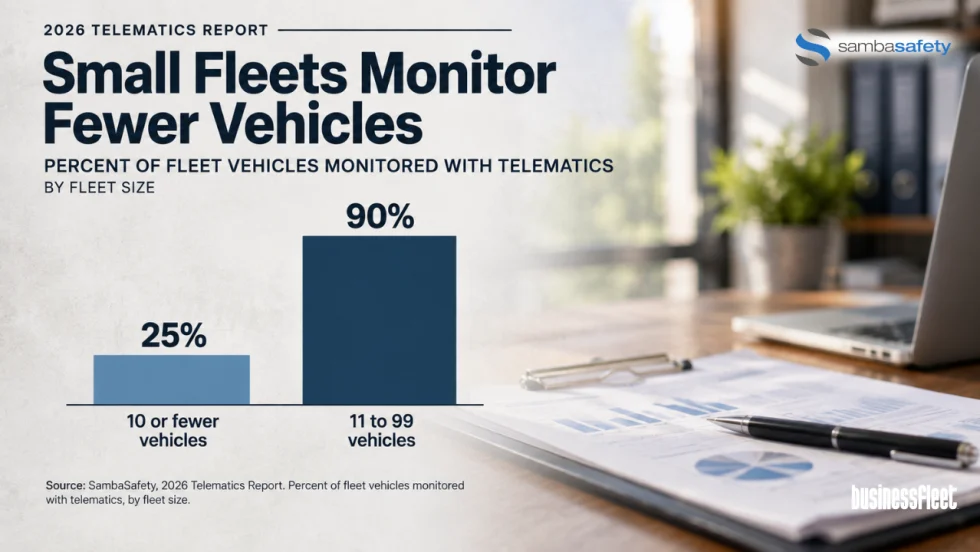
Small Fleets Lag in Telematics Coverage as Industry Moves Beyond Adoption
SambaSafety’s 2026 Telematics Report finds fleets with 10 or fewer vehicles monitor a much smaller share of their vehicles than larger operations, as the industry shifts its focus from collecting data to using it.
Read More →
Back-to-School Traffic Is Not the Risk Fleets Think It Is
Back-to-school traffic does not always mean more crashes. New Empiric Earth data shows why fleets should focus on when and where risk changes.
Read More →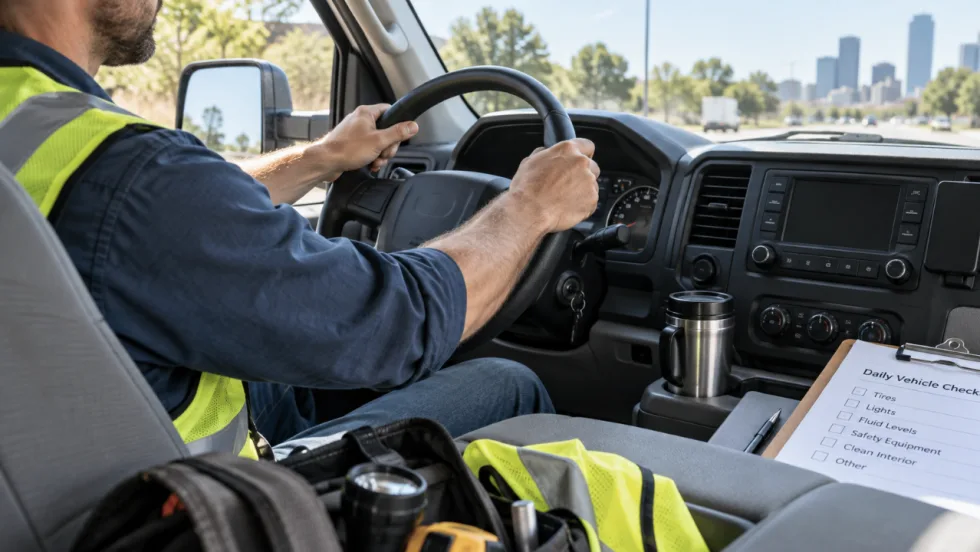
Small Fleet, Big Exposure: How to Reduce Workers’ Comp Risks
For small fleets, one crash can trigger far more than vehicle damage. Here’s how stronger driver safety policies, training, maintenance, and technology can help reduce workers’ comp exposure.
Read More →
Who Makes the Call When Winter Weather Gets Dangerous?
Winter weather can quickly change a small fleet’s plans. Knowing when to reroute, delay, or stop can matter just as much as preparing the vehicles themselves.
Read More →
API Issues Refueling Safety Guidelines
The American Petroleum Institute offers a list of safe vehicle refueling guidelines, including ways to avoid potential problems with static electricity discharges in fall, winter, and early spring.
Read More →
Winter Fleet Prep: Expert Tips to Keep Vehicles Running Smoothly
Cold weather can expose weak batteries, tires, fuel systems, and maintenance gaps fast. Use this winter fleet checklist to prepare trucks and drivers before temperatures drop.
Read More →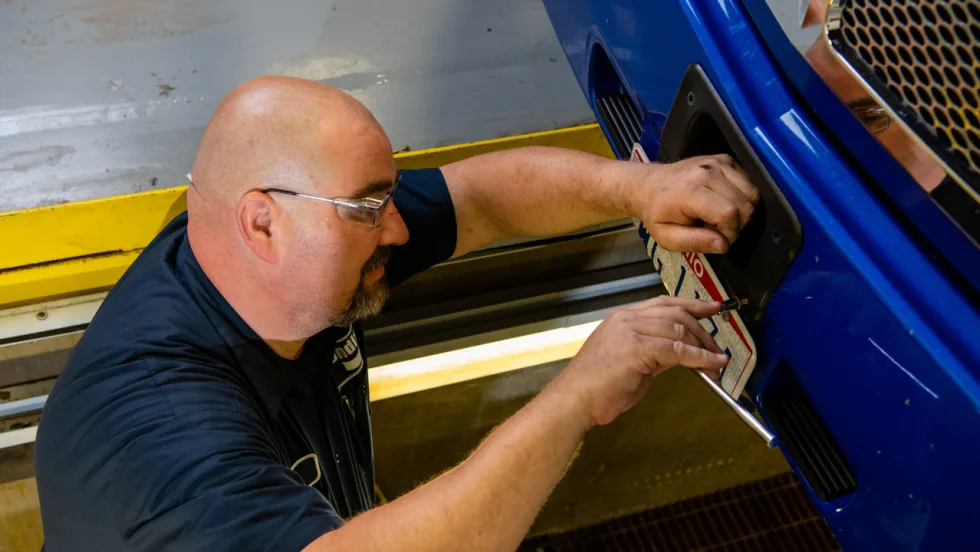
8 ADAS Maintenance Tips for Small Business Fleets From Bendix
A dirty camera, bad alignment, or one loose connection could quietly knock your fleet’s ADAS offline. Here’s what Bendix says to check.
Read More →
Developing Budget-Friendly Driver Safety Programs
From driver training and safety meetings to one-on-one coaching and incentive programs, several small fleets share how they have developed a safety culture with their drivers using low- to no-cost resources.
Read More →
A 20-Minute Safety Check for Small Fleets Before Operation Safe Driver Week
No safety department? No problem. Here's a practical checklist small fleet managers can use before Operation Safe Driver Week begins.
Read More →
Why Small Fleets Keep Getting Tripped Up by ELD Compliance
Roadcheck revealed a hard truth: most ELD violations aren't intentional. They're caused by small mistakes that can cost fleets time, money, and trust.
Read More →