


Catalytic Converter Theft Crisis: 6 Preventive Measures You Can Take
Cities across the country have reported triple, even quadruple the number of converter thefts in 2020 compared to 2019. Fortunately, there are a variety of measures you can do to prevent this from happening to your fleet.

Thieves often use an electric "Sawzall" hacksaw to remove catalytic converters, as happened to this vehicle owner who posted his experience on Flickr. Catalytic converters are easy to access. Thieves roll under the vehicle and can cut one out in about a minute.
Photo: Work Truck
Catalytic converter theft has been a problem in the U.S. for decades, but reported cases have skyrocketed across the nation over the past year. All vehicles made after the year 1974 have catalytic converters, and while some are more prone to theft than others, almost every vehicle owner is at risk.
Getting your converter stolen is not only annoying, it is expensive as well. The typical cost of replacement ranges from $900 to $2,500 depending on your vehicle. In severe cases, your bill could be as high $10,000 if a pipe or oxygen sensor gets cut.
This does not include the loss in revenue from downing a vehicle in your fleet. Having to absorb these costs on one vehicle is bad enough, but if a significant portion of your fleet is targeted, the financial damage can be catastrophic.
So, what can you do to stop this? We will break down what catalytic converters are, why they are so valuable, and what you can do to prevent yours from getting stolen.
What is a Catalytic Converter?
A catalytic converter is an exhaust emission control device that is found underneath your vehicle, between the muffler and the manifold. A catalytic converter’s job is to change harmful fuel emissions, such as carbon monoxide, nitric oxide, and hydrocarbons, into less harmful substances like carbon dioxide and water vapor.
Why are Catalytic Converters Valuable?
Catalytic converters contain precious metals, including rhodium, platinum, and palladium, making them valuable to scrap metal dealers. In the past five years the price of these metals has skyrocketed.
Palladium went from less than $500 an ounce in 2016 to a record $2,875 in 2020. Rhodium prices saw an even larger increase, going from $640 an ounce to a record $21,900 an ounce in 2021. For perspective, the current price of gold is $1,745 an ounce, making Rhodium over 12 times more valuable.
With the prices of these metals soaring — and a worldwide pandemic leaving many out of work — it comes as no surprise that catalytic converter theft has increased in the past year. Just how much it has increased though, may surprise you.
Cities across the country have reported triple, even quadruple the number of converter thefts in 2020 compared to 2019. Many areas were even higher than that. St. Louis and Denver, two of the hardest hit cities, reported a 740% and 1,600% increase respectively. To make matters worse, law enforcement officials have stated the nation is on track for an even bigger increase in converter thefts in 2021.
What Can You Do to Prevent Catalytic Converter Theft?
A thief can remove a converter from underneath a vehicle in mere minutes and turn around and sell it to a scrapyard for several hundred dollars. Fortunately, there are a variety of things you can do to prevent this from happening:
- The best way to prevent catalytic converter theft is to park your vehicle in a garage. This is not always possible, so if you must park outside it is best to park in well-lit areas. If you are using public parking, park as close to the front of a building entrance or nearby access road as you can. These areas are more visible and have higher pedestrian traffic, which can often deter would-be thieves.
- There are several security devices for converter theft prevention. Cat Clamps and Cat Straps are two of the more popular and effective ones. These devices work well and are a lot cheaper than having to replace a whole converter.
- Change the settings on your car alarm to go off when vibrations are sensed. If you want to get even more extreme, there is a device that comes as an attachment to a Cat Strap, called a Cat Eye Sonic Lock. This device activates a 130-decibel siren by sensing an intruder under your vehicle. It is much louder than a traditional alarm and causes extreme pain to the perpetrator. It automatically de-activates when the person leaves.
- If you can afford them, security cameras can be a helpful tool. Video evidence can not only help you catch a thief, but more importantly they work as a deterrent if you make it known that the area has surveillance.
- Engrave your VIN and phone number into the converter. This can alert a scrap dealer it is stolen and make it easier to identify you as the owner.
- If you have a lot with a large fleet of vehicles, it might be worth it for you to hire an overnight security team. Although this isn’t cheap, if your lot is getting hit often, the costs of converter replacement can be even higher.
How to Know if Your Converter Has Been Stolen
It’s usually not hard to tell if your converter has been stolen. When you start your vehicle, it will make a loud roaring noise, like a race car or a Harley Davidson. It will get even louder as you push the gas pedal.
If you hear this noise, go to the middle of your vehicle and look underneath. If the converter has been stolen you will see a gaping space in the center of your exhaust, with signs of the piping being sawed away.
What to Do About It
If this does happen to you there are a few things you will need to do:
- Report it to the police so they can document the case. If you have your VIN number engraved on the converter, report that as well.
- Call local scrap yards to report the theft. An engraved VIN and phone number would also go a long way here.
- Call your insurance company to find out if you are covered for catalytic converter theft and what your deductible is if you are.
- Find a factory dealership or muffler repair shop to get your converter replaced. Don’t be afraid to shop around to get the best price but be prepared for a bill of $900-$2,500 or more.
About the Author: Jake Koester is a representative for City Rent A Truck, a family-owned truck and van rental operation that specializes in helping businesses right size their fleets.
Originally posted on Work Truck Online
More Maintenance & Uptime

New Kooner and Global Partners Agreement Targets the Hassle of Fleet Fueling and Repairs
A new referral partnership gives businesses access to mobile fueling and maintenance services, potentially reducing the time employees spend getting vehicles serviced.
Read More →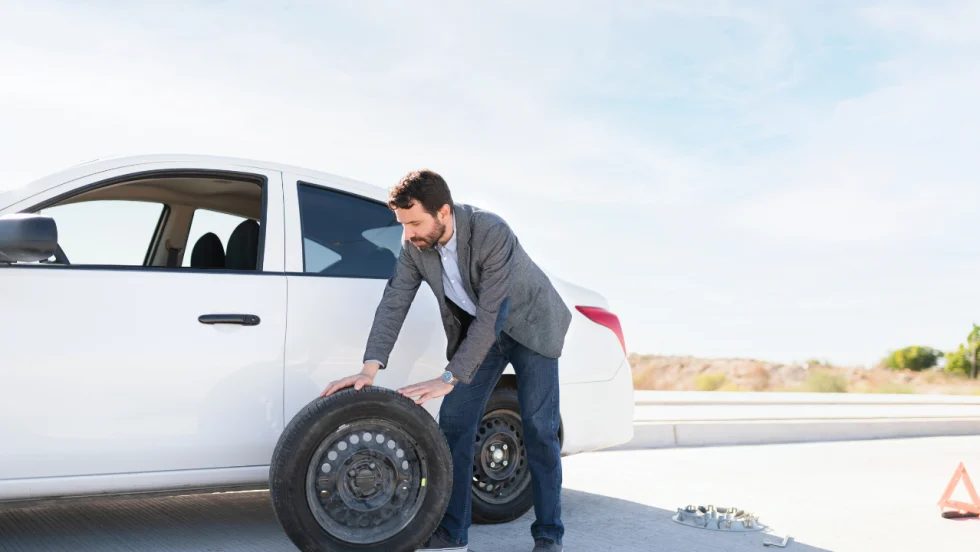
When One Vehicle Goes Down, a Small Business Feels It
One disabled vehicle can derail an entire workday. Learn how small fleets can reduce downtime, protect employees, and avoid costly roadside chaos.
Read More →
ServiceUp Brings Automated Repair Coordination to Small Fleet Operators
New AI repair agents handle shop calls, estimate reviews, status checks, and invoice validation so business owners can spend less time coordinating vehicle repairs.
Read More →
The Two Biggest Summer Downtime Threats for Fleets
A conversation with a maintenance expert reveals the two most common summer maintenance pains and how to prevent them.
Read More →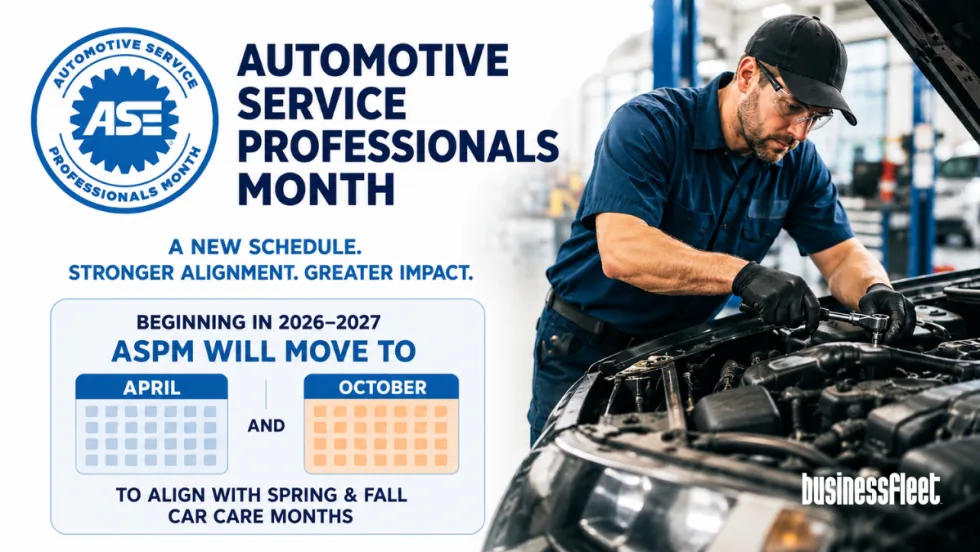
ASE to Move Automotive Service Professionals Month to Align With Car Care Campaigns
ASE will shift Automotive Service Professionals Month to April and October beginning in 2026-2027 to align with national Car Care Month efforts.
Read More →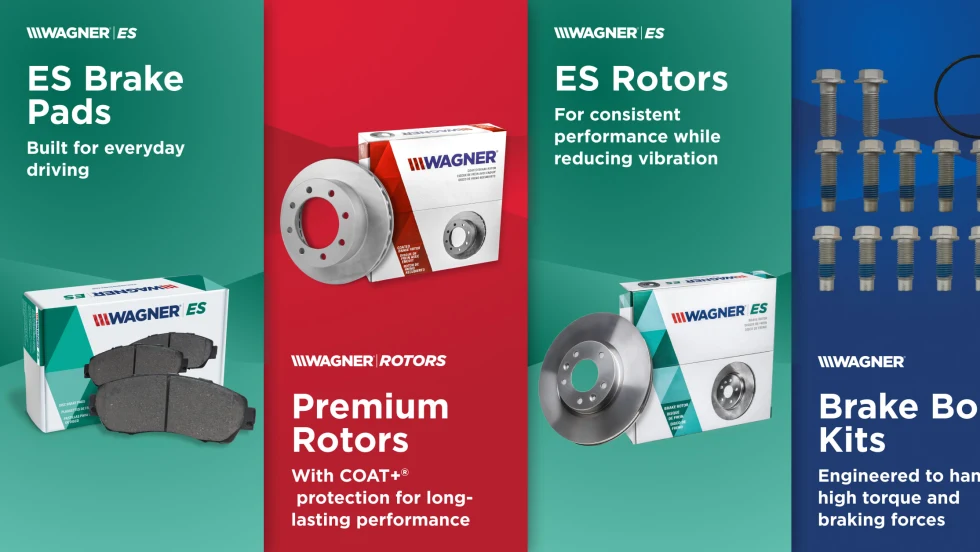
DRiV Adds New Wagner Brake Products Supporting Small Fleet Vehicle Maintenance
DRiV adds new Wagner brake pads, rotors, and hardware to support small fleet maintenance for pickups, vans, and everyday work vehicles.
Read More →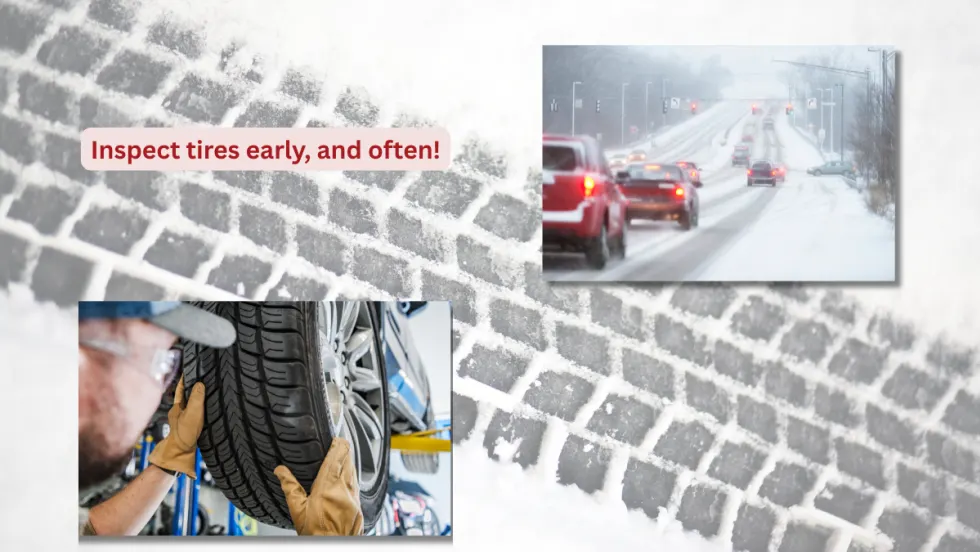
Fleet Managers Share Winter Prep Tips: It's Never Too Early!
Three fleets share best practices to prep vehicles for winter and prevent downtime when the cold sets in.
Read More →
Spring Cleaning: 5 Tips to Prep Your Fleet for Warmer Weather
Basic maintenance shouldn’t fall by the wayside as temps slowly rise again. Don’t miss performing these five measures to keep your fleet in top shape this spring.
Read More →
Prepping Your Fleet Vehicles for Resale
When it's time to dispose of retired units, which vehicle prep strategies can improve resale value? Following industry basics can have a significant impact on resale prices.
Read More →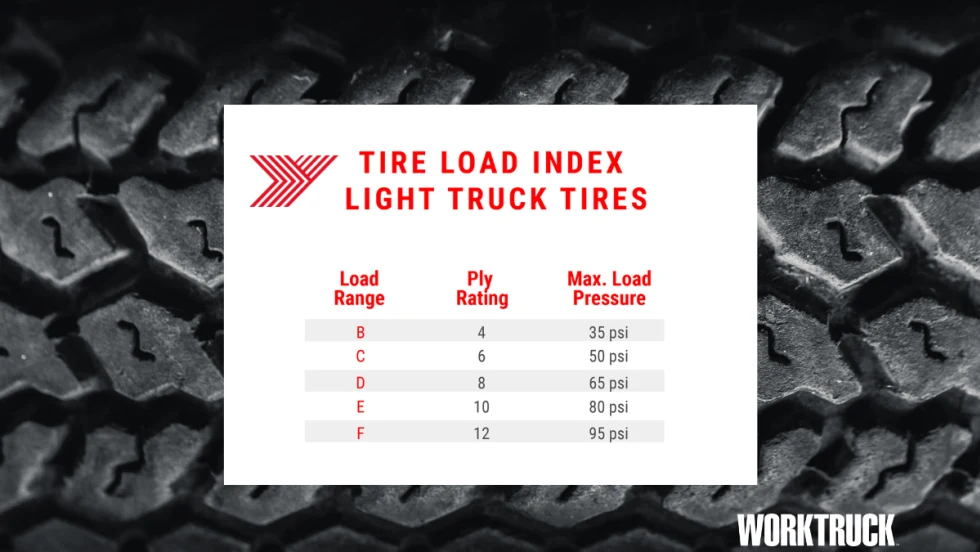
All About Truck Tires: Load Ratings, Sizes & More
Truck tires are more than “where the rubber meets the road.” Understanding truck tire sizes, tire load ratings, why ply no longer matters, and more is important for today’s fleet managers.
Read More →