


Dash Cams May Be Doing More Than Protecting Your Fleet Vehicles
Dash cams and GPS tracking may do more than improve safety. New survey findings link fleet technology to driver protection, employee retention, and customer confidence.

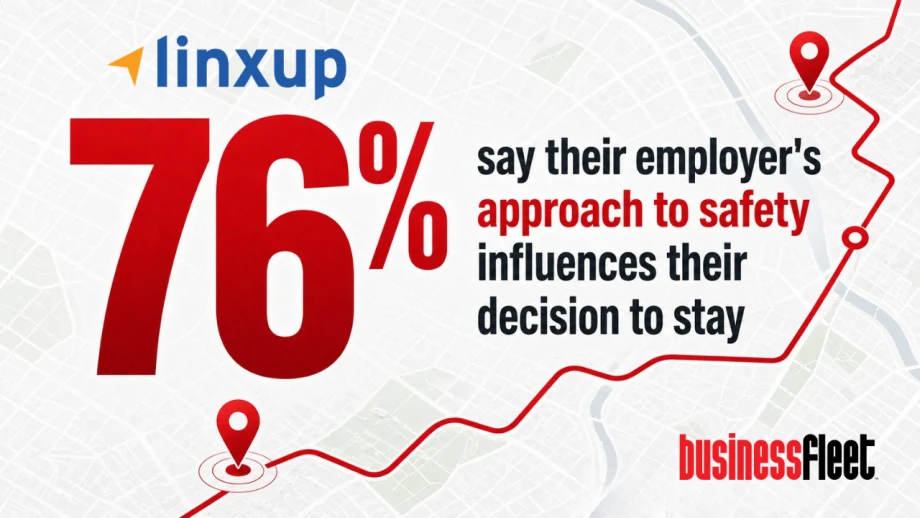
A Linxup survey of 267 field-service fleet professionals found 76% said their employer’s approach to safety influences whether they stay with the company, highlighting the connection between fleet safety, employee retention, and workplace confidence.
Business Fleet
A new survey of field-service drivers finds GPS tracking and dash cams can influence more than crash prevention, including employee retention, insurance disputes, and customer confidence. For a small business, a dash cam or GPS tracking system can be easy to view as another fleet expense or another tool for monitoring employees.
Drivers may see more value in them than business owners expect.
A new Linxup survey of 267 U.S. field-service professionals found that 77% believe the benefits of fleet safety technology outweigh privacy or driver resistance concerns.
One reason may be simple: The technology can protect the driver, too. Forty-four percent of respondents said they or a coworker had been involved in an accident where dash cam footage or GPS tracking worked in their favor during an insurance claim or legal dispute.
When asked what could make the biggest difference in their daily work, 29% selected protection if something goes wrong, ahead of the 27% who selected fewer accidents.
"Fleet drivers want greater confidence every time they get behind the wheel," said Naeem Bari, founder and chief product officer at Linxup. "Our findings show that protection, accountability, and knowing your company has your back all matter to today's workforce."
Safety Can Affect Employee Retention
The survey also suggests safety programs may influence whether employees want to stick around. Seventy-six percent of respondents said their employer's approach to safety affects their decision to stay with the company.
Workers at businesses with formal safety programs were more likely to say safety made them want to remain with their employer compared with respondents working for companies without a formal program.
Communication appears to matter, too. More than 72% said their employer had explained how GPS tracking or dash cameras can affect insurance coverage.
For small businesses trying to introduce cameras or tracking technology, that finding suggests explaining why the technology is being installed may be just as important as installing it.
Customers Are Paying Attention Too
Fleet safety practices may also affect how customers view a business. Sixty-one percent of respondents said customers had mentioned their company's safety practices as a reason for doing business with them.
That makes safety more than a driver-management issue. For contractors and service businesses whose vehicles and employees are visible in the community every day, it can also become part of the company's reputation.
Employees also showed interest in financial incentives tied to safer driving. Eighty-two percent said tying pay or bonuses to safety scores would motivate them to improve their driving performance, with cash bonuses ranking as the top incentive.
At the same time, technology and incentives cannot solve every problem. More than 73% of respondents said real-world job demands make it difficult to drive efficiently at least some of the time.
The survey was conducted by Centiment on behalf of Linxup in June 2026 among 267 U.S. field-service professionals working in commercial fleets across HVAC, electrical, landscaping, plumbing, and other service industries.
More Telematics & Tech

Samsara Driver Perks Gives Small Fleets a Ready Made Driver Benefit
Small fleets can offer drivers discounts from more than 50 brands without building or managing their own employee rewards program.
Read More →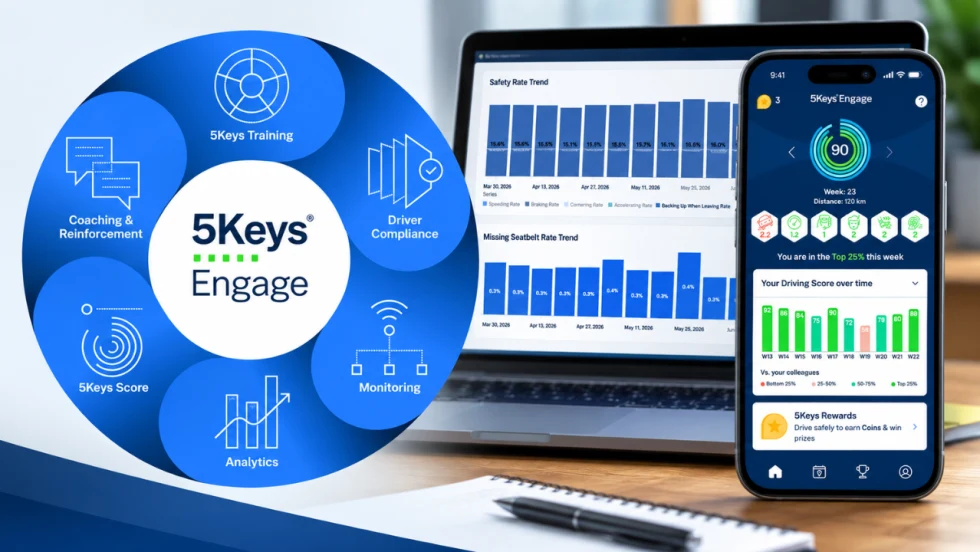
Smith System Says Small Fleets Need a Safety Cadence Not More Data
Smith System’s new Driver Risk Management program aims to help smaller fleets turn telematics and camera data into a repeatable coaching process without building a dedicated safety department.
Read More →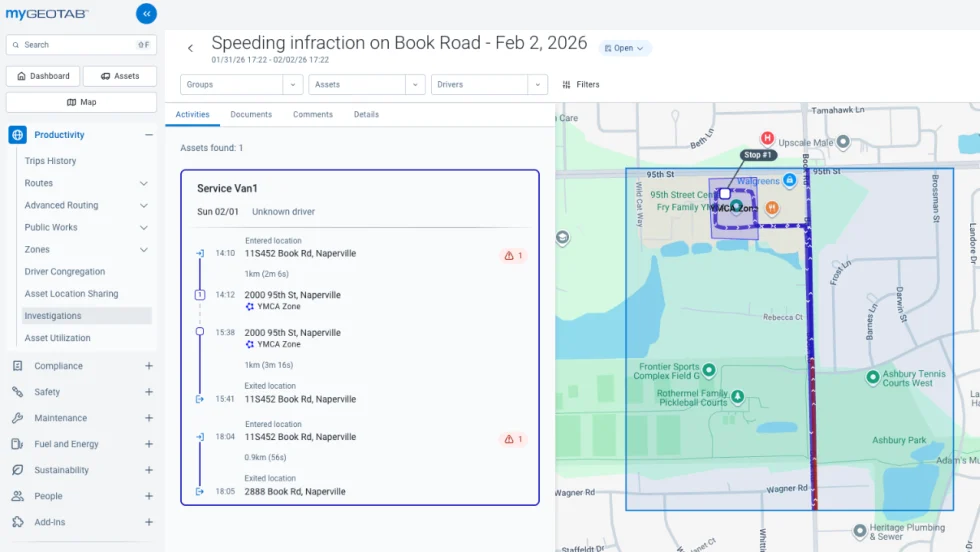
Geotab Adds Investigation Tools to Cut the Post-Incident Paper Chase
When a company vehicle is involved in a crash or complaint, Geotab Investigations brings telematics data, photos, reports, and other records into one case workflow.
Read More →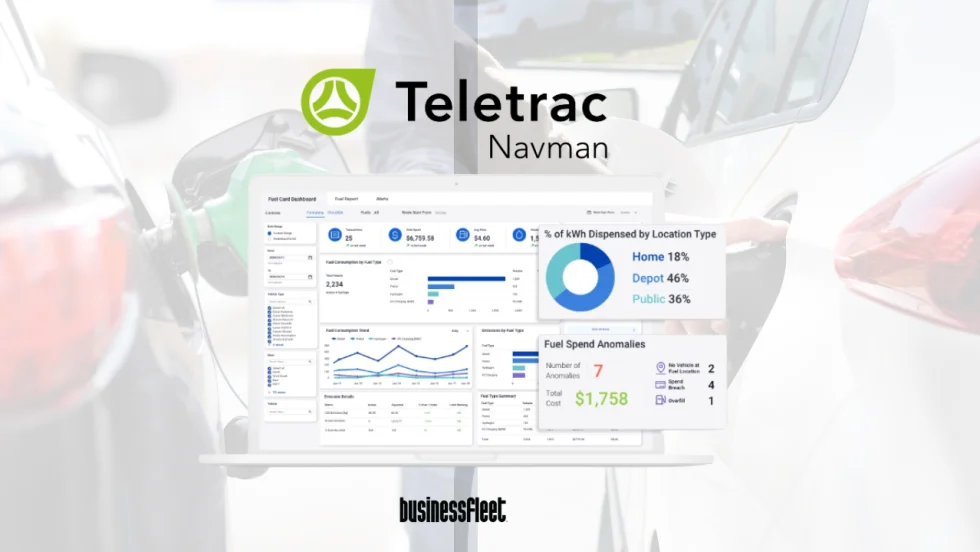
Teletrac Navman Adds Mixed-Energy Tracking to TN360
Energy Hub combines fuel card data, EV charging activity, reimbursements, and vehicle energy use in one dashboard for fleets operating gasoline, hybrid, and electric vehicles.
Read More →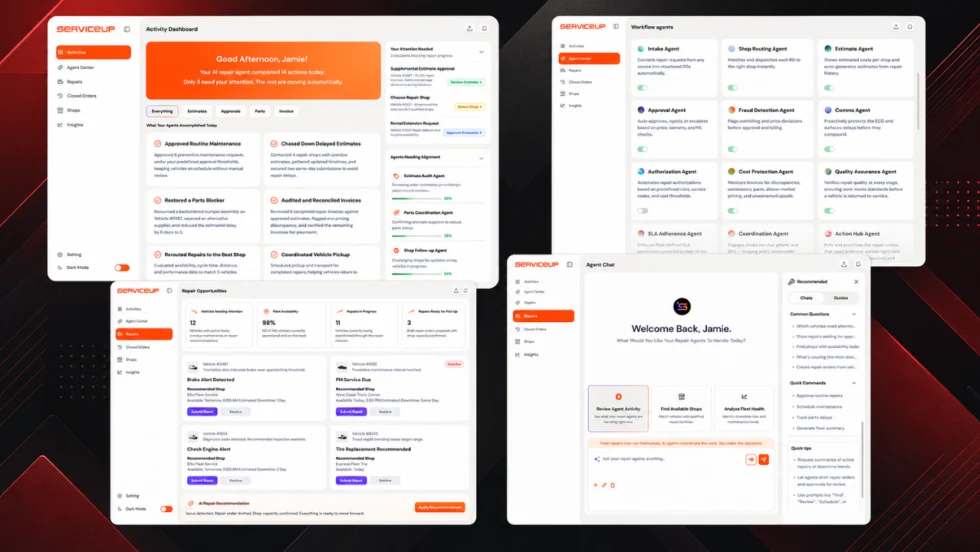
ServiceUp Brings Automated Repair Coordination to Small Fleet Operators
New AI repair agents handle shop calls, estimate reviews, status checks, and invoice validation so business owners can spend less time coordinating vehicle repairs.
Read More →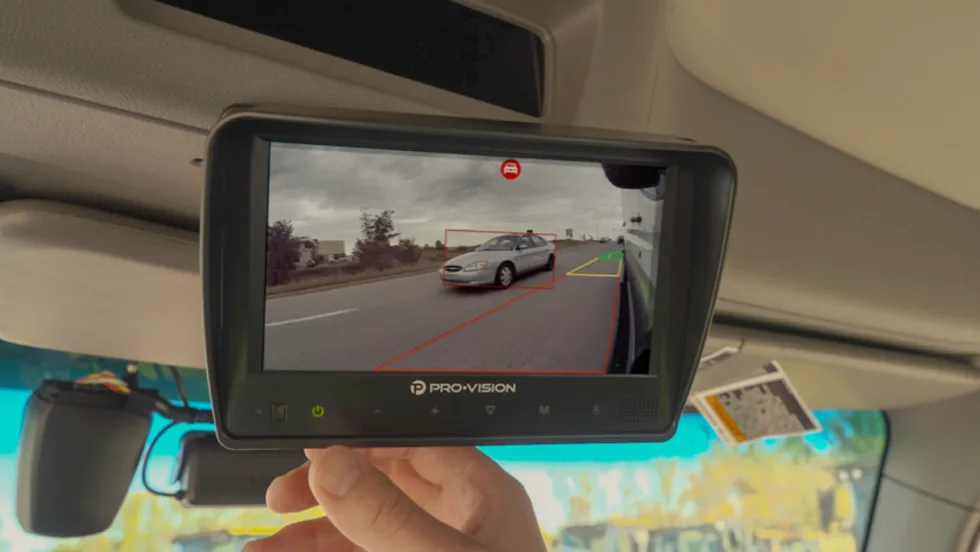
Pro-Vision Expands AI Fleet Safety Beyond the Cab
Pro-Vision's new AI camera and processing module extend real-time exterior hazard detection while integrating with leading fleet telematics platforms.
Read More →
Trimble to Add Hotel Booking Capabilities to Fleet Products Through Engine Partnership
Trimble is adding hotel-booking capabilities to its fleet tools, helping drivers and small fleets find lodging faster during trips and breakdowns.
Read More →
TruckDocsAI Launches AI-Powered Compliance Platform for Owner-Operators and Small Fleets
Can AI simplify DOT compliance? TruckDocsAI launches a new platform for owner-operators and small fleets facing audit pressures.
Read More →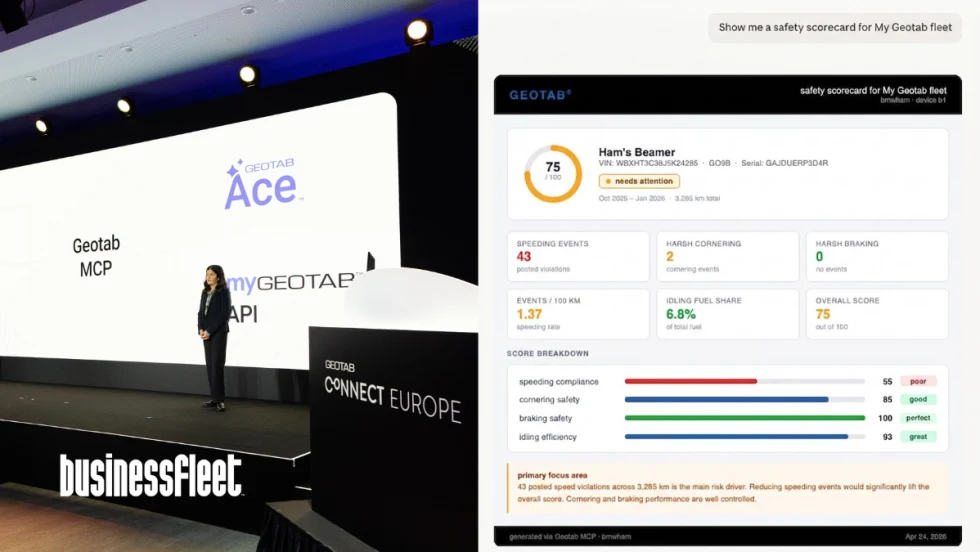
Geotab Says Fleet AI Success Depends More on Data Than the AI Model Itself
Geotab's new AI connector links fleet data with ChatGPT and other platforms, helping organizations turn AI investments into business results.
Read More →
From Watchdog to Wingman: How Small Fleets Can Use Predictive Telematics to Retain Drivers
Predictive telematics can help small fleets improve driver satisfaction, reduce turnover, and build a stronger safety culture through smarter coaching.
Read More →